





















Discover Australia Kangaroo Population 2023

Have you ever imagined hopping across the vast Australian outback on legs like coiled springs? That's the magic of kangaroos, those iconic marsupials that define the Land Down Under. But here's a fun twist: with over 50 million kangaroos sharing the continent with humans, they're not just in zoos or on postcards. They're everywhere, from dusty plains to suburban backyards. If you've ever wondered about their numbers, you're in for a treat.
Today, we're diving straight into the kangaroo population in Australia 2023. As a beginner-friendly guide, this analysis pulls together the freshest data from experts and government reports. We'll unpack the big picture: total estimates across species like the red and eastern grey kangaroos, why populations boom or dip with droughts and rains, and how they're spread across states.
By the end, you'll know the key trends shaping their future, simple factors behind changes, and what it all means for Australia's wildlife balance. No jargon, just straightforward insights to spark your curiosity. Ready to bounce into the details? Let's go!
The Big Picture on 2023 Kangaroo Numbers
Ever wondered just how many kangaroos are hopping around Australia? Let's dive into the kangaroo population in Australia 2023 with some eye-opening numbers from official surveys. In the commercial harvest zones across New South Wales, Queensland, South Australia, Western Australia, and Victoria, the total estimate hit a whopping 36.5 million kangaroos. That's based on 2022 aerial and ground surveys reported in 2023 by the Department of Climate Change, Energy, the Environment and Water (DCCEEW Kangaroo Statistics). Breaking it down by the main species, red kangaroos numbered about 12.6 million, eastern greys around 14.9 million (wait, actually 17.3 million per the data), western greys at 3.5 million, and wallaroos at 5.4 million. These zones cover the vast rangelands where kangaroos thrive, and the figures show they're doing just fine.
Zoom out to nationwide numbers, including non-harvest areas like parts of the Northern Territory, and you're looking at 40-50 million kangaroos overall. That's nearly double Australia's human population of 26.6 million that year. No wonder they outnumber us skippy fans. These stats paint kangaroos as a superabundant species, with populations holding steady over four decades of careful management, despite droughts and booms tied to rainfall.
For us freedom-loving outback explorers at Jacaru, these numbers make perfect sense when you're road-tripping from Sydney to Uluru. You'll spot massive mobs, groups of 10 to 100-plus, grazing near waterholes or bounding across red dirt roads, especially in those harvest zones where densities hit 20-50 per square kilometer in good seasons (CNN on kangaroo management). Actual harvests stay low at 1.5-1.8 million annually, way under quotas, ensuring sustainability for leather goods like our kangaroo hats. Next time you see a mob, tip your hat; they're thriving icons of the wild Aussie outdoors.
Breaking Down by Species: Reds, Greys, and Wallaroos
Red Kangaroos: The Arid Kings
Let's kick off with the red kangaroos, the icons of the outback. These big fellas topped the charts at about 12.6 million in 2023, according to the DAFF 2024 report, loving those dry, dusty interiors of NSW, QLD, SA, and WA. They're built for tough times, breeding like crazy after good rains. Take NSW's Western Plains as a prime example, zones like Tibooburra and Broken Hill clocked 2.9 million reds that year, a solid boom even after dipping from 2022 peaks. For us outdoor lovers, spotting these giants while camping under the stars is pure freedom.
Eastern and Western Greys: Coastal and Forest Dwellers
Eastern greys stole the show with 14.9 million, ruling the greener east in NSW and QLD, munching on grasslands near farms. They're steadier in wetter spots but fluctuate with seasons. Western greys trailed at 3.5 million, hugging the southwest coasts of SA and WA, thriving on farmlands. Check out NSW kangaroo population monitoring for zone breakdowns, showing how greys boom in rainy years.
Wallaroos and Euros Round It Out
Wallaroos and euros chipped in 5.4 million, rugged types in rocky hills across states. NSW alone had over 365,000. Regional twists shine here, reds exploding in arid booms while greys hold steady east. These numbers, from aerial surveys, prove populations cycle with rain, not harvesting, staying superabundant. As libertarians hitting the bush, it's reassuring knowing sustainable management keeps the wild thriving for our adventures. Learn more kangaroo facts.
How Experts Track Kangaroo Populations
Ever wondered how those boffins keep tabs on Australia's massive kangaroo population in 2023? State governments in places like New South Wales, Queensland, South Australia, Western Australia, and Victoria run annual aerial and ground surveys across commercial harvest zones, covering millions of square kilometers. These efforts deliver spot-on counts for the four key species: red kangaroos, eastern and western grey kangaroos, and wallaroos. In 2023, based on 2022 surveys, they clocked about 36.5 million kangaroos in those zones alone, way outnumbering our 26.6 million humans.
The magic happens with transect flights, where planes zip along zigzag lines over vast outback plains, spotting mobs from the air. Observers tally group sizes and distances using high-tech loggers, timed for cooler months when kangaroos are easier to see. Ground checks supplement in trickier spots, like Victoria's mix of methods, ensuring no stone (or shrub) is left unturned. Check out NSW's detailed 2023 quota report for the nitty-gritty.
Data from reports like NSW Environment's science-backed monitoring sets quotas at a sustainable 10-20% of estimates, like South Australia's 313,800 for 1.6 million red kangaroos. Actual harvests? Just 1.5-1.8 million yearly, often under half the quota.
For us outdoor lovers, these surveys balance booming roo numbers, which can munch farms dry during droughts, with smart land management. They prevent overgrazing, protect crops and livestock, and keep populations healthy without heavy-handed culls, letting nature and markets thrive in harmony.
Commercial Harvesting: Quotas, Reality, and By-Products
Now that we've got the lowdown on those booming kangaroo populations in commercial zones—around 36.5 million back in 2023—let's talk about the commercial harvesting side of things. It's not some wild free-for-all; Aussie states like NSW, Queensland, South Australia, WA, and Victoria run a tight ship with strict rules to keep things sustainable. Governments set annual quotas based on fresh aerial and ground surveys, typically capping them at 10-20% of the estimated population to leave plenty of roos hopping around. Take South Australia's red kangaroos, for example: with a 2022 estimate of 1.6 million, they set a quota of 313,800 for 2023, right around 19% 2023 SA Quota Report. Nationally, that meant a sustainable quota of about 5.13 million across species, but it's all conservative math factoring in rainfall trends and long-term averages. The goal? Balance wildlife with farmland needs, since these "superabundant" kangaroos sometimes outnumber us humans at over 26 million strong.
Actual Harvests: Demand-Driven and Super Cautious
Here's the reality check: actual harvests are nowhere near those quotas, averaging just 1.5-1.8 million kangaroos a year nationwide. In 2023, it was about 1.36 million commercially taken, hitting only 26.5% of the quota overall, with some spots like SA at a mere 19% utilization 2023 SA Commercial Harvest Report. That's because it's market-driven—mostly for lean pet food, human-export meat, and by-products like leather—plus shooters target mostly males (80-99% in harvests) to protect breeders and joeys. No overkill here; if demand dips, so do numbers. For context, NSW's Western Plains alone had nearly 2.9 million reds in 2023, yet harvests stayed precautionary. This low uptake proves the system's working, with populations fluctuating more from droughts or rains than any human hand.
Decades of Data: Stability, Not Decline
Over 40-plus years of monitoring—especially NSW's gold-standard datasets—there's zero evidence harvesting's denting kangaroo numbers. Populations dipped slightly to 35.2 million by 2024 surveys, but that's climate talking, not quotas; wet years boom them to 50 million, dry ones trim back naturally. Harvesting actually helps by easing pressure on crops and pastures in overgrazed zones. By-products shine too: 85-90% of carcasses get used, turning necessity into high-protein food and tough leather.
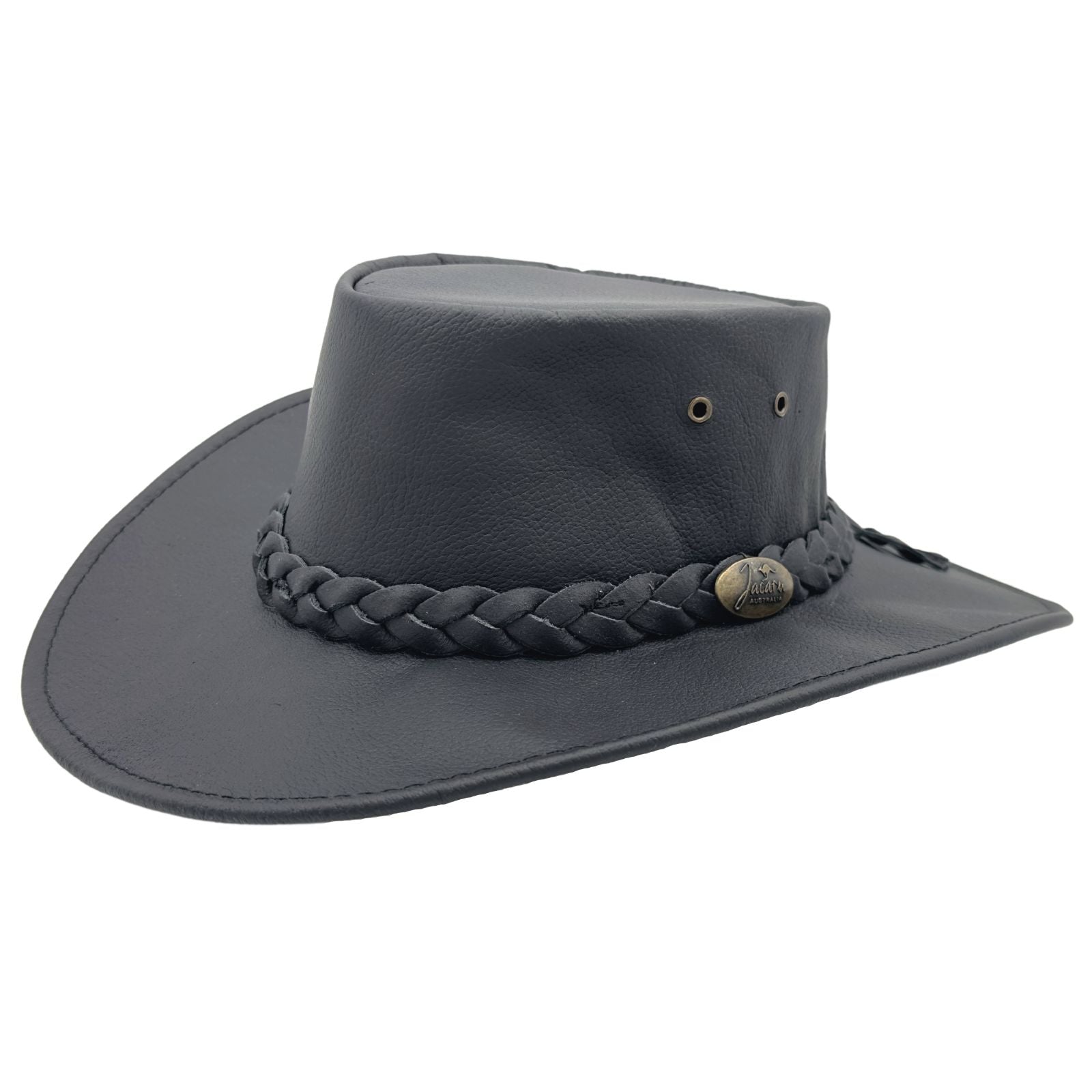
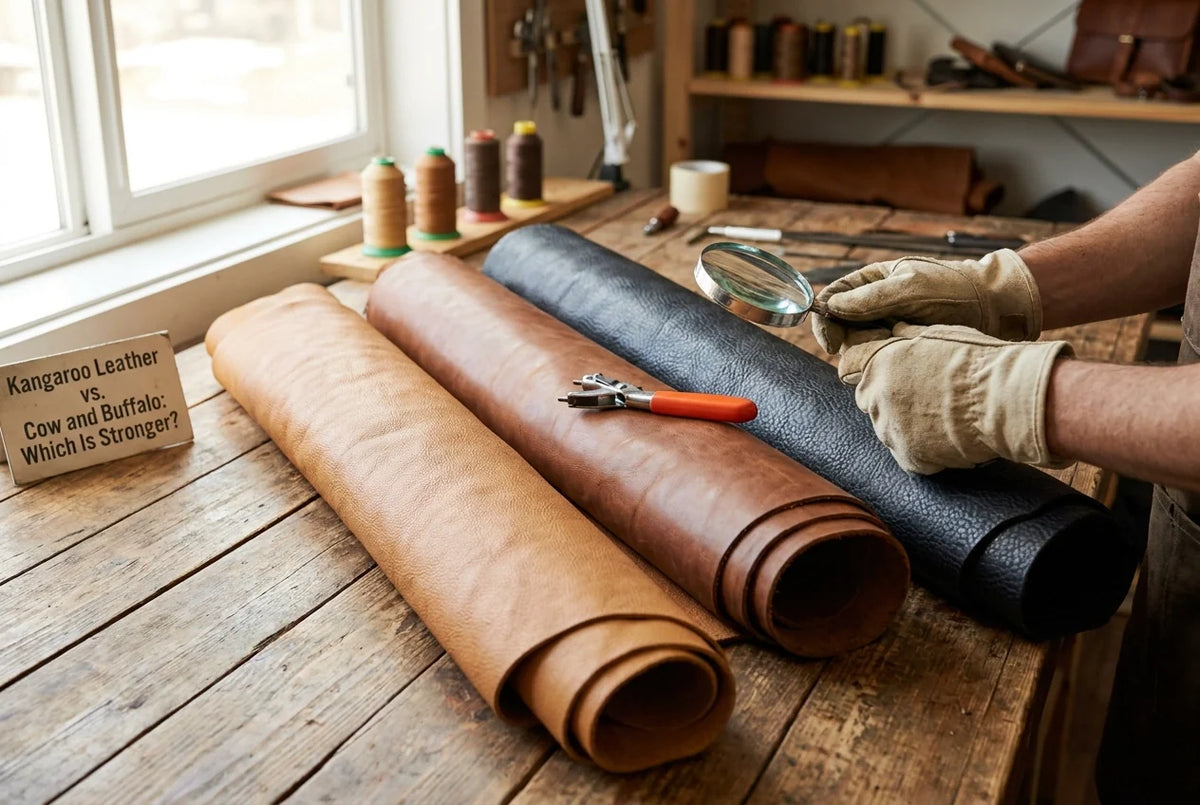
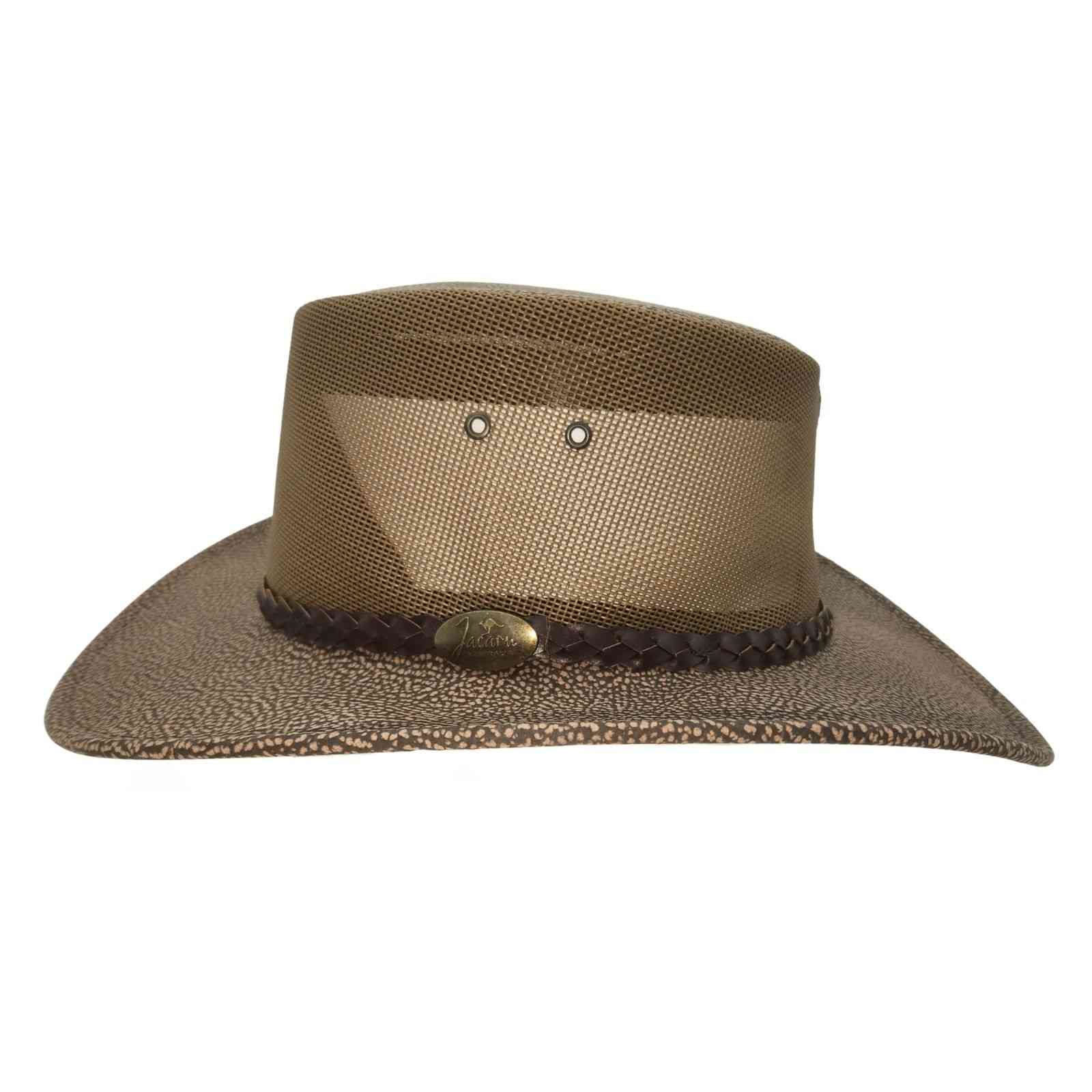
Speaking of leather, kangaroo hide is a game-changer for us outdoor lovers—three times stronger than cowhide, half the weight, and built for brutal Aussie conditions. At Jacaru, we craft premium outback hats from this sustainable source, perfect for libertarian adventurers 4WDing the outback or camping under the stars. Grab one for your next Flinders Ranges trek; it's eco-smart, Aussie-made, and ready for real freedom. These hats aren't just gear; they're your ticket to exploring without the worry.
Trends and Fluctuations: Rain, Drought, and Changes
Hey mate, if you've ever chased the outback after a solid downpour, you've probably noticed kangaroos everywhere, popping up like they own the place. That's no coincidence. Kangaroo populations in Australia boom like crazy following rainfall, thanks to lush grass fueling breeding sprees with growth rates hitting 25 to 35 percent annually. But flip to drought, and numbers crash hard from starvation and low births, swinging the national tally for commercial species between 30 and 50 million head. Back in 2023, we sat pretty at around 36.5 million in harvest zones, outnumbering our 26.6 million humans by a mile. These cycles explain why the kangaroo population in Australia 2023 felt so abundant, yet things shift fast with the weather.
Fast forward to 2024, and totals dipped a touch to 35.2 million nationwide, per the latest government surveys. New South Wales took the biggest hit, dropping from 13.9 million in 2024 to just 9.6 million by 2025-2026 estimates, especially in the Western Plains where red kangaroos fell from 5 million to 3.1 million. Quotas got slashed accordingly, down to 1.45 million for NSW in 2026, proving management keeps pace with nature's whims. Meanwhile, western zones bucked the trend: Queensland held steady around 19 to 20 million, with eastern greys up 4.7 percent post-floods in some spots, while Queensland's 2026 quota submission shows reds doubling in density after rains. Western Australia saw some declines to 1.3 million by 2025 from dry heat, but stayed resilient compared to the east.
For us outdoor lovers hitting the road, this means prime roo-spotting after wet seasons, but sparser mobs in dry spells, perfect for planning trips. Check 2026 population estimates for the freshest data before your adventure.
To make this pop on the blog, imagine infographics: a line chart stacking kangaroo numbers against rainfall mm and our human pop bars, or a state heatmap glowing green for booms and red for busts. Add a cycle wheel: rain leads to boom, drought to crash, with icons for easy scanning. These visuals turn dry stats into a fun outback story.
Sustainability Debate: Facts vs Myths
Hey mate, let's cut through the noise on the sustainability debate surrounding Australia's kangaroo population in 2023. You've probably heard the myths: kangaroos are vanishing because of harvesting, right? Wrong. Government data from rigorous aerial and ground surveys paints a clear picture. In commercial zones, populations hit 35.2 million that year, with actual harvests at just 1.3 million, or about 3.7% of the total, way under conservative 10-20% quotas. These numbers, tracked by states like NSW and QLD, show no decline linked to harvesting over 40+ years. Instead, dips like NSW's drop from 13.9 million in 2024 estimates tie straight to droughts, not human activity, with booms following rain, such as red kangaroos surging from 2.9 million to 5 million in the Western Plains.
Critics, like some animal rights groups, poke holes in survey estimates, claiming overharvesting during dry spells. But long-term trends bust that myth. NSW's 50-year dataset, validated by international experts, confirms abundance; kangaroos outnumber our 26.6 million humans and stay "Least Concern" on IUCN lists. Harvests are ethical too: night-time headshots by licensed pros, mostly males (91%), CITES-approved, and quotas flex with conditions, like South Australia's 313,800 red kangaroo limit for a 1.6 million population. Actual takes hover at 19-30% of quotas max. Roadkill? That's 1-2 million unregulated annually, per Victoria's 2023 report.
For us outdoor lovers and adventurers, this means rocking kangaroo leather gear from Jacaru, like tough outback hats, guilt-free. It's a renewable byproduct from wild harvests that fund conservation, lighter and greener than cowhide on marginal lands. Hit the road spotting thriving mobs in the Flinders Ranges or Outback tracks; your travels support sustainable use that keeps populations booming and habitats healthy. Freedom to explore, mate, with facts on our side.
Key Takeaways for Kangaroo Fans and Travelers
So, wrapping up our dive into the kangaroo population in Australia 2023, here's the good news for us freedom-loving outback explorers: these bouncy icons are thriving at over 36.5 million strong in commercial zones alone, outnumbering us Aussies at 26.6 million. Numbers boom after good rains and dip in droughts, but harvesting? Nah, that's not the driver; it's all about Mother Nature's whims.
Fancy spotting them in the wild? Plan that epic outback road trip now, mates. Pack your kit with a tough kangaroo leather hat from Jacaru, perfect for battling the sun and dust while you chase roo sightings in NSW's Western Plains or Queensland's red dirt.
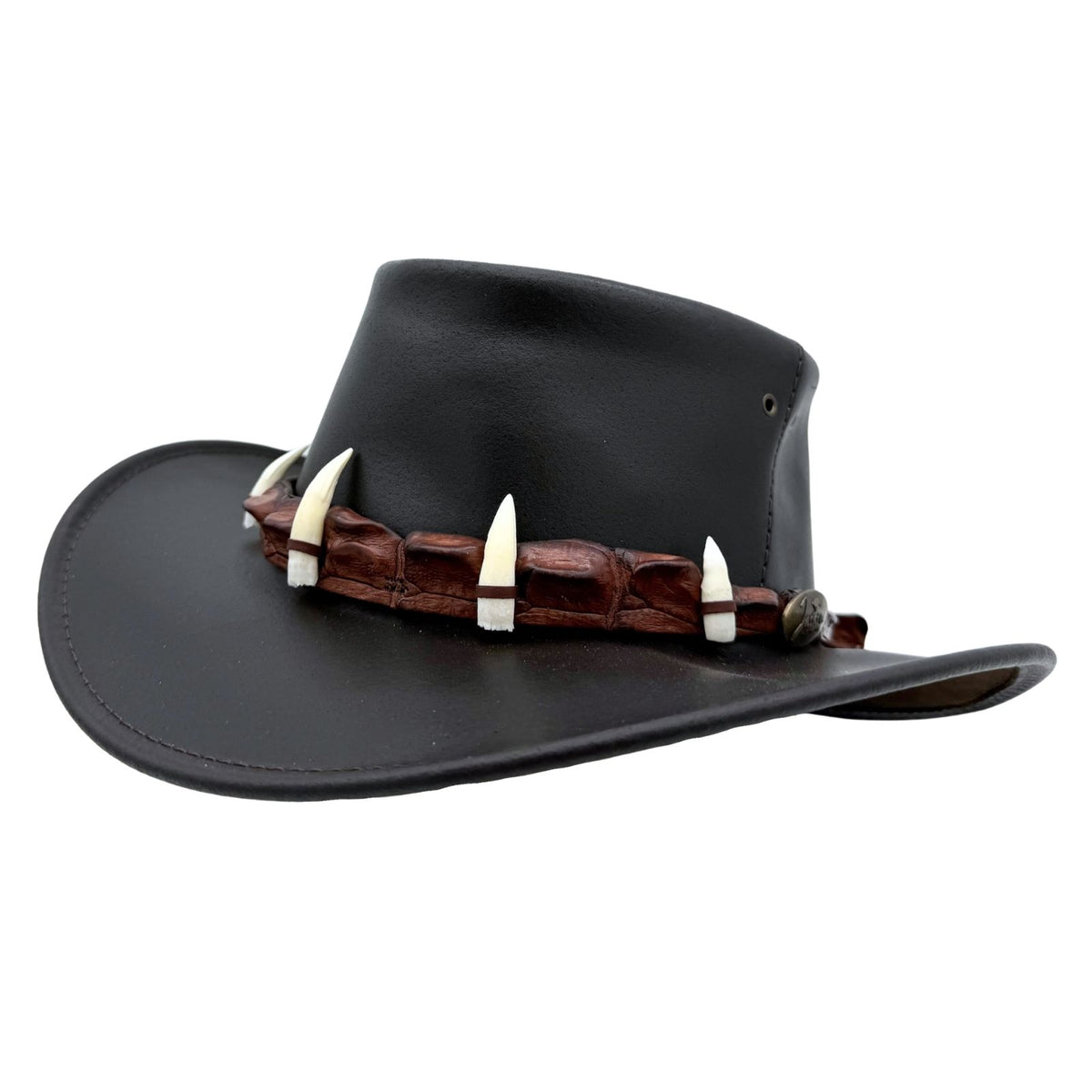
You're also backing sustainability by grabbing Australian-made goodies like Jacaru's keyrings or Crocodile Dundee-style hats from harvest by-products. Actual kills hover at 1.5-1.8 million yearly, way under quotas. Share these stats with your adventure crew, check DAFF reports for the full scoop, and keep an eye on 2026 updates for the next boom. Let's hit the trail!
Conclusion
In summary, Australia's 2023 kangaroo population surpasses 50 million, led by robust numbers of red and eastern grey kangaroos. These marsupials thrive or decline based on rainfall patterns, with booms after wet seasons and dips during droughts. Distribution varies widely across states, concentrating heavily in New South Wales and Queensland. These trends underscore a balanced wildlife dynamic shaped by nature and careful management.
This beginner-friendly guide delivers fresh, jargon-free insights from expert sources, empowering you to grasp kangaroo realities at a glance. Now, take action: plan a wildlife spotting adventure Down Under, support local conservation initiatives, or share this post to spark curiosity in others.
Hop into action today and celebrate the enduring spirit of Australia's bounding icons.







Our friends at Bocchetta Plush Toys have a great range of lifelike plush animals that make great gifts for people of all ages.