








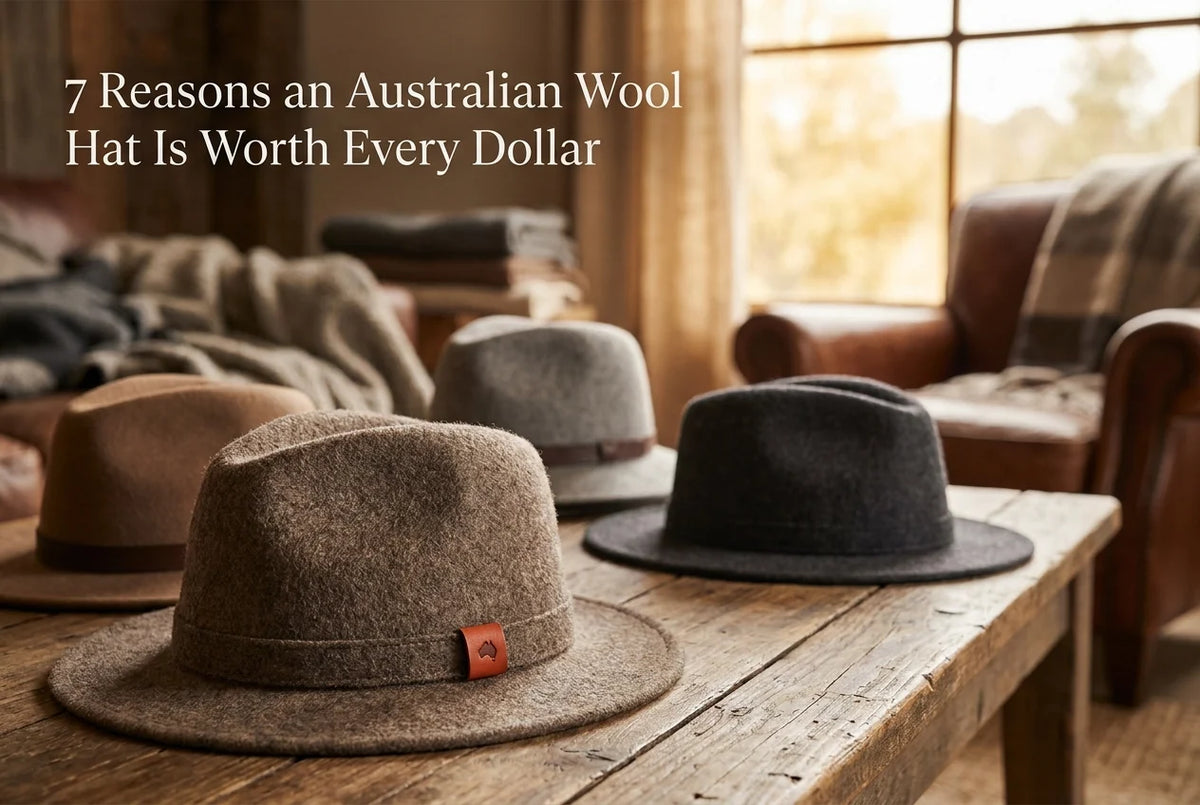
7 Reasons an Australian Wool Hat Is Worth Every Dollar
Not every hat is worth keeping. Most end up forgotten on a shelf, stretched out of shape, or quietly retired after a single season. But an Australian wool hat is a different proposition entirely, and once you understand why, it is difficult to settle for anything less.
Australia has long been recognised as a global leader in wool production, and that reputation carries directly into the hats made from its finest fibres. Whether you are buying your first serious hat or reconsidering the cheap alternatives you have tried before, this guide will walk you through everything that makes Australian wool headwear stand apart from the crowded market.
Across the sections ahead, you will discover why the material itself is exceptional, how skilled craftsmanship shapes a hat that mass production simply cannot match, and what genuine versatility looks like across everyday and formal occasions. You will also learn how to choose the right style, care for it properly, and understand why this kind of hat makes a gift people actually wear. By the end, you will have a clear picture of what your money is really buying.
Australian Wool Is Among the Finest in the World
Australia is the world's largest wool producer by clean weight, supplying a significant share of global fibre demand, with Australian-made hats and what to look for when buying them a natural extension of that raw material excellence. At the centre of that reputation is Australian Merino wool, prized for its exceptionally fine micron count, natural softness, and the ability to regulate body temperature in both heat and cold.

What separates Australian-sourced wool from imported or synthetic alternatives is traceability. Only around 40% of wool traded globally is fully traceable, meaning buyers of generic felt products often cannot verify fibre grade, farm practices, or processing standards. Domestic sourcing closes that gap entirely.
The performance difference between Australian Merino wool felt and generic synthetic felt is measurable. Merino fibres are finer, more resilient under UV exposure and rain, and naturally breathable in the kind of dry heat that defines Australian outback conditions. Synthetic felt cannot replicate these properties; it traps heat, degrades faster, and lacks the structural memory that allows quality wool felt to be reshaped after wear.
Global commodity markets confirm the sustained value placed on premium Australian wool. Active trading tracked by major wool organisations through 2026 reflects strong ongoing demand across both apparel and accessories categories.
For buyers weighing up wool felt, fur felt, blended felt, and synthetic felt options in the wide-brim hat market, Australian-sourced wool felt remains the benchmark material for durability, comfort, and long-term quality.
Heritage Craftsmanship That Mass Production Cannot Replicate
Premium wool sets the foundation, but craftsmanship determines what that material becomes.
The headwear market has shifted decisively. Premium buyers in 2026 are actively seeking provenance and hand-skill over factory uniformity, favouring artisanal pieces with a traceable story over generic imports priced purely on margin.
Australian hat-making traditions were never designed with fashion in mind. They emerged from outback necessity, where a hat had to provide reliable wide-brim sun protection, hold its structure through heat and dust, and last hard seasons of real use. Durability was not a selling point. It was a minimum requirement.
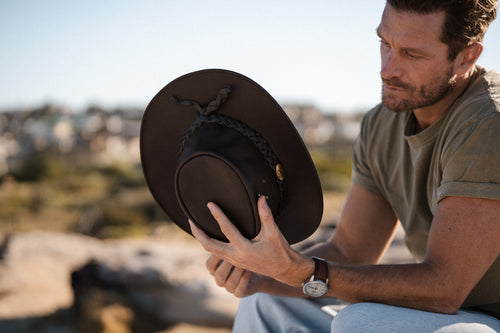
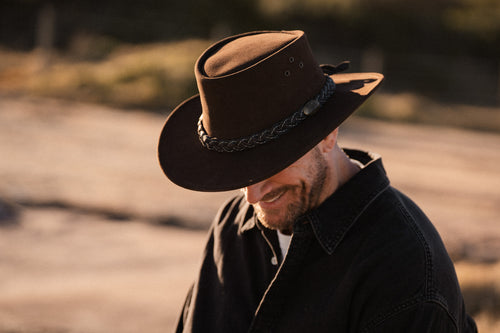
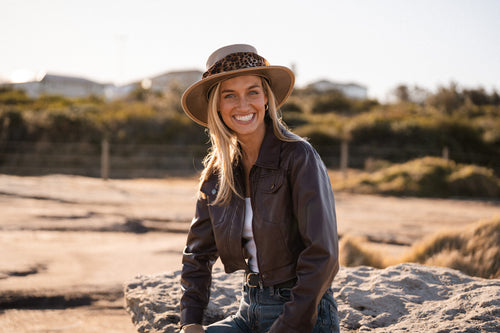
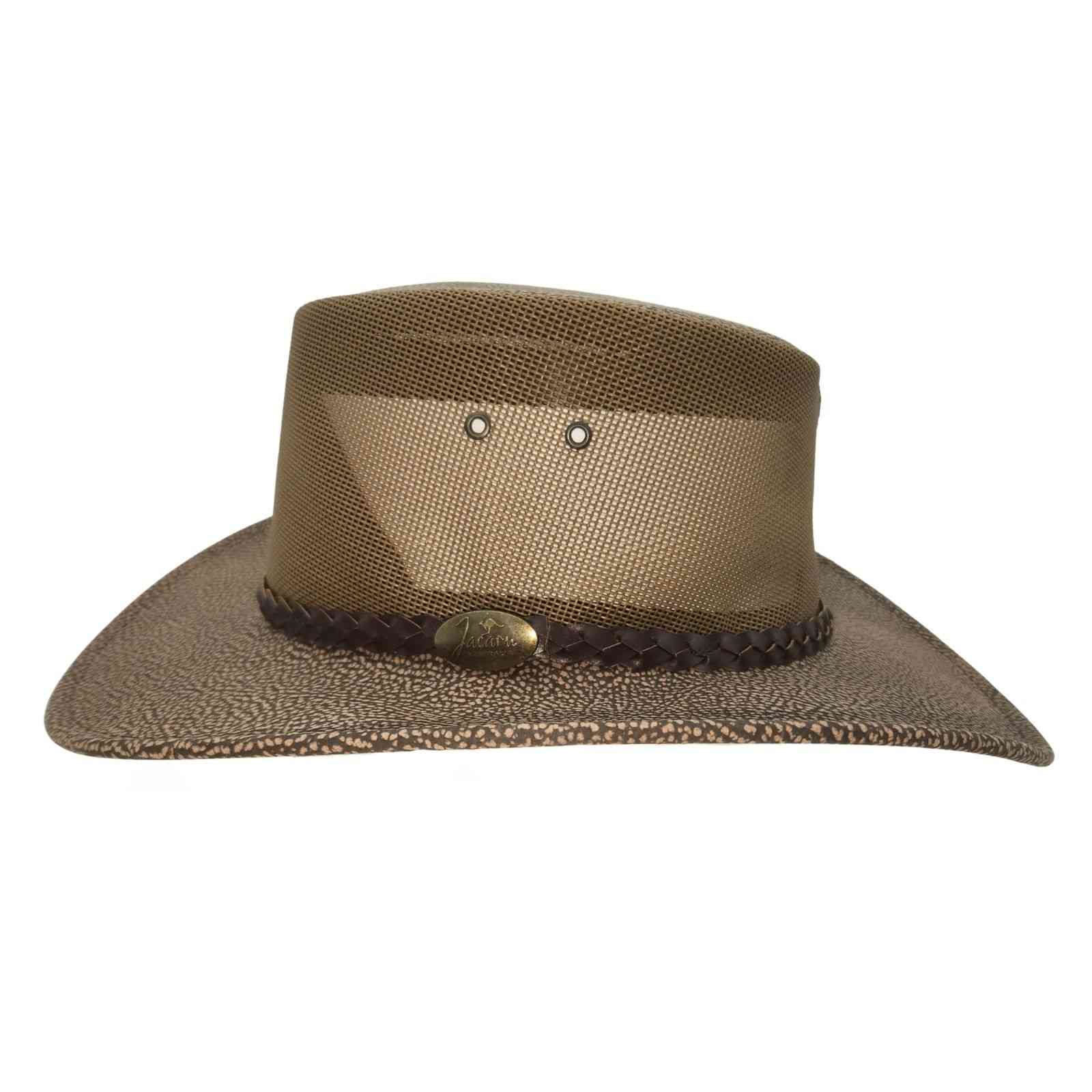
That heritage shapes how quality Australian wool hats are constructed today. For outdoor lovers, global travellers and spirited adventurers, Jacaru's wool hats carry those origins forward, pairing traditional construction methods with contemporary design. The result is a hat that performs in the field and reads equally well in a city environment, without compromising either function or appearance.
Modern manufacturing technology has not displaced these methods. It now works alongside them, allowing Australian makers to maintain exacting craft standards while producing at a scale that meets genuine market demand.
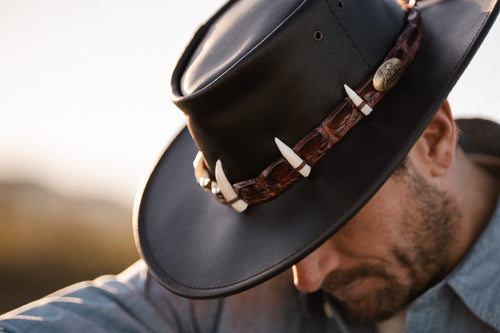
The difference shows in the details. Hand-finished brims sit evenly and hold their edge. Quality hatbands sit flush without pulling. Structured crowns retain their shape across seasons of wear. These are not decorative choices. They are the tangible markers that separate a considered, artisanal wool hat from a generic import built only to reach a low price point.
One Hat, Multiple Occasions: The Versatility Advantage
That craftsmanship translates directly into versatility, and versatility is where a quality Australian wool hat justifies its place in any wardrobe.
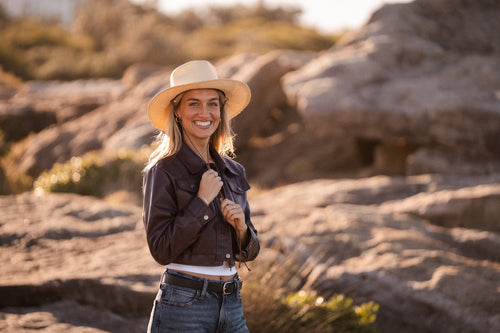
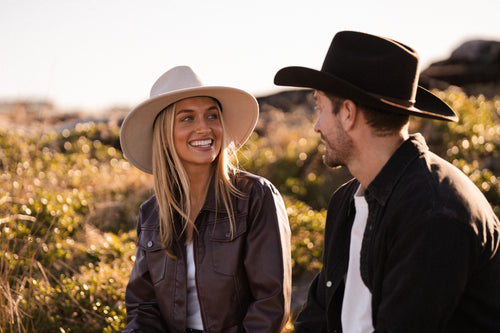
Australian wool hats span a genuinely broad style range. Classic fedoras and trilbies suit urban and semi-formal settings, while structured wide-brim outback styles handle serious sun and terrain. Buying a quality piece means you are not locked into a single occasion or environment.
The wide-brim felt hat market is formally segmented across casual wear, formal wear, and outdoor activities. A well-chosen Australian wool hat can serve all three without compromise.
For outdoor use, the performance case is clear. More than 70% of wool fabrics tested in a peer-reviewed study achieved UPF values of 30 or higher, compared to fewer than 30% of cotton and linen fabrics. The International Wool Textile Organisation confirms wool's UV protection credentials independently. Add natural rain repellence and wind resistance from the structured felt body, and synthetic fashion hats simply cannot match wool's extended-wear performance outdoors.
For travellers, wool's physical structure is the advantage. Each fibre behaves like a coiled spring, returning to its natural form after compression, which means a wool hat can be packed into luggage, worn hard across multiple climates, and reshaped without permanent damage.
Jacaru's Australian wool hats are designed with this range of use in mind, transitioning from outback terrain to international destinations without looking out of place in either setting.
Sustainability Is Built Into the Material, Not Bolted On
Versatility is a compelling reason to buy. What keeps a wool hat worth owning long after the novelty fades is the material itself.
Wool is shorn from sheep annually without harm, making it one of the few apparel fibres with a genuinely circular lifecycle. The sheep keeps grazing, the fleece regrows, and the process repeats. No petroleum extraction, no synthetic polymer chains, no raw material that depletes with use. According to the IWTO's life cycle assessment framework, wool's biodegradability at end of life also sets it apart from synthetic felt alternatives, which shed microplastics and accumulate in landfill for decades after disposal.
This matters more now than it did five years ago. Across the luxury accessories segment, 2026 consumer research confirms accelerating demand for products that are artisanal and environmentally verifiable, not just marketed that way. Shoppers are increasingly skilled at distinguishing genuine sustainability from branding.
Australian-made production adds another credible layer. Manufacturing within Australia means regulated labour conditions, environmental standards, and supply chain accountability that offshore fast-fashion production routinely sidesteps. The ethical ambiguity common to imported goods simply does not apply.
For buyers who want to make a responsible choice without sacrificing quality, the test is straightforward: look for verifiable Australian sourcing and transparent production practices. Browsing Australian wool hats made locally gives you a clear baseline for what genuine provenance looks like in practice.
Why a Quality Wool Hat Outlasts Cheaper Alternatives
Sustainability makes a strong case for wool. So does the economics of ownership.
Price is the most common objection to premium wool hats, but it dissolves quickly when you factor in lifespan. A well-made Australian wool hat can last a decade or more with basic maintenance, while cheaper synthetic or blended felt alternatives typically need replacing within one to two seasons of regular outdoor wear.
The material properties drive that difference. Wool felt is naturally resistant to tearing, fraying, and UV degradation. Research confirms that wool carries a natural UV protection factor of 30+ in over 70% of cases, which is why wool felt holds its shape and colour through sustained sun exposure where synthetic felt fades and stiffens. Wool fibres also repel moisture and surface dirt, reducing the wear caused by cleaning.
For travellers, there is a structural advantage worth noting. A properly constructed wool felt hat can be reshaped after compression, allowing it to be packed into luggage and restored to its original form. Cheap alternatives lose their shape permanently under the same conditions.
The cost-per-wear logic is straightforward: one quality hat worn regularly over ten years is considerably cheaper than replacing a budget hat every season or two.
Jacaru's Australian wool hats are built for the conditions that defined the outback hat tradition: sustained heat, fine dust, and direct sun. That grounding in real-world Australian environments is what separates a hat built to last from one built to a price point.
An Australian Wool Hat Makes a Gift That Actually Gets Worn
That durability argument applies equally when you are buying for someone else. A premium Australian wool hat is one of the few gifts that earns its place in daily life rather than a display shelf.
International travellers searching for authentic Australian souvenirs consistently face the same problem: most options are generic, mass-produced, and forgotten within weeks. A quality wool hat solves that problem directly. It is functional, wearable, and unmistakably Australian in origin, which is precisely what makes it a souvenir worth giving.
Unlike novelty items that lose their appeal once the trip ends, a wool hat fits into the recipient's regular routine. Whether they are commuting, gardening, or heading outdoors on a weekend, the hat comes with them. That daily visibility is what transforms a gift into a lasting connection to the experience.
Selecting the right style is straightforward with Jacaru's range, which covers both men's and women's options alongside unisex styles. This flexibility matters when buying for someone else, because it removes the pressure of knowing an exact size or preference before you purchase.
The provenance dimension is equally significant. When a recipient learns their hat was crafted in Australia using heritage techniques, the gift carries a story. That context elevates perceived value well beyond the purchase price, which is something no imported souvenir can replicate.
For organisations, the same logic applies to corporate gifting. Generic branded merchandise is forgettable. A premium, Australian-made wool hat is not. Jacaru offers dedicated corporate gift options for businesses seeking distinctively Australian items that recipients will actually use.
How to Choose the Right Australian Wool Hat for Your Needs
Once you've decided to buy, narrowing down your options takes only a few clear steps.
1. Start with your primary use case. Outdoor activities and sun protection call for wider brims and structured crowns that hold their shape in the field. Casual wear and travel suit a more flexible, packable profile that compresses easily and recovers well.
2. Choose your brim width deliberately. The Cancer Council recommends broad-brimmed hats with a minimum brim width of 6 to 7.5 cm for adults to meet Australian sun protection standards. Wide-brim styles provide superior UV coverage for the face, ears, and neck during outdoor activities. Medium-brim fedoras and trilbies offer a trimmer silhouette that moves more naturally between casual and semi-formal settings.
3. Match felt weight to your climate. Lighter-weight wool felt breathes better in warm Australian conditions. Heavier felt is better suited to cool-weather environments, autumn, or winter travel. If you are buying for year-round use, lean lighter.
4. Measure before you buy. Fit is non-negotiable. Use a flexible tape to measure your head circumference, then check the retailer's sizing guide before placing an order. This single step eliminates most sizing exchanges.
5. Compare styles side by side. Jacaru's Australian wool hat range covers outdoor, travel, and gifting applications, with detailed product descriptions written to help match the right style to the right buyer. Browsing the full range before purchasing gives you an accurate picture of what is available across all three use cases.

Caring for Your Wool Hat to Maximise Its Lifespan
Once you have the right hat, protecting that investment comes down to five straightforward habits.
Store it correctly. Place your wool hat on a hat stand, or rest it upside down on its crown when a stand is not available. Either method keeps the brim's natural curve intact and prevents flat spots from forming over time.
Brush it regularly. Use a soft-bristle hat brush and work in a counter-clockwise direction across the felt surface. This lifts dust and debris without roughing up the fibres or disturbing the nap.
Handle wet weather properly. Wool felt tolerates light rain well, but after a heavy soaking, reshape the hat gently by hand while it is still damp. Allow it to air dry at room temperature, away from direct sunlight, heaters, or hair dryers. Concentrated heat can shrink or distort felt permanently.
Never compress it for extended periods. Stuffing a wool hat into the bottom of a bag for days at a time can set creases into the felt that are very difficult to reverse. If you need to pack it, place it at the top of your luggage with nothing resting on top.
Spot clean with care. Dab the affected area with a slightly damp cloth and no detergent, then let the felt dry naturally before wearing. Rubbing spreads the stain and can mat the fibres.
For a complete guide to keeping your hat in top condition, Jacaru's wool and felt hat care instructions cover each material in the range.
Your Next Step Toward a Hat That Lasts a Lifetime
With your hat properly cared for, the only remaining question is whether you're ready to invest in one worth caring for.
A quality Australian wool hat brings together premium Merino fibre, heritage construction, genuine sustainability, and durability that synthetic or imported alternatives simply cannot replicate. That combination is not marketing language; it is the measurable difference between a hat that lasts a decade and one that requires replacing after a season or two.
When making your selection, four criteria matter most: Australian-sourced wool, verifiable craftsmanship, a brim width appropriate to your primary use case, and a confirmed fit before purchase. Get those right, and the hat will perform whether you are working outdoors, travelling internationally, or presenting it as a gift.
The cost-per-wear logic is straightforward. A premium wool hat worn regularly over ten or more years costs far less per use than a cheaper hat replaced every couple of seasons, and it does so without contributing synthetic materials to landfill.
Explore Jacaru's Australian wool hat collection to compare styles built for outdoor use, long-haul travel, and gifting. The range covers the full spectrum of needs, so finding the right match is a practical exercise, not a difficult one.
Conclusion
An Australian wool hat is not a casual purchase; it is a considered investment in quality that pays dividends over years of use. The finest Merino fibre, heritage craftsmanship, genuine sustainability, and proven durability combine to create something mass-produced alternatives simply cannot match. Versatility across occasions, a compelling cost-per-wear value, and the ability to make a gift that genuinely gets used only strengthen the case further.
The decision comes down to this: buy once, buy well, and own a hat that improves with age rather than deteriorates with it.
If you are ready to make that investment, explore Jacaru's Australian wool hat collection and find the style built for your life. A hat worth wearing for a decade is waiting.


Our friends at Bocchetta Plush Toys have a great range of lifelike plush animals that make great gifts for people of all ages.