








Best Australian Souvenirs That Are Actually Made in Australia

You have finally made it to Australia, and now you are standing in a gift shop staring at a wall of kangaroos, koalas, and boomerangs, trying to pick the perfect thing to take home. Here is something most visitors never find out until it is too late: a huge portion of those Australian souvenirs were actually made in China, not Australia.
It is a surprisingly common situation, and it leaves a lot of well-meaning travellers with gifts that have very little connection to the country they just explored.
The good news is that genuinely Australian-made products do exist, and once you know what to look for, they are not that hard to find. In this guide, you will learn how to spot the real thing from the imported imitations. We will walk you through leather hats, kangaroo leather goods, First Nations art, wool products, native foods, and more. You will also get practical tips on where to shop and what questions to ask before you buy. By the end, you will have everything you need to bring home something with a real story behind it.
Most Australian Souvenirs Are Not Actually Made in Australia
Most "Australian" souvenirs sold in gift shops around this country were made overseas.
Walk into any tourist shop near a major landmark and you'll find boomerangs, koala plush toys, and leather-look hats labelled with Australian imagery or vague phrases like "Australian design." What those labels won't say is "Made in China" or "Made in Vietnam," even when that's exactly where they came from. "Australian" on packaging often refers only to the branding, not the manufacturing origin.
This isn't a fringe problem. The Australian Made Campaign and federal consumer guidance both acknowledge the gap between what tourists assume and what they're actually buying. The Australian Made, Australian Grown logo exists precisely because the distinction needs a legally regulated mark to be meaningful.
Without knowing what to look for, you have no reliable way to tell the difference at the point of sale. A convincing import and a genuine product can sit side by side on the same shelf at very similar prices.
That gap matters beyond pride or politics. Provenance shapes quality, cultural integrity, and the story behind what you're giving. If you want to know more about spotting the real thing, Australian made hats: what to look for and why it matters is a solid place to start.
Three Things to Check Before You Buy Any Australian Souvenir
Here is how to shop your way around it.
Look for the green and gold kangaroo logo. The Australian Made, Australian Grown logo is a legally regulated certification trade mark, not a sticker any shop can print and slap on. Only approved licensees can use it, making it a genuine signal rather than marketing fluff.
Read the label carefully. "Designed in Australia" and "Australian owned" are not the same as "made in Australia." A product only qualifies as Australian made if it underwent its last substantial transformation here. If the swing tag does not say that clearly, treat it as an import.
Check what it is actually made from. Genuine Australian leather goods use kangaroo, cowhide, or buffalo hide sourced and tanned locally, not synthetic or imported split leather. For First Nations art, ask for a Certificate of Authenticity naming the artist, their community, and the art centre. Reputable sellers have this ready without hesitation.
When in doubt, buy directly from the maker. Jacaru's commitment to sustainable, Australian sourcing is the kind of supply-chain transparency worth looking for in any genuine Australian product.
Leather Hats and Outback Accessories
Now that you know what to check for, leather hats are the best place to put that knowledge to work.
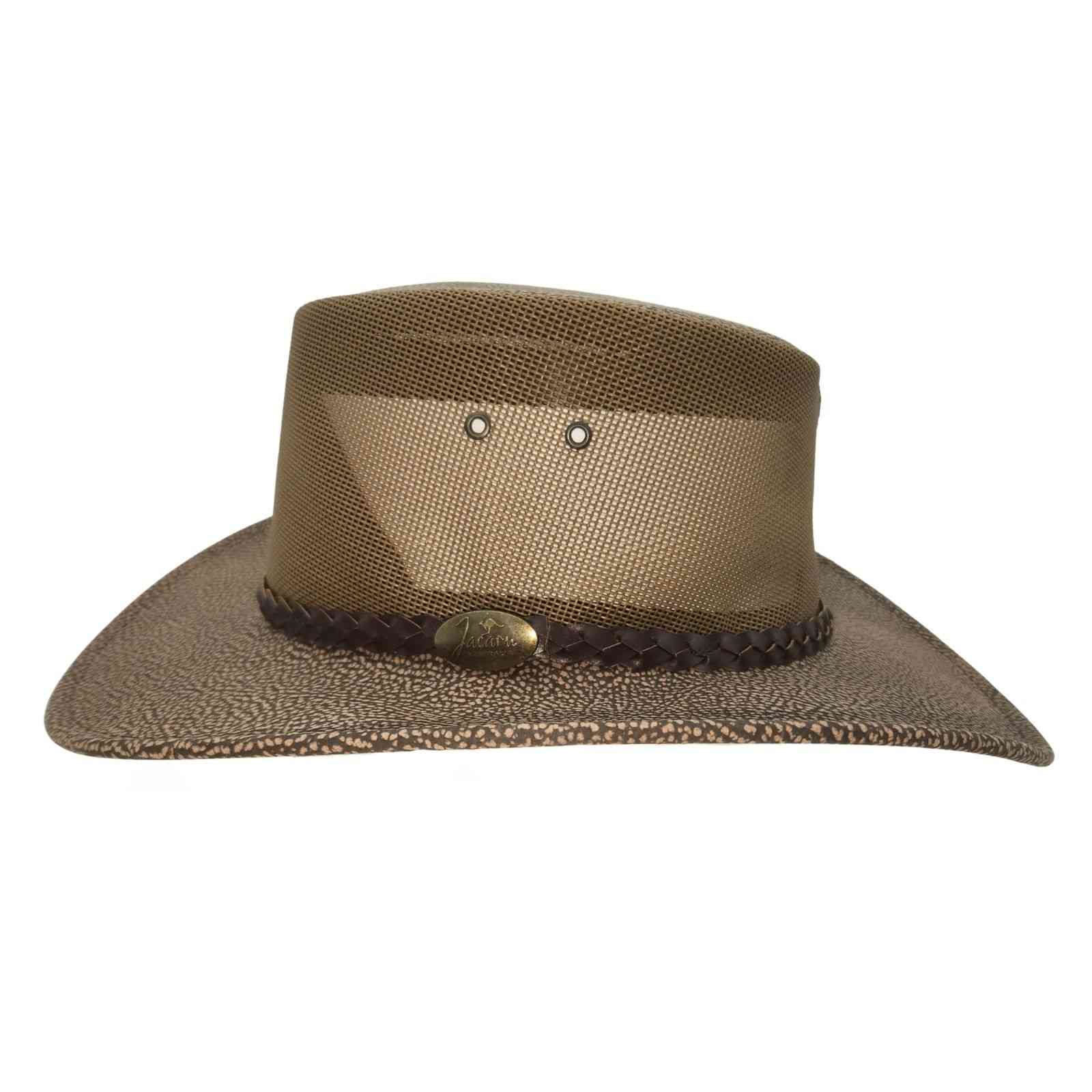
The outback hat is one of the most recognisable Australian souvenirs on the planet, and tourist shops are full of them. Most are bonded leather or synthetic, stitched together offshore, and designed to look the part for about a season before they fall apart.
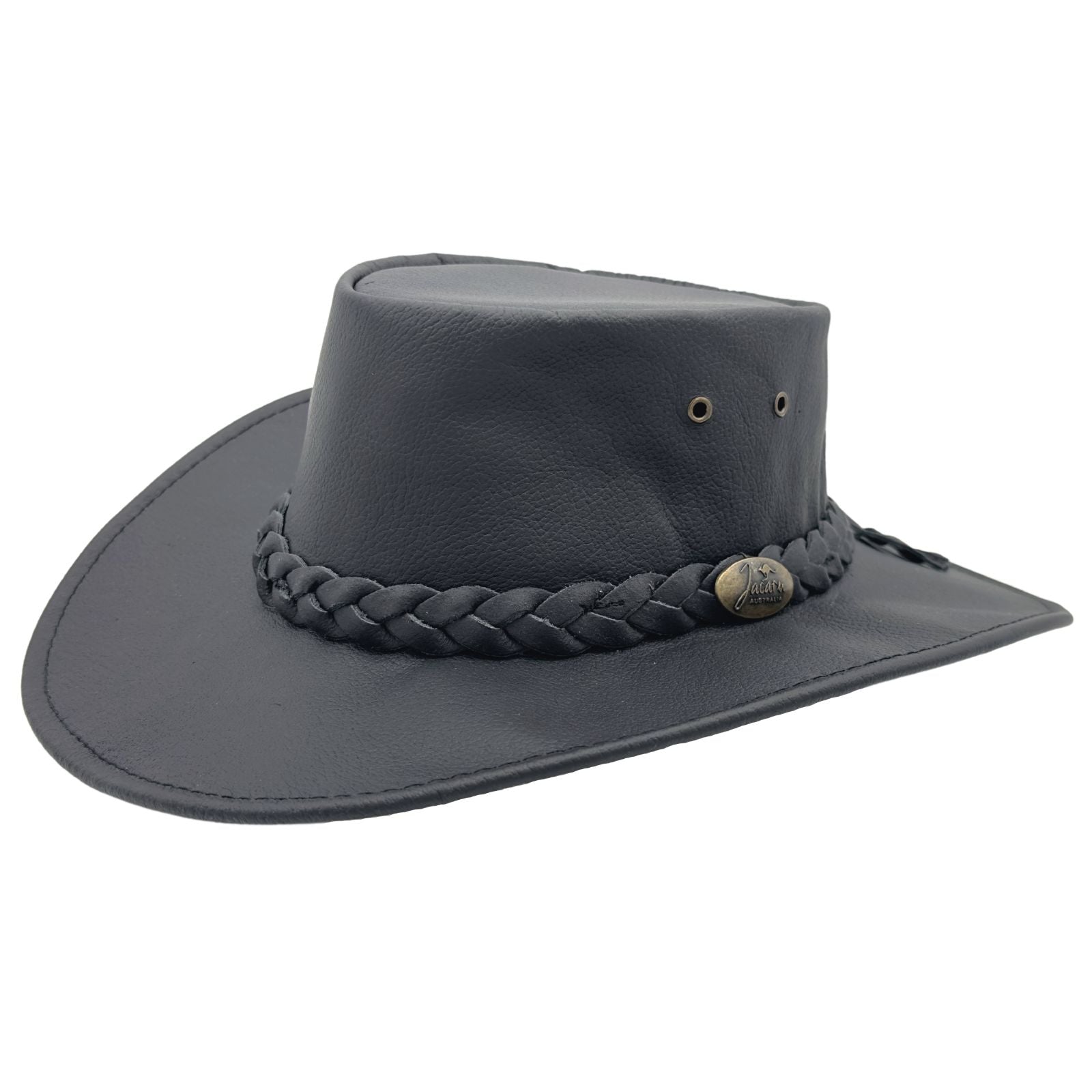
Genuine Australian leather hats use local hides: kangaroo, cowhide, or buffalo. Kangaroo leather is stronger by weight than cowhide and is only commercially produced in Australia, which makes it a reliable provenance marker in itself.
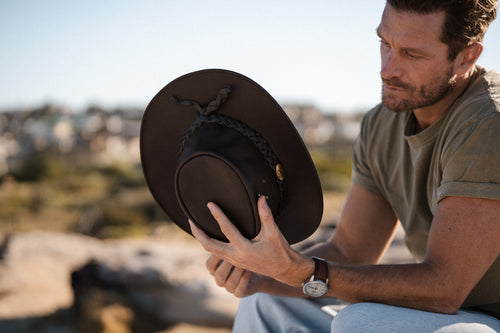
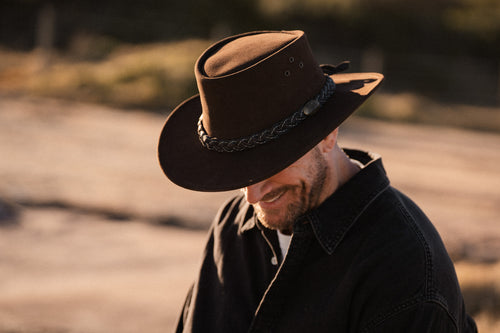
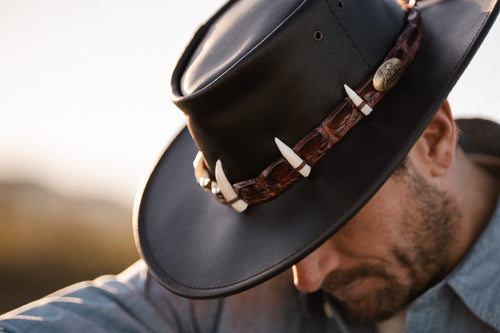
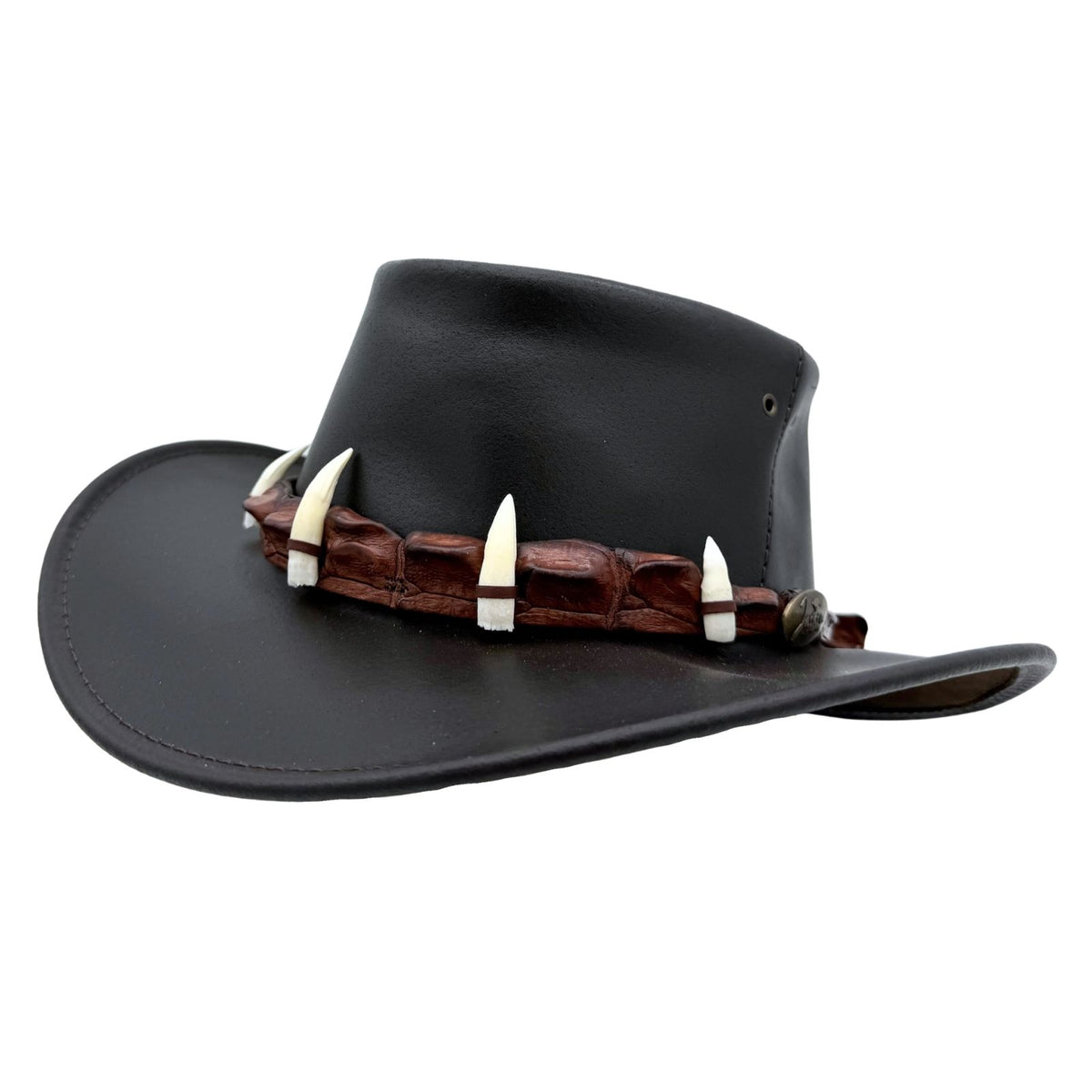
Jacaru makes outback hats in all three hides, including Crocodile Dundee-style hats fitted with genuine crocodile teeth and real leather backstrap hatbands, built in Australia.
What to avoid:
Hats priced under AUD 30 with no country of origin label
Tags that say "genuine leather" without specifying the hide type or source
Decorative teeth or band hardware made from plastic
A real Australian leather hat is not a shelf ornament. It is functional outdoor gear that lasts years, and that is the story worth handing someone.
Kangaroo Leather Keyrings and Small Goods
If a full leather hat is out of budget, kangaroo leather small goods are the next best thing, and in some ways a smarter pick for travellers who are already watching their luggage weight.
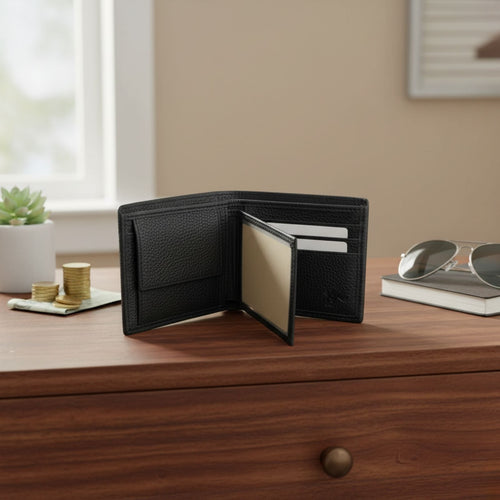
Kangaroo hide is uniquely Australian. No other country commercially produces it, and that exclusivity is backed by material science: kangaroo leather has the highest tensile strength-to-weight ratio of any commercially available leather, meaning a slim keyring or wallet punches well above its weight for durability.
Jacaru's kangaroo leather keyrings sit at the affordable end of the genuine Australian-made spectrum. They travel flat, cost a fraction of a hat, and still carry real provenance. That makes them an easy answer when someone needs a gift that actually means something without blowing the budget.
The catch: cheap imports frequently use dyed split leather or synthetic microfibre pressed to imitate kangaroo grain. It looks convincing on a shelf. After a few weeks of pocket wear, the difference becomes obvious.
One question cuts through the noise fast: ask the retailer where the hide was tanned. A genuine Australian kangaroo leather product has a short, traceable supply chain. The seller should answer immediately, without hesitation or a search through their phone.
First Nations Art and Craft
First Nations art carries more cultural weight than any mass-produced souvenir, and it is also the most heavily counterfeited souvenir category in the country, which makes buying it well genuinely important.
The Australian Government treats this as a consumer protection issue. When fake work is sold, money flows to offshore manufacturers instead of Aboriginal and Torres Strait Islander artists and communities. Generic dot-painting aesthetics, mass-produced in Asia, misrepresent living cultural traditions while the actual tradition-holders see nothing from the transaction.
The Indigenous Art Code sets the industry standard. Member retailers source work directly from Aboriginal Art Centres and must provide a Certificate of Authenticity naming the artist, their community, and the art centre. That certificate is not a nice-to-have; it is the cultural provenance of the piece.
Before buying, check three things: Indigenous Art Code membership from the seller, a Certificate of Authenticity, and a clear artist biography. If the seller cannot produce all three, the piece is not worth your money regardless of how good it looks on the wall. Walk away.
That same commitment to provenance and transparency is something Jacaru builds into every product, as you can read on our brand promise page.
Australian Wool and Sheepskin Products
Wool carries the same authenticity trap as everything else in this guide. Australia is one of the world's largest wool producers and exporters, which makes "Australian wool" easy to slap on a label. What that label often hides is that the raw fibre left the country, got processed and stitched into a product overseas, and came back wearing Australian branding. The wool may be genuine. The souvenir is not.
Sheepskin boots, wool felt hats, and ugg-style products are the main offenders. If the swing tag says "Australian wool" but has no country of manufacture statement, assume the worst and ask.
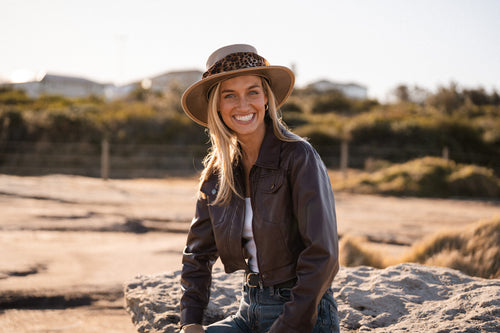
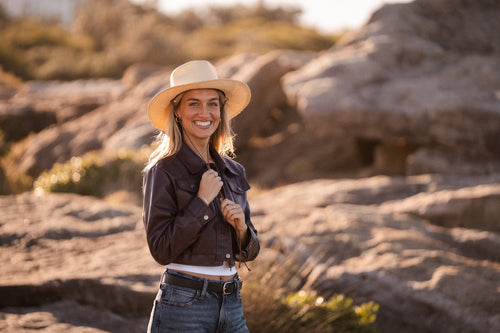
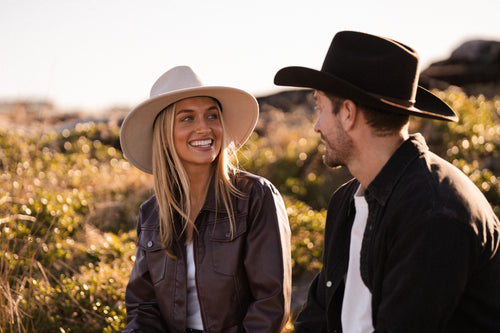
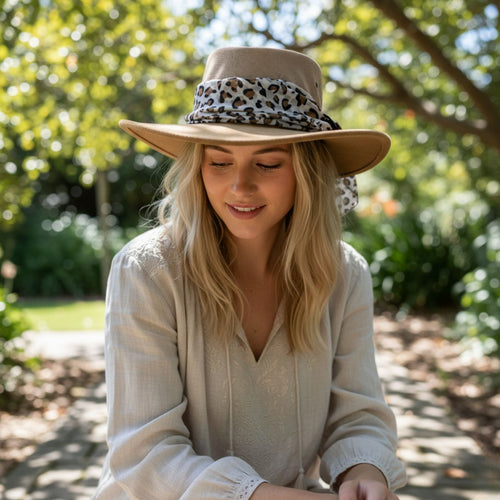
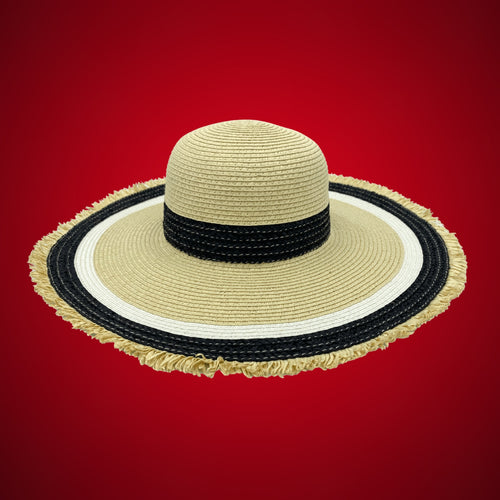
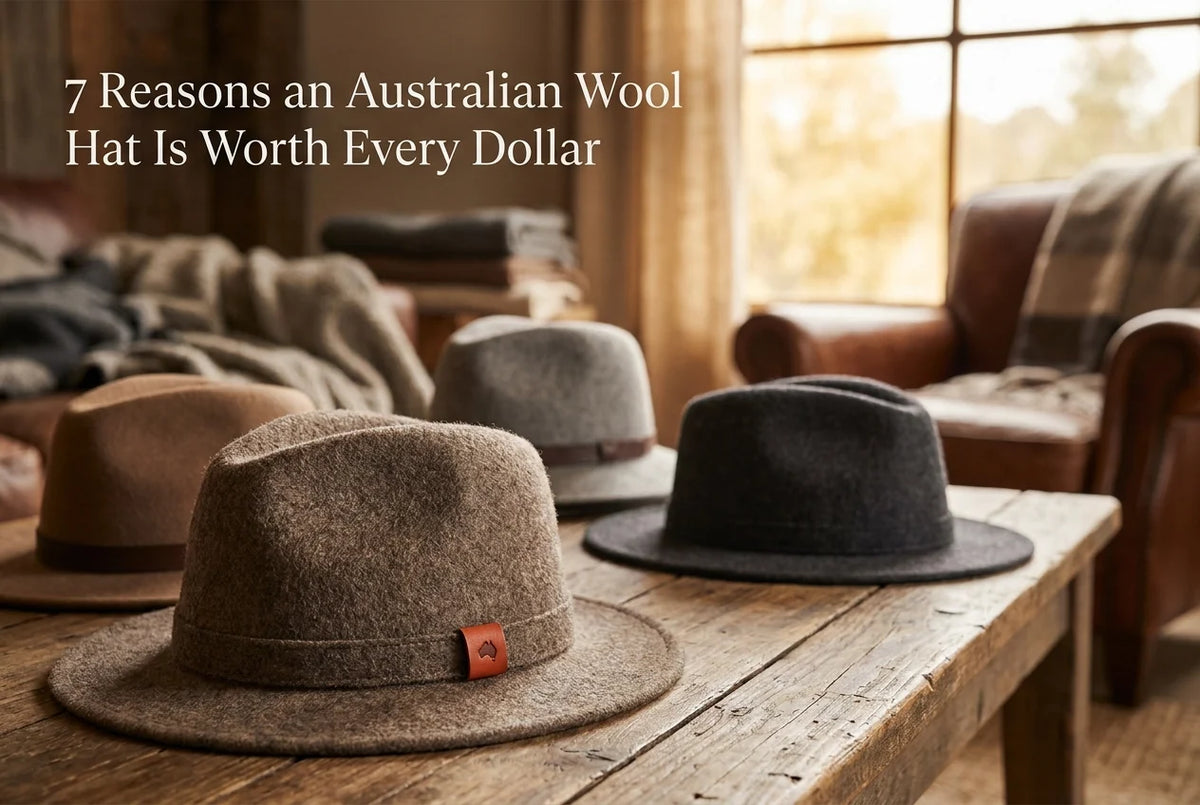
For outdoor lovers, global travellers and spirited adventurers, Jacaru's wool and straw hat range is worth knowing about. It sits alongside their leather line and is built to the same functional outdoor standard, just lighter. A good option if you want something genuinely Australian-made without the full weight of leather on a warm day.
Spotting the real thing is straightforward. Look for a tight, even finish with consistent density across the surface. Genuine domestic manufacture will carry a clear "Made in Australia" label, not "designed" or "inspired by." The price will reflect skilled local labour.
Pick it up and handle it. A quality wool product feels immediately different from a synthetic weave or loosely stitched import. Thirty seconds of handling tells you more than any label.

Native Australian Foods and Bush Tucker Products
Food is another category where Australia genuinely has something nobody else can offer. Ingredients like wattleseed, lemon myrtle, bush tomato, Davidson plum, and macadamia nuts are native to this country and grow nowhere else in meaningful commercial quantities. That makes them inherently provenance-rich, and excellent Australian gifts for overseas recipients who want something they simply cannot find at home.
The catch, as with leather and wool, is in the labelling. "Packaged in Australia" is not the same as grown and processed here. Some macadamia products and blended seasonings use imported ingredients repackaged with Australian-looking branding. The fix is simple: look for the green-and-gold Australian Made logo and read the fine print on country of origin before you buy.
Specialty food retailers and airport stores stocking certified products are generally reliable. Supermarket souvenir sections require more scrutiny; the branding often does more work than the contents warrant.
The practical case for food gifts is strong. They pack flat, survive checked luggage, carry a clear use-by date, and communicate Australian place and flavour more honestly than any stuffed koala ever could.
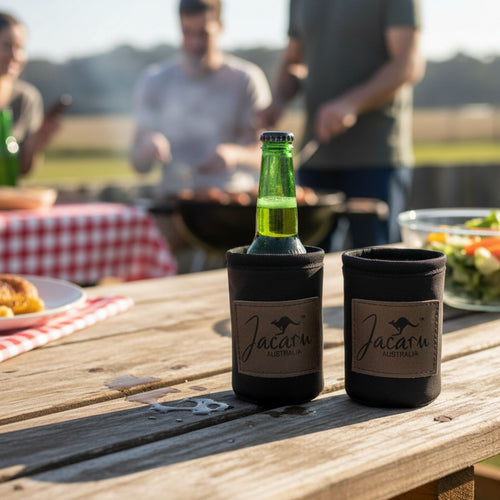
For a genuinely layered gift, pair a native food product with something from Jacaru's picnic and outdoor range. Two authentic touchpoints, one real story.
Australian Souvenirs That Are Almost Never Actually Australian
Now for the flip side. Not everything in a tourist shop is worth your money or your credibility.
Plastic boomerangs and cheap wooden didgeridoos are almost universally made overseas. They carry no cultural authenticity and no manufacturing connection to Australia whatsoever. Same goes for stuffed toy kangaroos, wombats, and koalas: if there is no country of origin label on the product, treat it as a near-certain import. Under Australian Consumer Law, that missing label is not just suspicious, it is a potential legal violation by the retailer.
Snow globes, landmark keyrings, and decorative plates featuring the Opera House or Uluru? Reliably offshore products, regardless of what the shelf display implies.
None of this makes them evil. Buy a plastic boomerang if it makes you laugh. Just do not hand it to someone overseas and call it a genuine Australian souvenir, because it is not. Consider kangaroo leather keyrings if you want something small, affordable, and actually made here.
The simple rule: if the price seems impossible for something handcrafted from real materials, it was not handcrafted from real materials.
Why Genuine Australian-Made Gifts Cost More (And Why That Is the Point)
So now you understand what an import actually is: something priced as if the making costs nothing, because it largely did.
Genuine Australian-made gifts cost more because the inputs are real. Domestic wages, locally sourced materials, and small-batch production all carry actual costs that a container of offshore-manufactured trinkets simply does not. That price difference is not a markup on sentiment; it is evidence that something was genuinely made here.
Consider a kangaroo leather hat built in Australia. Skilled craftspeople, Australian-tanned hide, and a supply chain compact enough that the maker can tell you exactly where the leather came from. Every step costs something. Every step is also traceable, which is precisely the point.
The same logic applies to authentic First Nations artwork. The premium over a mass-produced imitation is not decorative; it is a direct transfer of value to living artists and the cultural institutions that support them. Paying it matters.
The final reframe: genuine Australian souvenirs are not disposable. They are made to last and to be used, which shifts the question from "what is the cheapest thing I can grab before the flight" to "what will the recipient actually keep?"
A real product tells a true story for years. An import stops telling any story the moment the paint chips.
Where to Find Genuine Australian Made Souvenirs
So you know what's worth paying for. Now, where do you actually find it?
Buy direct from the maker wherever you can. Brands like Jacaru sell online and give you the full story: materials, manufacturing origin, and product history. A tourist shop shelf cannot offer any of that.
For First Nations work, look for retailers who are members of the Indigenous Art Code. For leather, wool, and food products, confirm the Australian Made logo is on the product or its packaging. That logo is a regulated certification mark, not something any printer can slap on.
Give high-traffic tourist zone gift shops a wide berth unless you are ready to ask pointed questions about manufacturing origin and get clear answers backed by labelling. Vague replies mean move on.
Farmers markets, regional craft fairs, and maker-direct online stores are reliably better sources of genuine Australian made gifts than airport retail, and the prices reflect it.
Before your trip, or when buying Australian gifts for overseas recipients from home, the Australian Made Campaign website has a searchable directory of certified products across every category. Worth bookmarking before you shop.
Bring Home Something Worth the Journey
Now you know where to look, here is the short version to take with you.
The checklist that matters:
Look for the Australian Made logo on the product or packaging
Read the maker's label; "designed in Australia" is not the same as "made in Australia"
Inspect the materials and ask where they came from
If the seller hesitates on basic provenance questions, walk away
Stick to categories with clear material stories: leather goods, wool products, First Nations art with a Certificate of Authenticity, and native food ingredients. These are the categories where genuine craftsmanship is verifiable and the difference between authentic and imported is obvious once you know what to handle.
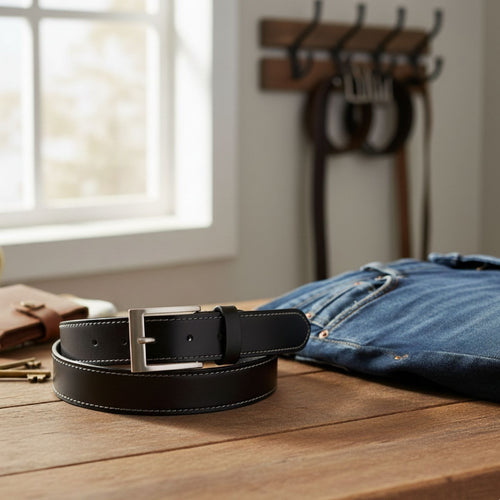
Buy direct where you can. Jacaru leather hats, kangaroo keyrings, and accessories are a solid benchmark for what genuinely Australian-made goods look, feel, and last like.
The best souvenir is never the one grabbed in a panic at the departure gate. It is the thing sitting on someone's shelf a decade later, still prompting the story of where it came from.
Australia makes extraordinary things. A little curiosity is all it takes to find them.
Conclusion
Genuine Australian souvenirs exist in every price range, but finding them requires knowing what to look for. The Australian Made logo, honest maker's labels, and direct provenance questions are your three non-negotiable filters before any purchase.
Stick to the categories that deliver on authenticity: leather goods, wool and sheepskin products, First Nations art with certification, and native food ingredients. These are where real craftsmanship lives.
Avoid airport impulse buys and unlabelled generic gifts. The markup rarely reflects quality, and the origin rarely reflects Australia.
Before your next trip or purchase, bookmark the Australian Made Campaign directory and use it. Five minutes of research separates a forgettable trinket from something genuinely worth giving.
Australia produces remarkable, world-class goods. The only thing standing between you and them is knowing where to look. Now you do.


Our friends at Bocchetta Plush Toys have a great range of lifelike plush animals that make great gifts for people of all ages.