






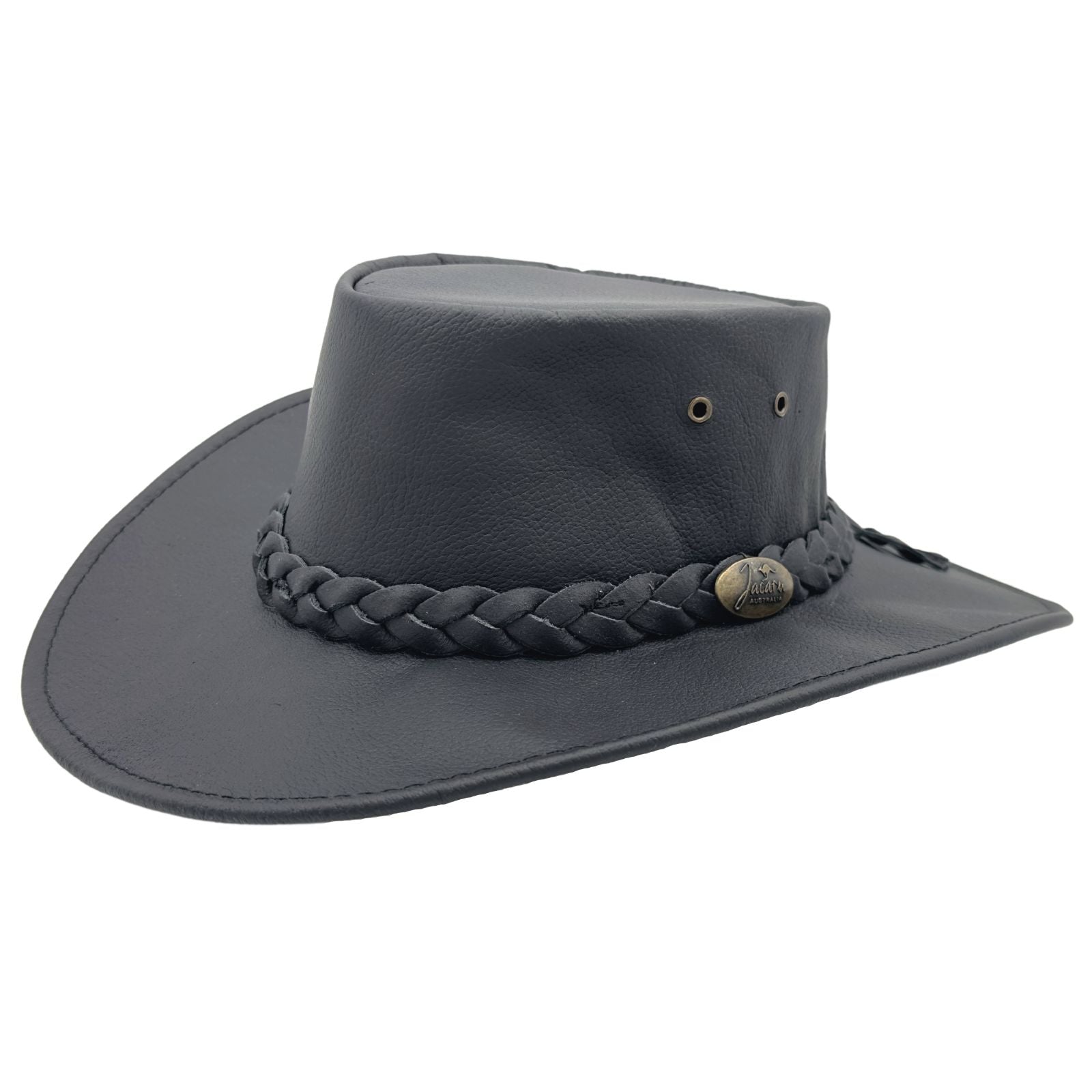


How to Choose a Children's Cowboy Hat They'll Actually Wear

Picture this: you buy the most adorable children's cowboy hat you can find, bring it home, and your little one refuses to wear it after five minutes. Sound familiar? You are definitely not alone in this struggle.
Picking the right children's cowboy hat is actually trickier than it looks. Between sizing, materials, style preferences, and durability, there are a lot of factors that can make or break whether your kid actually keeps that hat on their head or tosses it aside the moment you look away.
The good news is that choosing a hat your child will genuinely love does not have to feel overwhelming. Whether you are shopping for a costume, a special occasion, or just because your little one has decided they are a full-time cowboy, this guide has you covered.
We put together a simple list of tips to help you find the perfect fit without the guesswork. By the time you finish reading, you will know exactly what to look for so you can shop with confidence and end up with a hat your child will actually want to wear.
Cowboy Hat or Outback Hat? Why the Distinction Matters for Kids
When parents type "children's cowboy hat" into a search bar, they usually get back one of two things: a costume piece for a dress-up party, or a fashion accessory inspired by Western movies. What they often don't find is a hat built to genuinely protect a child's face, neck, and ears during real outdoor adventures. That's where understanding the difference between a cowboy hat and an Australian outback hat becomes genuinely useful.
The two styles look similar at a glance, but they serve different purposes. The classic cowboy hat vs outback hat comparison shows that the American cowboy hat features a rounded, pinched crown and a curved brim shaped largely by rodeo culture and cinema. The Australian outback hat, by contrast, has a broader, flatter brim and a structured crown engineered for surviving brutal UV exposure, wind, and rain in one of the world's harshest climates. One evolved for performance and tradition; the other has increasingly drifted toward fashion and costume territory.
This distinction matters more for children than for adults. The key differences between outback and cowboy hat styles confirm that the outback hat's flat, wide brim casts a broader shadow and holds its shape in wind and rain far better than lightweight costume alternatives. For kids playing outdoors, hiking, or attending school events in sunny climates, that functional edge is significant.
The global cowboy hat market is booming, valued conservatively at around USD 1.2 billion and growing steadily through the intersection of Western wear, streetwear, and mainstream fashion. But growing market size doesn't automatically mean growing quality for children's options. Most children's Western hats on the market are framed around style and dress-up occasions rather than genuine sun protection or outdoor durability.
That's exactly the gap Jacaru fills. As an Australian maker with genuine heritage behind every hat, Jacaru's children's outback hats are built to the same craftsmanship standards as their adult range, using premium leather and straw rather than fast-fashion synthetics. No major Western hat brand, including the well-known American labels, brings an authentically Australian provenance story to children's sizing. For parents who want the real thing, that's a meaningful difference worth knowing about.
Getting the Fit Right: Children's Hat Sizing Explained
Getting the right fit is honestly one of the most important things to get right when buying a children's cowboy hat, and it's easier than most parents think. Here's a simple starting point: measure your child's head with a soft tape measure, wrapping it around the widest part of the head, about one centimetre above the ears and across the mid-forehead. Write down that number in centimetres, and use it as your guide. As a rough reference, toddlers aged around 2 to 4 years typically measure 48 to 50 cm, junior children aged 4 to 8 years usually fall between 50 and 53 cm, and older children aged 8 to 12 years generally measure 53 to 55 cm. That said, these ranges are averages. Two children the same age can easily differ by several centimetres, so always measure first rather than guessing from the age label on the tag. This kids hat size guide explains the same principle clearly, and the youth and kids hat size chart at MFG Merch offers a handy reference if you want to double-check your numbers.
One feature worth looking for in any children's hat is an adjustable inner hatband or sweatband. Children's heads grow quickly, sometimes several centimetres within a single year, and a good adjustable band means you are not immediately buying again next season. Sweatbands also serve a comfort purpose, wicking moisture away from the forehead during active outdoor play and helping the hat sit securely on the head without sliding.
Here is something that trips up a lot of parents: buying a size up to "grow into" sounds practical, but it actually works against you. An oversized hat sits too low, reducing the brim's ability to shade the face, ears, and neck properly. For active kids running around outdoors, an ill-fitting hat simply blows off. It defeats the whole purpose of putting a hat on in the first place.
Quality internal construction makes a real difference over time. Budget hats often use thin synthetic inner bands that compress and lose shape after a few washes, leaving you with a hat that fits poorly within months. Jacaru's children's hats are built with durable internal construction that maintains shape and sizing integrity through seasons of consistent outdoor use. That longevity is part of what makes a quality hat genuinely better value.
Finally, fit is not just about circumference. The material touching your child's skin matters too. Synthetic inner linings can trap heat and cause irritation, particularly in warm Australian climates. Natural materials like straw, wool felt, or leather breathe far better against children's skin, making a noticeable difference during long days spent outdoors.
Sun Protection Is Non-Negotiable: What to Look for in a Kids' Hat Brim

If you've already sorted sizing, the next thing that genuinely matters for Australian kids is how much sun protection that brim is actually delivering. This isn't a style conversation. Australia's UV levels are consistently high enough that sun protection is recommended by health authorities whenever the UV index hits 3 or above, and in many parts of Australia, that threshold is reached for most daylight hours during summer. In northern regions, it's a year-round reality. Young children have sensitive skin that can burn quickly even on overcast days, and childhood sun exposure is a primary risk factor for melanoma in adulthood. The hat brim your child wears outdoors is doing real health work, not just finishing off an outfit.
How Wide Does the Brim Actually Need to Be?
According to Cancer Council Australia's SunSmart programme, the minimum recommended brim width for children aged 3 to 12 is 6 centimetres, measured all the way around the hat. That 6 cm threshold is the point at which a brim starts meaningfully shading the face, ears, neck, and cheeks during active outdoor movement. Caps and visors, by contrast, cannot earn or display a UPF rating under Australian Standard AS 4399:2020 because they simply don't cover enough of a child's head. A broad-brim cowboy-style hat that meets or exceeds that 6 cm measurement sits firmly in the sun-protective category. Aiming for 6 to 7 cm gives you a practical buffer, especially for kids who are running, bending, and looking around constantly. You can find detailed sun protection guidance for children's hats via SunSmart directly from Cancer Council Australia.
Material Density Is Where Many Hats Fall Short
Brim width alone doesn't tell the whole story. The material the hat is made from determines how much UV actually passes through to your child's skin. Under the UPF testing framework, a material rated UPF 30 blocks around 96.7% of UV radiation, while UPF 50 and above is considered excellent protection. The key is density and construction. Dense, tightly constructed natural materials, such as quality straw or full-grain leather, block UV effectively because there are minimal gaps for radiation to penetrate. Thin or loosely woven materials, whether natural or synthetic, lose much of their protective value regardless of how wide the brim is. Leather is particularly effective because it's a solid, structured material with no weave gaps at all. Tightly woven straw offers the added benefit of ventilation alongside solid coverage, making it well suited to hot outdoor environments like beaches and farms.
Fit and Sun Protection Work Together
A hat that flies off in a sea breeze or gets pulled off during play offers exactly zero protection. For active children, an adjustable chin strap or drawstring isn't optional; it's what keeps the hat doing its job. SunSmart specifically recommends hats that are practical and easy to keep on without interfering with activities. A well-fitted hat that stays in place throughout a beach afternoon, a school sports day, or a farm visit is infinitely more effective than a technically superior hat that ends up in a child's hand.
Jacaru's straw and leather children's styles are built with exactly these environments in mind. The structured natural materials maintain their shape and coverage whether your child is at the beach, on a farm, or travelling through the outback, making them a genuinely practical choice for Australian outdoor life rather than just a charming aesthetic one.

Straw, Leather, or Wool Felt: Choosing the Right Material for Your Child
Once you've got the size and brim sorted, the next big decision comes down to material. And honestly, this one matters more than most parents expect, because the material affects everything from how cool your child stays to how long the hat actually lasts.
Straw: The Go-To for Hot Australian Days
If you're buying a hat for a beach holiday, a summer farm visit, or any outdoor adventure in the warmer months, straw is your starting point. Natural straw is lightweight, breathable, and genuinely good at letting air circulate around your child's head, which makes a real difference when temperatures climb. Unlike synthetic straw alternatives made from polypropylene or paper, natural straw fibres hold their shape well and develop a lovely character over time rather than becoming brittle or faded. It's a timeless summer material that suits active kids who need comfort without bulk. One practical tip: straw hats can run slightly larger than felt, so measure carefully before ordering. You can read more about the different types of straw cowboy hats to understand how natural versus blended fibres compare.
Leather: Built for the Genuinely Adventurous Kid
For children who are hard on their gear, leather is in a different category entirely. Jacaru uses kangaroo and buffalo leather, both of which are supple, strong, and designed to handle real outdoor conditions without cracking or losing shape. What makes quality leather special is that it doesn't deteriorate the way cheaper materials do; it actually develops a rich patina with age and wear, which means the hat looks better the more it gets used. A good leather children's cowboy hat from a premium maker is genuinely a long-term piece, not something you replace every season. For a deeper look at how different western hat materials stack up, this complete guide to western hat materials is worth a read.
Wool Felt: The Cooler-Climate, Dressier Option
Wool felt has its place, but that place isn't an Australian summer. It's a warmer, more structured material that suits cooler climates, special occasions, or a dressier country-style look. If you're buying a gift for a child in Victoria's high country or looking for something polished for a school event or family photo, wool felt delivers a refined appearance that straw and leather don't quite match. Just keep it away from heavy outdoor activity and hot days, because it holds heat and doesn't breathe the same way.
The Sustainability Reason to Choose Natural Materials
There's an environmental argument worth mentioning here. Straw, leather, and wool are all natural, biodegradable materials. Synthetic fashion hats made from polypropylene or plastic-based fibres are petroleum products that contribute to textile waste when they're discarded. A quality natural-material hat that lasts several seasons generates far less waste than cheap synthetic versions replaced every summer. It's a practical sustainability choice, not just a philosophical one.
The simple self-selection guide for parents:
Beach holiday or hot summer outing: choose straw
Farm stay, adventure trip, or rough outdoor use: choose leather
Special occasion, cooler climate, or meaningful gift: choose wool felt
Why a Quality Hat Outlasts Cheap Alternatives (and Saves Money Long-Term)
Here's something worth thinking about before you reach for the cheapest option on the shelf: how many hats will you actually buy over the next four years?
Budget straw and felt hats might look fine in the shop, but they're typically made from synthetic blends or loosely woven straw that starts losing its shape after a few weeks of real use. A season of outdoor play, beach trips, and school events is often enough to leave a cheap hat faded, misshapen, and unwearable. You end up replacing it the following summer, then the summer after that, spending again and again on something that never quite does the job properly.
The global cowboy hat market is actually divided into distinct quality tiers: economy, mid-range, and premium. What's interesting is that the premium segment isn't just about charging more. It's driven by craftsmanship, material quality, and construction that genuinely holds up over time. Handmade cowboy hats built from quality materials reflect real skill and structural integrity, not just a higher price tag.
This is where the cost-per-wear argument becomes very practical for parents. A quality children's hat bought for a higher upfront price but worn actively across three to four years of outdoor adventures, family events, and school activities can work out significantly cheaper per use than a budget hat replaced every twelve months. The maths genuinely favours buying better once.
There's also a dimension that goes beyond money. Buying fewer, better quality children's items means those items can be passed down to younger siblings or kept as keepsakes from childhood. A well-made hat that still looks great after years of wear becomes something worth holding onto, which is especially meaningful when it was bought as a gift for a birthday or a special occasion.
Jacaru's Australian-made hats are built on exactly this foundation. Using premium natural materials including leather, wool, and straw, and manufactured to quality standards refined over decades, they're designed for the kind of active, outdoor childhood that Australian kids actually live. That's the difference between a hat you replace every year and one that genuinely lasts.
Children's Outback Hats as Gifts: Birthdays, Christmas, and Australian Souvenirs
A children's outback hat sits in a genuinely interesting gift category: it is practical, durable, and carries a story that a generic toy simply cannot match. For birthdays and Christmas, that combination is surprisingly hard to find. Most gifts for kids either get forgotten within weeks or outgrown before the year is out. A quality outback-style hat, made from real leather or straw with authentic Australian heritage behind it, is the kind of thing a child actually wears, remembers, and sometimes holds onto for years.
A Better Option for International Souvenir Buyers
If you are travelling to Australia, or if you are a grandparent or family friend trying to find something genuinely Australian to send overseas, the outback hat deserves serious consideration. Mass-produced kangaroo plush toys and generic souvenir magnets are everywhere. A children's hat that is actually designed and made in Australia, with a real story attached to it, is a far more distinctive choice. Search platforms like Etsy show active demand in a category labelled "australian outback hat kids", which confirms people are actively looking for exactly this type of gift. The gap is in finding a brand that delivers consistent quality alongside that authenticity.
Practical Tips for Gifting a Hat When You Are Unsure of Size
Sizing is the one thing that puts people off gifting hats, and it really does not need to. Jacaru's 1301 Children's Hat fits a 52 cm head, which typically covers ages two to five, meaning a single size covers roughly a three-year window. For older children, styles are available in Small (54/55 cm). When you genuinely cannot confirm sizing, look for options with an adjustable band or include a simple note with the gift asking the recipient to measure around the widest part of their head, just above the ears. A tape measure takes seconds and avoids the need for guesswork entirely.
Why Jacaru's Range Works for the Gift Market
Jacaru's identity is built around Australian provenance, with the brand name itself drawing directly from the 19th-century Queensland tradition of the jackaroo. That heritage framing translates well to the gift and souvenir market, where the story behind a product matters as much as the product itself. The range includes multiple children's styles, gift cards, and a brand presentation that feels considered rather than generic. Notably, no major global brand currently frames children's outback hats specifically as Australian souvenirs or seasonal gifts, which gives Jacaru a positioning that is genuinely its own.
How to Style a Kids' Outback Hat for Adventure, Travel, and Every Day
So you've got the right hat, the right fit, and a material that suits the season. Now comes the fun part: actually wearing it. Here are five easy ways to style a kids' outback hat that go well beyond dress-up day.
1. Outdoor Adventures and Farm Days
For bush walks, farm visits, and outdoor school events, pair a leather or straw outback hat with sturdy shorts, a breathable cotton shirt, and closed-toe shoes. The wide flat brim does real work here, shading the face, neck, and ears during long stretches outdoors. A leather outback hat handles rough conditions particularly well; it won't lose its shape if a kid tosses it on the ground between activities. Think of it less as an accessory and more as functional gear that happens to look great.
2. Beach and Summer Travel
A straw outback hat is a natural match for beach days and poolside holidays. Pair it with a rashie, board shorts, or a casual sundress and you've got a complete summer look that also delivers genuine UV coverage. Unlike a standard bucket hat, the structured brim of a straw outback style stays in place and provides consistent shade across the face and shoulders. For Australian summers especially, that extra coverage matters.
3. Theme Days and Special Occasions
A well-made outback hat immediately elevates a simple outfit for cultural events, school theme days, or family photos. Pair it with a plain shirt and jeans and the hat does all the heavy lifting. A quality hat sits differently and reads differently from a novelty costume piece; parents who've been caught with a floppy, ill-fitting hat in a family photo will know exactly what that difference looks like.
4. Travel and Souvenir Wear
A child wearing an Australian outback hat while travelling internationally carries a recognisable piece of Australian identity with them. According to this Australian outback hat maker, the style draws genuine admiration from international audiences, which makes it a meaningful travel purchase rather than a disposable souvenir.
5. Everyday Streetwear
As of 2026, the cowboy and outback hat aesthetic is firmly mainstream. Children wearing these styles today are fashion-forward, not costume-dressed. Pair an outback hat with everyday casual clothing, a basic tee, shorts, or sneakers, and the hat reads as a confident style choice rather than a novelty. The crossover from Western wear into everyday streetwear means kids can wear these hats to school pick-up, weekend markets, or casual outings without a second thought.
Quick Buying Checklist: What to Confirm Before You Purchase
Before you click "add to cart," run through this quick checklist. It takes about five minutes and will save you a frustrating return or a hat that sits unworn on a shelf.
Measure the head circumference first. Wrap a flexible tape measure around the head, roughly one finger-width above the eyebrows, and note the number in centimetres. Then cross-reference that measurement against the specific brand's sizing chart, because "youth medium" is not a universal standard. Sizes vary noticeably between brands, so checking the chart every single time is worth the extra minute.
Confirm the brim is at least 6 cm all the way around. A narrow brim looks stylish but offers minimal shade for little faces, ears, and the back of the neck during outdoor activity.
Check the material label. Natural straw, leather, or wool felt will outlast synthetic alternatives and offer better breathability in warm conditions. If the tag does not specify the material clearly, that is usually a sign it is not premium.
Look for an adjustable inner band. This matters especially for gifts or fast-growing kids. A foam insert or adjustable sweatband adds a full size of flexibility without compromising fit.
Read the returns and exchange policy before purchasing online. Sizing errors happen even when you measure carefully, so confirm a replacement size is available and the return window is reasonable. For a practical starting point on what to look for, this guide to buying cowboy hats for children covers several practical fitting tips worth bookmarking.
Finding the Right Hat for Your Child
By this point, you have everything you need to make a confident decision. Get the fit right by measuring your child's head before buying. Prioritise a brim wide enough to deliver genuine sun protection across the face, neck, and ears. Match the material to how and where the hat will actually be used, whether that is natural straw for a hot Australian summer or wool felt for cooler months. And weigh up durability against cost, because a hat built from quality materials will outlast several cheap alternatives and cost less over time.
For parents who want a hat that does real outdoor work rather than sitting in a costume box, an authentic Australian-made option from Jacaru's children's range offers something a budget costume cowboy hat simply cannot. These hats are built for genuine outdoor conditions, with materials and construction that hold up across seasons of active use.
Gift buyers will find Jacaru's children's and souvenir range a practical and distinctive starting point. An Australian-made hat carries heritage and craft credentials that mass-produced alternatives cannot replicate, and it is the kind of gift that actually gets worn.
With the right fit and the right materials, a quality children's outback hat earns its place year after year.
Conclusion
Finding a children's cowboy hat they will actually wear comes down to a few simple priorities: getting the right size, choosing comfortable materials, letting your child have a say in the style, and picking something durable enough to survive real kid energy.
When you check all of those boxes, you stop wasting money on hats that end up forgotten in a corner and start creating memories your little one will actually enjoy.
Now it is time to put these tips to work. Head to your favorite store or browse online with your child by your side, use what you have learned here, and find the hat that makes their face light up. The perfect children's cowboy hat is out there waiting, and with the right approach, your little cowboy or cowgirl will be riding off into the sunset in style.


Our friends at Bocchetta Plush Toys have a great range of lifelike plush animals that make great gifts for people of all ages.