






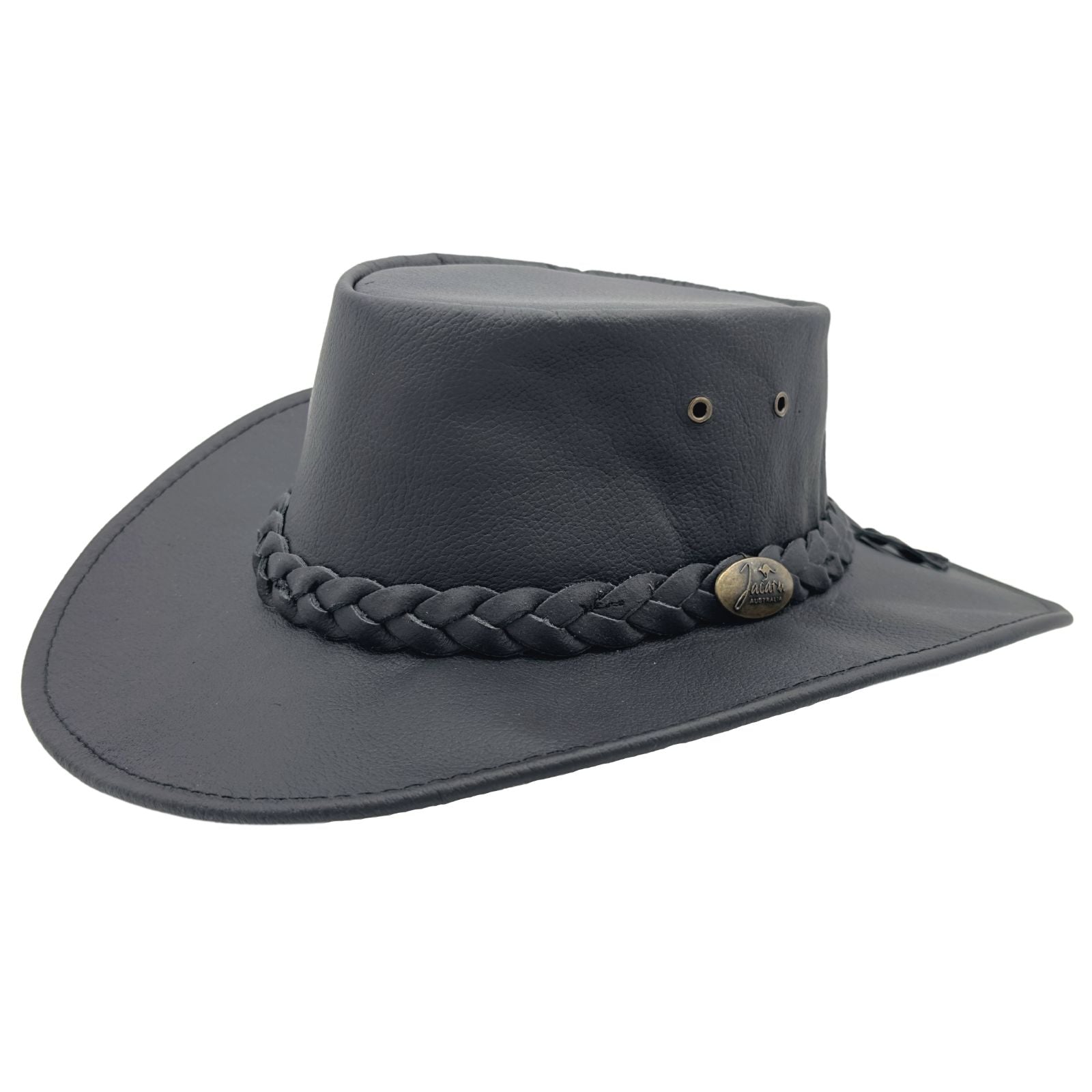


Kangaroo Leather Hats vs. Cowhide and Buffalo: Which Is Right for You?

Not all leather hats are created equal, and if you've spent any time researching your next serious hat purchase, you already know that. The kangaroo leather hat has earned a reputation as one of the most durable, lightweight options on the market, with some manufacturers boldly claiming kangaroo hide is the strongest leather in the world. But does that claim hold up when you put it head-to-head against traditional cowhide and buffalo leather?
That's exactly what this guide is here to answer. We'll break down what makes kangaroo leather genuinely different at a material level, compare it directly against its two biggest competitors across categories like weight, durability, and shape retention, and be upfront about where kangaroo leather falls short. You'll also find practical guidance on choosing the right hat for your specific use case, how to care for and size your hat properly, and why Australian-sourced kangaroo leather carries a compelling sustainability story. By the time you finish reading, you'll have everything you need to make a confident, informed decision on your next leather hat.
What Makes Kangaroo Leather Unique
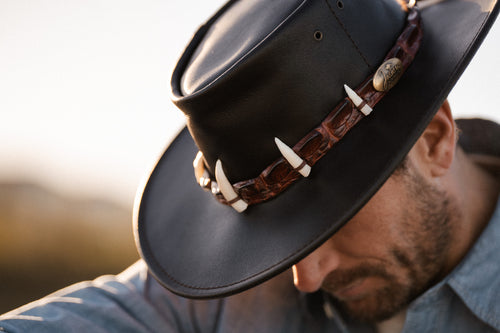
Kangaroo leather is widely regarded by makers and wearers as punching above its weight, achieving notable durability at thinner gauges than cowhide or buffalo hide.

That structural efficiency translates directly to weight. A kangaroo leather hat sits noticeably lighter on the head than a comparable cowhide style, and that difference compounds across a full day outdoors or a long international flight. Less weight means less fatigue, which matters when you are wearing a hat for work rather than photographs.
The grain surface reinforces the material's practical credentials. Kangaroo leather has a distinctly tight, fine grain surface, smooth and firm to the touch compared to the softer, more yielding feel of cattle hide.
On sourcing, Australian kangaroo leather stands apart from most imported alternatives. Every hide used in commercial production comes from animals harvested under the Australian Government's National Code of Practice, a mandatory framework enforced across six states and territories under the EPBC Act. That federal-state oversight creates traceable, government-verified supply chains that imported leathers rarely match. For buyers who care about where materials come from, Jacaru's commitment to sustainable Australian sourcing is a verifiable position, not a marketing claim.
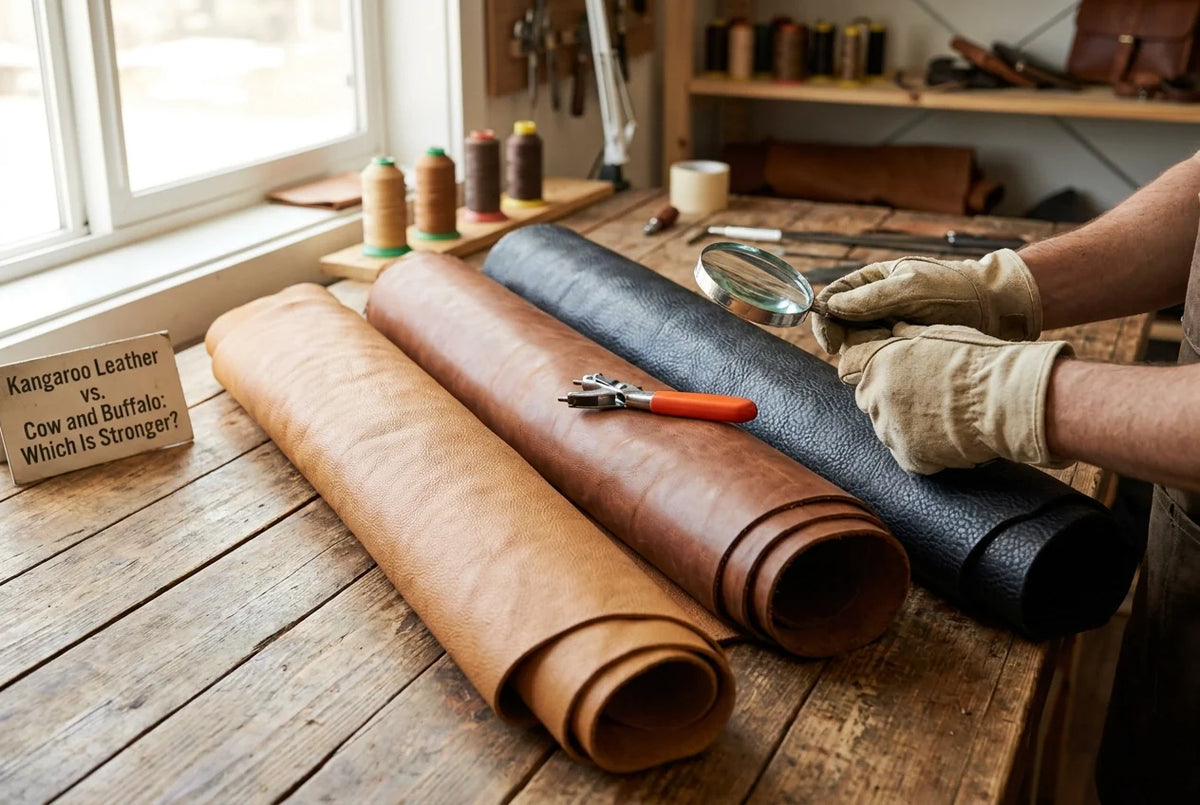
Kangaroo vs. Cowhide vs. Buffalo Leather: Side-by-Side
Those unique fibre properties translate directly into measurable performance differences when you place all three leathers side by side.
Weight is where kangaroo leather makes its clearest case. Hats made from kangaroo hide run noticeably lighter than equivalent cowhide styles, a difference you feel acutely after several hours on the trail or moving through airports. For long-haul travellers and outdoor workers, that reduction in carry weight is practical, not cosmetic.
Durability splits across different strengths. Kangaroo leather is valued for its ability to maintain a clean finish at lighter gauges, a meaningful advantage for everyday wear. Buffalo leather sits at the opposite end of the spectrum: thicker, stiffer, and built for serious punishment. It handles extreme weather and rough abrasion better than either alternative, making it the logical choice for heavy-duty workwear. The trade-off is real weight and stiffness that causes fatigue during long wear.
Cowhide occupies the accessible middle ground. It is the most widely available option, carries the lowest price point, and breaks in faster with a softer feel from the start. The limitation is long-term resilience; cowhide is the most accessible starting point, though many wearers find kangaroo or buffalo holds up better over the long term.
On price, kangaroo leather commands a premium over cowhide, reflecting regulated Australian sourcing and genuine material scarcity. Buffalo leather sits at a comparable or slightly higher price depending on the manufacturer.
For a deeper breakdown of how these materials compare across construction styles, Outback Kangaroo Hat vs. Other Materials: What to Know Before You Buy covers the key considerations before you commit.
The Shape Retention Question: What You Need to Know
That weight advantage comes with one structural trade-off worth understanding before you buy.
An unsupported brim will flex and droop under its own weight without reinforcement built into the hat. This is not a material defect; it is a physical property that follows directly from the hide's lighter gauge. The problem only arises when a manufacturer relies on the leather's natural stiffness alone to hold the brim's shape.
What reputable construction looks like
Quality manufacturers resolve this through internal brim liners, stiffening agents, or reinforced hatbands that lock the brim geometry without adding meaningful weight. The result is a hat that holds its shape across extended outdoor use while keeping the lightweight advantage intact. The fix is well-established; the question is simply whether a given hat includes it.
Before purchasing any kangaroo leather hat, confirm that the product uses structured brim construction. Ask the retailer directly, or check the product description for references to internal liners or reinforced brim construction. If neither the listing nor the retailer can answer the question, treat that as a warning sign.
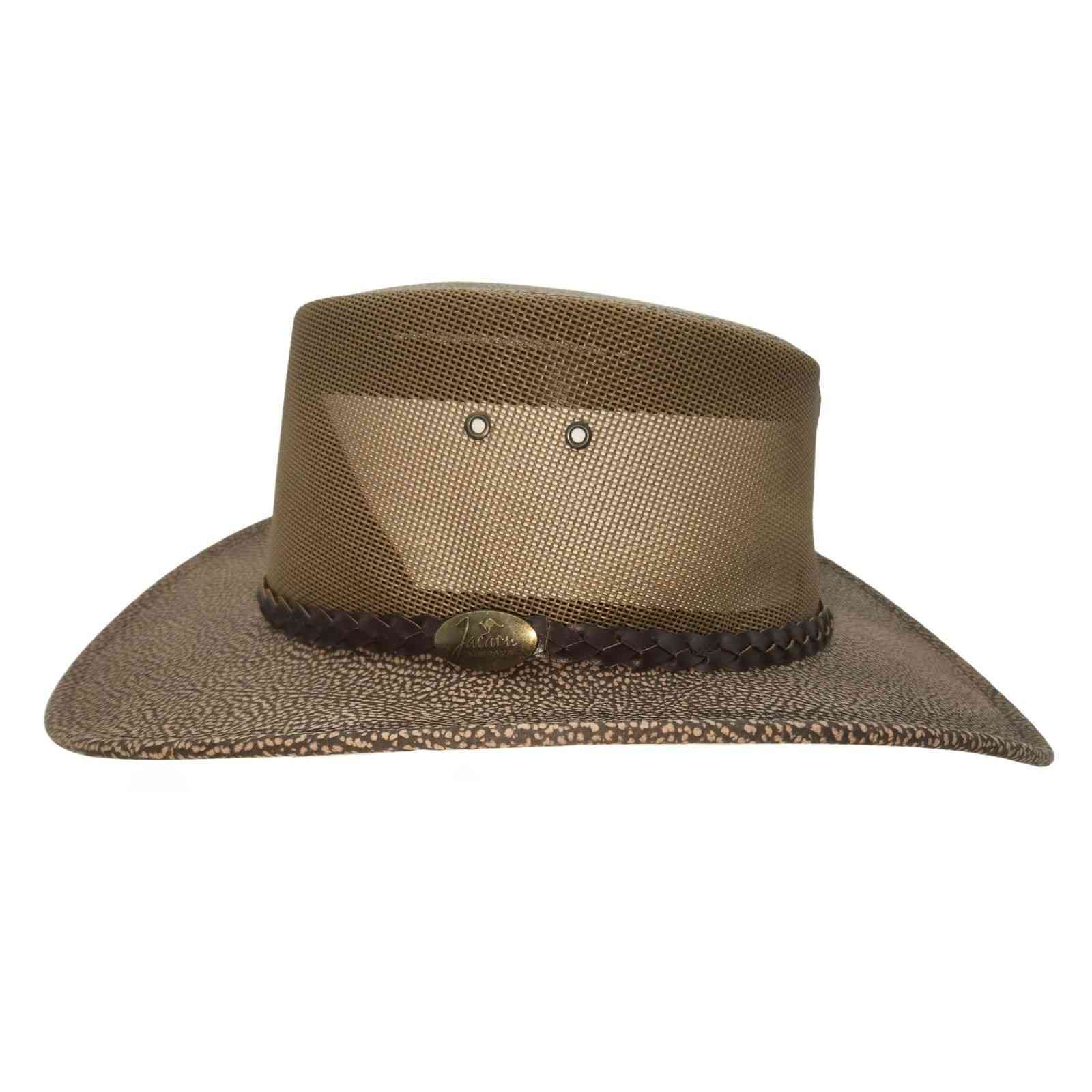
Jacaru's kangaroo leather hats are built with this reinforcement in mind, a reflection of the company's focus on Australian-made quality. That engineering directly addresses the floppy brim concern that stops many first-time buyers from committing to the material.
A manufacturer who acknowledges this limitation and explains how their construction addresses it is demonstrating transparency, not exposing a weakness. Use it as a quality checkpoint when comparing options, not as a reason to walk away from the material altogether.
Which Hat Is Right for Your Use Case
Once you've confirmed that your chosen hat includes proper brim reinforcement, the next question is straightforward: which buyer profile are you?
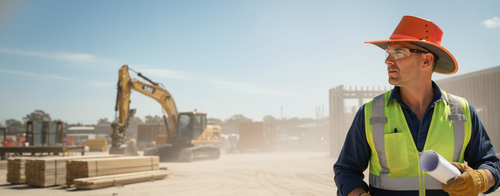
Outdoor workers and serious adventurers get the clearest case for kangaroo leather. The strength-to-weight advantage means a hat that holds up to full days in the field without adding fatigue to the equation. For anyone spending long hours in the sun, a lighter hat worn all day outperforms a heavier one taken off.
Frequent travellers benefit from the same lightweight profile, plus the practical resilience of a structured leather hat, which travels more durably than straw or unsupported fabric alternatives.
Gift buyers will find kangaroo leather carries a story that generic souvenirs cannot match. Regulated Australian harvest, sustainable practice, and genuine local craftsmanship make the provenance tangible and verifiable, which matters to conscious recipients who look beyond the packaging.
Corporate gifting clients have a genuine gap to fill. Standard branded merchandise is forgettable; an outback leather hat with authentic Australian identity is functional, distinctive, and kept. Jacaru's kangaroo leather hats serve exactly this purpose, combining practical wearability with a clear origin story that reflects well on the gifting brand.
Style-first buyers face the one trade-off worth naming honestly. Cowhide offers a softer drape and a quicker break-in period. Kangaroo delivers a crisper surface finish and a more refined grain. Neither is wrong; they suit different aesthetics.
Caring for Your Kangaroo Leather Hat
Once you've chosen the right hat for your needs, protecting that investment comes down to a few consistent habits.
Conditioning is the most important routine. Apply a light leather conditioner periodically, more often in high-UV or heavy-wear conditions. Kangaroo leather's tight fibre structure is resilient, but it will dry and crack without periodic conditioning, particularly in Australia's high-UV conditions.
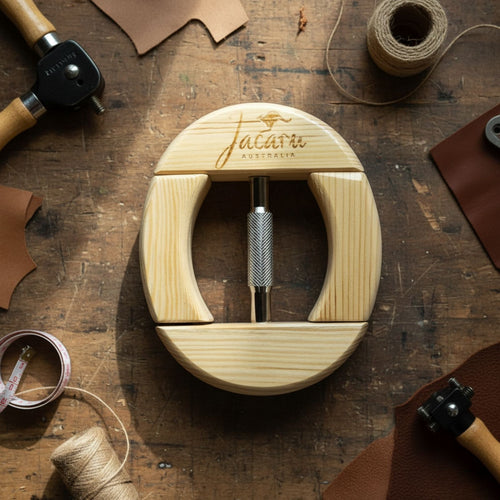
Water exposure requires some care. Kangaroo leather handles light rain without issue, but prolonged saturation can distort the brim shape. If the hat gets thoroughly wet, let it dry naturally on a hat block or a bowl that mirrors the crown's shape. Keep it away from direct heat sources such as campfires or car dashboards, both of which can cause shrinkage and surface cracking.
Storage matters more than most buyers anticipate. During extended periods without use, store the hat upside down on its crown or inside a hat box. Resting on the brim for weeks at a time will gradually deform it, undoing the structural work built into the hat's construction.
Cleaning surface dirt calls for restraint. A barely damp cloth with gentle circular motions is all that is needed for most marks. Soaking or scrubbing risks lifting the grain surface, which shortens the hat's lifespan considerably.
Follow these steps consistently and kangaroo leather's tight fibre structure will reward you with years of reliable wear. For a full breakdown of recommended products and techniques, see Jacaru's leather hat care instructions.
Getting the Right Fit: Sizing Your Kangaroo Leather Hat
Proper care extends the life of your hat considerably, but none of that matters if the hat never fits correctly in the first place.
Unlike fabric or straw styles, leather offers very little give, a hat that feels snug in-store is unlikely to loosen meaningfully with wear. A kangaroo leather hat that is too tight will distort the brim over time and cause discomfort during extended wear; one that is too loose will shift and lose its shape. Getting the size right from the outset is essential.
How to measure accurately: Following Jacaru's published sizing guidance, wrap a soft tape measure around your head approximately 1 cm above your ears and across the mid-forehead. Keep the tape level and snug without pulling. Note the measurement in centimetres; this is your baseline circumference.
Account for internal construction: Hatbands and internal liners add a small amount of volume inside the crown. A hat sized purely against your head circumference may feel marginally tighter once that construction is factored in. If your measurement falls between sizes, sizing up is the safer choice.
Jacaru publishes a hat sizing guide covering their full leather range, including kangaroo, cowhide, and buffalo leather styles, so you can match your measurement directly to the correct size before purchasing. Consulting it before you buy removes the guesswork and protects both your comfort and your investment.
Sustainability and Ethical Sourcing: The Case for Australian Kangaroo Leather

Fit sorted, there is one more reason to feel confident about choosing a kangaroo leather hat: where the material actually comes from.
Australia's National Code of Practice for the Humane Shooting of Kangaroos and Wallabies for Commercial Purposes mandates specific firearms, ammunition standards, brain-shot targeting, and immediate euthanasia protocols for any injured animals. Compliance is a condition of every state management plan approved under the EPBC Act. No comparable livestock leather operates under this level of publicly documented, government-enforced welfare oversight.
Critically, kangaroos are not farmed. Their leather enters the supply chain as a byproduct of population management programs, not a purpose-built livestock system. That distinction matters to environmentally conscious buyers because, because kangaroos are not farmed, their harvest does not require dedicated land clearing or feed crop production, a meaningful distinction from livestock leather, even if comprehensive lifecycle comparisons require specialist data.
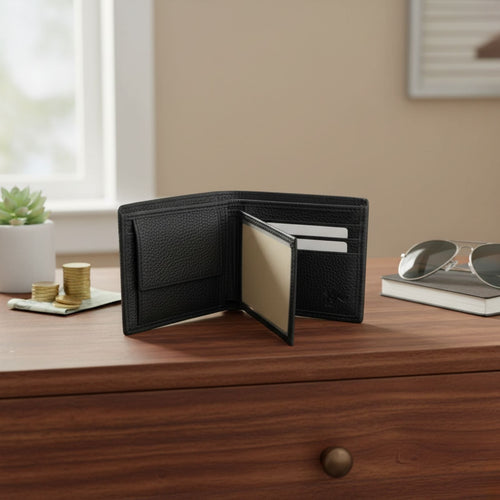
Choosing Australian-made products built from this material also keeps manufacturing dollars within domestic supply chains, supporting traditional hat-making skills that offshore mass production consistently erodes. Jacaru's kangaroo leather hats, along with accessories such as kangaroo leather wallets and purses, are made here, not assembled abroad from imported components.
For gift buyers and conscious consumers, this sourcing story is verifiable, not aspirational marketing copy. The regulatory framework is publicly accessible, the quotas are set by government, and the welfare standards are enforceable by law. When the question arises about why Australian kangaroo leather commands a premium, regulated ethical sourcing is a straight, substantiated answer worth raising in the buying conversation.
Making the Right Call on Your Next Leather Hat
With the sourcing case established, the decision comes down to matching material to purpose.
Quick-reference guide by use case:
Use Case |
Best Choice |
|---|---|
Extended outdoor work or adventure |
Kangaroo leather |
Frequent travel, packed luggage |
Kangaroo leather |
Heavy-duty workwear, harsh conditions |
Buffalo leather |
Softer feel, faster break-in, tighter budget |
Cowhide |
Australian gift or corporate keepsake |
Kangaroo leather |
As covered above, confirm the hat includes a structured brim liner, that single detail separates lasting quality from early disappointment.
The care principles covered earlier, periodic conditioning, natural drying, upside-down storage, apply directly here.
For a practical next step, browse Jacaru's traditional leather hats range alongside their on-site sizing guide; measuring your head circumference accurately before ordering is essential, because leather offers very little give.
Finally, choosing Australian-made is a values decision as much as a quality one. Regulated harvest, shorter supply chains, and domestic craftsmanship give kangaroo leather a provenance that imported alternatives simply cannot match.
Conclusion
Kangaroo leather's combination of lightness and durability makes it the standout choice for wear and travel, with buffalo for heavy-duty use and cowhide for budget-conscious buyers.
Beyond performance, choosing Australian-made kangaroo leather is a decision rooted in values, one the sourcing section above fully substantiates.
Ready to invest in a hat built to last? Explore Jacaru's full range, use their sizing guide, and choose a leather that works as hard as you do.


Our friends at Bocchetta Plush Toys have a great range of lifelike plush animals that make great gifts for people of all ages.