






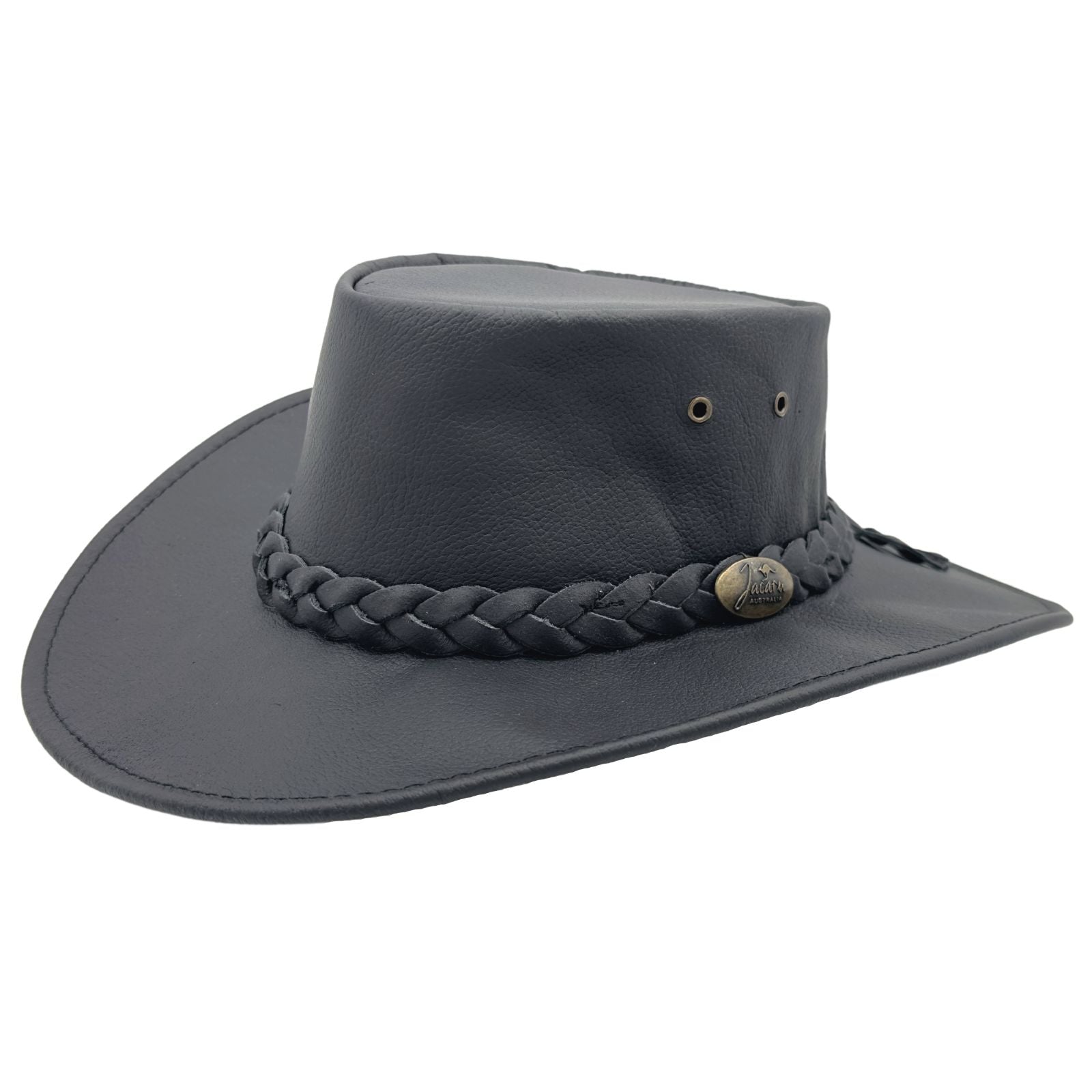


Not All Bucket Hats Are Created Equal: What to Look For Before You Buy

You've probably noticed that bucket hats are everywhere right now. They're on influencers, athletes, and just about everyone you pass on the street. So you finally decide to grab one for yourself, head to the store (or start scrolling online), and suddenly you're faced with dozens of options. How are you supposed to know which one is actually worth your money?
Here's the thing: not every bucket hat is built the same. Some are made with cheap materials that fall apart after a few washes, while others are designed to last for years and actually do what a good hat is supposed to do. If you're new to buying headwear, it can feel pretty overwhelming trying to figure out what separates a quality pick from a disappointing one.
That's exactly why we put this guide together. We're breaking down the key things to look for before you buy a bucket hat, so you can shop with confidence and actually feel good about what ends up on your head. Let's get into it!
Why Bucket Hats Are Having a Moment (Again)
Let's be honest: the bucket hat never really went away. It just kept reinventing itself, and right now, in 2026, it's hitting another genuine peak. The numbers back this up. The global bucket hat market was valued at around USD 1.5 billion in 2025 and is projected to reach USD 2.8 billion by 2034, growing at a CAGR of roughly 7.5% through that period. That's not a nostalgia blip. That's a structural market shift.
The bucket hat's journey is genuinely wild when you trace it back. It started as purely functional headwear, favoured by fishermen and farmers who needed serious sun protection without fuss. By the late 1980s and 90s, hip-hop culture claimed it as a statement piece. Then festivals ran with it in the early 2000s. Then streetwear brought it back again around 2019 to 2020, and now in 2026, it's sitting comfortably across outdoor adventure, heritage fashion, and serious travel gear simultaneously.
What's driving the current wave is something deeper than trend cycles. Heritage and vintage aesthetics are a confirmed headline force in 2026 headwear buying decisions, sitting alongside performance and innovation as the three dominant market drivers. Consumers, particularly younger buyers, are actively rejecting disposable fast-fashion accessories in favour of pieces with genuine craft and a real story behind them. A hat that's built to last, made from honest materials, and carries authentic provenance is genuinely more appealing now than at any recent point in history. That context matters a lot when you're deciding which bucket hat is actually worth your money.
Material Makes the Hat: Leather, Wool, and Why They Beat Synthetic Every Time
Let's talk about what your bucket hat is actually made of, because this is where most people go wrong and end up with a sweaty, faded, misshapen disaster by mid-summer.
The Problem With Synthetic Hats
Polyester and nylon bucket hats are everywhere, and they're cheap for a reason. Synthetic fibres trap heat against your head instead of releasing it, which turns your hat into a little oven on a warm day. They also break down faster under prolonged UV exposure, meaning the fabric weakens, fades, and loses its shape after a season or two of genuine outdoor use. If you're wearing your bucket hat on a beach holiday once a year, maybe that's fine. If you're actually out there hiking, travelling, or doing anything remotely adventurous on a regular basis, synthetic hats will let you down.
Why Wool Wins in the Wild
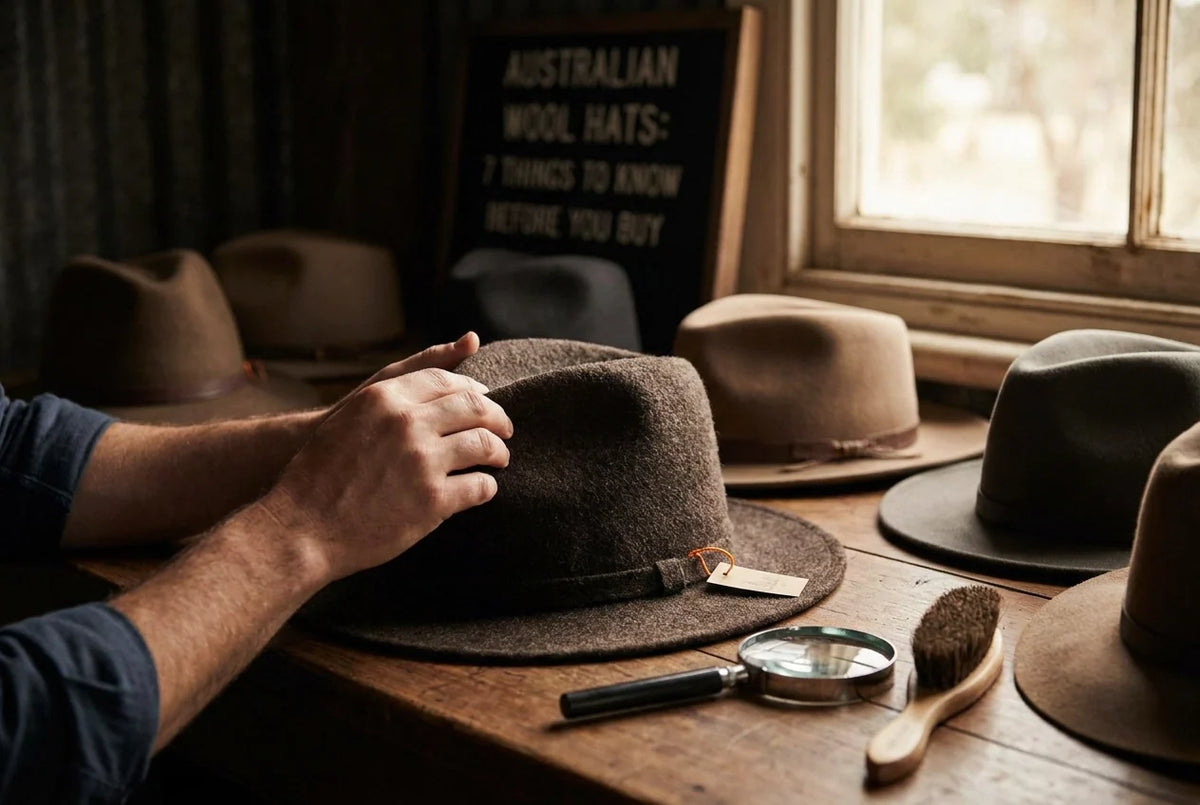
Wool is one of nature's most impressive textiles. It's naturally breathable and moisture-wicking, pulling sweat away from your skin rather than trapping it. Wool also regulates temperature in a way synthetic fibres simply can't match, keeping you comfortable on a cool morning and surprisingly bearable when the midday sun cranks up. According to The Ultimate Guide to Hat Materials, wool offers excellent insulation while maintaining breathability alongside natural elasticity for a snug, comfortable fit. That's a lot of performance packed into a single natural fibre.
Leather Gets Better With Time
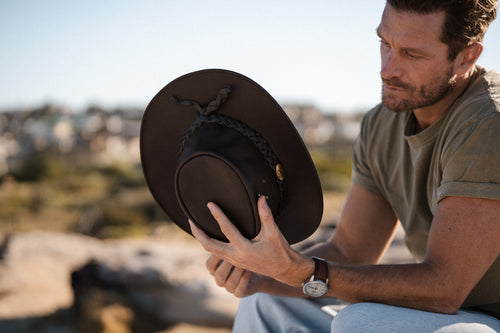
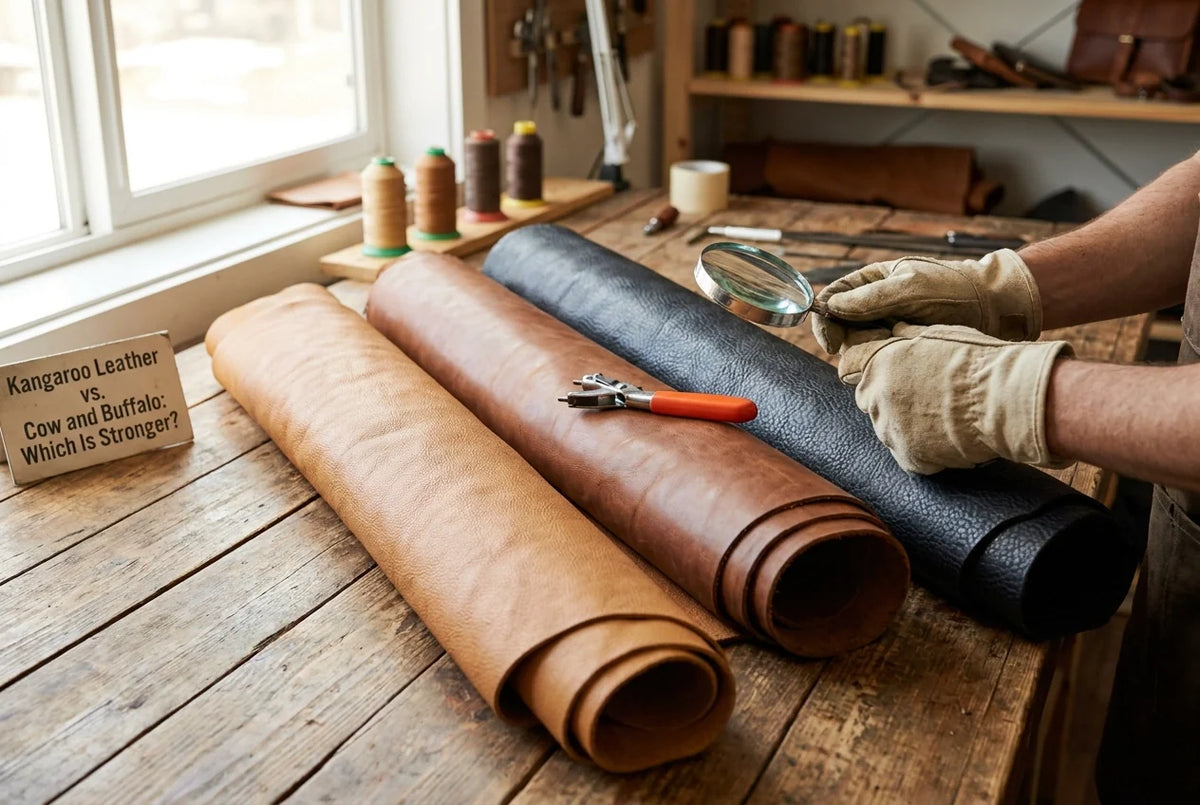
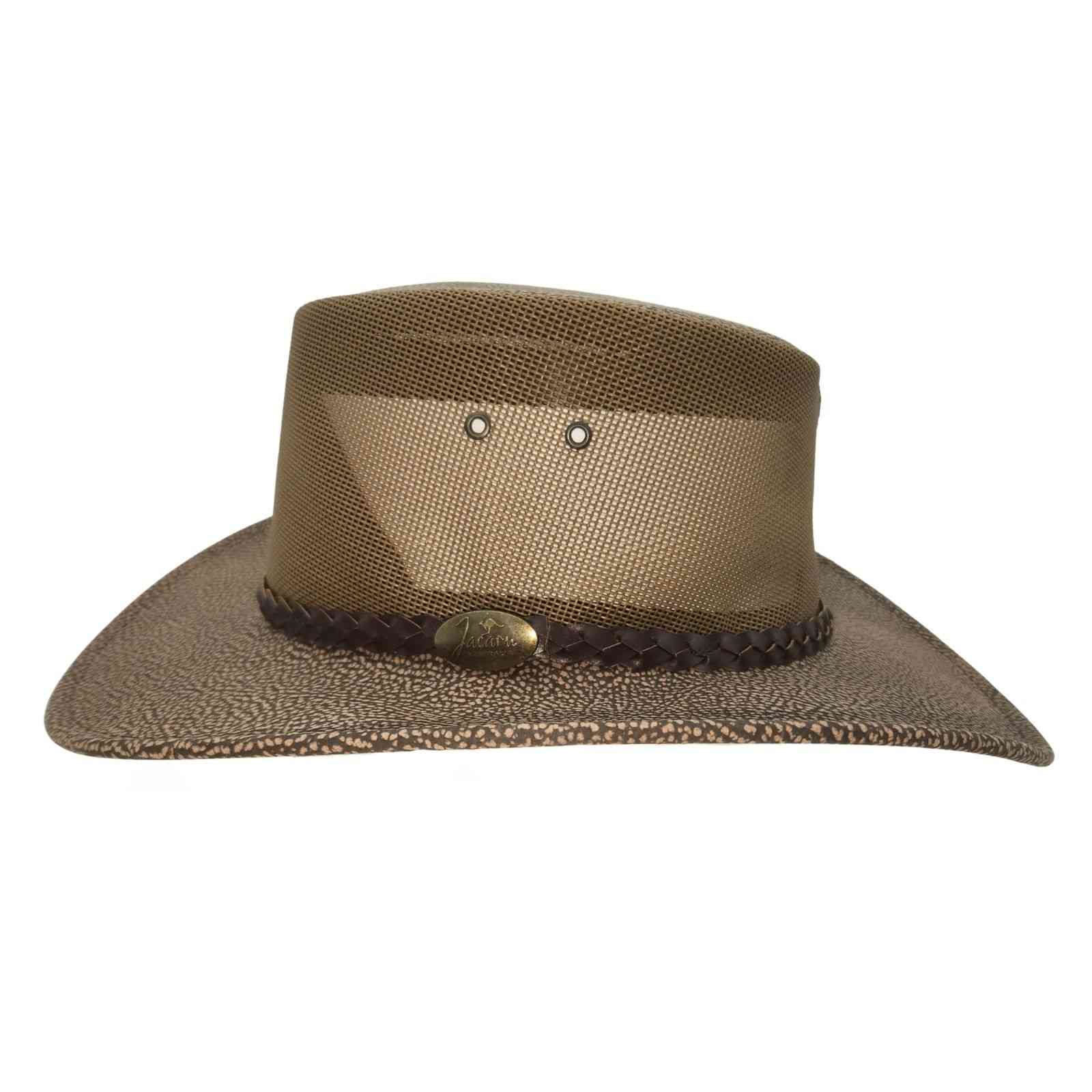
A leather bucket hat does something no polyester hat ever will: it ages beautifully. Over time, leather moulds to the shape of your head, develops a unique patina, and becomes genuinely more yours with every adventure. Jacaru works with kangaroo, cow, and buffalo leather sourced in Australia, with each hide offering different weight, flexibility, and finish suited to different uses. Kangaroo leather is notably lightweight and strong; buffalo brings a chunkier, more rugged character.
Natural Materials Are the Smart Long-Term Choice
It's also worth noting that the Eco Hats Guide at Conner Hats highlights cruelty-free wool as a distinct consumer category, reflecting real and growing demand for ethically sourced natural headwear. The Mordor Intelligence headwear market report segments leather and wool as standalone premium material categories, separate from polyester and nylon, confirming these aren't niche preferences but recognised growth segments running through to 2033. Natural materials are biodegradable and produced without the petrochemical inputs that synthetic hats depend on. When your leather or wool bucket hat eventually retires after years of hard use, it returns to the earth rather than sitting in landfill for centuries. That's a win for your head and the planet.
Sun Protection: The Real Test Every Outdoor Hat Has to Pass
If you spend serious time outdoors in Australia, sun protection isn't optional. It's survival. Australia has one of the highest rates of skin cancer in the world, and Cancer Council Australia explicitly recommends broad-brimmed hats as a primary sun protection tool, right alongside sunscreen and shade. This isn't a gentle suggestion. It's a public health directive based on some genuinely alarming UV exposure data. The Australian sun doesn't care how stylish your headwear is. It just burns.
Why a Bucket Hat Beats a Cap in the Field
Here's the structural reality: a baseball cap protects your forehead and maybe your nose. Your ears, the back of your neck, and the sides of your face? Completely exposed. These are documented high-incidence sites for skin cancer, and a cap leaves all of them undefended. A bucket hat's all-round brim provides genuine 360-degree coverage, shading your face, ears, and the back of your neck simultaneously. That continuous brim isn't a fashion quirk. It's the whole point.
Brim Structure Is Non-Negotiable
Not all brims are equal, and this is where fast-fashion bucket hats fall apart. Literally. A floppy, unstructured brim collapses the moment a breeze picks up, folding back on itself and leaving gaps in coverage right when you need it most. A wider, structured brim holds its shape in wind and maintains consistent protection throughout the day. This is one reason material matters so much: leather and tightly woven wool maintain their structure and offer a naturally higher UV protection factor than loosely woven cotton or synthetic fabrics, which can transmit UV radiation regardless of colour.
The Skin Cancer Foundation-approved standards and UPF ratings exist for exactly this reason: to separate hats that genuinely block UV from hats that merely look the part.
Outdoor activities and seasonal demand are the primary drivers behind the headwear market's strong growth trajectory, and sun protection is the core functional reason bucket hats lead that category. But here's the most important thing to take away: in Australian conditions, choosing the right hat isn't a style decision. It's a health decision. Choose accordingly.
Durability: What a Hat Built for Life Actually Looks Like
Here's the uncomfortable truth about most bucket hats sitting in online shopping carts right now: they're engineered to a price point, not a lifespan. Fast fashion brands cycle through 52 or more micro-seasons every year, which means individual items, bucket hats included, are designed for turnover, not longevity. One solid season of regular outdoor use, real sun, real rain, real wind, and the brim starts to warp, the stitching loosens, and the whole thing looks like it gave up. That's not a defect. That's the business model.
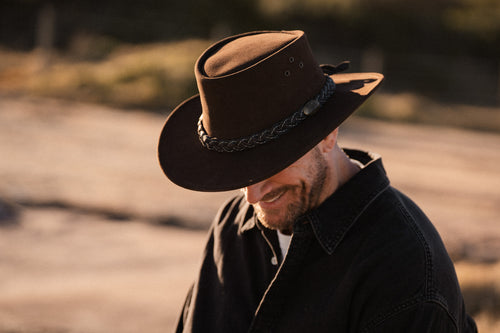
A premium leather hat operates on an entirely different timeline. With basic conditioning care, a well-made leather bucket hat doesn't just survive years; it improves with them. The leather softens and molds to your head, the character deepens, and what you end up with is less a hat and more a travelling companion. Jacaru's Australian-made hats are built for exactly this kind of relationship. They're constructed for the bush, the beach, and everywhere in between, not just for looking good in a product photo.
Structural integrity is where quality reveals itself most honestly. A brim that holds its shape during a downpour, doesn't bow in sustained heat, and snaps back after being stuffed in a pack is a functional piece of gear. A brim that does none of those things is decoration. The difference comes down to material density, brim construction, and how the whole hat is stitched together at the stress points.
Speaking of stitching, the internal details are where most people get caught out. Reinforced seams at the brim junction, a proper leather or absorbent fabric sweatband that won't break down from salt exposure, and corrosion-resistant hardware all quietly determine whether a hat lasts one summer or twenty. These aren't features you'll notice on a shelf. You'll notice them about eighteen months in.
The financial case is straightforward when you think in cost-per-wear terms: purchase price divided by total wears. A hat that costs four times as much but lasts ten times as long isn't expensive. Replacing a cheap hat every single season, on the other hand, is exactly the kind of false economy that Vestiaire Collective's research directly called out. Buy once, buy right, and take it everywhere.
Australian-Made: Why Provenance Actually Matters
There's a reason "Australian-made" carries genuine weight in the hat world, and it goes well beyond patriotic marketing. A hat designed and built in Australia has been conceived by people who live with the reality of what the sun actually does here. This isn't a mild European summer or a temperate Pacific Northwest drizzle. Australia's UV intensity is among the most punishing on the planet, and headwear built by Australians for Australians reflects that understanding at every design decision, from brim width to material density to construction that won't collapse halfway through a long day outdoors.
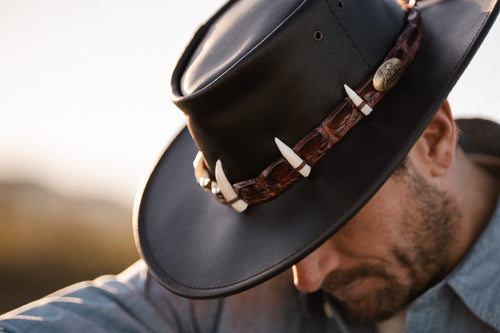
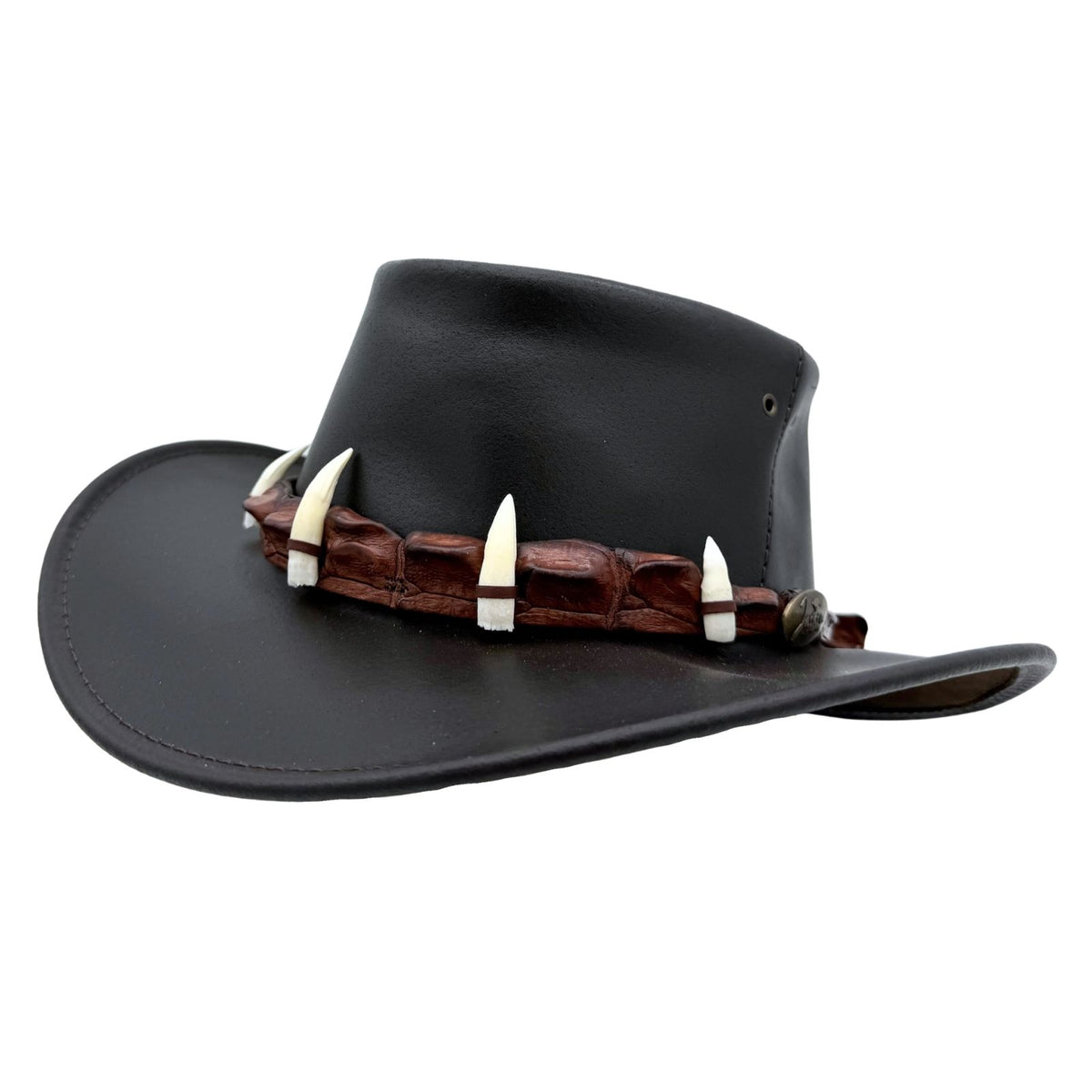
Heritage aesthetics are also one of the confirmed growth stories in 2026, with vintage and traditional styles staging a comeback across the broader headwear market. Few aesthetic traditions are as globally recognisable as the Australian outback hat. When people picture rugged, sun-weathered adventure, the imagery is practically universal. That's the cultural shorthand Jacaru leans into deliberately. Their Crocodile Dundee-style positioning, complete with genuine crocodile teeth and authentic outback construction, connects bucket hats and outback headwear to something the whole world already understands: toughness, freedom, and the kind of authenticity that can't be faked on a factory line in a country that's never seen a red dust road.
Buying Australian-made also means something beyond the personal. Local craftspeople and small manufacturers are under real pressure from mass-market imports built to the lowest possible price point. Every Australian-made purchase is a vote for keeping those skills alive.
For international visitors and gift buyers, provenance transforms the product entirely. A hat made in Australia, by Australians, for Australian conditions isn't just an accessory; it's a story you take home. Much like hat brands that rename products to properly honour their origins (as explored in this sustainable straw hats guide), origin storytelling creates genuine emotional value that mass production simply cannot replicate.
The sustainability argument ties it all together. Shorter supply chains mean fewer emissions. Local materials mean traceable sourcing. Accountable production means you know exactly what you're buying, which is increasingly what conscious consumers in 2026 are actually demanding from every purchase they make.
Bucket Hats as Gifts and Souvenirs: An Angle Most People Miss
Most people shopping for souvenirs default to fridge magnets, keyrings, and novelty items that look great in the shop and spend the rest of eternity in a junk drawer. A leather or wool bucket hat is a completely different proposition. It gets worn. It goes to the beach, the farmers market, the weekend hike, and the outdoor concert. Unlike decorative trinkets that collect dust, a quality hat earns its place in someone's life every single time they head outside.
The headwear market is sending a clear signal right now. Customisation demand is rising sharply in 2026, with buyers across both personal and corporate gifting moving decisively away from generic, off-the-shelf items. As one Australian promotional specialist notes, custom bucket hats that actually work are being worn at music festivals, weekend markets, sporting matches, and corporate team-building events rather than sitting forgotten in packaging. Gifters and companies alike want something that feels considered, not something pulled from a bin of identical options.
This is exactly where Jacaru's corporate gifting range steps in. Australian-made hats and accessories carry a brand story that no mass-produced import can replicate. For corporate recipients, receiving a hat crafted from genuine leather or kangaroo hide communicates something instantly about the company that gifted it: that they value quality, authenticity, and provenance. That's a far stronger message than a logo-printed polyester cap.
For international travellers, the equation is even simpler. A genuinely Australian bucket hat, built from real materials with real heritage behind it, is a wearable piece of the country. It tells a story at customs, at dinner, at the trailhead back home. A hat with crocodile tooth detailing or kangaroo leather construction becomes a conversation starter in Tokyo, London, or Buenos Aires in a way that airport merchandise simply never will.
Gift buyers who want practical, durable, and authentically Australian will find that combination in premium custom headwear that prioritises material quality and origin over volume production. The mass-market alternatives cannot compete on those terms, and that gap is exactly where a Jacaru bucket hat earns its place as the gift people actually remember.
Style That Actually Travels: From the Outback to the Airport
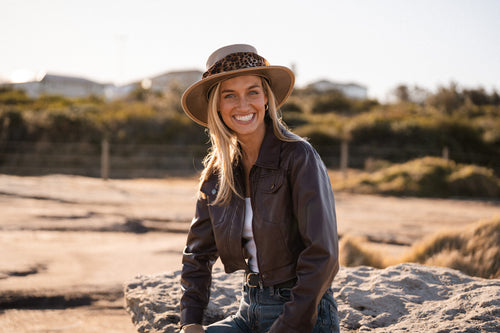
There's a reason experienced travellers obsess over finding one great hat rather than a bag full of mediocre ones. A well-made leather or wool bucket hat is genuinely one of those rare pieces that works everywhere: dusty outback trail, weekend city market, international airport departure lounge. It doesn't look like you've tried too hard, and it doesn't look like you've given up. That's a harder balance to strike than most people realise.
The vintage and heritage style wave isn't slowing down either. Harper's Bazaar UK declared 2026 the year of the fancy little hat, noting the fashion world is fully committed to the classic accessory. What makes this particularly good news for leather and wool hat owners is that natural materials don't just age tolerably; they actually get better. Leather picks up character. Wool felt develops that dependable, broken-in quality that makes a favourite hat almost impossible to replace. You're not fighting against wear with these materials. You're accumulating style.
The bucket hat silhouette does the heavy lifting on versatility. The soft, downward-sloping brim sits comfortably alongside technical hiking gear without looking like a costume, and pairs just as naturally with a relaxed linen shirt at a travel destination market. It's genuinely forgiving across contexts in a way that more structured hats simply aren't.
For travellers specifically, packability is non-negotiable. Natural materials handle being stuffed into an overhead locker or a day pack far better than most synthetics, recovering their shape without looking collapsed or creased beyond recognition.
Jacaru's outback aesthetic also carries a cultural story that travels internationally. Wearing a Crocodile Dundee-style hat with genuine crocodile teeth and a leather hatband isn't generic outdoor fashion; it's a statement of authentic Australian identity that people across the world respond to immediately. That kind of provenance doesn't come from fast fashion cycles.
Choose a hat because it fits who you are, not because it's currently trending on social media. As outback hat specialists note, designs that solve real problems stick around. Ten weeks from now, a fast-fashion bucket hat is landfill. Ten years from now, a well-made leather or wool one is a favourite.
How to Choose the Right Bucket Hat for You
Picking the right bucket hat comes down to honestly answering one question first: what are you actually going to do in it? If you're heading into serious sun exposure, think long days hiking, fishing off a boat, or exploring the Australian outback, you want a wider, more structured brim and a denser material that holds its shape under sustained UV bombardment. If you're packing light for city travel or weekend errands, you have more flexibility to prioritise packability and casual style. Outdoor gear testing teams have evaluated over 50 sun hats in real conditions ranging from Grand Canyon expeditions to daily walks, and their consistent finding is that hat performance varies dramatically depending on activity intensity. Know your use case before you shop.
Material is your next decision, and it should match your climate. Leather performs beautifully in dry heat and coastal conditions because it naturally resists moisture and holds up under intense sun without degrading. Wool handles a broader temperature range, keeping you comfortable in morning chill and afternoon warmth without complaint. Adventure hat specialists consistently identify canvas, leather, and wool as the top performers for demanding outdoor conditions, with each material carrying its own practical strengths.
Fit is a functional issue that most beginners overlook completely. A hat that sits too high on your head leaves your ears and the back of your neck exposed, which is where UV damage accumulates fastest during outdoor activity. The brim width becomes irrelevant if the hat is perched rather than seated properly. Measure your head circumference before buying online and look for models with adjustable internal bands.
If you spend time near the coast or in mountain environments, an internal drawstring or adjustable cord is non-negotiable rather than a nice-to-have feature. Australian outdoor travellers have painfully learned this lesson firsthand, with felt hats regularly lost to strong coastal winds. A hat that blows off your head protects nothing.
For gift purchases, lean toward natural materials and Australian-made provenance every time. Leather and wool carry a story that synthetic alternatives simply cannot replicate, and that storytelling value is exactly what makes a gift memorable rather than forgettable.
Finally, treat your hat like the investment it genuinely is. Leather needs periodic conditioning to prevent cracking and maintain water resistance. Wool benefits from gentle hand-washing in cool water with mild detergent. Store both properly between adventures, away from direct sunlight, and they will reward you with years of reliable service.
The Hat You Buy Once and Wear Everywhere
Everything we've covered in this guide points in the same direction: material, sun protection, durability, provenance, and style all converge on one simple conclusion. A premium natural-material bucket hat, built properly and bought once, outperforms a rotation of fast-fashion replacements on every measure that actually matters.
The market agrees. The bucket hat category is projected to grow from $400 million in 2025 to $660 million by 2034, and natural materials already command 57% of market share. Consumers are actively voting for quality, heritage, and outdoor functionality with their wallets. That shift is real and it's gathering pace.
The actionable takeaway is straightforward. Figure out your primary use case, whether it's serious outback hiking, coastal fishing, international travel, or all three. Then choose natural materials built specifically for that environment and commit to buying once rather than replacing every season.
If you want a practical starting point, Jacaru's range of Australian-made leather and wool hats represents exactly the kind of considered, climate-tested craftsmanship this guide has been describing. Worth a look.
And on that note, life is genuinely too short for a hat that gives up before you do.


Our friends at Bocchetta Plush Toys have a great range of lifelike plush animals that make great gifts for people of all ages.