








The Fedora Hat Guide: History, Styles and How to Choose

Picture this: you're scrolling through old Hollywood photos, and there it is. That iconic, timeless hat perched perfectly on the head of a classic movie star. Cool, mysterious, effortlessly stylish. That, my friend, is the magic of the fedora hat.
Whether you've seen it on Indiana Jones, Frank Sinatra, or your favorite street style influencer, the fedora has a way of making any outfit look instantly more polished. But if you've ever stood in a hat shop feeling completely overwhelmed, you're not alone. With so many styles, materials, and brim sizes to choose from, picking the right fedora can feel like a serious challenge.
That's exactly why we put this guide together. We're breaking everything down in a simple, beginner-friendly way so you can shop with confidence. By the time you finish reading, you'll know the fascinating history behind this iconic hat, the different styles available today, and exactly how to choose a fedora that suits your face shape, personal style, and budget. Let's get started!
A Brief History of the Fedora Hat
The fedora has one of fashion's most surprising origin stories. It didn't start on the heads of gangsters or private detectives. It started on a stage. In 1882, French playwright Victorien Sardou premiered his play Fédora, featuring the legendary actress Sarah Bernhardt in the title role as Princess Fédora Romanoff. Bernhardt wore a soft, centre-creased, wide-brimmed felt hat that audiences couldn't stop talking about. The hat became so closely associated with the production that people simply started calling it "the fedora." You can read more about the timeless charm of fedora hats and their complete historical journey if you want to go deeper on the early years.
What's really interesting is that the fedora started as a women's accessory. Early feminist and suffragist movements adopted it as a quiet but powerful symbol of independence, a practical, androgynous alternative to the fussy, restrictive fashion of the era. It was a hat with a message.
By the 1920s, men had fully claimed it. Prince Edward, later the Duke of Windsor, helped cement its place in menswear, and Hollywood did the rest. Film noir classics, gangster pictures, and detective stories made the fedora shorthand for cool, complex characters. Think Humphrey Bogart in Casablanca. Then Indiana Jones sent hat sales rocketing all over again.
The fedora's reach eventually spread globally, following trade routes, film exports, and pop culture. Wide-brimmed variants found practical purpose in working environments, including the rugged Australian outback, where a solid brim and durable construction weren't just stylish but genuinely useful. A modern fashion revival through the 2010s and 2020s brought it back to mainstream wardrobes, and Harper's Bazaar UK declared 2026 the year of the fancy little hat, confirming what hat lovers already knew: this style simply refuses to go out of fashion.
Fedora vs. Outback Hat: Clearing Up the Confusion
If you've ever stood in a hat shop squinting between two brims and thinking "aren't these basically the same thing?" you're in good company. The fedora and the classic Australian outback hat get mixed up all the time, and honestly, it's an easy mistake to make. Both have brims, both look seriously cool, but they're built for pretty different lives.
Here's the quick breakdown. A fedora has a pinched front crown with a lengthwise crease, a relatively modest brim sitting somewhere around 5 to 8 cm, and a structured silhouette that was originally designed for stages and city streets. It's a hat that says "I have somewhere sophisticated to be." The outback hat, on the other hand, means business in a very different way. It features a wider, flatter brim engineered to throw maximum shade across your face, neck, and shoulders when the Australian sun is trying its absolute best to destroy you. The crown is more relaxed, the construction is purely utilitarian, and it couldn't care less about looking theatrical.
The real difference comes down to purpose. As this breakdown of outback hat styles puts it, wide brims are about weather protection first, style second.
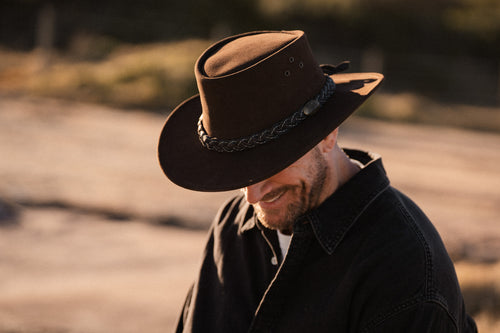
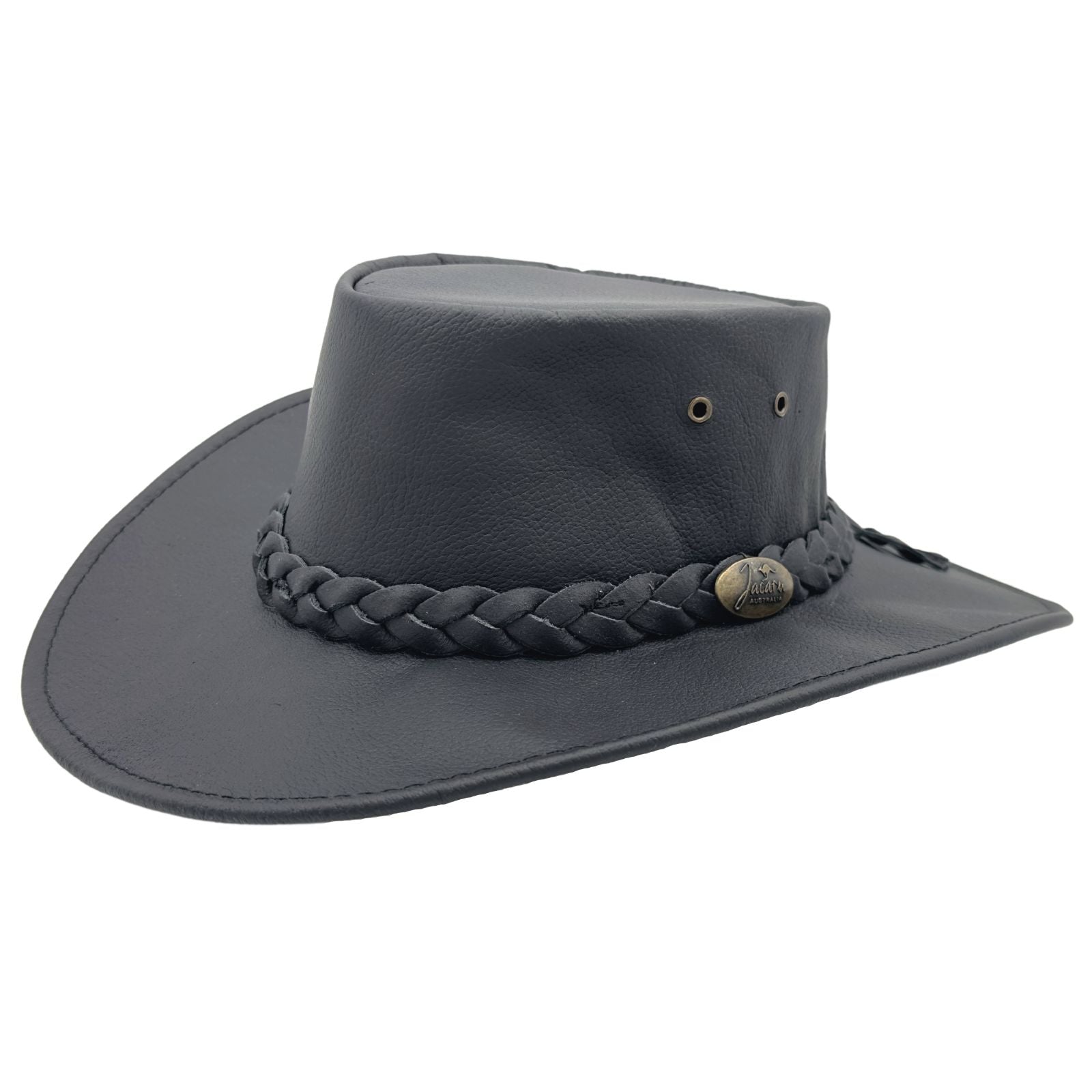
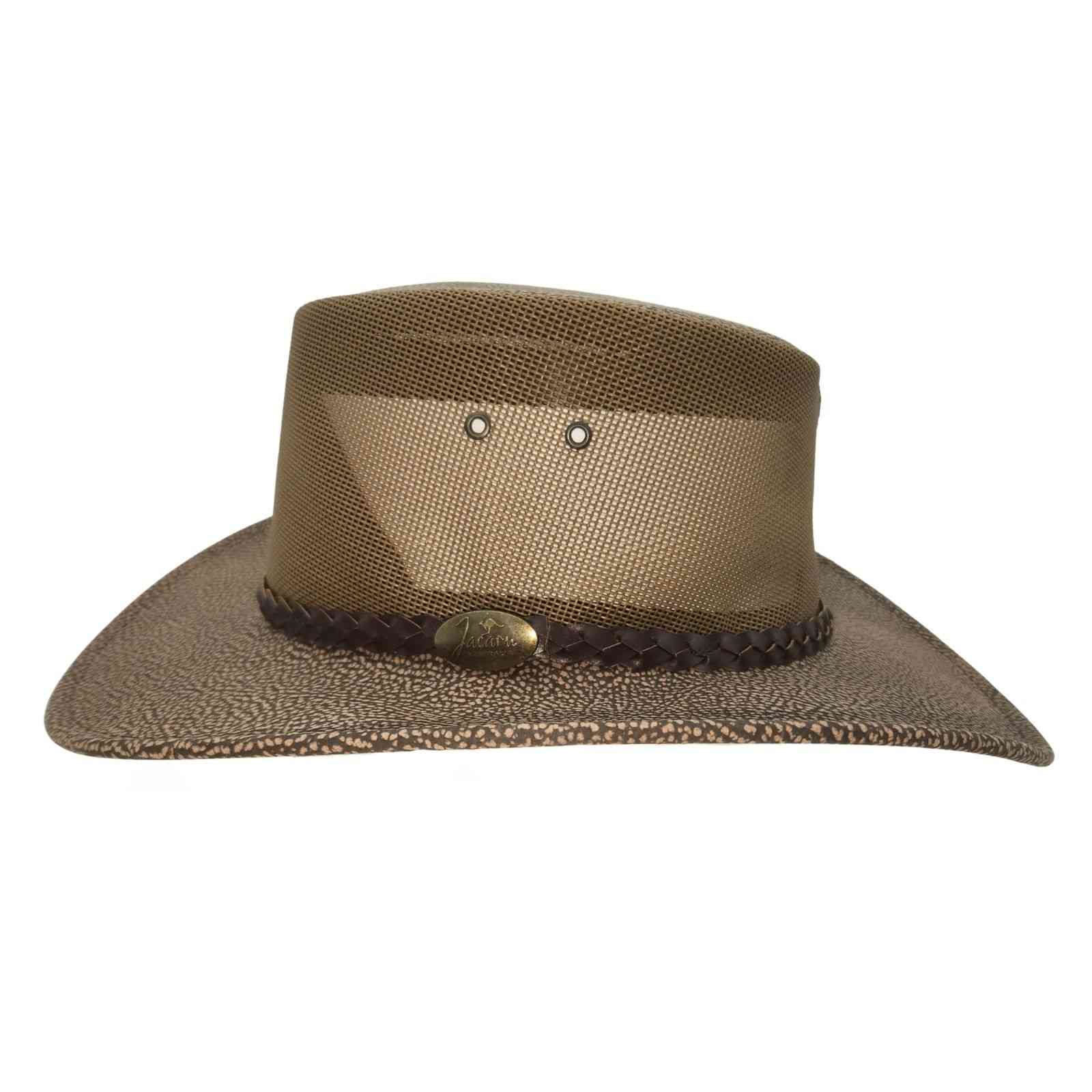
This is where Jacaru does something genuinely clever. Their Australian fedora keeps the classic pinched silhouette but builds it from kangaroo or buffalo leather instead of traditional wool felt. You get the style credentials of a proper fedora with the outback toughness to back it up. Whether you're navigating city cobblestones or dusty bush trails, that combination is hard to beat.
What Is It Made Of? Your Guide to Fedora Materials
Not all fedoras are created equal, and the material your hat is made from will shape pretty much everything about how it looks, feels, and holds up over time. Here's a quick breakdown of the main options so you can pick the right one for your lifestyle.
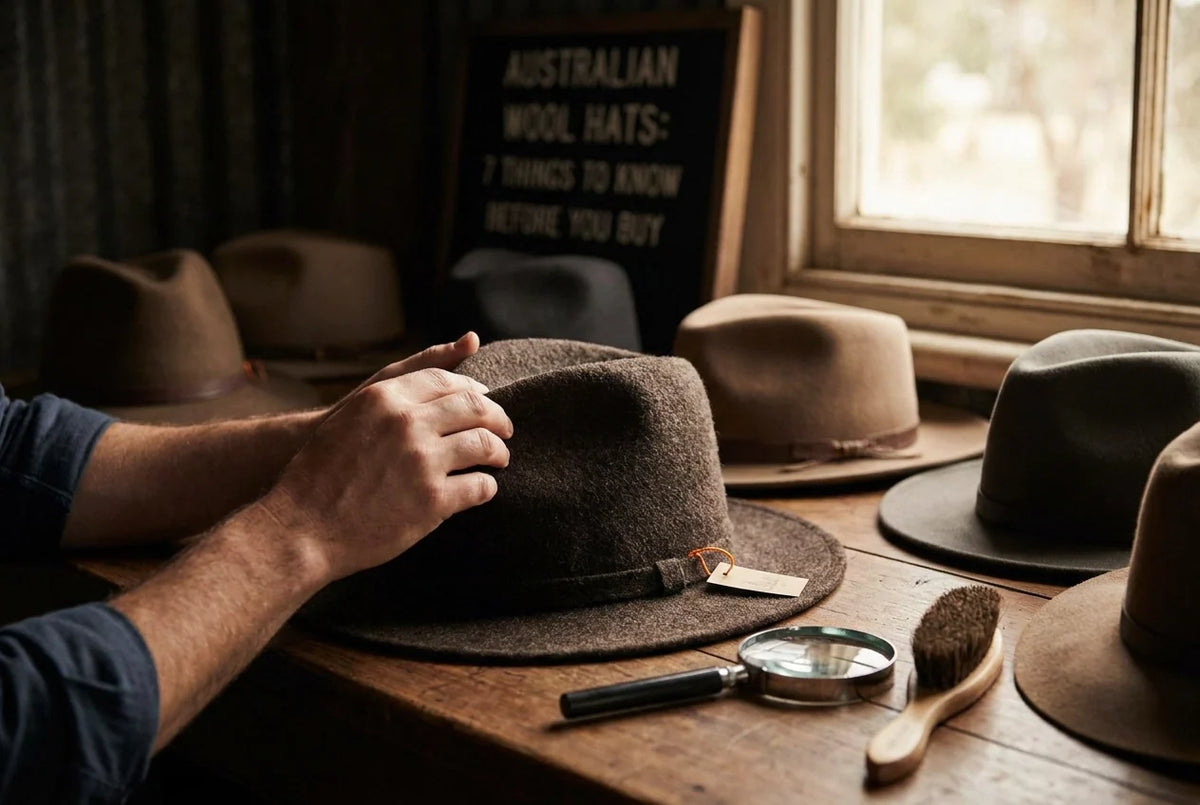
Wool felt is the classic choice and what most people picture when they think of a traditional fedora. It has a soft drape, holds its shape well, and looks sharp whether you're at a rooftop bar or a weekend market. The catch? Wool felt doesn't love rain or rough outdoor conditions. Get it soaking wet a few times and it can lose structure, pill, or shrink. For city wear and mild weather, it's fantastic. For serious outdoor adventures, you'll want something tougher.
Straw fedoras are the go-to for warm climates and beachside hangs. They're lightweight, breathable, and genuinely comfortable in the heat. But straw can crack if you pack it wrong, hates getting wet, and tends to have a shorter lifespan than leather. Great for a resort holiday; less ideal if you're hiking through rugged terrain. You can learn more about how these materials stack up in this helpful fedora hat material guide.
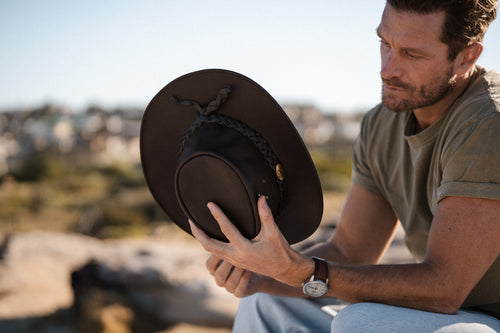
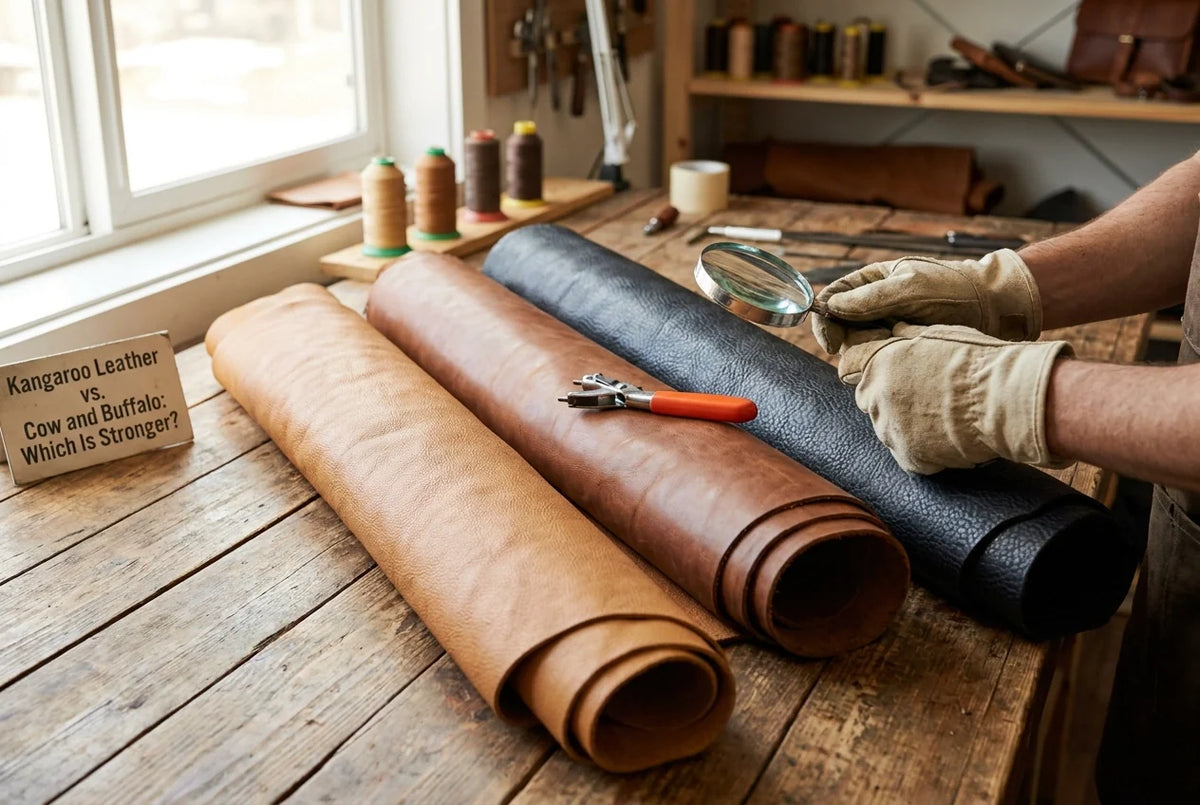
Kangaroo leather is where things get seriously interesting for outdoor lovers. Kangaroo hide is one of the toughest and lightest natural leathers on the planet, delivering incredible strength without unnecessary bulk. Jacaru uses it to craft fedoras that are genuinely built for outdoor use, whether you're navigating dusty trails, coastal wind, or an unpredictable Australian summer. It's a trim, functional hat that doesn't feel like you're wearing armour.
Buffalo leather steps things up another notch in terms of texture and robustness. It has a thicker grain and develops a brilliant patina as it ages, meaning your hat actually looks better after a few years of real-world use. If you're a frequent traveller who wants a hat that weathers real conditions without complaining, buffalo leather is an excellent choice.
Ultimately, material choice directly affects sun protection, rain resistance, packability, and how long your hat lasts. Getting this decision right before you buy is one of the smartest moves a first-time fedora buyer can make. For a deeper dive into selecting the right material for your needs, this guide on choosing the best fedora hat material is worth a read.
Why Australian-Made Actually Matters for a Fedora Hat
Here's the uncomfortable truth about the fedora hat market: the global hats industry is worth around $20 billion, and China sits at the centre of it as the dominant manufacturing and export hub. That means the majority of fedoras you'll find on shelves or scrolling through online stores, regardless of the brand name stitched inside the crown, are rolling off the same low-cost supply chains. Different label, same hat. It's worth knowing that before you spend money on something you think is special.
Australian-made production works differently. Tighter material sourcing standards, skilled local craftsmanship, and genuine visibility over where every hide originates are built into the process. That matters more and more as buyers start asking questions about provenance, not just price. Knowing exactly where your hat came from, and that someone with real skills made it, changes what you're actually buying.
The materials themselves are the biggest differentiator. Kangaroo leather is geographically locked to Australia, full stop. No overseas volume manufacturer can replicate it with a label swap. Buffalo leather sourced from Australian operations carries the same story. These aren't just marketing angles; they're genuine points of difference. You can read more about how Jacaru approaches this in their breakdown of Australian leather hats compared by style and material.
Sustainable material sourcing is also one of the top trends driving the hat fashion market through 2033, according to HTF Market Insights. Natural Australian leathers fit that shift directly, offering durability and long lifespan over fast-fashion disposables.
For international visitors and gift buyers, the cultural authenticity of an Australian-made fedora is simply something a Chinese import cannot replicate, regardless of styling or price point. That story is part of what you're giving someone.
How to Wear a Fedora Hat Without Overthinking It
Good news: wearing a fedora well doesn't require a style degree or a personal stylist. There are really just a handful of things worth knowing, and once you've got them down, the hat does most of the heavy lifting.
Start with placement. The classic fedora position sits level on your head, roughly one to two finger-widths above the eyebrows. That's it. This keeps your face visible, maintains a clean silhouette, and stops the hat from looking like it's eating you alive. Too low and you lose expression; too high and it looks like it might take flight. Level is the default that works every time.
For outdoor and travel wear, tip the brim forward slightly. A subtle downward angle at the front increases shade over your face and eyes without looking sloppy. It reads as relaxed and intentional rather than careless, and it pairs naturally with the kind of casual, adventure-ready outfits most travellers already own. Think beach days, dusty trails, and open-air markets.
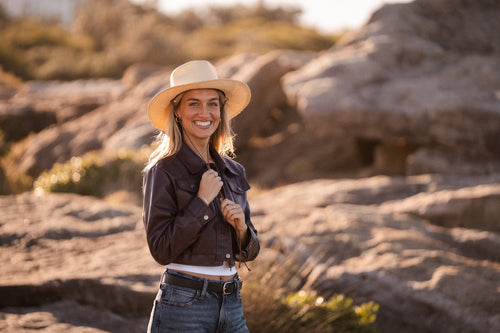
Leather fedoras are genuinely versatile. Linen shirt and shorts for warm-weather travel? Works. Denim, boots, and an outback aesthetic? Absolutely. Smart casual with a button-down? No problem. You don't need to rebuild your wardrobe around the hat. The hat adapts to what's already there.
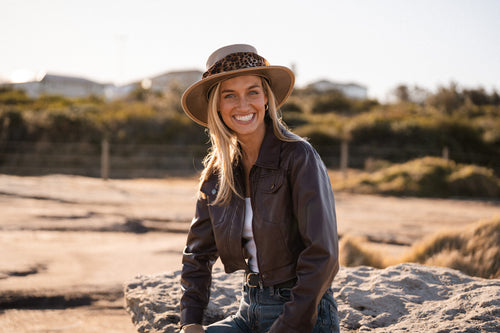
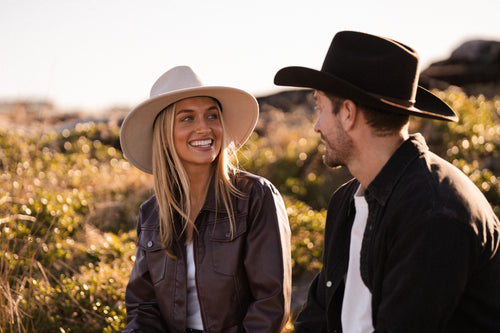
Ignore the rulebook on gender. The fedora hat outfit ideas circulating in 2026 span every style direction imaginable, and for good reason. A well-made hat flatters broadly. Confidence in how you wear it matters far more than following someone else's guidelines.
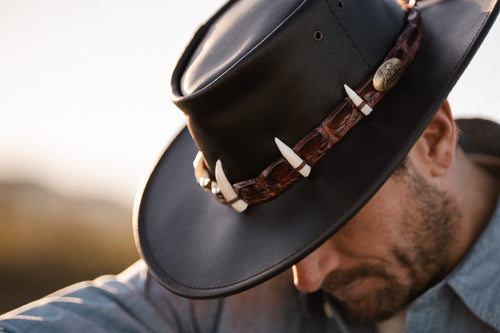
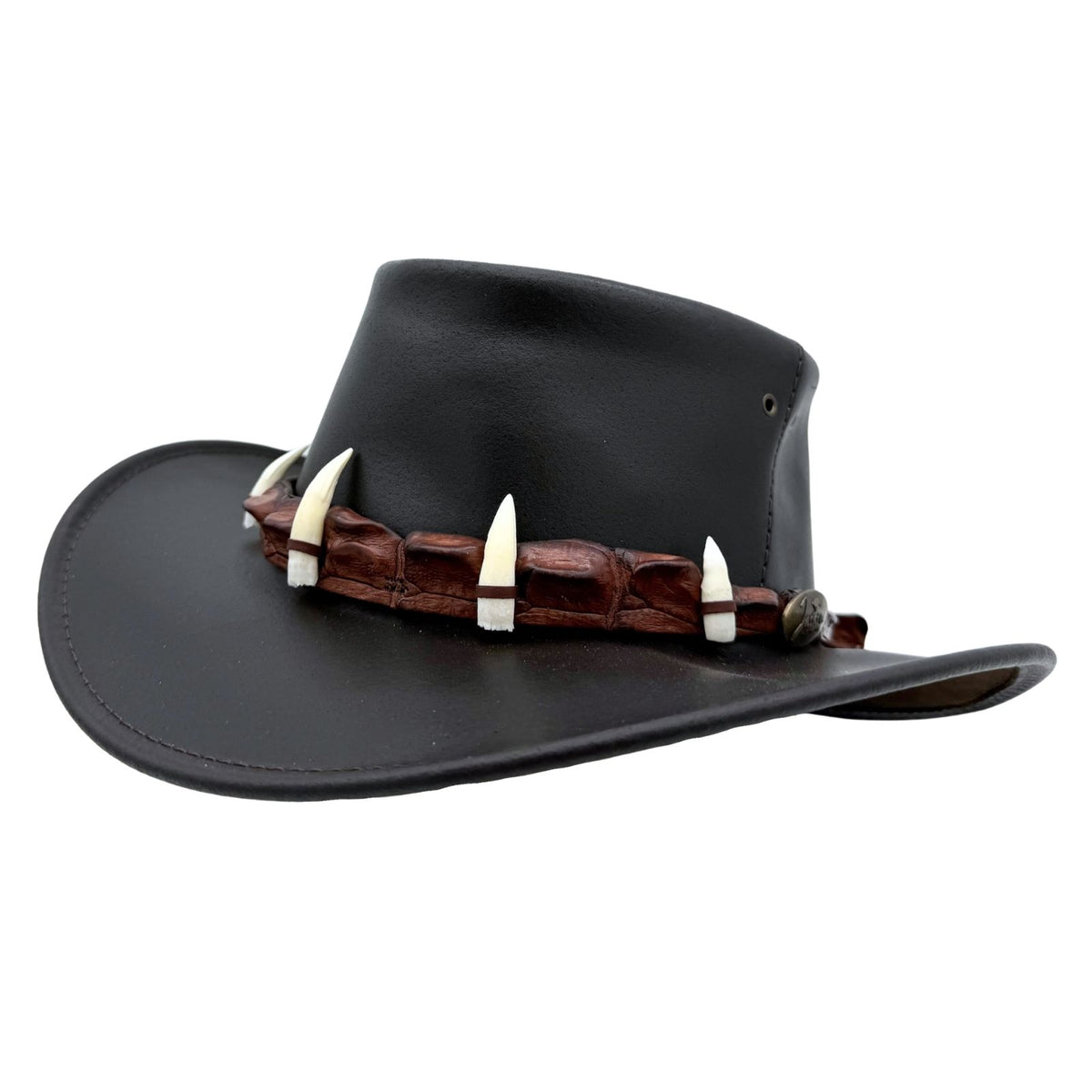
Finally, consider your hatband. It's both functional and expressive. Jacaru's range includes genuine crocodile tooth hatbands for anyone who wants their fedora to say something memorable before they've even opened their mouth. That's not overthinking it. That's just owning it.
The Practical Case for a Quality Brim: Sun Protection
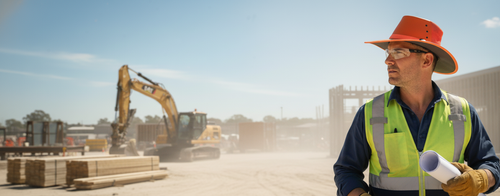
Let's be honest: in Australia, wearing a proper hat isn't a style choice, it's practically a survival strategy. Australia has one of the highest rates of skin cancer in the world, and the numbers back that up. Outdoor workers here are exposed to five to ten times more UV radiation annually than people working indoors, and approximately 34,000 non-melanoma skin cancers per year are linked directly to occupational UV exposure. If you're spending real time outside, whether you live here or you're just visiting, a quality-brimmed hat is one of the most functional purchases you can make.
The face, ears, and neck are the zones that cop the most damage, and they're also the areas most commonly missed by inadequate headwear. According to Cancer Council Australia's sun safety guidelines, caps and visors simply don't cut it because they leave the ears, cheeks, and neck completely exposed. A broad brim that wraps all the way around is what actually does the job.
Here's where leather fedoras earn their keep over fabric or straw alternatives. A structured leather brim holds its shape when the wind picks up or when you're actually moving around. Soft or loosely woven brims fold, flop, and shift, meaning the coverage you started the day with isn't necessarily the coverage you've still got by afternoon.
When you're evaluating any fedora for sun protection, run through this quick checklist:
Brim width: Aim for at least 7.5 cm all the way around. This is the benchmark set by SunSmart and the Cancer Council Hat Size Guide under Australian Standard AS 4399:2020.
Crown material: A solid or tightly constructed crown blocks more UV than an open weave.
Fit security: The hat needs to stay on your head when you're actually doing things, not just posing for photos.
Functionality and style genuinely aren't trade-offs with a well-made leather fedora. A hat built from quality materials looks sharper and does more for your skin than a cheap fashion version that fails at both jobs simultaneously.
How to Care for a Leather or Wool Fedora Hat
You've invested in a quality hat, so let's make sure it actually lasts. The good news is that caring for a leather or wool fedora isn't complicated. It just takes a little consistency.
1. Condition your leather fedora regularly
Kangaroo and buffalo leather are tough, dense hides, but they still need moisture to stay supple. Apply a natural leather conditioner or mink oil every three to six months, or more often if you're wearing the hat in dry or harsh conditions. Work it in gently with a soft cloth, let it absorb, and buff off any excess. This keeps the hide flexible, prevents cracking, and maintains the hat's natural water resistance. Both kangaroo and buffalo leather respond well to the same conditioning routine, so no need to overthink it.
2. Store it properly
Always store your fedora upside down on its crown, or on a dedicated hat stand. Resting it brim-down will warp the brim over time, and that's a headache to fix. Keep it away from car dashboards, radiators, and direct sunlight; heat is leather's worst enemy and will dry it out fast.
3. Brush your wool felt fedora after every wear
A soft-bristle hat brush swept counter-clockwise around the crown removes dust and keeps the nap looking sharp. If you catch a water spot, blot it gently with a clean dry cloth and let it air-dry naturally. Never rub, and never put it near a heat source to speed things up.
4. Clean leather gently
For light dirt, a slightly damp cloth is all you need. Avoid soaking the leather as it can distort the shape. For anything more serious, take it to a specialist leather cleaner rather than reaching for household products. You'll thank yourself later.
5. Think long-term
A well-maintained leather fedora doesn't just survive the years; it improves with them. The natural patina that develops is something no factory finish can fake. When you factor in the cost per wear compared to cheaper replacements, a quality hat is genuinely the more economical choice over time. Buy once, care for it properly, and it'll outlast a drawer full of budget hats.
Giving a Fedora Hat as a Gift: The Australian Angle
A quality Australian fedora is one of those rare gifts that solves two problems at once. It nails the souvenir brief (genuinely made in Australia, actually useful, not destined for a junk drawer) and it clears the premium gift bar (something the recipient will reach for on a Saturday morning, not shelve politely and forget). Most gifts do one or the other. A well-crafted leather fedora does both.
For international visitors travelling through Australia, the case gets even stronger. A kangaroo or buffalo leather fedora from a genuine Australian maker carries something no airport gift shop can replicate: a real story. The material comes from here, the craft tradition comes from here, and the hat itself is a tangible piece of the trip. That provenance matters more than people realise, especially as consumers worldwide are paying closer attention to where things are actually made and how.
On the corporate side, Jacaru's gifting range extends the fedora into a professional context that genuinely stands out. Branded or customised hats for conferences, client gifts, and employee rewards make a lasting impression precisely because they are so far removed from the usual branded pen or tote bag. When someone pulls out a leather hat at customs six months later, they remember where it came from.
Sizing is the one practical thing to sort before buying. Most Australian hat makers publish a simple head circumference guide, and many styles include adjustable inner bands that accommodate a range of sizes without needing an exact measurement. When in doubt, measure or ask.
The broader market backs this up. The global hats market is valued at around USD 23.4 billion and growing steadily, with customisation confirmed as one of the top demand drivers across multiple industry sources. Personalised, premium hat gifts are exactly where consumer preferences are heading.
What to Look for When Buying a Fedora Hat
Not all fedoras are built the same, and knowing what separates a hat worth buying from one that falls apart after a season can save you real money and frustration. Here are the five things actually worth checking before you hand over your cash.
1. Material first, always. Natural leather (kangaroo, buffalo, or cow hide) and quality wool felt are in a completely different league from synthetic blends and cheap cotton alternatives. They hold their shape longer, resist water better, offer meaningful sun protection, and look better after years of use rather than worse. If the product description doesn't clearly state what the hat is made from, that's usually a sign it's not made from anything worth bragging about. For a deeper dive into material options, this fedora hat guide from Gentleman's Gazette breaks down the full felt spectrum clearly.
2. Check the brim. A properly constructed brim holds its shape without wire reinforcement hidden inside it. Run your fingers around the edge. If it feels suspiciously stiff in a rigid, artificial way, or if it already shows uneven curling, walk away.
3. Fit is non-negotiable. Measure your head circumference with a soft tape measure before buying online, then use the specific sizing chart from that maker. A loose hat becomes a problem the moment the wind picks up outdoors.
4. Provenance matters more than it used to. An Australian-made fedora using locally sourced hides comes with real material traceability and supports local industry directly, without the guesswork that often accompanies offshore supply chains.
5. Look at the finishing details. Stitched hatbands, reinforced inner sweatbands, quality lining fabrics, and distinctive hardware are the hallmarks of a hat built to last. Jacaru's crocodile tooth hatbands are a good example of the kind of detail that signals genuine craft over volume production.
The Bottom Line on Fedora Hats
It really does come down to three things: material over fashion, provenance over label, and fit over impulse. If you get those three right, you end up with a hat that works hard, looks genuinely good, and lasts for years rather than seasons. A quality leather or wool fedora is one of those rare purchases that actually pays off over time, through durability, style versatility, and real sun protection in conditions that demand it.
If you're shopping for someone else, an Australian-made fedora carries something most gifts don't: a real story. It's made here, built to last, and useful in a way that a novelty souvenir simply isn't.
If all of that sounds like the kind of hat you're after, Jacaru's range of Australian leather and wool fedoras is a genuinely good place to start. Practical, purpose-built, and proudly Australian.
Conclusion
The fedora hat is more than just an accessory; it's a statement with over a century of style history behind it. Now that you understand its rich origins, the variety of styles available, and how to match the right fedora to your face shape and budget, you have everything you need to shop with confidence.
Remember the key takeaways: choose a brim size that complements your face shape, select a material suited to your lifestyle and climate, and don't be afraid to express your personal style through color and finish.
Your perfect fedora is out there waiting for you. Head to your nearest hat shop or browse online today, try a few options on, and trust your instincts. Once you find the right one, you'll wonder how you ever went without it.


Our friends at Bocchetta Plush Toys have a great range of lifelike plush animals that make great gifts for people of all ages.