






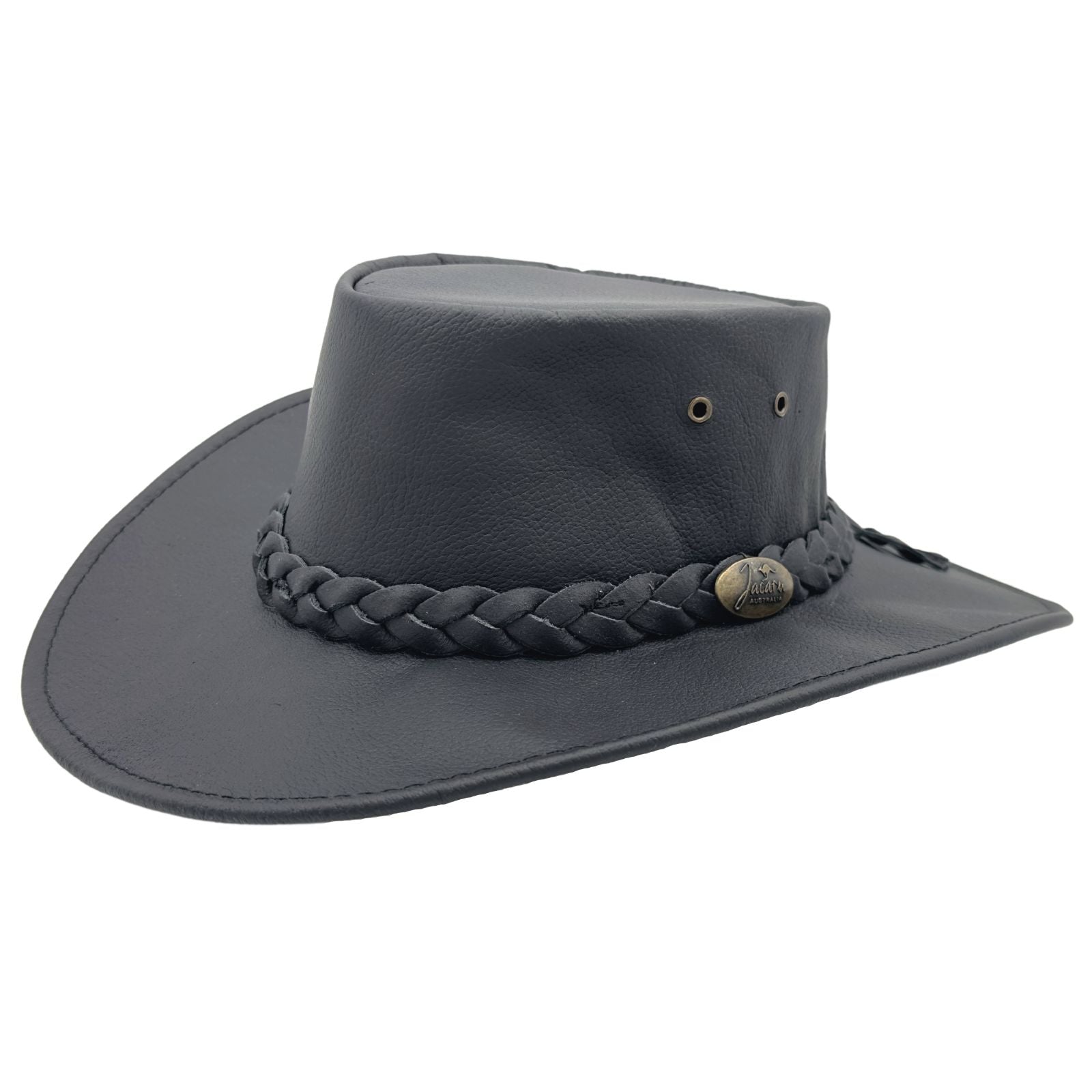


Straw Cowgirl Hats: 7 Things Worth Knowing Before You Buy

So you've been scrolling through Pinterest, spotted a gorgeous hat on a country singer, or maybe you just want to elevate your next outdoor festival look. Whatever brought you here, you're officially curious about straw cowgirl hats, and honestly? Great choice.
But here's the thing: walking into a store or browsing online without knowing what to look for can feel overwhelming. There are so many styles, materials, and price points that it's easy to end up with something that doesn't quite work for you. Trust me, not all straw cowgirl hats are created equal.
The good news is that you don't need to be a rodeo veteran to make a smart purchase. You just need a little guidance before you start shopping. In this post, we're breaking down seven things every beginner should know before buying their first straw cowgirl hat. From brim width to crown shape to how different straw types hold up in the heat, we've got you covered. By the end, you'll feel confident, informed, and ready to find your perfect hat.

Why Straw Cowgirl Hats Are Having a Moment
If you've noticed straw cowgirl hats popping up everywhere lately, you're not imagining it. The global cowboy hats market was valued at USD 1.2 billion in 2024 and is projected to reach USD 2.1 billion by 2033, growing at a steady 6.2% annually. That kind of growth doesn't happen by accident; it's being driven by a genuine cultural shift where Western style has moved firmly into mainstream fashion and festival culture.
What's really interesting is who's wearing these hats now. The market no longer just serves traditional Western wear enthusiasts. Fashion and lifestyle consumers have become a major end-user segment, which means straw cowgirl hats are sitting comfortably alongside sundresses, resort wear, and street style outfits. They've graduated from niche to everyday.
Social media has been a huge catalyst here. TikTok's 2026 cowgirl hat trend has racked up viral content with hundreds of thousands of likes, with hashtags like #coastalcowgirl, #summer2026, and #TikTokMadeMeBuyIt fuelling demand well beyond country music events. The cowboy women hat trend on TikTok shows festival lookbooks, everyday outfits, and vacation styling all featuring straw styles front and centre.
Sustainability is also playing a real role. Shoppers are actively choosing natural materials like straw over synthetic alternatives, and that preference is now a recognised market trend. Straw is renewable, breathable, and genuinely better for warm-weather wear, making it an easy choice for eco-conscious buyers who still want to look great.
1. Straw Type Actually Matters More Than You Think
When it comes to picking the right straw cowgirl hat, the material under that brim makes a much bigger difference than most beginners realise. Not all straw is created equal, and that gap in quality becomes very obvious once you're out in genuine heat and sun.
Natural straw varieties like raffia, seagrass, and toyo each bring something different to the table. Raffia, made from palm leaf fibre, is widely regarded as the gold standard for durability, rating five stars out of five compared to paper straw's two stars. Its tight natural weave delivers strong UV blocking and reliable shape retention even after repeated wear. Seagrass offers a distinctive earthy texture with solid structural properties, while toyo uses a shellac coating to boost shape retention and water resistance, though that coating does reduce breathability. For a detailed breakdown of how these varieties compare, this guide to the best types of straw cowboy hats is a useful starting point.
Australian conditions make this material conversation especially important. High UV exposure, dry outback heat, and unpredictable humidity mean your hat needs to do several jobs at once. A tight, breathable weave allows airflow across your scalp while the denser fibre creates a genuine barrier against UV rays. Loosely woven alternatives let more light through the gaps, which means less protection where you actually need it.
This is where mass-manufactured options can catch buyers off guard. Many volume-produced hats use composite or synthetic-blend materials that are labelled as straw but behave very differently under sustained outdoor use. They may look identical on a shelf but distort, fade, or lose shape far sooner.
Jacaru's straw cowboy hat range approaches this differently, selecting natural materials specifically suited to Australian outdoor performance rather than just visual appeal. That focus on material integrity is worth understanding before you buy.
2. Brim Width: Getting the Balance Between Style and Sun Protection
Brim width is one of the most practical decisions you'll make when choosing a straw cowgirl hat, and it comes down to how you plan to use it. Sun safety guidelines recommend a minimum brim width of 7.5 cm (3 inches) to cast meaningful shade over your face, neck, and ears. These are the areas that cop the most cumulative UV damage over time, so that 3-inch threshold is a genuine health baseline, not just a number someone made up.
If you're spending time outdoors, travelling, or heading into the Australian bush, you'll want to go wider. Brims in the 10 to 12 cm range (roughly 4 to 5 inches) provide significantly better coverage, and in Australian conditions where the UV index regularly hits extreme levels, that extra width genuinely matters. According to a helpful hat brim sizing guide, wider brims extend shade further down the face, neck, and even shoulders, making a real difference during long days outside.
Narrower brims are better suited to festivals, indoor events, or cooler climates where UV intensity is lower and the priority shifts toward style. They look sleek and fashion-forward, but they won't protect you the way a wider option will.
One thing beginners often overlook is brim shape. A rolled or curved brim can expose the sides of your face and ears even when the overall width looks generous. A flatter brim projects shade more evenly. For outdoor adventures or outback travel, also check that the brim has structural stiffness. A floppy brim that droops in heat or humidity provides far less protection than its stated width suggests. Straw blends like Shantung or Bangora tend to hold their shape better in warm conditions, making them a smarter pick for active outdoor wear.
3. What Makes a Straw Cowgirl Hat Actually Fit Well
Getting the right fit is honestly one of the most overlooked parts of buying a straw cowgirl hat, especially for first-timers. Here is what you actually need to know before you buy.
Start with an accurate measurement. Grab a soft tape measure and wrap it around your head just above your ears and across the mid-forehead. That is the widest point of your head, and it gives you a circumference reading in centimetres. Write that number down before you shop, because size labels vary between brands and a measurement takes the guesswork out of the process entirely. This step matters even more when you are buying online. You can find a helpful breakdown of this process in this expert guide on how a cowboy hat should fit.
Know what a good fit feels like. A well-fitting straw cowgirl hat sits level on your head, roughly one to two finger-widths above your ears. It should feel snug without pressing into your temples, and it definitely should not slide forward over your brow when you move. If it rocks, tilts, or leaves a red mark, it is not the right size.
Pay attention to the sweatband. Natural materials like cotton or leather are far more comfortable than synthetic linings when temperatures rise. They absorb moisture, allow better airflow, and help the hat grip your head without slipping.
Look for adjustable fit features. Many straw hats now include an internal drawstring or foam sizing strip, which is especially useful for accommodating half-sizes when ordering online.
Finally, fit is a practical outdoor issue, not just a comfort one. A hat that fits correctly stays on in a breeze, protecting both you and the hat itself from wind damage. A loose hat blowing off a structured straw brim is a fast way to crack it.
4. The Occasions That Actually Call for a Straw Cowgirl Hat
Now that you know what to look for in terms of materials and fit, it helps to think about where you'll actually be wearing your straw cowgirl hat. The good news is that this style is genuinely versatile, and once you own one, you'll keep finding new reasons to reach for it.
Festivals and Rodeos
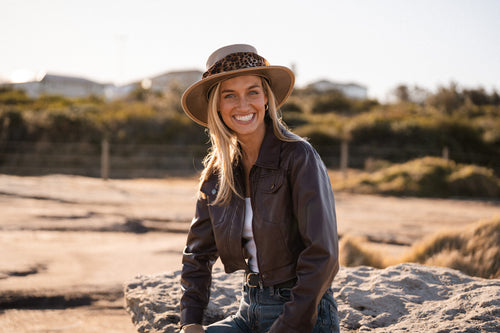
Country music festivals and rodeo events are the most natural setting for a straw cowgirl hat, and for good reason. You're on your feet for hours, often in direct sun, and you need something that breathes well and stays comfortable all day. The relaxed, wide-brimmed silhouette fits right in with the aesthetic while doing real work keeping the sun off your face. Straw cowboy hats for women dominate festival inspiration boards precisely because they hit the sweet spot between practical and stylish.
Beach and Coastal Trips
A lightweight straw hat with a wide brim is one of the smartest things you can pack for a beach holiday. It offers genuine sun protection, it doubles as a statement accessory with almost any summer outfit, and a good-quality straw hat can pack reasonably flat without losing its shape permanently. Think of it as doing double duty.
Australian Outback and Rural Travel
If you're heading into regional or outback Australia, the stakes are higher. UV levels in Australia are among the most intense in the world, and a premium straw hat with real structural integrity earns its place as functional gear rather than a fashion choice. This is where build quality matters enormously.
Garden Events, Race Days, and Outdoor Weddings
The straw cowgirl hat is increasingly appearing at dressed-up outdoor occasions as a style-forward alternative to traditional fascinators or wide-brimmed occasion hats. Garden parties and relaxed outdoor weddings in particular are embracing the silhouette.
Everyday City Wear
As Instagram creators have noted, there really is a cowboy hat for every summer moment. Paired with denim, ankle boots, or a relaxed summer dress, the straw cowgirl silhouette works beautifully as an everyday city accessory that ties the whole Western aesthetic together.
5. Australian-Made vs. Mass-Produced: Why Provenance Matters
Walk into any discount store or scroll through a generic online marketplace and you'll find straw cowgirl hats stacked high at prices that seem almost too good to be true. In many cases, they are. China is the dominant global manufacturing and export hub for hats, and that dominance creates a market flooded with look-alike products built to a price point rather than a standard. The result is a sea of hats that share the same silhouette but differ enormously in how long they'll actually last and how good they'll feel on your head after a full day outdoors.
Here's something worth knowing before you buy: a higher price tag should always reflect a verifiable origin and material story. If a brand can't tell you what the straw is, where it came from, or how the hat was constructed, the price premium you're paying is just a number on a label. Transparent material sourcing has shifted from a nice-to-have into a genuine purchasing signal, with buyers in 2026 increasingly asking questions that mass-production supply chains simply can't answer clearly.
This is where Australian-made hats occupy a genuinely different position. The Australian outback created its own hat-wearing tradition, one rooted in real conditions like punishing UV, dry heat, and physical outdoor work. That's not borrowed Western imagery from American cowboy culture; it's a distinct origin story with decades of practical context behind it. That narrative resonates with local buyers wanting something authentically Australian, and with international travellers seeking a meaningful souvenir that actually does a job.
Sustainability is also shifting the conversation. Small-batch Australian makers working with natural materials carry a transparency advantage that high-volume exporters structurally can't match.
Jacaru has been producing distinctively Australian hats from premium natural materials since 1969, with a range purpose-built for Australian outdoor conditions. Their straw hats are designed around the realities of the Australian climate, not around hitting a global export price. You can explore the full story behind hats made in Australia and what genuinely separates them from the alternatives.
6. How to Care for a Straw Hat So It Actually Lasts
You've invested in a quality straw cowgirl hat, so it makes sense to take care of it properly. The good news is that straw hat maintenance is genuinely simple once you know the basics.
1. Store it crown-down, always. When you're not wearing your hat, rest it upside down on its crown rather than leaving it brim-side down on a flat surface. Resting a hat on its brim repeatedly causes the brim to flatten and lose its shape under the hat's own weight. A dedicated hat stand works just as well if you prefer to display it, and a hatbox is ideal for longer-term storage between seasons.
2. Keep it out of direct sunlight when not in use. Straw is a natural plant-based fibre, and prolonged UV exposure dries it out, causes uneven bleaching, and makes the weave brittle over time. Avoid leaving your hat on a car's rear shelf, near a sunny window, or outdoors unattended. Think of it a little like a houseplant: it needs some care around its environment.
3. Spot clean gently and air dry away from heat. For surface marks, wipe with a damp cloth and a small amount of mild soap, moving in a circular motion. Air dry naturally away from radiators, car vents, or direct heat sources, as heat distorts the structure. Never submerge a structured straw hat in water.
4. Steam to reshape when needed. If your brim has gone slightly wonky, hold the affected area about 30 cm above a steam source for a few seconds until the straw softens, then gently reshape by hand and allow it to cool in the correct position. Be careful with steam burns.
5. Treat it as an investment, not a throwaway. Hat enthusiast communities regularly share stories of the same well-maintained straw hat lasting decades. Choosing quality and caring for it properly is genuinely the more sustainable and economical choice in the long run.
7. Why a Straw Cowgirl Hat Makes a Genuinely Thoughtful Gift
If you've been thinking about what to give someone who has everything, a quality straw cowgirl hat might just be the answer. Unlike ornamental souvenirs that gather dust on a shelf, a well-made straw hat gets worn. It goes to festivals, markets, outdoor events, and weekend barbecues. That practical, everyday wearability is what separates it from most gift options in the same price range.
For international visitors travelling through Australia, an Australian-made straw hat carries something a generic souvenir simply cannot: a genuine country-of-origin story. It says something specific about where it came from and the culture it reflects, making it a far more meaningful keepsake than a mass-produced trinket. That distinctiveness matters to travellers who want to bring home something real.
The corporate gifting angle is worth considering too. Industries with an outdoor, agricultural, or events focus find a natural fit with a premium straw cowgirl hat as a memorable gift, whether branded or left unbranded. Corporate Gift Experts in Australia already recognise straw cowboy hats as an established promotional product category, confirming genuine commercial demand.
Sizing is another reason hats make gifting easier than most apparel. When a brand offers a clear size range or adjustable fit options, the guesswork disappears entirely. Jacaru's range of Australian hats and accessories sits comfortably in this space, combining authentic provenance with real outdoor performance, making it a strong pick for both the gift and souvenir market.

The Bottom Line on Straw Cowgirl Hats
Choosing a straw cowgirl hat comes down to seven things: the straw type, brim width, fit, occasion, provenance, care, and whether it works as a gift. Get those seven right and you'll end up with a hat that earns its place in your wardrobe for years rather than seasons.
The market has genuinely shifted. Straw cowgirl hats are no longer just for country shows and rodeos. ELLE's 2026 summer trend coverage calls the cowboy silhouette one of the dominant vacation styles of the season, and with the global cowboy hats market on track to reach USD 2.1 billion by 2033, now is a strong time to invest in a piece that will actually hold up.
The biggest mistake first-time buyers make is letting price lead the decision. A cheap hat deteriorates fast under Australian sun, loses its shape in humidity, and often ends up replaced within a season. Natural materials, tight construction, and a clear origin story are what separate a lasting hat from a throwaway one.
Jacaru's ladies' hat and straw hat range is a practical starting point if you want an Australian-made option built for real outdoor conditions, not just a photoshoot. The provenance is traceable, the materials are genuine, and the design reflects decades of outdoor heritage.
Conclusion
Finding the perfect straw cowgirl hat does not have to feel like a guessing game. Now that you know what to look for, from brim width and crown shape to straw quality and sizing, you are equipped to shop with real confidence. Remember that fit matters just as much as style, and the right material can make all the difference in comfort and durability.
You deserve a hat that looks great and actually works for your lifestyle. So whether you are headed to a summer festival, a country concert, or simply want to add some Western flair to your everyday wardrobe, take these seven tips with you.
Ready to find your perfect match? Start browsing with intention, trust what you have learned here, and do not be afraid to try a few styles on. Your ideal hat is out there waiting for you.


Our friends at Bocchetta Plush Toys have a great range of lifelike plush animals that make great gifts for people of all ages.