






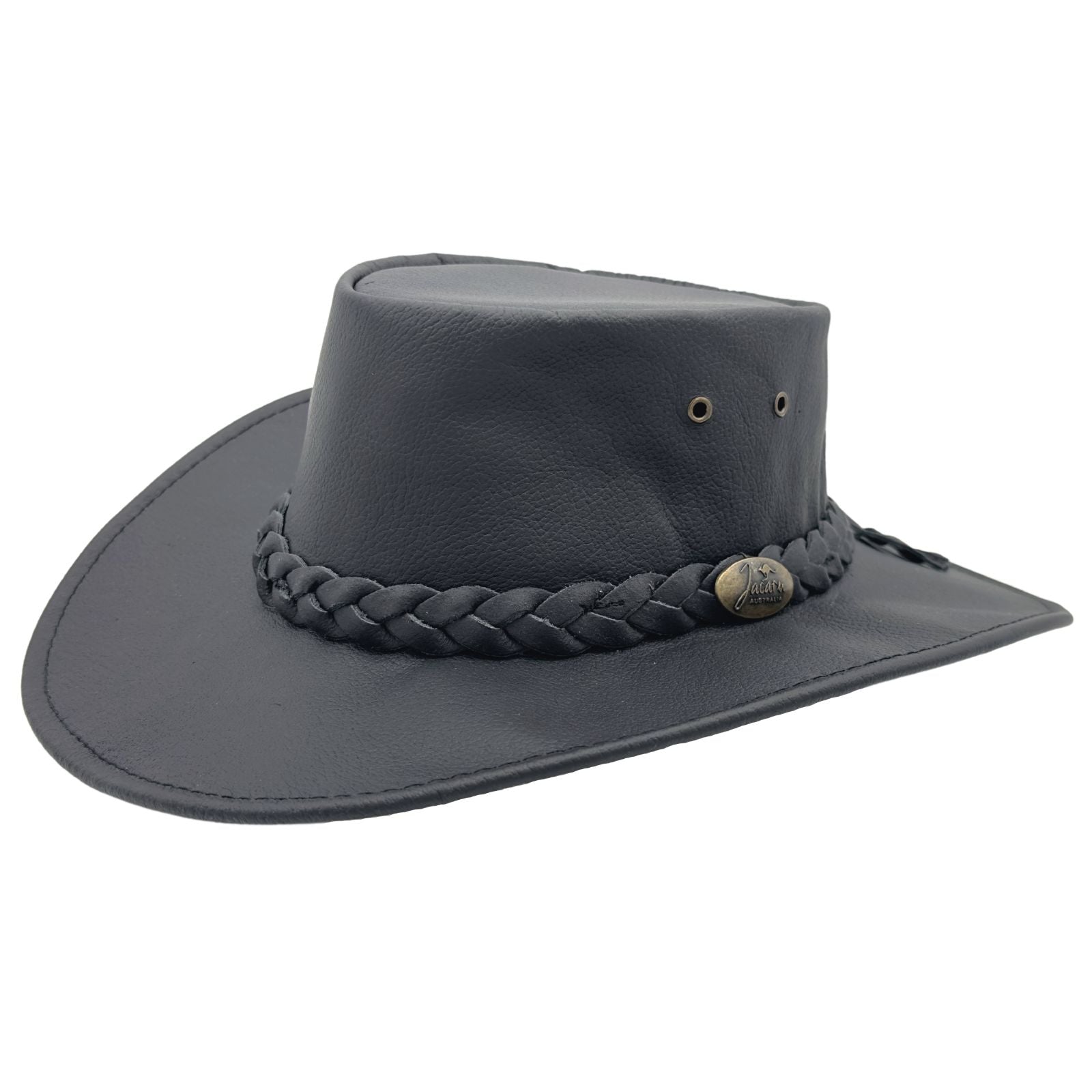


Australian Kangaroo Hats: 7 Things Every Buyer Should Know

Few accessories blend rugged charm and cultural identity quite like the australian kangaroo hat. Whether you have spotted one at a tourist market, seen it on an adventurous traveler, or simply found yourself curious about this iconic piece of headwear, you are in the right place to learn everything you need to know before making a purchase.
Choosing the right kangaroo hat is not as straightforward as it might seem. From understanding the materials and construction to knowing what separates an authentic product from a cheap imitation, first-time buyers often feel overwhelmed by the options available. The good news is that with a little guidance, finding the perfect hat becomes a much simpler process.
In this guide, we will walk you through seven essential things every buyer should consider before investing in an australian kangaroo hat. By the time you finish reading, you will feel confident about what to look for, what questions to ask, and how to get the best possible value for your money. Let's get started.
Why Kangaroo Leather Stands Apart From Every Other Hat Material

Not all hat materials are created equal, and kangaroo leather sits in a category entirely its own. Understanding why begins with the material itself, and once you know what makes it unique, the choice becomes straightforward for anyone serious about outdoor performance and lasting quality.
1. Unmatched Strength Without the Weight
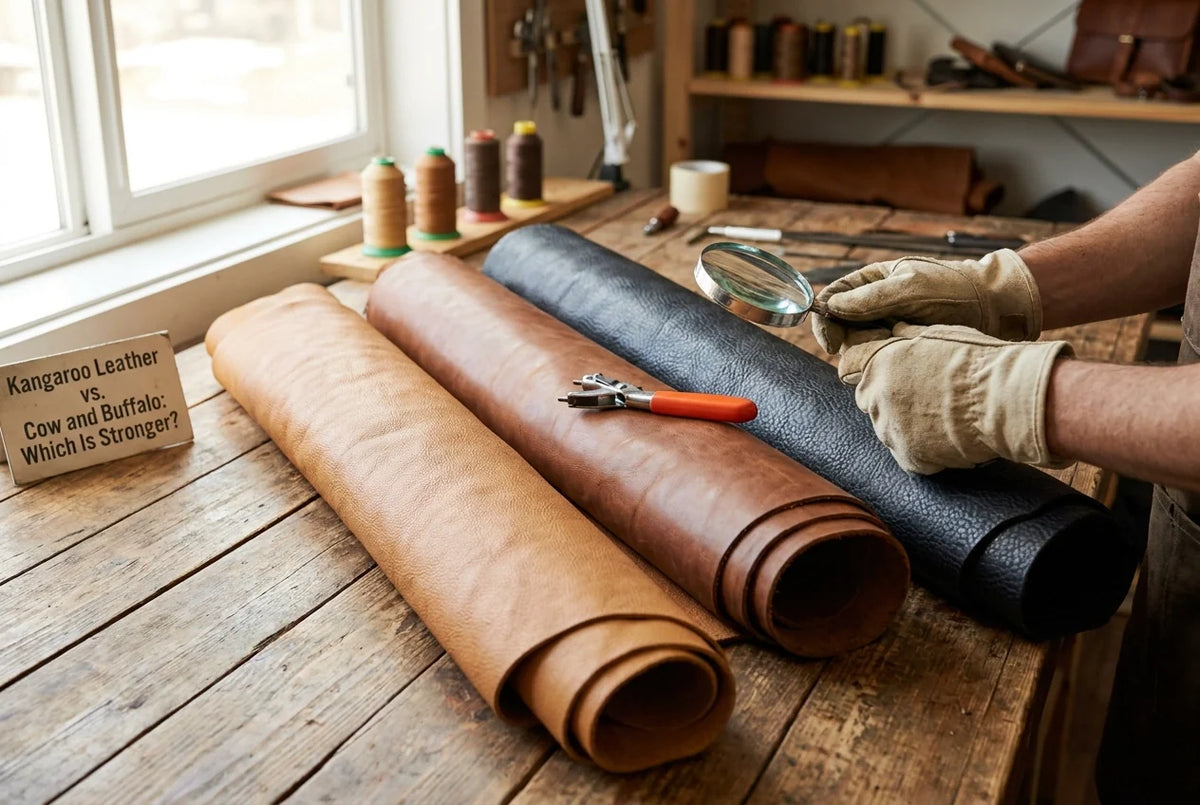
Kangaroo leather is pound-for-pound stronger than cowhide, yet it can be worked to a fraction of the thickness without sacrificing durability. A hat crafted from kangaroo hide weighs noticeably less than an equivalent cowhide version, reducing fatigue during long days on the trail, the farm, or in the field. Some comparisons show kangaroo leather retaining far more tensile strength than cowhide when thinned to the same measurement, meaning you get a lighter hat that simply outlasts heavier alternatives. For beginners choosing their first serious outdoor hat, this strength-to-weight advantage is one of the most compelling reasons to invest in kangaroo leather hat construction.
2. Superior Fibre Structure for Long-Term Durability
The collagen fibres in kangaroo hide are tightly packed and uniformly aligned, creating a dense internal matrix that resists abrasion, tearing, and deformation. Cowhide and buffalo leather have a more irregular fibre weave, which creates weak points over time. Kangaroo leather holds its shape season after season, even after repeated packing, crushing, and exposure to rough conditions. Scratches tend to develop into a rich patina rather than structural damage, meaning the hat actually looks better with age.
3. Natural Water Repellency and Breathability
The low fat content and tight fibre weave of kangaroo hide give it a natural resistance to light rain, often shedding moisture without any additional treatment. Equally important, the material breathes well, preventing heat and sweat buildup during prolonged wear in Australia's intense sun. This combination, as detailed in research on kangaroo leather performance, makes it uniquely suited to climates where conditions shift quickly between scorching heat and sudden downpours.
4. UPF 50+ Sun Protection for Real Outdoor Needs
Many kangaroo leather hats, particularly wide-brim outback styles, achieve UPF 50+ ratings, blocking approximately 98% of harmful UVA and UVB rays. For outdoor workers, hikers, and travellers spending extended hours under Australia's harsh sun, this is a genuine health benefit rather than a marketing claim. The leather's density contributes directly to this protection without requiring chemical additives or heavy coatings.
5. A Growing Market Rewarding Premium Natural Materials
The global hats market is projected to grow from USD 11.04 billion in 2026 to USD 18.97 billion by 2034, at a CAGR of 6.31%. Within that growth, premium segments built around natural, durable, and sustainably sourced materials are outpacing generic synthetic headwear. Kangaroo leather sits firmly in this premium niche, benefiting from rising consumer demand for quality, heritage craftsmanship, and products built to last rather than be replaced seasonally.
Kangaroo Leather vs. Cowhide: Which Actually Performs Better?
When choosing between kangaroo leather and cowhide for an outback-style hat, the differences go well beyond surface appearances. Each material has genuine strengths, but for most buyers, especially those venturing outdoors or travelling frequently, the performance gap is meaningful.
Weight and Wearability Over Long Days
Cowhide is naturally thicker and denser, which means a cowhide hat carries noticeably more weight on your head over extended periods. On a full day of hiking or a travel day involving multiple flights, layovers, and long walks through airports, that extra weight accumulates into real fatigue. Kangaroo leather achieves equivalent or greater strength at a significantly reduced thickness, resulting in a hat that feels lighter and less burdensome from morning to evening. For anyone planning active outdoor use, this difference matters considerably.
Shape Recovery After Packing
Kangaroo leather's fibre structure is unusually uniform and dense, with evenly distributed elastin and minimal fat content. This means the material flexes under pressure and springs back reliably without permanent creasing or cracking. Pack a kangaroo leather hat into a bag, and it recovers its original form once removed. Cowhide, being stiffer by nature, is more prone to holding unwanted creases when compressed. This is why premium kangaroo leather hats from Jacaru are frequently marketed as crushable and travel-ready.
Heat Breathability and Rain Resistance
Because kangaroo leather delivers its strength at a lower thickness, it creates less of a heat-trapping effect around the head. Thick cowhide acts as insulation, which becomes uncomfortable in warm or humid climates. Kangaroo leather allows more airflow, making it the practical choice for Australia's harsh conditions. Regarding rain, both materials respond well to proper conditioning, but kangaroo's tighter fibre structure absorbs moisture more slowly and dries considerably faster after exposure.
What Buyers Are Saying
Community discussions among hat buyers consistently reflect these advantages. Across Reddit threads comparing leather hat options for warm-climate walking and travel, kangaroo leather receives strong preference for its lightness, packability, and all-day comfort. Cowhide earns appreciation from buyers who specifically want a rigid, structured brim that holds a defined shape without any flex. Both materials serve a purpose, but your intended use should guide the decision clearly.
The Main Styles of Australian Kangaroo Hats and What Each One Is For
Not all kangaroo hats serve the same purpose, and knowing the difference between styles helps you invest in exactly the right piece. Jacaru offers approximately 17 kangaroo leather hat models, each designed around a specific use case, aesthetic preference, or travel need. Here is a breakdown of the six main styles and what each one is built for.
1. The Classic Wide-Brim Outback Hat
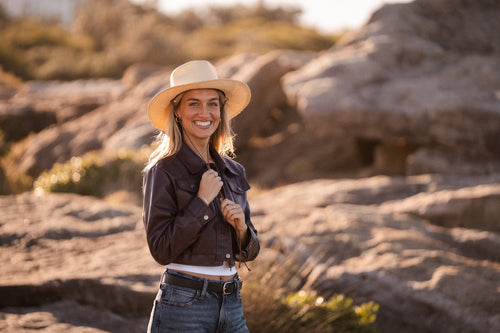
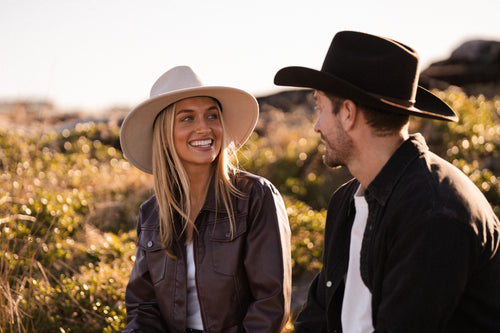
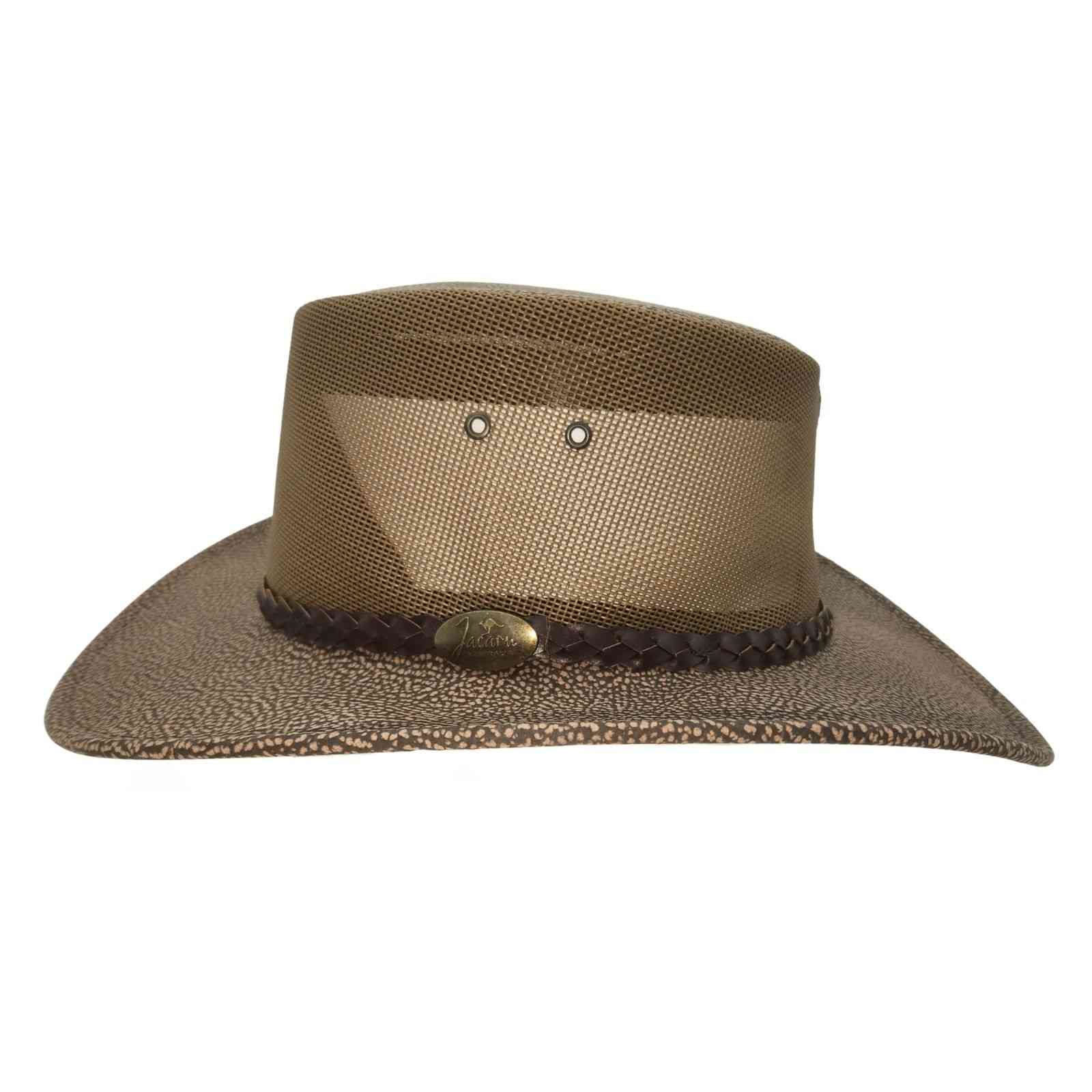
This is the style most people picture when they hear "Australian kangaroo hat." Models like the Jacaru 1001 Premium and 1001P Featherweight feature a ~9.5 cm crown and a broad brim delivering full facial and neck coverage. Priced from around $72 AUD, they offer UPF 50+ sun protection, natural water resistance, and a crushable construction that packs flat without losing its shape. These hats are built for bush walks, farm work, and extended outdoor travel where reliable sun protection is non-negotiable.
2. The Bushranger Style
The Jacaru 1018 Bushranger features a shaped crown and a distinctively curled brim that references Australia's frontier heritage. It carries the same premium kangaroo leather construction but delivers a bolder silhouette for buyers who want their hat to make a statement as much as it performs. If you want something that looks like it belongs in the Australian outback rather than just functions there, this is your style.
3. Trilby and Fedora Crossovers
The Jacaru 4801 adapts kangaroo leather into a narrower-brim trilby profile, bringing all the material's durability and lightweight feel into urban and casual settings. Travellers who want the genuine article without committing to a full wide-brim silhouette find this style bridges rugged authenticity with contemporary wear.
4. The Drivers Cap
The Jacaru 2500 delivers kangaroo leather in a structured flat-peak cap format. It is ideal for city wear, road trips, and any situation where a wide brim feels impractical. You get the material's strength and Australian heritage in a compact, versatile profile.
5. Crocodile Accent Variants
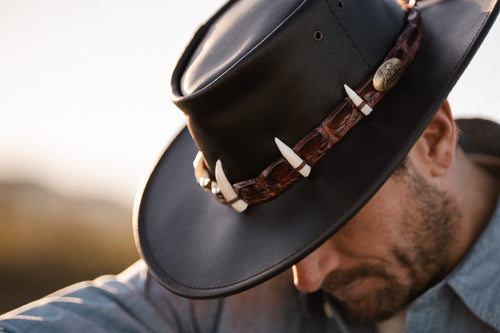
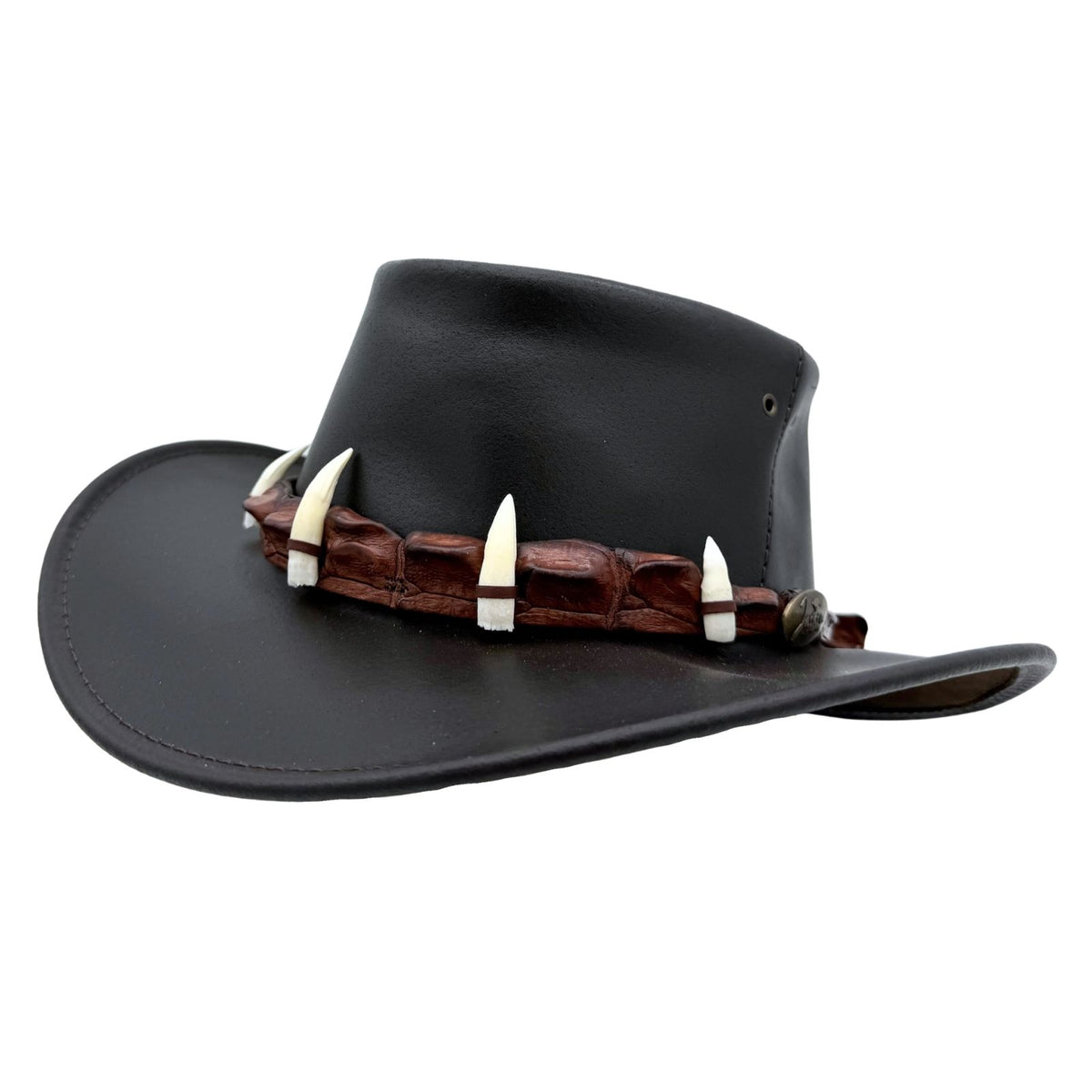
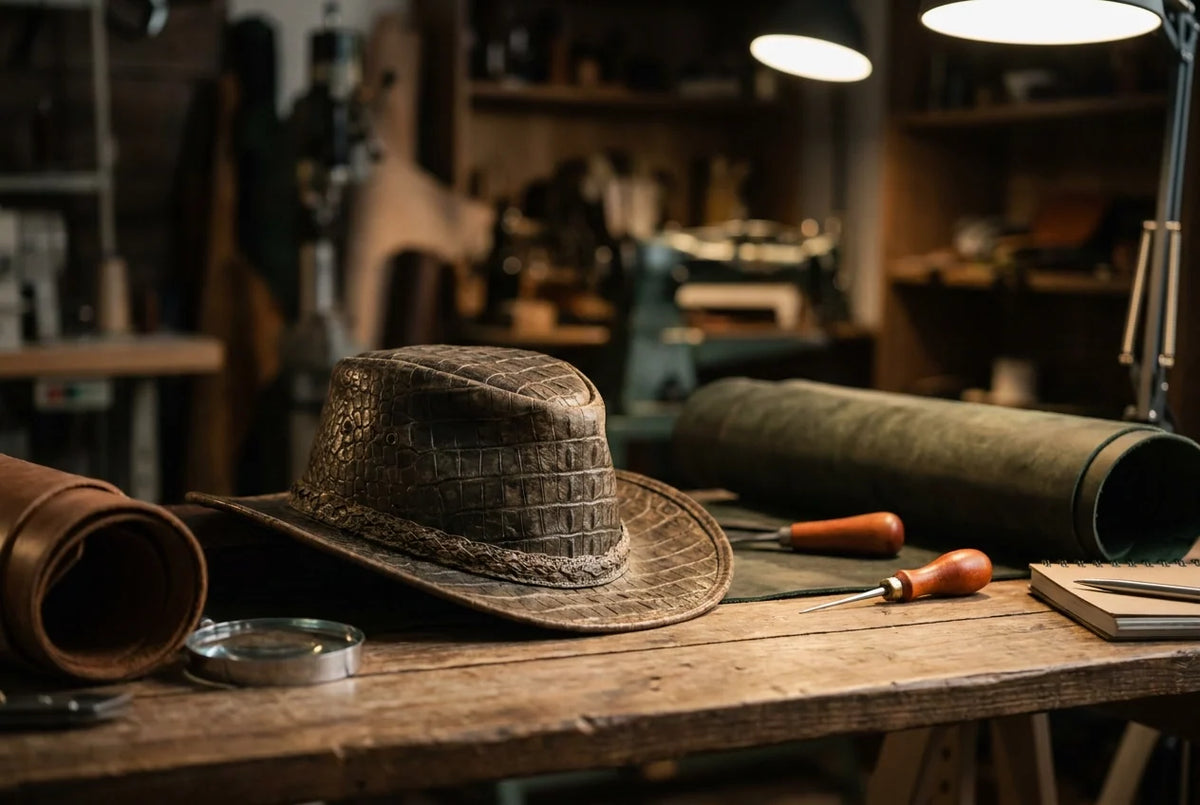
These models incorporate genuine crocodile teeth and backstrap hatbands onto a kangaroo leather base, creating the unmistakable Crocodile Dundee aesthetic. They resonate strongly with international visitors and gift buyers who want something unmistakably, uniquely Australian. Function takes a secondary role here; cultural impact and novelty are the headline appeal.
6. Stonewash Finishes and the Roo Nomad Traveller
The Roo Nomad Traveller models feature memory wire brims and highly foldable construction designed specifically for long-haul travel. The stonewash finish adds an aged, worn-in patina straight from the box, appealing to buyers who prefer a vintage aesthetic without waiting years for a natural break-in. For travellers prioritising packability alongside character, this range represents the most purpose-built option in the entire collection.
The Best Packable Australian Hat for Travellers Who Pack Light
For travellers who refuse to check a hat box or sacrifice headwear to the chaos of overhead bins, kangaroo leather is the material that changes everything. Its extraordinary strength-to-weight ratio, which surpasses cowhide on a pound-for-pound basis, means a well-crafted kangaroo leather hat can be rolled, folded, or crushed into a compact carry bag and spring back to its original shape without permanent creasing. This resilience is not a marketing claim; it is a direct result of the leather's unique fibre structure, which gives it flexibility and memory that heavier hides simply cannot match.
The Jacaru Roo Nomad Traveller is the clearest example of a hat built entirely around the traveller's needs. Engineered with a memory wire brim for reliable shape recovery, it is explicitly designed to be foldable, rollable, and squashable without damage. It ships with a dedicated travel bag sized for airline overhead compartments, backpack side pockets, and checked luggage alike. With a UPF 50+ rating and a 10-year warranty, it covers sun protection in tropical, Mediterranean, and outback conditions while functioning as a piece of authentic Australian travel gear. That dual role, practical sun shield and genuine souvenir, makes it one of the most efficient single items a long-haul traveller can carry.
This travel use case drives significant international demand. Buyers from the United States and across the European Union regularly order online and request international shipping, with customer reviews frequently describing these hats as the only headwear they pack for multi-week trips. That appetite aligns with broader market data: Australia's headwear import market is growing at a CAGR of approximately 11.93%, reflecting rising global appetite for quality headwear and supporting the international reach of premium Australian styles. For anyone who packs light, a crushable kangaroo leather hat is one of the smartest investments in the bag.
Is Kangaroo Leather Sustainable? The Ethical Sourcing Story
For buyers who care about what their purchases are made from, kangaroo leather has a sourcing story that genuinely holds up under scrutiny. This is not greenwashing backed by vague claims. It is a material underpinned by more than six decades of documented, government-regulated wildlife management.
A legally managed resource since 1959
Commercial kangaroo harvesting in Australia has operated under formal legal frameworks since 1959, making it one of the longest-running regulated wild harvest industries on earth. State governments conduct aerial population surveys annually, and quotas are set at roughly 10 to 20 percent of estimated regional populations to maintain ecological balance. For context, New South Wales alone set a commercial quota of over 1.4 million kangaroos for 2026, calibrated carefully against survey data. Federal oversight under wildlife trade management frameworks adds another layer of accountability. You can review the Australian Government's kangaroo export and management framework to see exactly how this system operates in practice.
A byproduct, not the primary product
Kangaroo leather reaches tanneries as a byproduct of the commercial meat industry. Licensed professional shooters harvest animals primarily for human consumption and pet food. Hides that would otherwise be discarded as landfill waste are instead converted into premium leather goods, including hats, accessories, and footwear. This byproduct model meaningfully reduces material waste compared to industries where animals are raised solely for their skins.
A measurably smaller environmental footprint
Kangaroos are wild animals grazing on existing rangelands. Their harvest requires no land clearing, no supplemental feeding, and no dedicated farming infrastructure. Research indicates that beef cattle produce approximately 12 times more methane per kilogram of meat than kangaroos, owing to differences in digestive biology. That gap translates directly into a lower carbon cost for every kangaroo leather hat sold. For a thorough breakdown of sustainability and ethics in kangaroo leather, the case is well documented across regulatory and industry sources.
Supporting Australian industry and craft skills
Australia's leather manufacturing sector is estimated at approximately $484.4 million, with kangaroo leather occupying a recognised premium niche within it. Brands like Jacaru keep this value within Australian communities, supporting regional livelihoods and preserving the traditional craft skills behind every hand-finished hat. According to the Kangaroo industry overview, the commercial harvest underpins meaningful economic activity across rural Australia. For buyers seeking a sustainable, natural alternative to imported cowhide or synthetic materials, kangaroo leather offers credentials built on decades of science-based management rather than marketing promises.
How to Size, Fit, and Care for Your Kangaroo Leather Hat
Getting the right fit and keeping your hat in excellent condition are just as important as choosing the right style. Follow these five practical steps to ensure your kangaroo leather hat serves you well for years.
1. Measure in Centimetres Before You Order
Australian hat sizing follows head circumference in centimetres, measured at the widest point of your head, roughly above the ears and just above the eyebrows. This differs from US conventions, which typically use S/M/L/XL labels or numerical inch-based sizes. International buyers who skip this step often receive a hat that does not fit correctly. Use a soft fabric tape measure, wrap it snugly around your head at the hat-sitting position, and record the number in centimetres. If you land between sizes, round up to the larger size, as kangaroo leather softens and conforms slightly with wear. Jacaru provides a dedicated size chart to guide buyers through this process before ordering.
2. Check the Fit Before Heading Outdoors
A properly fitted kangaroo leather hat sits snugly without creating pressure points and stays in place during natural movement without constant readjustment. Test the fit by walking, bending forward, and turning your head. If you plan to wear your hat in high-wind environments, on horseback, or during active outdoor pursuits, a chinstrap is a practical addition. Chinstraps attach beneath the jaw and keep the hat secure without restricting movement when adjusted correctly.
3. Condition the Leather Regularly
Conditioning is the single most important maintenance step for any kangaroo leather hat. Apply a dedicated leather conditioner every few months to prevent the hide from drying out, cracking, or losing its natural suppleness. In dry or arid climates, condition more frequently. Avoid petroleum-based products, which can break down leather fibres over time.
4. Handle Moisture the Right Way
Light rain will not damage kangaroo leather, but how you respond afterward matters. Blot excess moisture with a soft, dry cloth and allow the hat to air dry naturally at room temperature. Keep it away from campfires, car dashboards, heaters, and direct sunlight. Intense or concentrated heat causes leather to shrink, stiffen, or warp permanently.
5. Store It Correctly Between Uses
Long-term storage has a direct impact on your hat's shape. Keep it in a cool, dry location, either with the brim resting flat on a shelf or placed crown-down on a clean surface. Avoid hanging the hat from a peg or hook, as sustained pressure on one brim point gradually distorts its shape. Proper storage costs nothing and preserves the hat's structure across seasons.
Buying an Australian Kangaroo Hat as a Gift or Souvenir
A kangaroo leather hat is not a generic souvenir sitting on a shelf next to fridge magnets and keychains. It is a working piece of Australian heritage made from genuine material, carrying cultural weight and practical value that travels with the recipient long after the trip ends. Unlike mass-produced novelties, a kangaroo leather hat is wearable, durable, and distinctly Australian in a way that nothing else quite matches.
For international gift buyers, Crocodile accent styles and Bushranger designs are consistently the strongest choices. Jacaru's Bushranger and Croc Hunter models combine 100% kangaroo leather construction with crocodile tooth and leather band details that instantly communicate the Australian outback aesthetic. These styles reference the iconic Crocodile Dundee image that resonates with buyers from the US, UK, Europe, and beyond. Whether purchased for a personal gift or a corporate presentation, these designs deliver a story alongside the product.
Corporate buyers have genuine options worth exploring. Jacaru's corporate gifts range extends well beyond hats to include kangaroo leather keyrings, fur items, and complementary accessories that combine into cohesive, premium gift sets. Branded or customised orders are available through wholesale channels, making it straightforward to source consistent, high-quality Australian-made items for business gifting at scale.
A note on importing kangaroo leather products overseas: Australian commercially harvested kangaroo species are non-CITES-listed, meaning certified products have historically met legal import requirements in major markets including the US, EU, and UK. However, regulations are evolving, and buyers should confirm current rules with the relevant customs authority or retailer before shipping internationally.
Pairing a kangaroo leather hat with a matching keyring or leather accessory from Jacaru's full range elevates the gift from a single item into a curated set that reflects genuine Australian craftsmanship, making it a far more memorable and considered choice than anything a typical souvenir shop can offer.
Finding the Right Australian Kangaroo Hat for You
With the key facts now covered across this guide, the decision comes down to matching the right hat to your specific needs. Kangaroo leather offers a clear material advantage: it is lighter and stronger than cowhide, naturally water-repellent, breathable, and built to last decades with proper care. Style selection should reflect your intended use, whether that is a wide-brim Bushranger for serious outdoor work, a Nomad Traveller for compact packing, or a croc-accented model for standout character. Travellers should prioritise crushable designs that recover their shape effortlessly. Ethically minded buyers can purchase with confidence, knowing kangaroo leather is a regulated, sustainable by-product of responsible wildlife management.
Before ordering, measure your head circumference with a flexible tape just above your ears and eyebrows. Then consider whether your activities call for a chinstrap, a stonewash finish for instant rugged appeal, or a crocodile accent for bold Australian flair.
Start your search at Jacaru's kangaroo leather hats collection, which brings together Australia's most comprehensive range of handcrafted styles in one place. Whether purchasing for yourself or as a meaningful gift, a genuine Australian kangaroo leather hat combines function, heritage, and long-term durability in a way few other items can match.
Conclusion

Buying an Australian kangaroo hat is a rewarding experience when you go in prepared. To recap the essentials: always prioritize authentic materials and quality construction, learn to distinguish genuine products from cheap imitations, and shop from reputable sellers who stand behind their craftsmanship. Understanding these key factors ensures you invest in a hat that lasts for years rather than one that disappoints after a single season.
Now that you are equipped with the knowledge to make a confident, informed decision, it is time to take action. Browse trusted Australian retailers, ask the right questions, and trust your instincts when evaluating quality. A well-chosen kangaroo hat is more than an accessory. It is a piece of genuine Australian heritage you can wear with pride wherever your adventures take you.
Frequently Asked Questions
Why is kangaroo leather better than cowhide for an outback hat?
Kangaroo leather is pound-for-pound stronger than cowhide yet significantly lighter, thanks to its tightly packed, uniformly aligned collagen fibres. This means a kangaroo leather hat causes less fatigue during long days outdoors, recovers its shape after being packed or crushed, breathes better in hot climates, and naturally resists light rain — making it the superior choice for active outdoor use compared to heavier, stiffer cowhide alternatives.
Is kangaroo leather ethically and sustainably sourced?
Yes. Commercial kangaroo harvesting in Australia has been legally regulated since 1959, with annual government aerial surveys used to set quotas at roughly 10–20% of regional populations. Kangaroo leather is a byproduct of the meat industry — hides that would otherwise become landfill waste are converted into premium leather goods. Because kangaroos are wild-grazing animals, their harvest requires no land clearing or farming infrastructure, and they produce approximately 12 times less methane per kilogram of meat than cattle, giving kangaroo leather a measurably smaller environmental footprint.
What is the best Australian kangaroo hat style for travellers who pack light?
The Jacaru Roo Nomad Traveller is the top choice for light packers. It features a memory wire brim engineered for reliable shape recovery after being folded, rolled, or crushed, and it ships with a dedicated travel bag designed to fit in airline overhead compartments and backpack pockets. It also carries a UPF 50+ rating and a 10-year warranty, making it both a practical sun shield and a piece of authentic Australian travel gear in a single, compact item.
How do I measure my head to find the correct kangaroo hat size?
Australian hat sizing is based on head circumference measured in centimetres. Use a soft fabric tape measure and wrap it snugly around the widest part of your head — just above your ears and eyebrows. Record the number in centimetres and refer to the retailer's size chart before ordering. If you fall between two sizes, round up to the larger one, as kangaroo leather naturally softens and conforms slightly with wear over time.
How should I care for and maintain my kangaroo leather hat to make it last?
To keep your kangaroo leather hat in excellent condition, apply a dedicated leather conditioner every few months — more frequently in dry or arid climates — and avoid petroleum-based products that can break down the fibres. If the hat gets wet, blot excess moisture with a soft cloth and air dry it at room temperature, away from direct heat sources like campfires or car dashboards. For storage, keep the hat in a cool, dry place with the brim resting flat or the crown placed down on a clean surface, and avoid hanging it from a peg, which can gradually distort the brim's shape.


Our friends at Bocchetta Plush Toys have a great range of lifelike plush animals that make great gifts for people of all ages.