






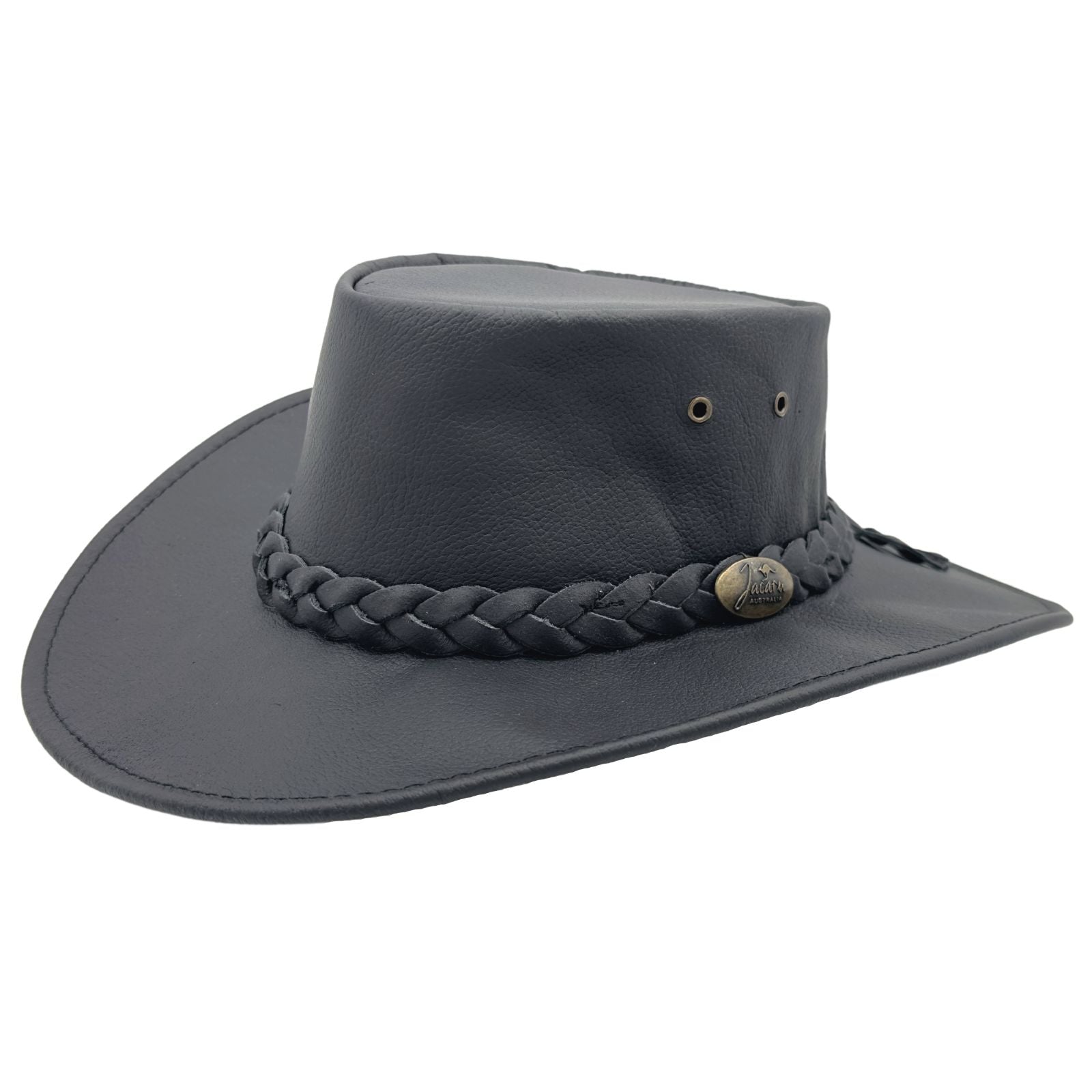


Aussie Made Hats: What to Look For and Why It Matters

Picture this: you're standing in a store, hat in hand, wondering if it's actually worth the price tag or if you're just paying for a label. Sound familiar? When it comes to aussie made hats, knowing what to look for can make all the difference between a purchase you'll love for years and one that falls apart after a single summer.
Australia has a long and proud tradition of crafting quality headwear built to handle everything from scorching beach days to rugged outback conditions. But with so many options out there, it can feel overwhelming trying to figure out what actually makes a locally made hat worth your money.
That's exactly why we've put together this simple, beginner-friendly guide. We'll walk you through the key things to look for when shopping for aussie made hats, explain why buying local actually matters, and help you feel confident in your next purchase. No confusing jargon, no overwhelming detail, just practical tips you can use straight away. Let's get into it!
Why 'Made in Australia' Is More Than a Label

Here's the thing: when you pick up a hat with an Australian outback design, a kangaroo motif, or a rugged leather brim, you might reasonably assume it was made in Australia. Often, it wasn't. China is the world's dominant manufacturing and export hub for hats, and a huge proportion of headwear sold globally, including products dressed up in Australian imagery, is produced offshore. That makes "Made in Australia" a meaningful filter when you're shopping, not just a nice-sounding label on a swing tag.
The global hats and caps market is projected to grow from around $12.5 billion in 2025 to $17.6 billion by 2033, according to Cognitive Market Research (4.382% CAGR). Within that growth, sustainable and locally made products are among the most talked-about trends driving purchasing decisions. Buyers are increasingly asking where something came from, and how it was made.
In Australia, there's a reliable way to answer that question. The Australian Made Campaign's green-and-gold kangaroo logo is a registered certification trademark, not a sticker any brand can slap on. It's backed by Australian Consumer Law and has operated for more than 40 years. According to the Victorian Chamber of Commerce and Industry, the logo is recognised by 99% of Australians and trusted by 93% of consumers, making it a genuinely powerful trust signal, both locally and for international buyers.
For tourists and gift buyers especially, "Made in Australia" is a cultural authenticity marker. A hat crafted from Australian kangaroo leather tells a story. The same design stitched together offshore simply doesn't carry that. Jacaru's hats are made using materials sourced and crafted in Australia, including kangaroo leather, wool, and straw, so the story behind every hat is a genuine one.
What Makes a Hat Genuinely Australian-Made?
So, what actually qualifies a hat as genuinely Australian-made? The answer has a few layers, and understanding them helps you shop smarter.
True Australian-made headwear involves three distinct elements: local sourcing of raw materials, local craftsmanship, and local finishing. The catch is that each of these steps can be outsourced independently. A hat can be assembled in Australia using imported materials and still get labelled in ways that suggest local production. That is why asking "where were the materials sourced?" matters just as much as asking "where was it made?"

The Australian Made Campaign provides the clearest benchmark for shoppers. To carry the recognisable green and gold logo, a product must have a significant portion of its production costs occur on Australian soil. That is a meaningful legal standard, and it is very different from phrases like "designed in Australia" or "inspired by Australia," which carry no equivalent obligation. If a hat uses that kind of language without the logo, dig a little deeper before buying.
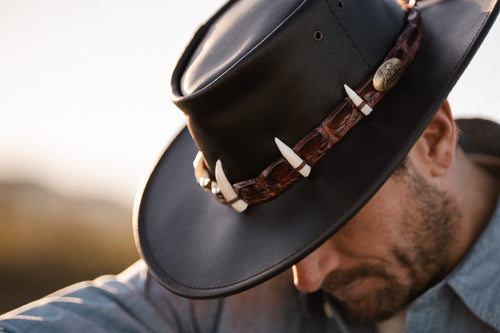
Within the Australian hat market, a handful of established makers occupy distinct categories. Akubra is the household name, known for wool felt construction with deep roots in regional New South Wales. Barmah Hats sits in the crushable leather and wool space, popular with travellers. Jacaru carves out its own territory with premium and exotic materials: kangaroo leather, buffalo leather, wool, straw, and genuinely distinctive crocodile teeth hat bands that mainstream makers simply do not offer.
When you are evaluating any brand's claims, run through this quick checklist:
Where do the materials come from? Country of origin for raw materials matters.
Where does manufacturing happen? Full-process local production is the gold standard.
Is the Australian Made logo present? That certification is your clearest verified signal.
Can the brand describe its supply chain? Transparency from first cut to final stitch, as some makers put it, is a strong sign of genuine local production.
The Materials That Define Australian Hats
Not all hats are created equal, and the material is where the real story begins. Australian-made hats stand apart from mass-produced imports largely because of the natural materials used to craft them. Here's a breakdown of the key materials you'll encounter when shopping for genuinely aussie made hats.
Kangaroo Leather
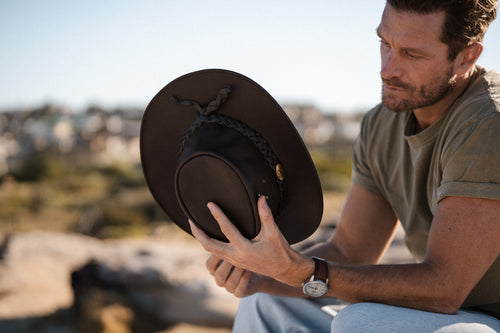
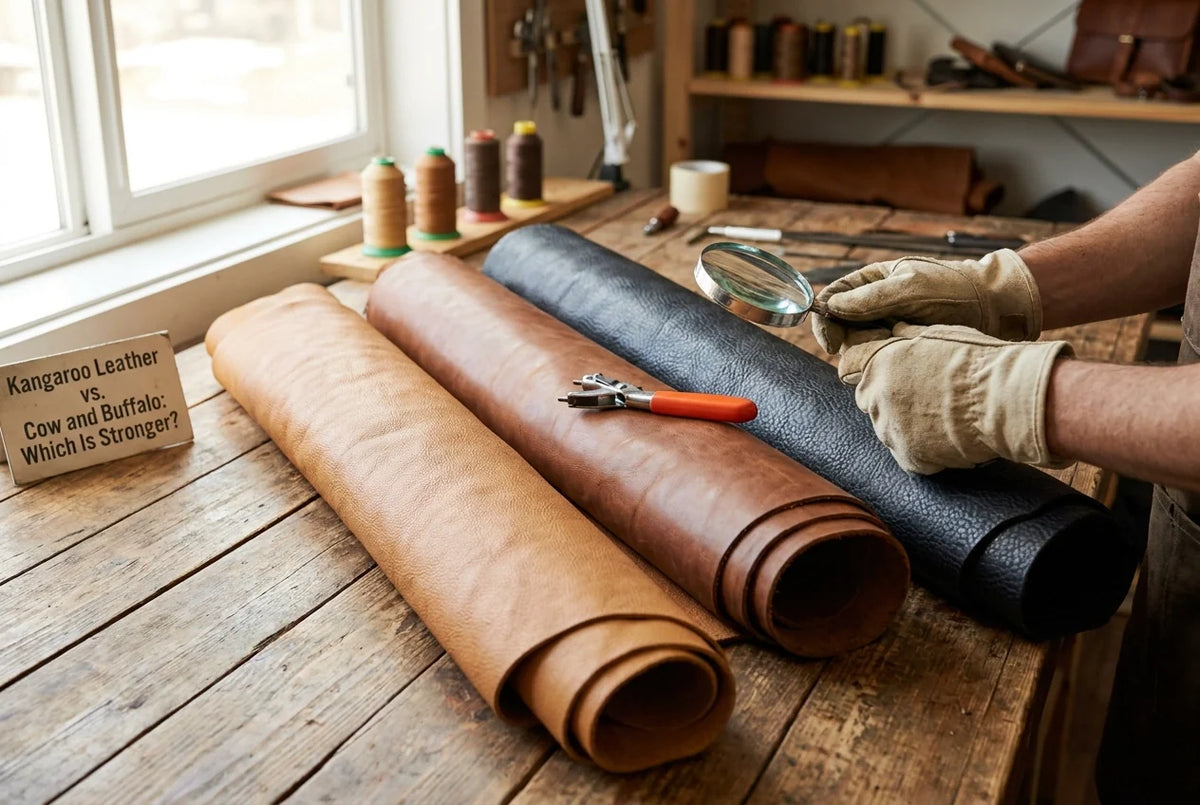
This is the one that turns heads. Kangaroo leather is uniquely Australian, meaning it simply cannot be sourced anywhere else in the world. It has an exceptionally fine grain and one of the highest tensile strengths of any natural leather relative to its weight, so you get serious durability without the bulk. Jacaru has used kangaroo leather in their outback-style hats since 1969, treating it as both a practical choice and a mark of Australian provenance. If you want a hat that can handle rough outdoor conditions while still feeling lightweight on your head, this is the material to look for. You can learn more about why Jacaru's kangaroo leather hats are worth the premium directly from their blog.
Wool Felt
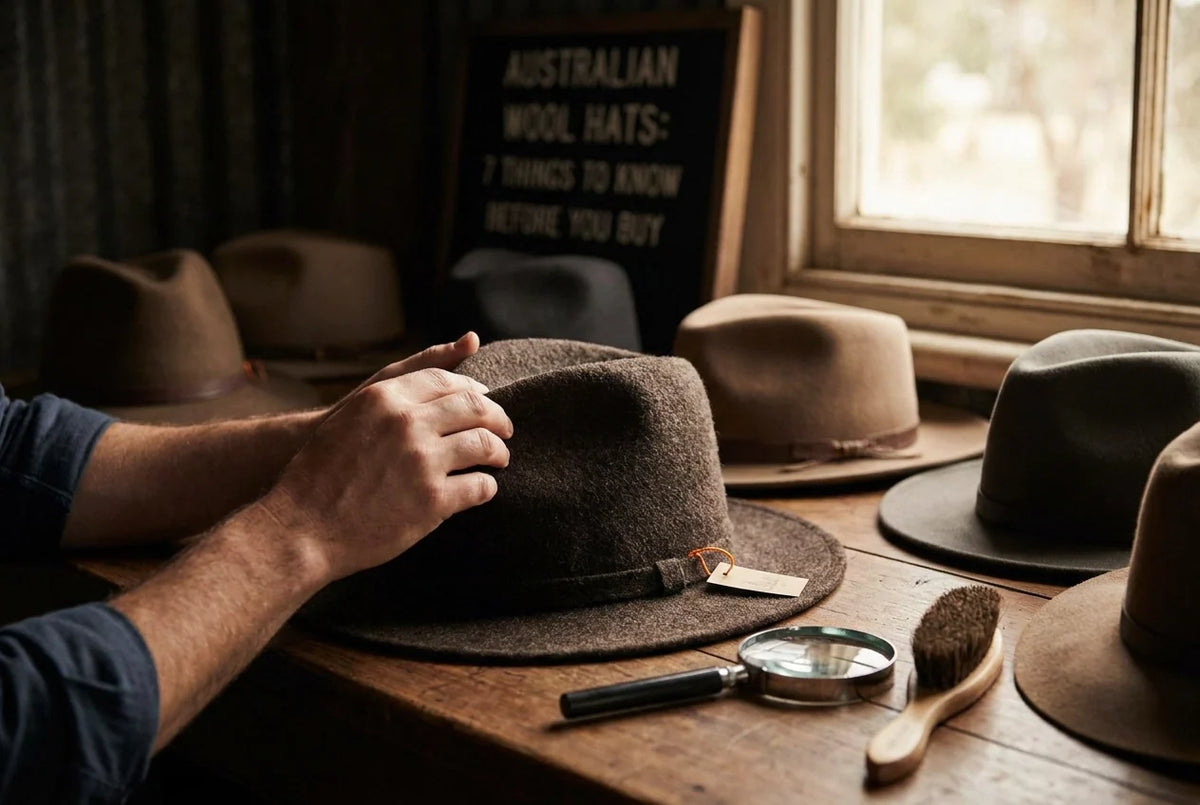
Wool felt is the traditional choice for the classic Australian bush hat silhouette. It shapes beautifully, holds its form well over time, and suits cooler, temperate conditions nicely. The trade-off is that wool felt is generally less water-resistant and less rugged than leather when you're dealing with prolonged outdoor or wet-weather use. It's a brilliant option for style and heritage, but if you're heading into serious outback territory, leather will serve you better.
Straw
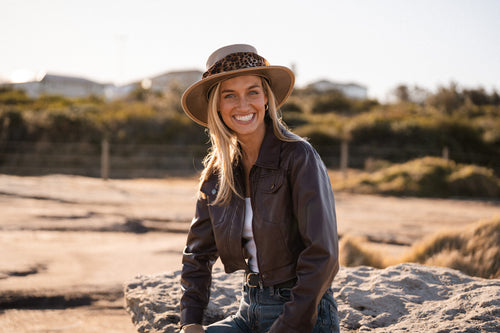
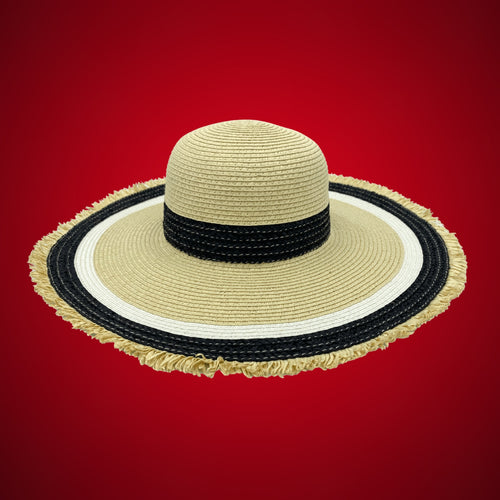
Australia's hot, sunny climate makes straw hats a genuinely practical choice for beach trips, garden days, and travel. Jacaru's straw range includes palms straw, raffia, and toquilla variants, each offering solid sun protection alongside the brand's authentic Australian heritage positioning. Straw sits at the lighter end of the durability spectrum but punches above its weight in comfort and breathability during warmer months.
Buffalo Leather
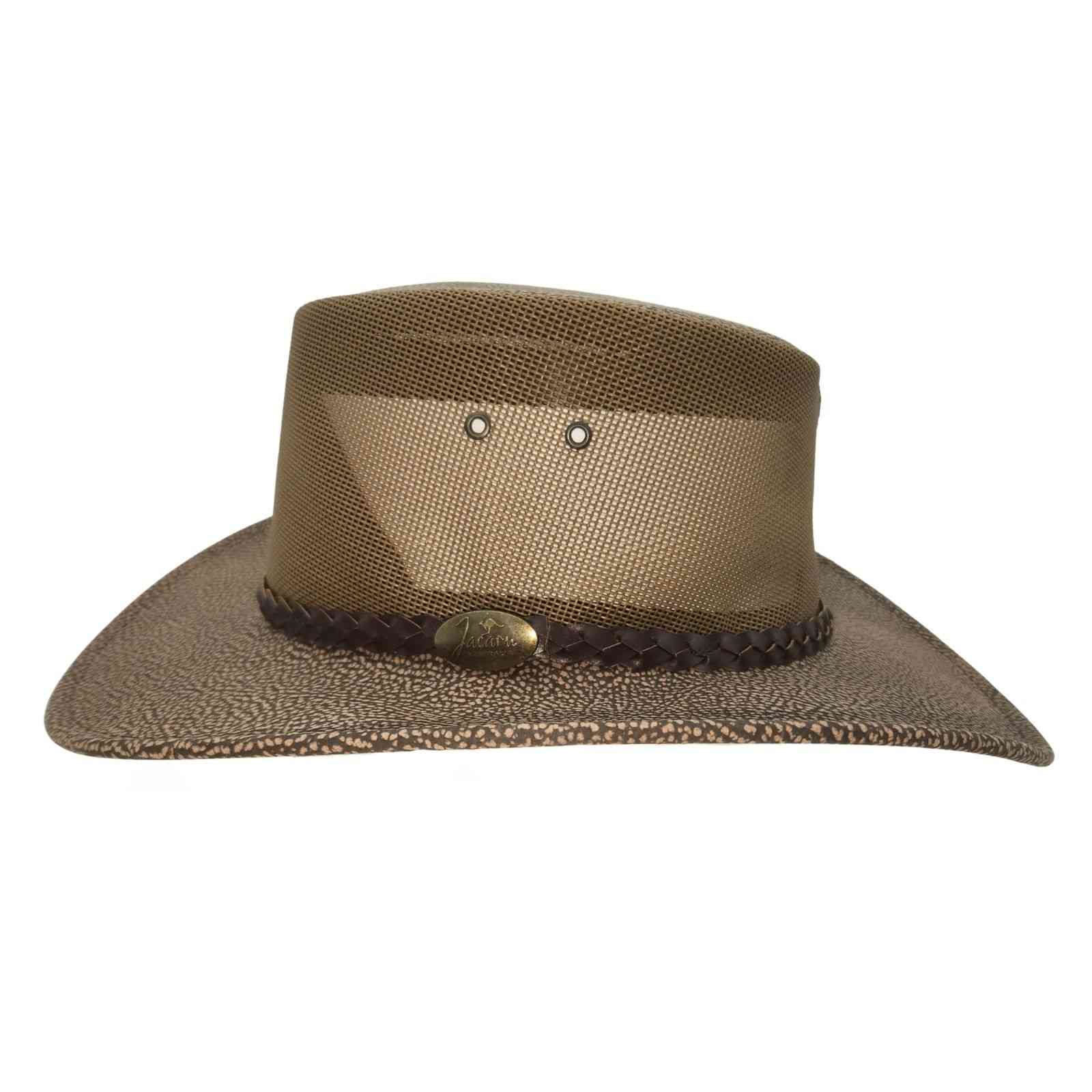
Buffalo leather is Jacaru's heavier, bolder alternative to kangaroo leather. It has a thicker, more textured grain that gives hats a rugged, distinctively worked aesthetic. If you want a hat that looks like it means business, buffalo leather delivers that visual weight and character in a way the finer kangaroo leather doesn't.
Exotic Materials: Crocodile Teeth and Hatbands
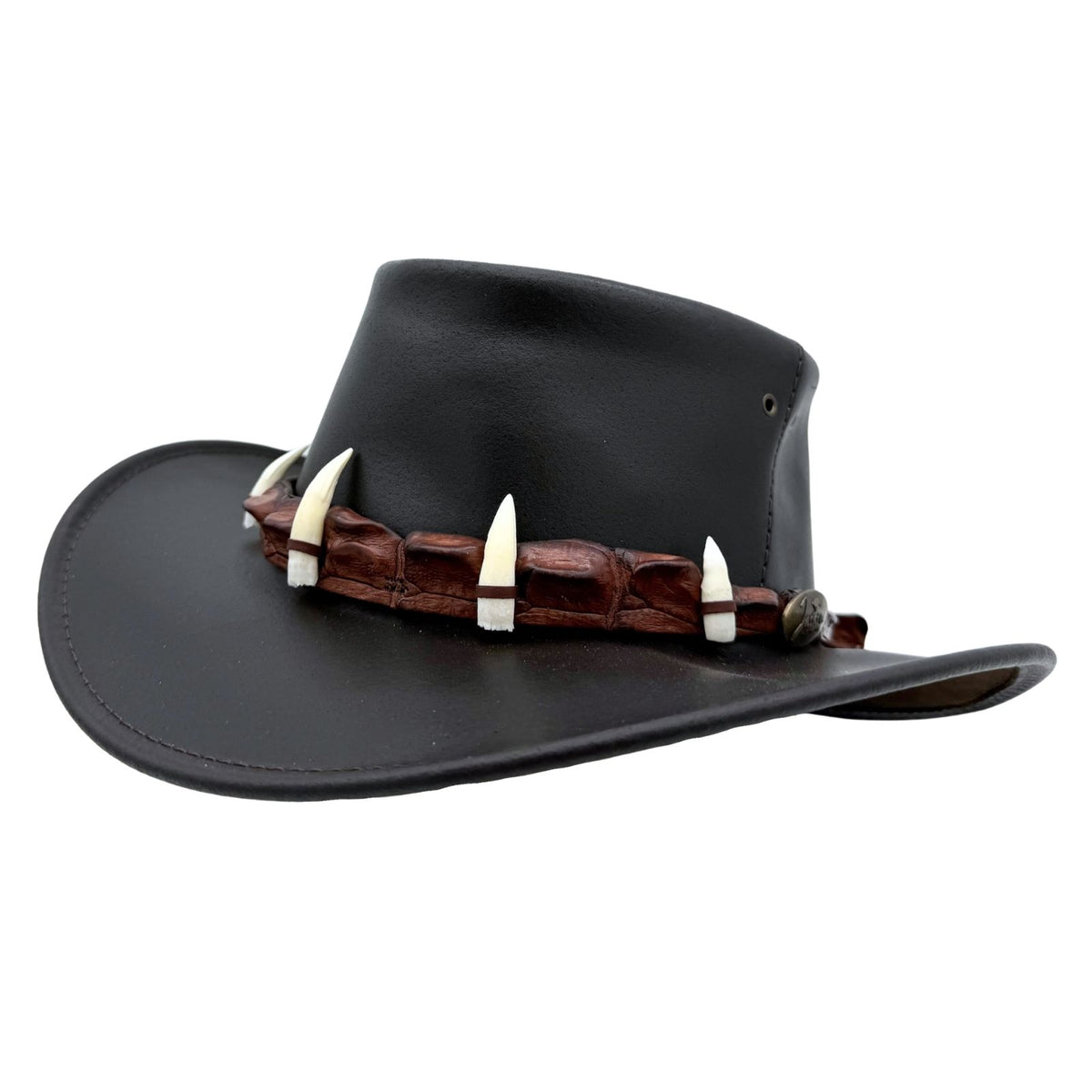
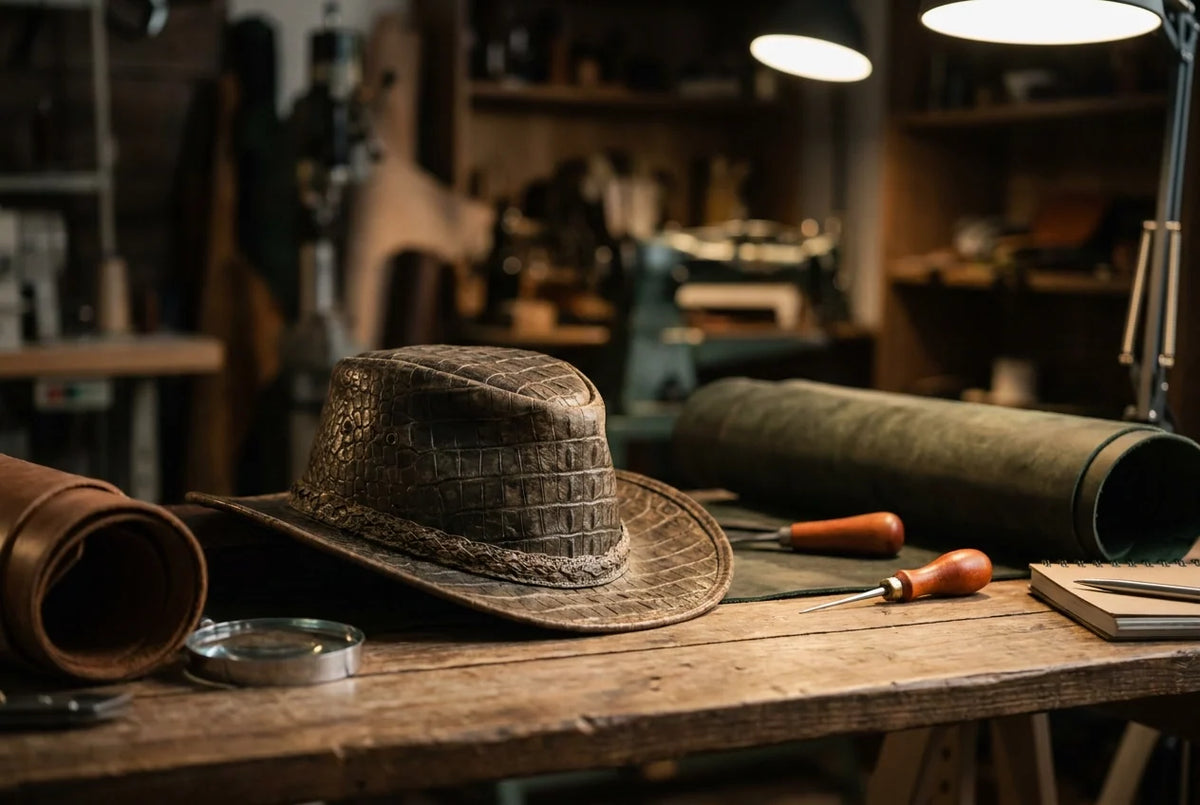
This is where Jacaru genuinely goes its own way. Their Crocodile Dundee-style hats feature authentic crocodile teeth and crocodile-derived hatbands, with styles ranging from five teeth up to eleven. No volume-driven global brand can offer this at scale; it's a structurally Australian proposition. It's as much a provenance signal as a material choice, and it's the kind of detail that makes a hat an instant conversation starter.
The good news for shoppers is that global headwear market analysis confirms natural and sustainable materials like leather, wool, and straw are a primary consumer purchase driver as of 2026. Choosing an aussie made hat crafted from these materials isn't just a heritage decision; it's a commercially savvy one that aligns with where the whole market is heading. For a fuller picture of what to look for in hats made in Australia, Jacaru's own guide is a solid starting point.
Sun Protection: The Functional Case for a Quality Aussie Hat
Let's be honest: in Australia, sun protection isn't optional. According to Cancer Council Australia, two in three Australians will be diagnosed with skin cancer by age 70. That's not a statistic you can ignore, and it's exactly why the hat you wear outdoors matters a great deal more than most people realise.
Brim width is the key factor here. A wide brim of at least 7.5cm (roughly three inches) provides genuine shading to your face, neck, and ears, the areas that cop the most UV damage from prolonged outdoor exposure. As ARPANSA (the Australian Radiation Protection and Nuclear Safety Agency) confirms, not all hats perform equally as sun protection tools. Baseball caps and fashion hats leave your ears and neck completely exposed. Wide-brim outback styles don't.
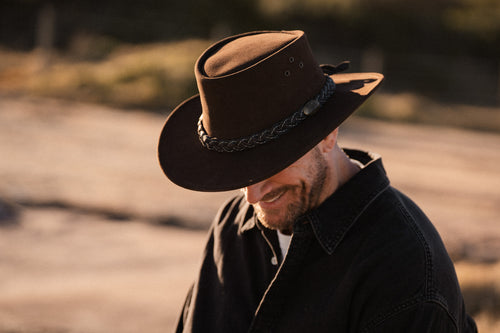
This is where the design of traditional Australian outback hats makes a genuine practical difference. Jacaru's leather and straw ranges are built with wide brims specifically suited to Australian outdoor conditions, offering the kind of circumferential coverage that fashion headwear simply can't match.
Material matters too. Leather and straw hold their shape. Under wind, heat, and hours of outdoor wear, a rigid brim stays horizontal and keeps delivering shade. Soft fabric hats collapse and fold, reducing their protective coverage precisely when you need it most.
So whether you're a bushwalker, a farmer, a traveller, or just someone who spends real time outdoors, choosing a quality wide-brim Aussie made hat is a decision grounded in genuine health logic, not just personal style.
From the Outback to the World: The Cultural Story Behind Australian Hats
Few items carry as much cultural weight as the wide-brim outback hat. Long before it became a global fashion statement, it was pure survival gear, designed to shield stockmen, drovers, and rural workers from Australia's punishing sun across vast stretches of red dirt and open sky. Australia's UV radiation levels are among the highest in the world, and that environmental reality shaped the hat's wide brim and sturdy construction far more than any trend ever could. The design earned its look the hard way.
That rugged silhouette eventually found its way onto cinema screens and into the global imagination. Few cultural exports did more for the outback hat's international profile than the Crocodile Dundee films, whose larger-than-life hero became a worldwide shorthand for Australian adventure and character. That image still resonates strongly with international visitors today, and it is precisely that aesthetic that Jacaru has leaned into deliberately. Their hats styled after the Crocodile Dundee look feature genuine crocodile teeth and backstrap hatbands, making them objects with real cultural storytelling built right into the brim, not just sun protection.
This matters more than it might seem. Global market research consistently identifies brand loyalty as a key purchasing driver, particularly among younger consumers who are drawn to heritage and authenticity over generic product. When a brand carries a genuine story rooted in place, environment, and craft, that narrative becomes a long-term commercial asset. Jacaru's connection to Australian identity is not incidental to its appeal; it is the product.
For international visitors especially, buying an aussie made hat is part of the travel experience itself. It is a souvenir that carries a traceable story, functional integrity, and a real cultural origin. That is a fundamentally different proposition from picking up a generic hat at an airport gift shop, and most travellers can feel the difference immediately.
Corporate Gifts and Souvenirs: Aussie Hats That Travel Well
Corporate gifting is shifting. Market analysis heading into 2026 confirms that buyers are moving away from generic branded merchandise toward personalised, bespoke items that actually get used. For Australian businesses looking to make an impression, a quality aussie made hat fits that brief perfectly. It carries a story, a material heritage, and a provenance that no mass-produced promotional pen can match.
Here is why an Australian-made hat works so well as a corporate gift: people wear them. A quality leather or wool hat gets taken on trips, worn on weekends, and seen by others repeatedly over time. Every sighting reinforces the brand associated with the gift. Compare that to a branded USB stick sitting in a desk drawer, and the value proposition becomes obvious.
For international tourists visiting Australia, the case is just as strong. An authentically made Australian hat is a premium souvenir with a real story behind it. Tourists can find mass-produced kangaroo keyrings anywhere, but a hat crafted from genuine kangaroo leather, complete with crocodile teeth hatband details, is the kind of piece that travels home and gets talked about for years.
Jacaru's range makes it easy to build a cohesive gift package. Kangaroo leather keyrings, fur accessories, and outback hats can be combined into a curated Australian gift set that suits corporate buyers seeking something genuinely memorable.
When selecting a hat for corporate or souvenir gifting, keep three things in mind: durability for travel, packability so it survives carry-on luggage, and the strength of the brand story attached to it. On all three counts, Australian-made provenance adds real, measurable value.
Kangaroo Leather and Crocodile Materials: Ethical Sourcing Explained
If you're wondering whether it's okay to buy a hat made from kangaroo leather or crocodile materials, you're asking exactly the right question. The good news is that Australia has some of the most rigorous animal material regulations in the world, and understanding them makes buying with confidence a lot easier.
Kangaroo leather starts with the Kangaroo Management Program, a federally regulated framework that sets annual harvest quotas based on independent population surveys. Wildlife management bodies consistently recognise it as one of the most carefully monitored wild-harvest programs globally. Kangaroos are not farmed, which means there's no land clearing, no grain feeding, and no purpose-built animal husbandry involved in producing the leather. The environmental footprint per unit of kangaroo leather is genuinely lower than conventional cowhide, and the material performs at an equivalent or superior level in terms of durability and flexibility. For outdoor hats that need to handle real conditions, that performance argument matters. You can read more about what goes into Australian kangaroo hats and what every buyer should know before making a purchase.
Crocodile materials follow a similarly regulated path. Saltwater crocodile farming in Australia is a licensed industry operating under strict government oversight, with materials sourced through traceable, legally compliant channels. Saltwater crocodiles are also listed under CITES Appendix II, meaning international trade in their products is permitted but actively monitored. So when Jacaru uses crocodile teeth in hatbands, those materials come with a documented regulatory trail.
For buyers in Europe and North America especially, these frameworks matter. Proactive transparency about sourcing builds trust rather than raising doubts. Understanding that your hat comes from a regulated, accountable supply chain is a genuine reason to feel good about the purchase, not just a marketing line. Explore what makes hats made in Australia worth choosing if you want the full picture.
What to Look For When Buying an Aussie Made Hat
Buying an aussie made hat for the first time can feel a little overwhelming, so here's a straightforward checklist to help you shop with confidence.
1. Look for the official certification. The Australian Made green-and-gold kangaroo logo is your clearest signal that a product was genuinely manufactured on Australian soil. If you don't see the logo, look for an explicit statement like "Made in Australia" on the label or product page. Be cautious of phrases like "Australian brand," "Australian design," or "Australian inspired" because these carry no legal manufacturing claim whatsoever.
2. Check the materials and where they come from. Kangaroo leather, Australian wool, and locally sourced straw are strong indicators of genuine local provenance. A hat made from these materials isn't just authentic; it's built for Australian conditions. If a product page can't tell you where the materials originate, that's worth noting before you buy.
3. Match the hat to your actual use. Outdoor sun protection calls for a wide brim of at least 7.5cm and a structured material like leather or straw. Travel or fashion use suits a crushable, packable wool style. Corporate gifting often calls for a bold aesthetic with a genuine cultural story behind it. Per the Australian Style Outdoor Hat Buying Guide, a quality outdoor hat should bridge multiple uses comfortably.
4. Examine construction quality up close. Consistent stitching, a quality hatband, a proper internal sweatband, and firm brim structure all signal a hat built to last rather than built to a price point. These details separate a genuinely crafted hat from a mass-produced imitation.
5. Buy direct or from an authorised retailer. Purchasing through jacaru.com ensures you're receiving a genuine Jacaru product with full brand provenance, not a replica or grey-market item.
6. Think through the gifting logistics. If you're sending a hat internationally, check whether it ships flat or needs a hat box, and whether the brand offers gift packaging. These practical details shape the entire gift experience for the recipient.
The Real Thing Is Worth Finding
When all is said and done, "Aussie made" is not a decorative label. It is a meaningful qualifier that signals real differences in materials, craftsmanship, cultural heritage, and long-term value. An authentic Australian-made hat is built from materials chosen for performance in genuinely demanding conditions, shaped by generations of practical necessity, and carries a provenance that no offshore imitation can replicate.
Three quick actions will help you get it right every time. First, look for the Australian Made certification (the green-and-gold kangaroo logo) and ask about material origin before you buy. Second, match the material and brim width to what you actually need: wide brims and breathable construction for sun protection, sturdy leather or canvas for travel, and premium wool felt or exotic materials for gifting or cultural keepsakes. Third, if you are after exotic materials, Crocodile Dundee-style hats with genuine crocodile teeth, or corporate gifts with real Australian identity, Jacaru's range at jacaru.com is a solid starting point worth exploring.
Most importantly, remember this: a well-chosen Australian hat is not a one-season purchase. Australian-made hats have been passed down through generations, worn with purpose, and kept as lasting reminders of where you have been. Chosen carefully, it is something you will wear, treasure, and associate with Australia for years to come.
Conclusion
Shopping for Aussie made hats does not have to be complicated. By focusing on quality construction, genuine local craftsmanship, and materials built for Australian conditions, you can make a purchase that truly stands the test of time. Remember that buying local supports real Australian workers and businesses, and a well-made hat will always outlast a cheap alternative.
So next time you are browsing for headwear, keep these key points in mind: check the materials, look for signs of quality stitching, verify local credentials, and think long-term value over short-term savings.
Ready to find your perfect hat? Start exploring Aussie made options today and experience the difference that genuine local craftsmanship makes. Your head, your wallet, and your community will all thank you for it.


Our friends at Bocchetta Plush Toys have a great range of lifelike plush animals that make great gifts for people of all ages.