













Things You Should Know Before Buying a Fur Hat

So you've been eyeing that gorgeous fur hat in the store window, and you're wondering if it's worth the investment. Maybe you've seen someone rocking one and thought, "I need that in my life." But before you pull out your wallet, there are a few things you should know that could save you from making a costly mistake.
Buying a fur hat isn't quite as simple as grabbing any old winter accessory off the shelf. There's a whole world of options, materials, and considerations that most first-time buyers don't know about until it's too late. From understanding the difference between real and faux fur to figuring out which style actually suits your face shape, the learning curve can feel a little overwhelming.
But don't worry, we've got you covered. This guide is designed specifically for beginners who want to make a smart, informed purchase without all the confusion. By the time you finish reading, you'll know exactly what to look for, what questions to ask, and how to find the perfect fur hat that fits both your style and your budget. Let's dive in!
Not All Fur Hats Are Made Equal — Materials Matter
If you've ever picked up two fur hats side by side and wondered why one feels like a cloud and the other feels like a costume prop, you're already asking the right questions. The material inside (and on top of) your hat makes an enormous difference, and understanding what you're buying is the first step to getting real value.
Natural Fur vs. Synthetic Fur: What's Actually Different?
Natural fur and synthetic (faux) fur might look similar on a hanger, but they perform very differently once you're outside. Real fur sits on a skin backing, which means wind simply cannot cut through it the way it does with faux alternatives. Faux fur, by contrast, is woven fabric with synthetic fibres attached, meaning cold air finds its way through with very little resistance. Natural fur is also biodegradable; synthetic fur is petroleum-based plastic that persists in landfill for generations. On durability, a well-cared-for natural fur hat can become a genuine heirloom, while synthetic versions tend to matt, pill, and lose their structure within a few seasons.
Know Your Fur Types
Not all natural fur is created equal either. Different fur types bring distinct warmth, texture, and weight properties worth knowing before you buy:
Beaver is dense, water-resistant, and considered one of the top performers for serious cold weather.
Rabbit is softer and lighter, making it comfortable but slightly less durable than beaver.
Possum is a standout option with excellent warmth-to-weight ratio, and Australian-sourced possum fur carries a genuine conservation harvest story, since the brushtail possum is actively managed as a pest species.
That provenance matters. Australian-sourced fur is not a generic import; it comes with a traceable story rooted in responsible land management.
How to Spot the Real Thing
Before purchasing, run a few quick checks. Feel the backing; genuine fur has a supple hide base rather than a fabric weave. Try blowing lightly through the pile toward the base; real fur resists airflow far more than synthetic. Check the label for species and composition percentages, and do not hesitate to ask the seller direct questions about sourcing. A reputable seller will answer confidently.
Why Jacaru Stands Apart
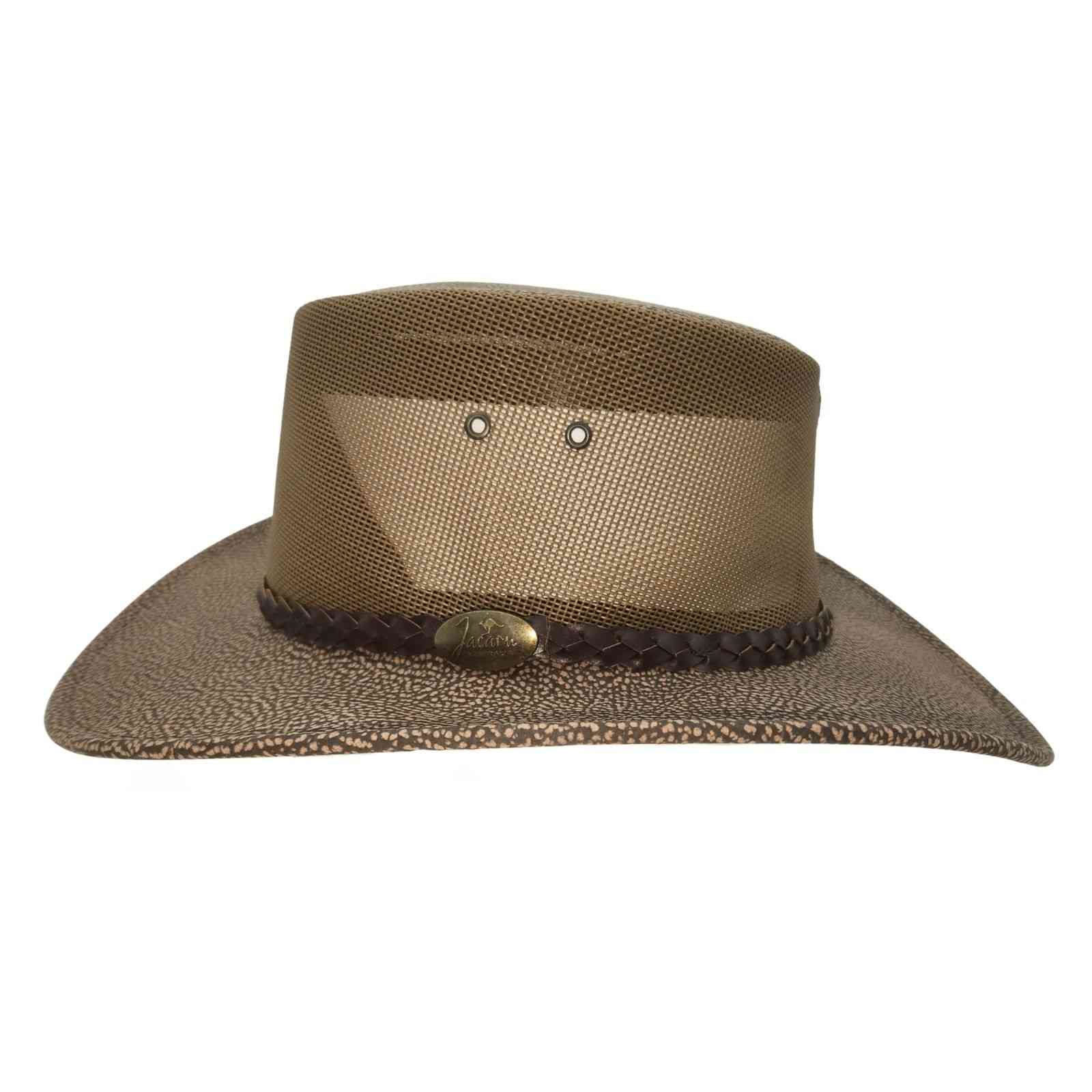
Jacaru uses premium Australian animal-derived materials across their fur hat range, bringing authentic provenance and craftsmanship that mass-market synthetic alternatives simply cannot replicate. While mass-market brands compete on price with synthetic fibres, Jacaru competes on quality, origin, and lasting value, which is exactly what a freedom-loving outdoor adventurer deserves in a hat.
The Ethics Question — Is Buying a Fur Hat Sustainable?
Let's be honest: the fur debate gets reduced to bumper-sticker slogans pretty fast. "Fur is cruel." "Faux fur is cruelty-free." Neither statement tells the full story, and if you care about making genuinely sustainable choices, the nuance here actually matters a lot.
The real conversation has three very different players: responsibly harvested wild or pest-species fur, conventionally farmed fur, and petroleum-based synthetic alternatives. These are not the same thing, and treating them as equivalent does a disservice to conscious buyers everywhere. Wild-caught or pest-management fur operates on a completely different ethical and ecological footing than fur-farm operations. When animals are being culled anyway as part of a wildlife management program, using the resulting pelts isn't cruelty. It's just sensible.
The Synthetic Fur Problem Nobody Talks About
Here's the twist that surprises most people: faux fur is almost always made from petroleum-based plastics. That "cruelty-free" label on the tag doesn't mention the microplastic fibres shed into waterways every time the garment is washed, the non-biodegradable waste that persists in landfill for hundreds of years, or the energy-intensive petrochemical production behind it. Faux fur sheds microplastic particles into oceans and the food chain in ways that real, biodegradable fur simply does not. Many major fashion houses have publicly dropped real fur while quietly switching to plastic alternatives. That's not a sustainability win; it's a rebranding exercise.
The Australian Wildlife Management Context
Geography and species status matter enormously here. In New Zealand, possums are an invasive pest subject to active government eradication programs, making possum fur harvesting genuinely conservation-aligned. Pest-species harvesting, where animals are culled regardless of consumer demand, turns utilising the pelt into waste reduction rather than exploitation.
What Ethical Fur Actually Looks Like
When shopping for a fur hat, look for sourcing transparency, clear species identification, and country of origin. Products made in jurisdictions with rigorous wildlife management frameworks carry meaningfully different ethical weight. A well-crafted natural fur hat can last generations, making it the genuine opposite of fast fashion.
Jacaru's commitment to Australian-sourced, premium natural materials puts provenance storytelling front and centre. In 2026, knowing exactly where your hat came from, and why that sourcing is ecologically justifiable, is the difference between greenwashing and genuine sustainability.
What Actually Makes a Fur Hat Warm?
Here's the thing most people don't think about when they grab a hat off the shelf: warmth isn't just about thickness. It's about structure.
Natural fur fibres work through a layered system that synthetics simply can't copy. Each strand has microscopic scales along its shaft that interlock when compressed, creating tiny pockets of trapped air. That dead air is your insulation. On top of that, genuine fur operates as a two-layer system: a dense undercoat that holds warmth close to your head, and longer guard hairs that deflect wind and moisture from the outside. No polyester fleece cap does both of those things at once.
How Different Materials Stack Up
Not all natural fur is created equal, and the differences matter if you're buying for actual cold weather rather than a photo opportunity.
Rabbit fur felt is a great entry point. It's finer, smoother, and more water-resistant than standard wool felt, making it a solid performer in wet and cold conditions. Rabbit felt vs beaver felt hats are a popular comparison for buyers upgrading from basic wool options, with rabbit sitting at the more accessible end of the premium spectrum.
Wool-blend felt handles mild cold reasonably well but absorbs moisture more readily, which is exactly what you don't want when the weather turns nasty. As fur felt vs wool felt comparisons consistently show, fur felt produces a denser, more wind-resistant structure because of those interlocking fibre scales.
Fleece-lined synthetic caps are warm enough for a morning jog, but acrylic and polyester don't thermoregulate. They trap heat without managing moisture, which means you go from cold to clammy fast.
Construction Makes or Breaks the Warmth
The best material in the world won't save you if the hat fits badly. Key things to look for: a snug fit that seals around your skull without gaps, ear coverage that actually covers your ears (ear flaps you can fasten under the chin are particularly effective), and a quality lining that wicks sweat rather than just sitting there.
Where a Genuine Fur Hat Actually Earns Its Place
Real-world scenarios where natural fur outperforms: alpine conditions where wind and moisture combine brutally, outback winters where temperatures swing hard overnight, cold coastal environments where salt air and damp make synthetic linings feel miserable, and long-haul travel where you need one hat that works across climates without bulk.
The outdoor headwear market is expanding fast, with the outdoor hunting hat segment projected to reach USD 2.3 billion by 2034. That growth signals something simple: people want gear that genuinely works, not just gear that looks the part.
How to Style a Fur Hat Without Looking Like a Costume
The fur hat is officially having its moment. Trend analytics firm Trendalytics recorded a +46% increase in Social Buzz for fur hats in the Fall/Winter 2026 season, and the conversation has moved well beyond fashion capitals into everyday wardrobes. The real challenge is not finding a fur hat worth wearing. It is wearing it in a way that reads as intentional rather than theatrical.
The Quiet Outdoors Aesthetic
The dominant styling direction for 2026 is what insiders are calling the "Quiet Outdoors" aesthetic: minimalist, earth-tone gear that moves seamlessly from a trailhead to a city café without a wardrobe change. Think neutral palettes, natural textures, and pieces that look like they belong to a person with taste rather than a person playing dress-up. A fur hat fits this aesthetic perfectly when you choose the right one. Natural brown, warm grey, and soft cream tones are your friends here. Avoid anything overly fluffy, synthetic-bright, or logo-heavy if you want to stay on the intentional side of the line.
Outfit Pairings That Actually Work
For outdoor adventure and cold-climate travel, layer your fur hat over a merino wool base, a fitted mid-layer, and a clean-cut parka in olive, sand, or charcoal. The hat becomes a practical anchor to the whole look rather than a theatrical add-on. For urban wear, pair a natural fur trapper style with dark denim, a simple knit sweater, and leather boots. The combination reads heritage and considered, not costumed. This 2026 styling guide on fur hats for understated elegance confirms the same principle: restraint elsewhere in the outfit lets the hat do the work.
The One-Closet Rule
This is where Jacaru's natural-material fur hats earn their place. The "one-closet rule" means buying gear that never looks out of place anywhere, one hat that handles a mountain walk, an airport layover, and a dinner in a new city without skipping a beat. Because Jacaru works with genuine natural materials rather than synthetic alternatives, the texture and tone carry an authenticity that synthetic options struggle to match. Travellers, adventurers, and anyone looking for a genuinely versatile gift will find that a well-made natural fur hat is the rare accessory that genuinely earns that claim.
Fur Hat Care — How to Make It Last a Lifetime
A quality fur hat is genuinely an heirloom piece. With the right care, it can outlast pretty much everything else in your wardrobe, including that synthetic beanie that pills after two winters. Here's how to keep yours in great shape for the long haul.
1. Cleaning at Home (and Knowing When to Call a Pro)
Start with a weekly gentle brush using a brush made specifically for fur. Always stroke with the grain, never against it, to preserve the guard hairs and maintain natural lustre. For light marks or surface dirt, spot clean sparingly with a barely damp cloth and let the hat air dry naturally. Never use a hairdryer, radiator, or direct sunlight to speed things up as heat stiffens the fibres and ruins the pelt. If your hat gets genuinely soaked, shake off the excess, hang it in a well-ventilated room, and if it's completely drenched, take it straight to a specialist fur cleaner. Deep cleaning should go to a professional at least once a year. No exceptions.
2. Storage Done Right
After each wear, let your hat breathe fully before putting it away. Store it on a hat form or in a hat box with a loose cotton bag over it, never crushed against other items. Avoid plastic bags entirely as they trap moisture and dry out the pelt. Keep it away from direct sunlight and bright lighting, which causes oxidation and colour fade. Here's a counter-intuitive one: cedar chips and mothballs are actually harmful to natural fur and can permanently alter the smell. Skip both.
3. Conditioning and Moisture Protection
The leather pelt underneath the fur fibres is what holds everything together. If it dries out, the fur sheds and eventually cracks. Your annual professional clean should include conditioning as part of the service, which replenishes the natural oils that daily wear depletes. This isn't really a DIY job; leave it to the furrier.
4. Buy Once, Buy Well
A well-maintained quality fur garment can genuinely last a lifetime, which is more than you can say for synthetic alternatives. Faux fur is essentially fabric with plastic fibres glued in place; it breaks down, pills, and sheds within a few years. Natural fur, backed by a leather pelt, has kept Arctic peoples alive for thousands of years in extreme conditions. That's a track record no synthetic product can touch. Premiumisation is real: buy something once that lasts decades rather than replacing a cheaper version every few seasons.
5. When to Restore and When to Replace
Watch for these warning signs: excessive shedding, stiffness or brittleness, persistent odour after airing, discolouration, or visible tears in the pelt. Catching issues early matters because small problems become expensive ones quickly. The good news is that professional furriers today offer repair, restoration, alteration, and even restyling services, so a hat showing wear often has plenty of life left in it. Before writing off your fur hat entirely, get a specialist assessment first.
Why a Fur Hat Makes a Gift People Actually Keep
Think about the last gift you actually kept. Not the branded pen that ended up in a drawer, not the generic candle that smelled like "corporate vanilla." The one you still have. Chances are it had a story attached to it, something that said this was made somewhere real, by someone who cared.
That's exactly what a fur hat does as a gift, and it's why fur hats get kept rather than quietly donated.
The souvenir problem is real. International travellers bring home keyrings, fridge magnets, and tea towels that end up forgotten in a cupboard within weeks. What people actually treasure from their travels are items that feel genuinely local: made in the country, from materials native to that country, by people who know their craft. An Australian-made fur hat ticks every one of those boxes. It carries the country's outdoors culture right there in the material and the construction. For an international buyer, "made in Australia" isn't just a label; it's the whole story.
Corporate gifting has shifted hard toward quality over quantity. As noted in recent corporate gifting trends, the gifts that performed best in 2025 were defined by usability, style, and a clear origin story. Generic swag gets quietly discarded. A premium fur hat, presented well, functions as a statement: it gets worn on hikes, worn to markets, worn on weekends. High daily use means high visibility, which is exactly what a smart corporate gift should deliver for clients and stakeholders.
The cross-demographic appeal is genuinely broad, too. Outdoor adventurers want warmth and durability. Fashion-conscious city dwellers want something that looks considered and isn't mass-produced. Collectors and curious travellers want an object with provenance. A fur hat satisfies all three in one go.
Jacaru's fur hat range is built for this gifting context. Australian-sourced materials, handcrafted construction, and packaging that reflects the quality inside make the unboxing experience match the product itself. No awkward gap between the gift wrap and what's inside. That alignment between presentation and substance is, ultimately, what makes a gift feel worth keeping.
What to Look for When Buying a Fur Hat — A Practical Checklist
So you've done the research, you know what fur you want, and now you're ready to buy. Here's a practical checklist to make sure you don't get burned.
1. Inspect the construction before you commit
Quality fur hats show their standard in the details. Look for even, tight stitching with no loose threads or puckering along seam lines. The lining should be smooth, fully attached, and feel substantial rather than flimsy. Seams on quality hats are reinforced, not just overlocked and hoped for the best. If there's any hardware, like buckles or adjusters, check that the finish is clean and consistent. A hat that's cutting corners on construction is cutting corners everywhere.
2. Country of origin matters more than you'd think
Australian-made products sit under serious consumer law obligations around quality and honest labelling. When Jacaru says a hat is Australian-made using genuine Australian materials, that's a legally meaningful claim, not just marketing copy. Imported alternatives often involve multiple manufacturing hand-offs with inconsistent quality controls. Craftsmanship standards and long-term durability are directly shaped by where and how something is made.
3. Get your fit right, especially online
Measure your head circumference with a soft tape at about one centimetre above your ears. A properly fitted fur hat should sit snugly without pinching, and you shouldn't be able to fit more than one finger between the hat and your forehead. Remember that lined hats run slightly smaller than their unlined equivalents, so always check sizing notes carefully when buying online.
4. Use price as a quality signal
The warm cap market is highly fragmented, with the top five global players sharing just 5.5% of the market collectively. That fragmentation means specialist brands like Jacaru, who focus entirely on premium natural materials and Australian craftsmanship, routinely offer better long-term value than mass-market names chasing volume. A lower price tag often signals synthetic shortcuts.
5. Buy direct from the maker
Purchasing directly from Jacaru's online store gives you accurate product information, clear provenance, and genuine customer service from people who actually know the product. You're not relying on a third-party description that may be outdated or vague. Direct-to-consumer purchasing is also increasingly where specialist outdoor brands are investing their best service experience, and that's exactly where you want to be when buying something built to last a lifetime.
The Bottom Line on Fur Hats
You've done the homework. You know that material drives performance, that ethics are more nuanced than the slogans suggest, that natural fibre warmth is structural rather than just fluffy, and that a well-chosen fur hat can outlast basically everything else in your wardrobe. The six things worth getting right are material, ethics, warmth, style versatility, care, and gift value. Nail those, and you're not buying a hat. You're buying a decade-long companion for wherever life takes you.
The outdoor headwear market is genuinely crowded, but it's also fragmented. Most options lean either fashion or pure function, rarely both. Australian-made, naturally sourced fur hats sit in a different conversation entirely, combining proven outdoor credentials with provenance that actually means something. That's not marketing spin; it's a real gap in what's available.
Jacaru's fur hat range is a solid starting point for anyone who wants something built to earn its keep rather than just look good in a shop window. Browse the range, ask questions if you're unsure, and find the hat that fits your next adventure. No pressure, just good hats.
Conclusion
Buying a fur hat is a rewarding investment when you go in prepared. To recap the key takeaways: always verify whether the fur is real or faux before purchasing, choose a style that complements your face shape, set a realistic budget that accounts for quality, and ask about care and maintenance requirements upfront.
Armed with this knowledge, you are no longer just a casual shopper. You are a confident buyer who knows exactly what to look for and what questions to ask.
Now it is time to put this information to work. Head to your local retailer or browse trusted online shops, and use everything you have learned here as your personal checklist. The perfect fur hat is out there waiting for you. Go find it, wear it with confidence, and enjoy every stylish, cozy moment it brings.


Our friends at Bocchetta Plush Toys have a great range of lifelike plush animals that make great gifts for people of all ages.