






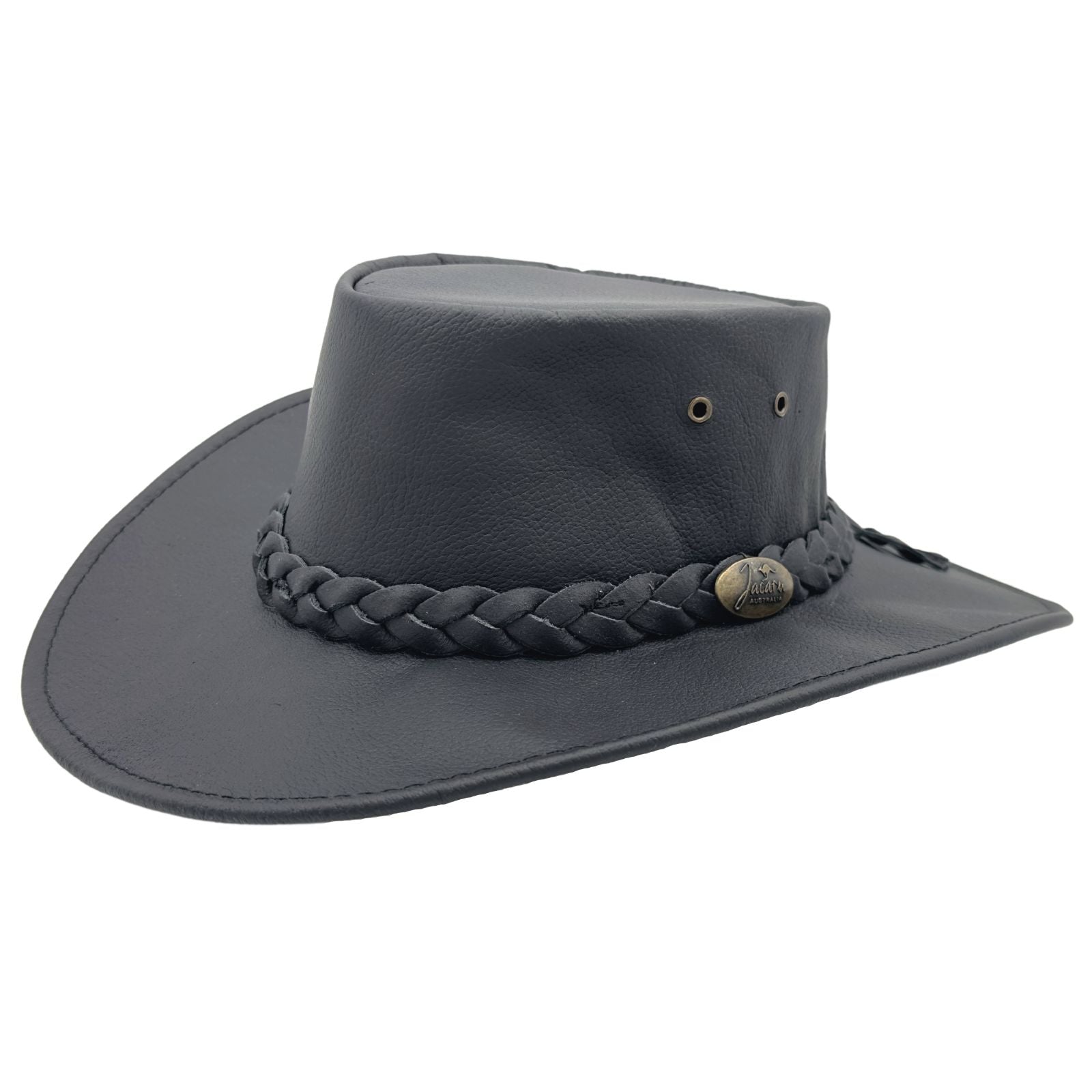


Searching for Hat Shops Near You? What Most Local Stores Miss

So you typed "hat shops near me" into your search bar, scrolled through the results, and ended up feeling a little underwhelmed. Maybe the store you visited had a limited selection, unhelpful staff, or prices that made your wallet cry. Sound familiar? You are definitely not alone.
Finding a great local hat shop is trickier than it sounds. Not every store that pops up in your search results is created equal, and as a beginner, it can be tough to know what separates a truly excellent hat shop from one that will leave you walking out empty-handed.
The good news is that once you know what to look for, the whole experience becomes so much easier and even fun. In this list, we are breaking down the key things that most local hat shops get wrong, and what the good ones do differently. By the time you finish reading, you will know exactly what to look for on your next search so you can find a shop that actually delivers. Let's get into it.
Wide-Brim Hats Built for Real Sun Exposure
If you've ever spent a full day outdoors wearing a baseball cap and ended the afternoon with a sunburned neck and ears, you already understand the problem. A baseball cap bill covers your forehead and not much else. The sides of your face, your ears, and the back of your neck stay completely exposed, and those are exactly the zones where sun damage accumulates most quietly over time.
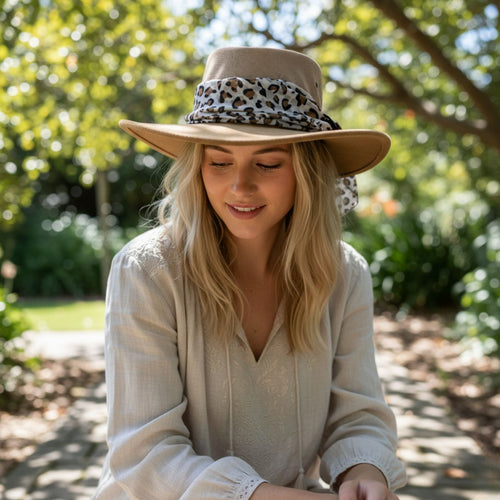
A wide brim of 3 inches or more changes this entirely. It creates a full circle of shade that wraps around your head, covering the face, ears, and neck in a single piece of headwear. According to this complete buyer's guide to sun hats for hiking in 2026, brim geometry is one of the primary filters serious buyers use when comparing hats, alongside material and ventilation. Brim width is not a style preference; it is a functional specification.
UPF ratings have become a dominant purchase signal heading into 2026, with multiple retailers now organising entire collections around UPF 50+ as a top-level category. That said, the label on a hat is only a starting point. Material density and weave tightness matter just as much. A loosely woven straw hat stamped with a UPF rating may still allow significant UV transmission, while a tightly constructed wool or leather hat can deliver excellent real-world coverage even without premium certification. The field-tested sun hat roundup from Treeline Review reinforces this point, noting that construction quality and brim structure are what hold up in genuine outdoor conditions.
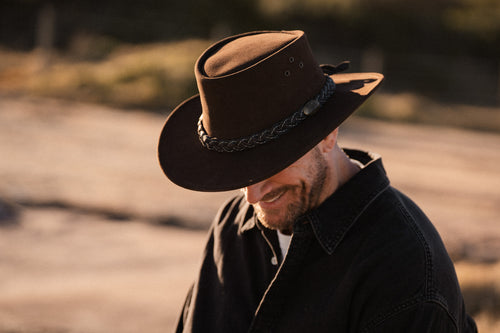
Australia's extreme UV environment, with index readings regularly above 11 across large portions of the continent, is precisely what shaped the wide-brim outback silhouette into functional working gear. Stockmen, farmers, and bushworkers needed all-day head coverage in punishing conditions, and the result was a hat with a structured 3 to 4 inch brim, durable natural materials, and reliable retention. This is not a costume or a cultural novelty. It is purpose-built headwear with a practical origin story.
The challenge is finding it locally. Most hat shops carry narrow-brim fashion styles, bucket hats, or sports caps. Dedicated wide-brim outdoor hats are rarely stocked outside specialist outfitters, which means a local search often turns up fashion product rather than genuine sun protection gear.
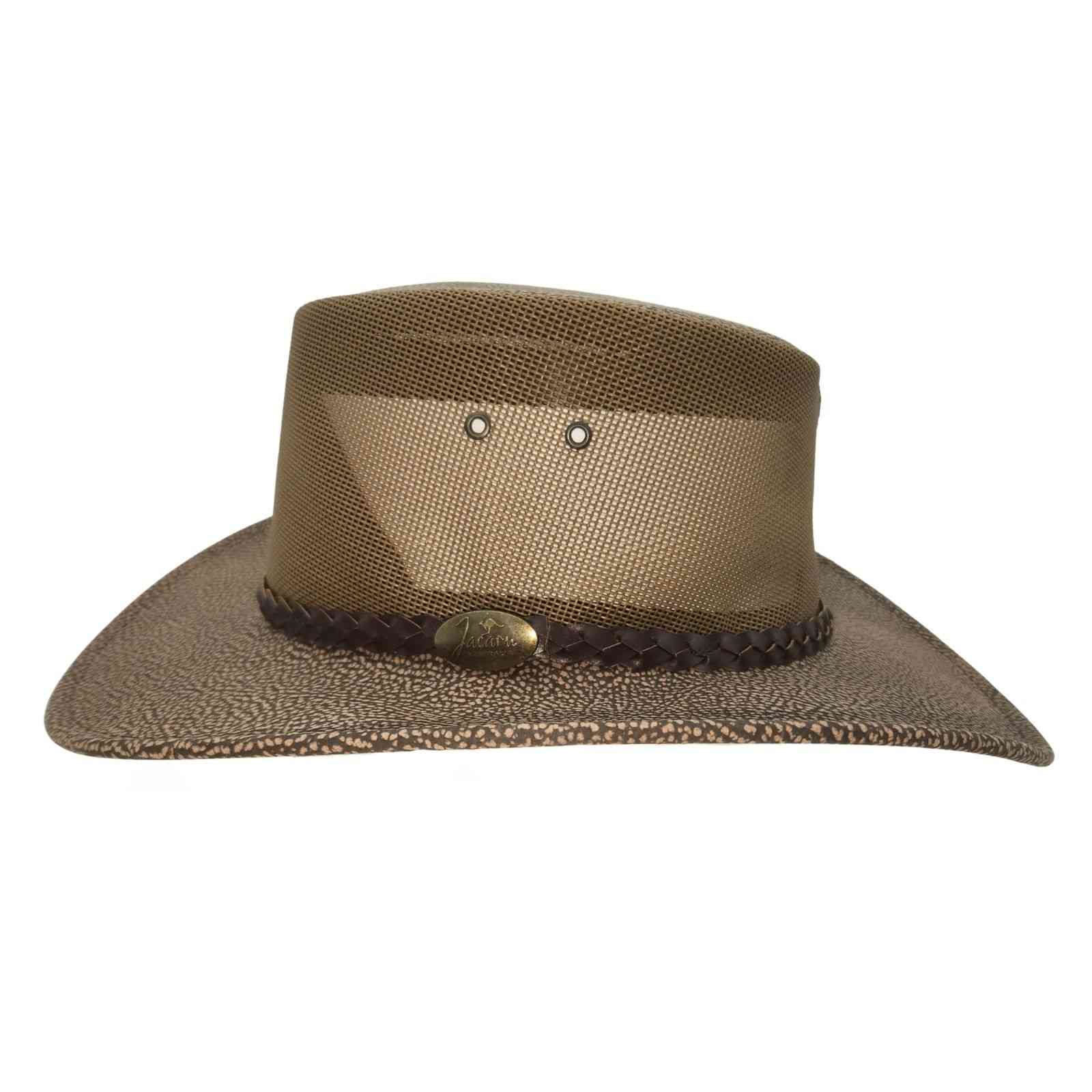
Jacaru's outback range covers this gap with consistently wide brims across leather, wool, and straw constructions, each built for extended wear rather than occasional use.
Leather, Wool, or Straw: Choosing the Right Hat Material

Once you've sorted out brim width, material becomes your next big decision — and it's honestly the one that affects how long your hat lasts and how well it works for you.
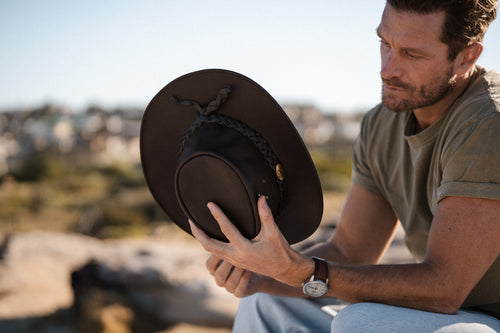
Leather hats are the toughest option on the shelf. Kangaroo leather is particularly impressive; it's lightweight for its strength and develops a rich patina over years of wear rather than breaking down. Buffalo and cowhide leather hats follow a similar story, getting better with age rather than worse. If you're buying a hat for repeated outdoor use, long-haul travel, or genuinely rough conditions, leather is the clear answer. It handles knocks, dust, and the occasional downpour without losing its shape or its character.
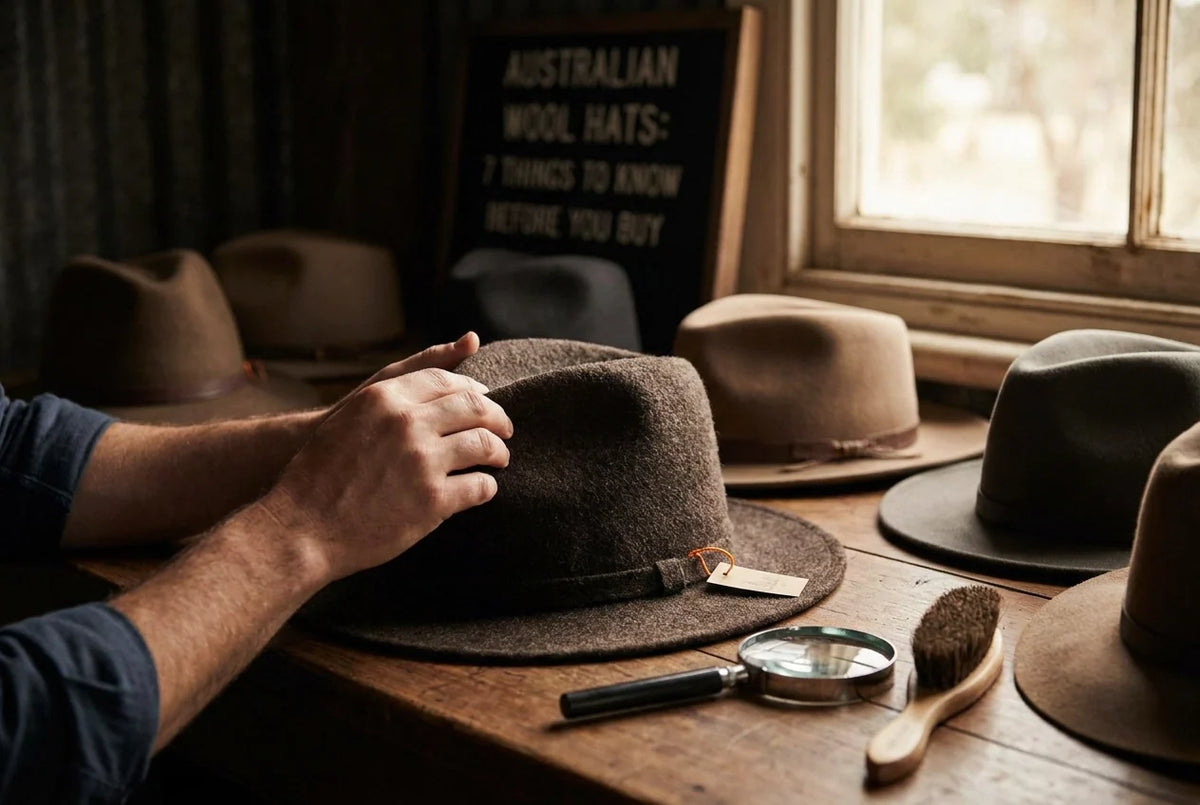
Wool felt hats work best in cooler or wetter weather. Wool naturally insulates and holds its form through shoulder seasons when the temperature swings between warm afternoons and cool evenings. It's the material you reach for in autumn, spring, or alpine conditions. One real-world note: wool can handle light rain and sweat, but it's not built for sustained tropical downpours.
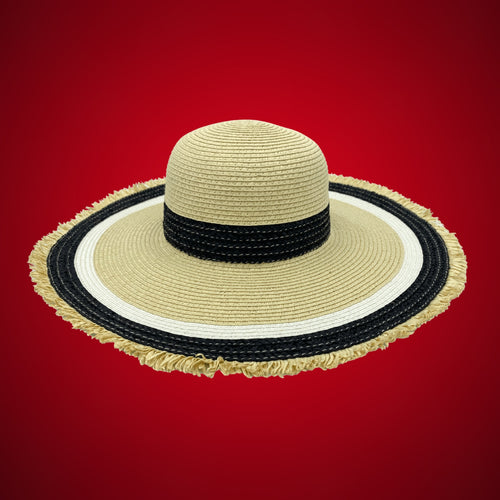
Straw hats solve a completely different problem. When airflow matters more than durability, straw is the right pick. Beach days, summer festivals, and tropical travel all call for something breathable and lightweight rather than rugged. Natural straw excels here, as explained well in this guide to cowboy hat materials.
Mesh and synthetic ventilated hats dominate supermarket outdoor sections and attract buyers with UPF ratings. They dry fast and feel light, but they wear out faster and carry none of the material story that makes a natural hat worth keeping for decades.
Most local hat shops stock one or maybe two material types, which limits your ability to choose based on actual use case. Jacaru carries kangaroo leather, buffalo leather, wool, and straw across a single range, so you can match the material to the conditions rather than settling for whatever happens to be in stock nearby.
The Authentic Australian Outback Hat and Its Unlikely Origin Story
If you've been shopping for an outback-style hat and wondering why the one you keep picturing looks so familiar, there's a very good reason. The pinched-crown, wide-brim silhouette most people associate with rugged Australian style got its worldwide moment from Crocodile Dundee. The 1986 film turned Paul Hogan's hat into a global icon overnight, and the silhouette has been instantly recognisable ever since. The original hat worn in the film is now archived by Australia's National Film and Sound Archive, which tells you everything about how seriously Australians take this particular piece of cultural identity.
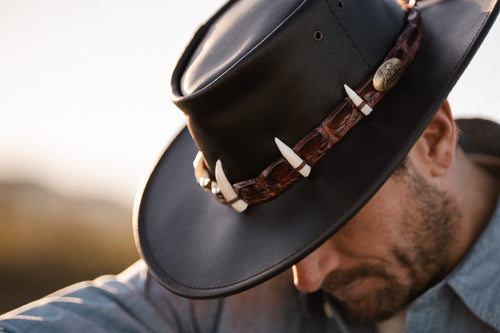
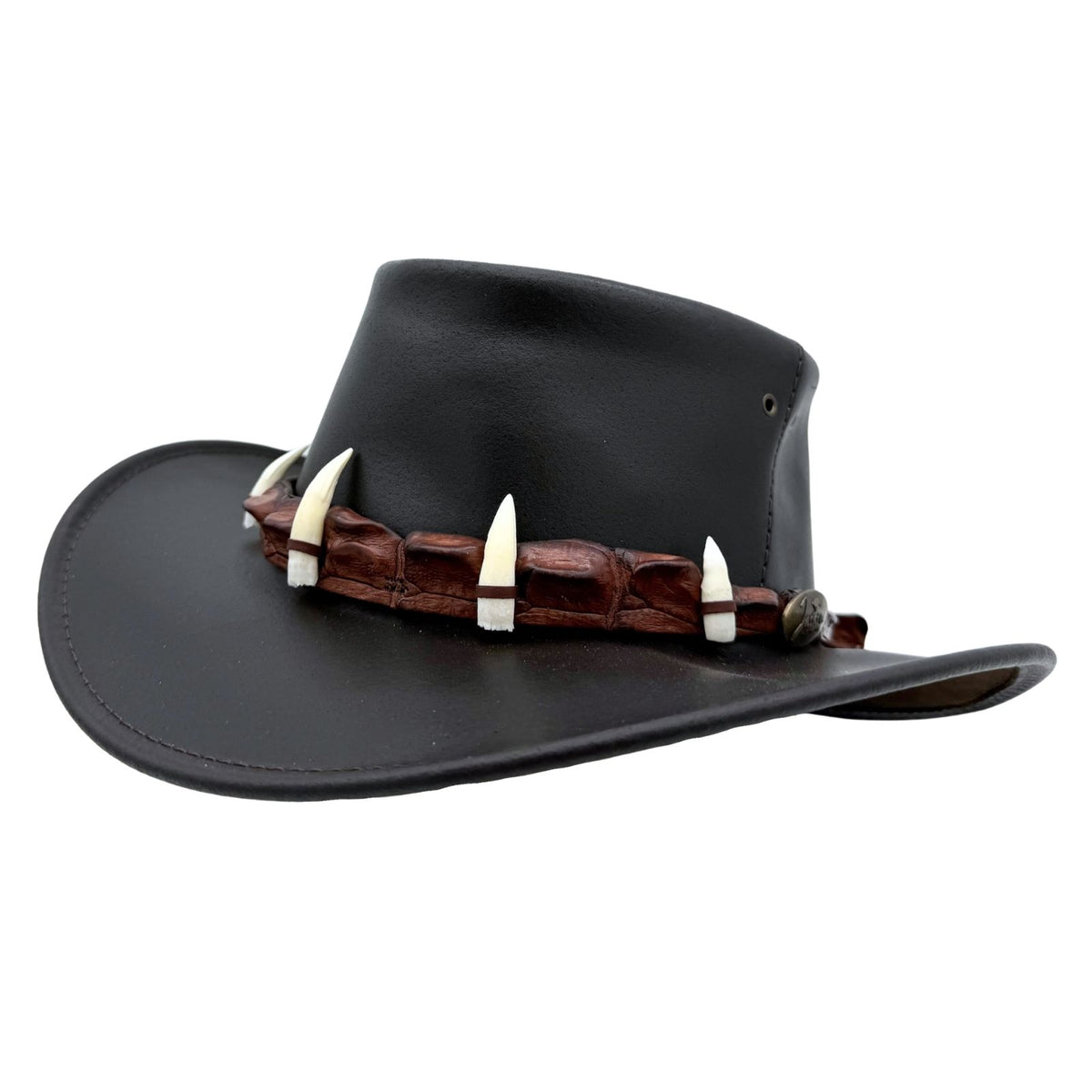
Here's where it gets interesting for anyone actually trying to buy one. Jacaru, an Australian maker with deep roots in outback leather craftsmanship, produces a Croc Hunter-style hat featuring five genuine crocodile teeth attached to a crocodile leather hatband. You can read more about what separates the real thing from tourist imitations in Jacaru's own breakdown of the Crocodile Dundee hat. This is not a souvenir gimmick. The crocodile teeth hatband is a craftwork detail tied directly to the materials and traditions of the Australian outback, where working with tough, locally-sourced materials is part of the whole story.
What makes this genuinely hard to find is that almost no local hat shop or general retailer stocks the real version. Even skilled international hat-makers trying to replicate the Dundee look have publicly acknowledged they cannot source an authentic crocodile teeth band and have to fabricate their own substitute by hand. That scarcity is not accidental; it reflects a very specific supply chain that only Australian makers with direct access to these materials can support.
US-based brands do produce "Australian-style" outback hats, but without the kangaroo leather, the genuine crocodile components, or the cultural context that gives the original its character. The label might say outback, but the provenance simply is not there. If the authentic version is what you are after, the honest answer is that you will most likely need to buy direct from an Australian maker rather than walking into a general hat shop near you.
Packable Hats Worth Taking on the Road
Packable travel hats have become one of the fastest-growing categories in outdoor headwear heading into 2026, and for good reason. More people are taking longer trips, crossing multiple climate zones, and simply refusing to check extra luggage for the sake of a hat. If you're searching for hat shops near me before a big road trip, this is the category worth understanding before you buy.
The key thing most buyers get wrong is confusing "foldable" with genuinely packable. A hat that creases permanently the first time it gets squashed into a bag is just a foldable hat. True packability comes down to fibre memory, which is the material's ability to spring back to its original shape after being rolled or compressed. Stiff synthetic composites fail this test almost every time. Natural materials, particularly straw and lightweight wool, flex without breaking down and recover their shape reliably. The Best Sun Hats of 2026 from OutdoorGearLab, which has tested over 50 models since 2010, consistently highlights natural and performance-blended materials for exactly this reason.
Straw and wool also solve a problem that purely packable hats often ignore: they hold a wide brim. Portability without that wide brim just means you have a small, easy-to-carry hat that doesn't actually protect you. Wide brims shade your ears, neck, and face across fishing spots, hiking trails, and dusty outback roads alike.
That brings up the one-hat principle. For road trippers and adventure travellers, the goal is a single dependable hat that moves from a morning hike to an afternoon on the water to a casual pub dinner without looking out of place. Jacaru's straw and wool options are built with exactly that versatility in mind, and they ship directly with clear sizing guidance so you can buy confidently without needing a specialist hat shop nearby first.
Buying a Hat as a Gift: Australian Souvenirs and Corporate Options
Most hat retailers talk to the person wearing the hat. Almost none of them talk to the person buying it as a gift. That gap is surprisingly large, and it creates a real opportunity for shoppers who know where to look.
An authentic Australian outback hat sits in a category of its own when it comes to gifting. It carries instant cultural recognisability, genuine provenance, and real everyday utility. That combination is rare. Whether you're an international visitor looking to bring something meaningful home, or a corporate buyer tired of ordering the same branded pens and generic caps, an Australian-made hat delivers something a standard gift simply cannot: a story attached to the object itself.
Jacaru's range makes the gift-building process even easier. Beyond hats, their collection includes kangaroo keyrings, fur items, and accessories, which means you can assemble a themed Australian gift set rather than handing over a single item in a box. That layered approach to gifting is something regional gift retailers have understood for years. Sites like Made in TN have built entire businesses around curated, place-based gift collections, and the same principle applies beautifully to Australian-made goods.
For corporate gifting specifically, three things matter above everything else: consistent quality across bulk orders, credible Australian-made credentials that support provenance storytelling, and packaging that arrives gift-ready. Most hat suppliers in this space don't check all three boxes. Jacaru does.
The detail that really separates a premium Australian hat gift from anything a general retailer can offer is the story built into the materials. A hat featuring genuine crocodile teeth on the hatband, or sourced from kangaroo leather, carries a narrative that a mass-produced branded cap simply cannot replicate. That story is the gift.
Kangaroo Leather, Buffalo Hide, and Crocodile Details: What Sets Premium Hats Apart
If you've already read through leather and wool options earlier in this guide, you might be wondering what actually separates a premium Australian hat from everything else on the market. The answer comes down to three specific materials that most hat buyers have never encountered before: kangaroo leather, buffalo hide, and genuine crocodile tooth details.
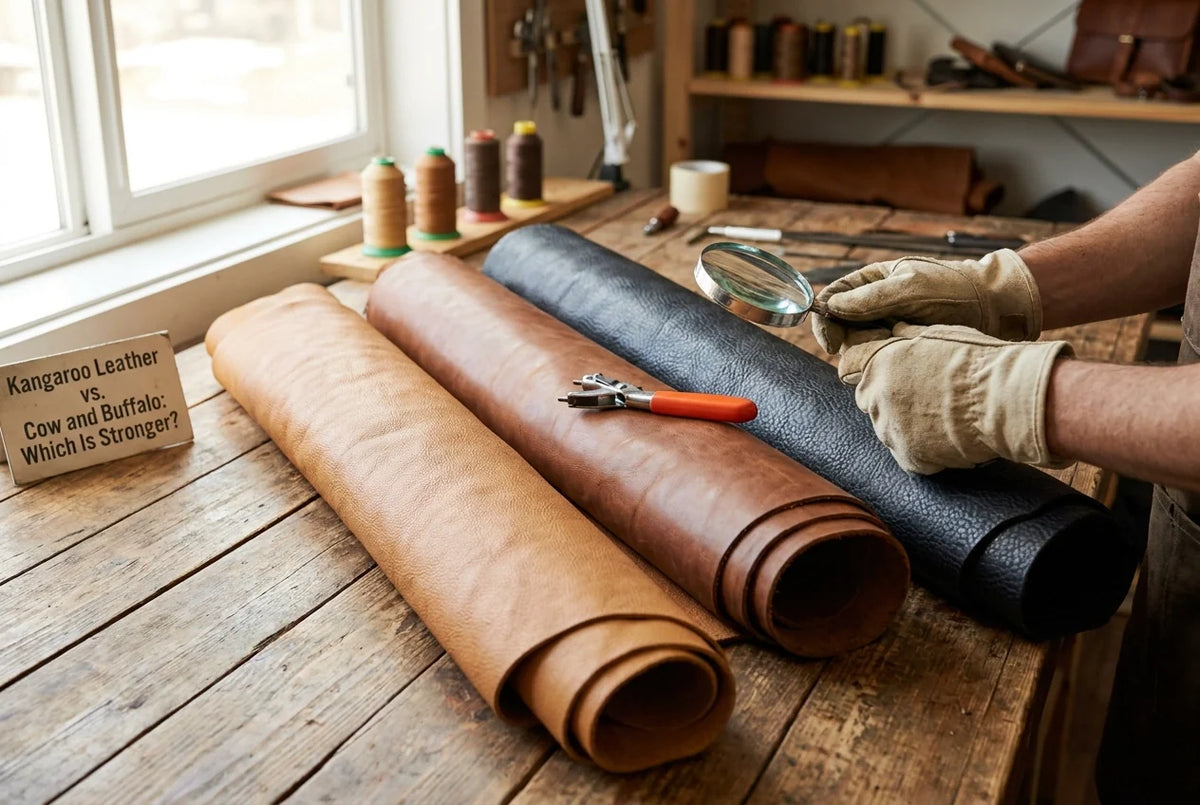
Kangaroo leather is widely regarded as the strongest natural leather in the world on a weight-for-weight basis. That's not a marketing claim invented to sell hats; it reflects the physical properties of the hide itself. Kangaroo leather is notably lighter than cowhide while offering greater tensile strength, which means a kangaroo leather hat sits more comfortably on your head during long outdoor days without sacrificing the durability you need. For anyone who's worn a heavy leather hat and ended the afternoon with a sore neck, the difference is immediately noticeable. You can explore how these material differences play out across hat styles in Australian Leather Hats Compared: Styles and Leathers.
Buffalo leather takes a different approach. It's thicker and more heavily grained than cowhide, making it a genuinely tough outdoor material that handles sun, rain, and rough use with very little maintenance. Over time, it develops a rich patina that cowhide simply doesn't replicate.
Then there are the crocodile tooth hatbands. Jacaru sources genuine crocodile teeth from Australian industry by-products, and offers tiered styles ranging from five teeth up to eleven. This is a transparent, traceable materials story that no mainstream outdoor hat brand is currently telling. Outdoor Gear Lab has reviewed over 50 hat models without featuring a single exotic-leather or crocodile-detail option.
In 2026, with sustainable sourcing becoming a real purchase driver rather than a buzzword, these Australian-native materials offer environmentally conscious buyers a genuinely strong reason to choose differently. You can see how leather cowboy hat construction reflects these material priorities in practice.
Why 'Buy It Once' Beats Replacing Cheap Hats Every Season
There's a quiet shift happening in the hat market right now. Heading into 2026, the brands earning the most loyalty aren't chasing seasonal trends or dropping limited-edition colourways every few months. They're talking about heritage, craft, and hats that last decades. That messaging isn't accidental. Buyers are tired of replacing things that should have lasted longer.
Think about the real numbers for a second. A $30 hat that falls apart, fades, or loses its shape after one summer gets replaced the next year. Do that five times and you've spent $150, except you have nothing to show for it except five trips to the bin. A well-made leather or wool hat bought once, conditioned occasionally, and stored properly can last ten or more years. It doesn't just survive wear; it actually improves with it, developing a patina and fit that a brand-new cheap hat simply cannot replicate.
This is exactly where Jacaru sits. Their use of kangaroo leather, buffalo hide, and merino wool isn't just a materials choice; it's a direct commitment to the 'buy it once' philosophy. These are natural materials with a transparent origin story, not synthetic alternatives that degrade under UV exposure or lose structure after a few washes.
Heritage signals matter here too. When a brand is Australian-made, uses specific named materials, and has decades of craft behind it, that credibility lands differently with buyers who've already been burned by fast-fashion accessories. As explored in this 2026 guide to buying cowboy hats in Texas, even the western hat market frames quality purchases as symbols of tradition and craftsmanship rather than disposable style. The logic is identical whether you're in Fort Worth or finding hat shops near me in Sydney. Buy well once, and you're done.
When There Is No Hat Shop Near You (And What to Do About It)
If you've typed "hat shops near me" into Google and scrolled through results that show department stores, sports goods chains, and fashion accessory boutiques, you've already experienced the core problem. Local retail stocks what sells to the broadest possible audience: snapbacks, branded caps, and a small rotation of casual sun hats. That's it. Premium leather outback hats, kangaroo-hide styles, or hats finished with genuine crocodile details simply don't appear in this tier of retail, regardless of whether you're searching in Sydney, London, or Chicago.
This isn't a gap that a bigger city solves. The specialist hats that outdoor adventurers, serious travellers, and gift buyers are actually hunting for don't exist in standard physical retail at any meaningful scale. The distribution model doesn't support it. A local retailer can't justify holding slow-moving specialist inventory when fashion caps turn over quickly. So if you're looking for something genuinely purpose-built, authentically Australian, and made from materials worth talking about, no amount of local searching will produce a useful result.
The practical fix is straightforward. Jacaru Australia ships Australia-wide and internationally, with multi-currency checkout covering dozens of countries. Ordering directly from the maker is functionally better than buying through a stockist anyway; you get the full range, the maker's own sizing guidance, and a direct relationship for exchanges if sizing doesn't land perfectly.
When you do order online, three things matter. Use the published sizing guide before you buy, measure your head circumference carefully, and don't guess. Look specifically for exchange policies, not just return policies, so a size issue doesn't require a full refund process. And pay attention to how a maker describes their materials. Phrases like "oiled kangaroo leather" or "genuine crocodile trim" tell you something real. "Premium quality construction" tells you nothing.
Some competitors use retail store locators to capture location-based searches, which works well for mass-market sun hats stocked in outdoor chains. But if you're searching for kangaroo leather, exotic trim, or authentic outback construction, no store locator produces a useful result. Those products aren't in the local retail chain at all, which is exactly why buying direct from the source isn't a compromise. It's simply the only option that actually works.

Finding the Right Hat Starts With Knowing What You Are Looking For
By the time you reach this point in your hat search, a few things should be clearer. Material matters: leather handles rough outdoor conditions, wool suits cooler weather and long-term wear, and straw is your friend in summer heat. Brim width determines real sun protection. Intended use shapes every other decision, whether you are buying for outdoor adventures, travel, or gifting. And provenance, specifically whether a hat is genuinely Australian-made or simply styled to look the part, changes everything about what you actually end up with.
Here is the honest truth: the most distinctive pieces, genuine crocodile teeth hatbands, kangaroo leather construction, authentic outback silhouettes built by people who actually understand what that means, are not sitting on a shelf at a local hat shop. They never will be. These are low-volume, high-craft items that require specialist making, not mass retail stocking.
Jacaru is the specialist maker that fills every gap this article has raised. If you are buying a gift, explore the full accessories range alongside the hats; kangaroo keyrings, fur items, and Australian souvenirs pair naturally into a complete, meaningful gift bundle.
The right hat is worth seeking out. Having it shipped directly from the maker beats settling for whatever your nearest shop happens to stock.
Conclusion
Finding the right hat shop does not have to feel like a guessing game. Now that you know what to look for, you are equipped to skip the disappointment and head straight to the stores worth your time and money. Remember the big takeaways: prioritize shops with genuine sun-protective options, look for staff who actually know their product, seek out a selection that fits real lifestyles rather than just trends, and never settle for a shop that makes you feel rushed or overlooked.
The perfect hat is out there waiting for you. Pull up that "hat shops near me" search again, but this time go in with confidence and a clear checklist. Ask the right questions, trust your instincts, and do not leave until you find a shop that truly delivers. Your ideal hat and the shop that sells it are closer than you think.


Our friends at Bocchetta Plush Toys have a great range of lifelike plush animals that make great gifts for people of all ages.