






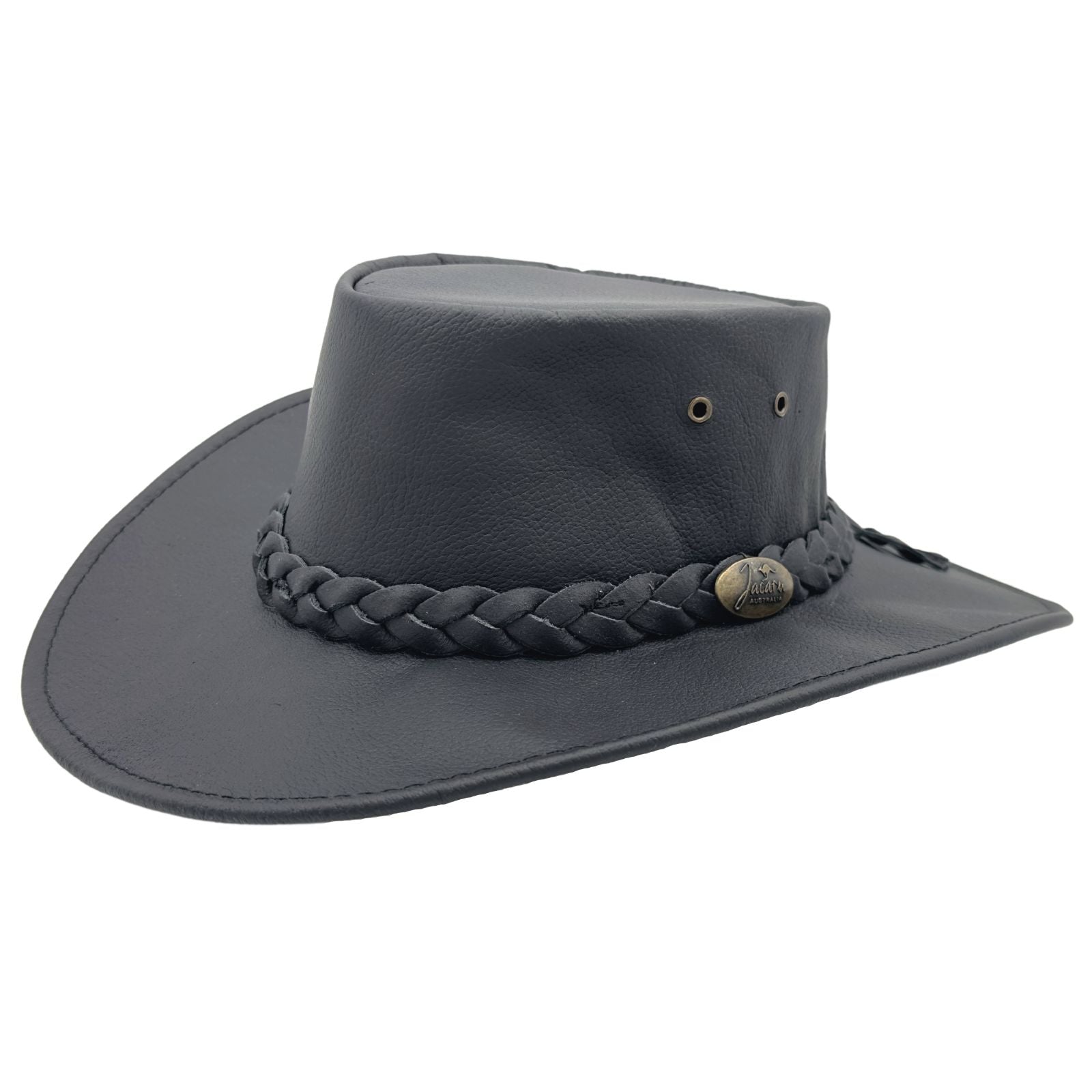


Straw Cowboy Hats: How to Choose the Right One

Picture this: you walk into a store, spot a gorgeous straw cowboy hat on the shelf, and suddenly realize you have absolutely no idea what you're looking for. Sound familiar? You're definitely not alone.
Whether you're gearing up for a summer festival, hitting the ranch, or just want to add some Western flair to your everyday style, finding the right straw cowboy hat can feel surprisingly overwhelming at first. There are so many shapes, sizes, and styles to choose from, and it's easy to grab the wrong one without a little guidance.
The good news is that picking the perfect hat is a lot simpler than it looks. Once you know what to pay attention to, the whole process becomes genuinely fun. In this guide, we're breaking everything down into simple, easy-to-follow tips that are perfect for beginners. From finding the right fit to understanding different brim styles, we've got you covered from head to toe (well, mostly head). By the end of this list, you'll feel totally confident walking into any store and choosing a straw cowboy hat that suits you perfectly.
What Actually Makes a Straw Cowboy Hat Worth Buying
Not every straw cowboy hat is created equal, and if you're shopping for the first time, that price difference between a $22 hat and a premium option can feel confusing. Here's the thing: it usually reflects something real.
Straw cowboy hats do more jobs than most people expect. Ranch work, beach days, country music festivals, Western rodeo events, and everyday vacation dressing all call for a hat, but each setting has different demands. A hat built for a dusty paddock needs serious shape retention and durability. A hat for a beach holiday needs to be lightweight and breathable. Knowing your primary use case before you buy is the single most useful thing you can do.
Three variables separate a good hat from a forgettable one:
Material type: Natural straw (like raffia, palm leaf, or seagrass) breathes beautifully and looks authentic. Synthetic straw handles moisture and sun exposure better. Blended straws (like Shantung, which combines straw and polyester) split the difference with a smoother finish and better shape retention. You can read more about the best types of straw cowboy hats to understand which suits your lifestyle.
Construction method: Hand-shaped hats hold their form longer. Machine-pressed hats are cheaper to produce and dominate the mass-market price cluster of roughly $19 to $31.
Brim width: Wider brims mean more sun coverage. Narrower brims suit smaller face shapes and more tailored looks.
Cowboy hats have also become a genuine fashion moment right now, with raffia and wide-brim silhouettes leading summer 2026 style conversations globally.
Premium natural-straw hats from makers like Jacaru sit above the mass-market tier because the materials are better sourced and the construction is built to last. That price difference reflects a real product difference, not just a name.
Natural Straw Materials: Palm Leaf, Raffia, Seagrass and Toquilla

If you're new to straw hats, the material options can feel overwhelming fast. Let's break down the four main natural straw types so you know exactly what you're looking at when you shop.
1. Palm Leaf: The Everyday Workhorse
Palm leaf is one of the most widely used natural materials in straw cowboy hat construction, and for good reason. It features a tight, dense weave that holds its shape well under real working conditions, making it a reliable choice for field use, ranch work, and outdoor activities. What sets palm leaf apart from synthetics is that it actually improves with age; it develops a warm, natural patina over time that gives the hat a genuine character no machine-made material can replicate. According to The Hat Chick's guide to summer hat materials, the natural gaps between palm leaf fibres act like nature's air conditioning, allowing small air currents to circulate around your head throughout the day.
2. Raffia: The Fashion-Forward Pick
Raffia has become one of the most talked-about natural straw materials heading into 2026, particularly for beach, travel, and festival wear. It is lightweight, breathable, and carries a pleasantly textured appearance that sits somewhere between rustic and refined. Raffia hats do start off slightly stiff, but they soften with wear, adding to that relaxed, lived-in look that suits casual summer dressing perfectly.
3. Seagrass: Built for Ventilation
Seagrass has a coarser, more open weave compared to palm leaf or raffia, and that is actually its biggest strength. More air moves through the crown and brim, which makes a real difference in high-heat, high-humidity environments. If you are spending long hours outdoors in warm conditions, the extra airflow seagrass provides directly affects your comfort levels. The trade-off is slightly less structural rigidity, so it suits relaxed wear more than precision-shaped styles.
4. Toquilla: The Premium Choice
Toquilla straw sits at the top end of the natural straw spectrum. It is the material used in genuine Panama hats, hand-woven from the fibres of the toquilla palm plant. The weave is exceptionally fine; entry-level versions start at around 100 weaves per square inch, while the finest grades reach over 2,000 weaves per square inch. The result is extraordinary breathability, a feather-light feel, and a lifespan that can stretch to decades with proper care. As this detailed guide to straw cowboy hat types explains, understanding these natural varieties helps you make a much smarter purchase decision from the start.
Why Natural Straw Beats Synthetic Every Time Outdoors
The real reason to choose natural straw over polypropylene or paper-based alternatives comes down to breathability. Natural plant fibres contain microscopic hollow tubes that regulate temperature by allowing heat and moisture to escape through the weave. Synthetic materials can mimic the look of straw, but they simply cannot replicate this thermal performance, which matters significantly when you are active outdoors under strong UV conditions.
Synthetic and Blended Straw: Shantung, Bangora and Polypropylene
Once you move beyond natural straw, you enter a world of blends and synthetics that each offer their own trade-offs. Here's what you actually need to know before picking one.
1. Shantung: The Natural-Looking Compromise
Shantung is a blend of paper-based yarn and polyester, woven to mimic the look and feel of natural straw. The result is a hat with a smoother, more refined surface that holds its shape really well, even when humidity levels shift. The polyester content adds moisture resistance, which means you're not treating it quite as carefully as a pure palm leaf or toquilla hat. If you want that classic straw aesthetic without the fussiness of natural materials, Shantung sits in a solid middle ground. It costs a bit more than entry-level synthetics but less than premium natural straw, making it a reasonable pick for occasional outdoor wear or Western events.
2. Bangora: Built for Tougher Use
Bangora blends plant fibre (typically from palm stems) with acrylic. The weave is coarser than Shantung, but that's actually a feature for buyers who need durability over refinement. Bangora resists fraying, holds dye well, and keeps its shape through long days in the sun. According to Shantung vs. Bangora: What's the Real Difference?, Bangora is the working hat choice, while Shantung leans more dress-ready. You'll find Bangora across mid-range Western wear retailers.
3. Polypropylene and Paper Straw: The Budget Tier
Fully synthetic hats made from polypropylene or paper straw dominate the $19 to $31 price range on Amazon. They're lightweight and cheap, which makes them appealing at first glance. The downside is real: they breathe poorly compared to natural or blended straw, and they show wear quickly under genuine outdoor conditions. According to Straw Cowboy Hats: Everything You Need to Know Before You Buy, these materials simply can't match the longevity or feel of natural alternatives. Fine for a one-off festival, but not a long-term investment.
4. UV Protection: Check the Label, Don't Assume
One genuine advantage of synthetic blends is that they accept UV protection treatments more easily than natural straw. That said, no material category carries a guaranteed UV rating. Individual products may or may not include a treatment, so always check the specific UPF rating listed on the item rather than assuming coverage based on the material alone.
5. The Bottom Line on Blends
For anyone prioritising authentic feel and long-term wear, natural straw wins. But if you need something low-maintenance for occasional use, Shantung is the most sensible synthetic-blend option. It looks closer to natural straw and performs well enough for casual outdoor and travel wear.
Australian Outback Straw Hats vs. American Western Styles: Key Differences
Here's something most hat guides completely skip over: not all wide-brim straw hats are built the same way, and the difference between an Australian outback style and an American Western cowboy hat matters a lot more than most buyers realise. If you're shopping for genuine sun protection rather than just a look, this distinction could genuinely change which hat you pick.
The American Western Shape: Style-Led by Design
American Western cowboy hats have a strong, recognisable silhouette. The crown is high and structured, with defined crease lines that vary by regional tradition and personal preference. The brim typically runs around 3 to 4 inches and curves upward at the edges. That curved brim is part of the aesthetic, but it's worth understanding that an upward-curving brim delivers less actual overhead shade than a flat one of the same stated width. The design lineage traces back to Mexican Vaquero sombreros and was later shaped heavily by rodeo culture and Western fashion identity. Style and regional heritage drive the shape choices here, not UV performance.
The Australian Outback Shape: Function First, Always
Australian outback hats evolved for a completely different reason. Drovers, stockmen, and station workers needed headwear that could handle full working days under genuinely brutal sun conditions. The UV index in outback Australia regularly exceeds 11, which is classified as "extreme" on the World Health Organization scale. That's not a number you want to test with a narrower, curved brim.
The result is a hat built around practical geometry: a wider, flatter brim (commonly 3.5 to 5 inches), a lower and more practical crown, and construction designed for durability under sustained sun and sweat exposure. Outback and cowboy hat comparisons confirm the flatter profile is the key structural difference. Jacaru's straw hat range sits squarely in this tradition, built around the same outback-worker heritage with constructions suited to high-UV outdoor conditions.
Which Style Actually Protects You Better?
For beach days, travel, and outdoor adventure where UV exposure adds up over hours, the Australian outback silhouette has a measurable edge. A flat 4-inch brim keeps consistent shade over your face, neck, and ears throughout the day. A curved brim of the same width directs shade primarily forward, leaving your neck and ears more exposed as the sun shifts. You can read more about what separates premium leather and straw constructions in Jacaru's own hat guides.
If your priority is Western lifestyle aesthetics or rodeo tradition, the American Western shape is the right cultural fit. But if you're after all-day sun protection with style built on genuine working heritage, the Australian outback design delivers something the Western silhouette simply wasn't engineered to do.
Matching Your Straw Cowboy Hat to Its Primary Use Case
Not every straw cowboy hat suits every situation, and getting this match right makes a genuine difference in comfort, durability, and how good you actually look. Here's a quick breakdown by use case to help you shop with confidence.
1. Ranch and Outdoor Work
If you're buying a straw cowboy hat for real outdoor work, prioritise function above everything else. Seagrass and palm leaf are the most practical choices here; both handle sustained physical activity well, breathe effectively in heat, and hold up to daily wear. Look for a brim of at least 4 inches wide so you're getting real shade across your face, neck, and shoulders during long hours outside. A sturdy crown that keeps its shape in wind matters more than aesthetics, and a moisture-wicking sweatband lining makes a noticeable difference when you're working up a sweat. This is where cutting corners on material quality really shows up.
2. Beach and Vacation Dressing
Raffia and toquilla are the standout picks for beach and holiday wear. They're lightweight, beautifully textured, and completely on-trend; ELLE called the raffia cowboy hat "the new MVP of vacation dressing" for summer 2026. A wider brim does double duty here, giving you genuine UV protection during long stretches in the sun while looking effortlessly relaxed. You can explore some great cowboy hat outfit inspiration for women on Pinterest to see how versatile these styles really are.
3. Music Festivals and Events
Festivals are tough on hats; crowds, rain, heat, and general chaos are hard on anything delicate. A mid-brim Shantung or Bangora blend is your best bet here because these materials hold their shape reliably and handle the inevitable bumps and knocks of a busy event. They're also more resistant to light moisture than natural straws, which matters when the weather turns unpredictable. Save your precious raffia hat for calmer settings.
4. Gifting and Australian Souvenirs
This is a use case most hat guides completely ignore. For travellers looking for an authentic Australian gift, a natural-straw outback hat from an Australian maker like Jacaru carries genuine provenance and craft that a mass-market import simply cannot replicate. It's functional, it's wearable, and it tells a real story about where it came from.
5. Women's Cowboy Hat Styling
Women's cowboy hat styling is one of the fastest-growing areas of interest in 2026, with TikTok western fashion content generating tens of thousands of views. Wider brims, raffia textures, and versatile neutral tones are leading the trend, and the outback silhouette translates beautifully into everyday fashion contexts. The wide brim that makes an outback hat practical for sun protection is exactly what makes it so stylish right now.
Sun Protection and UV Performance: What Your Straw Hat Actually Blocks

Here's something worth knowing before you buy: not all straw hats actually protect you from the sun in any meaningful way. The difference between a hat that genuinely shields you and one that's mostly decorative comes down to two things: weave density and brim width.
UPF stands for Ultraviolet Protection Factor, and it measures how much UVA and UVB radiation a fabric blocks. UPF 50+ is the highest rating available, meaning the material blocks 98% of UV radiation and lets only 2% through. A tightly woven natural straw hat with a 4-inch brim can absolutely hit that UPF 50+ mark. A loosely woven synthetic hat with a narrow 2-inch brim? It might offer almost no real protection at all. If you can hold a hat up to a window and see clear light coming through the weave, UV is getting through too.
This matters especially if you're spending time in Australia. UV index readings here regularly hit 11 and above, which is classified as extreme, and that's common across outback regions and coastal areas alike. At those levels, sun protection isn't a bonus feature; it's genuinely important for your health. Both Cancer Council Australia and the Skin Cancer Foundation list wide-brim hats as a primary sun-protective measure, right alongside sunscreen and protective clothing.
Brim width is the single biggest variable you can control at the point of purchase. Each extra inch of brim measurably reduces the UV dose hitting your face, ears, and neck. This is actually the functional reason Australian outback hats developed wider brims than traditional American Western styles, because the conditions demanded it.
When it comes to material, natural straw fibres like toquilla and palm leaf provide UV blocking through their inherent plant-fibre density. Synthetic hats may be treated with UV-protective chemicals, but those treatments can degrade with repeated wear and washing over time. Natural straw's protection comes from the fibre itself, so it doesn't wash out.
For a practical deep-dive on how UPF ratings actually work on straw hats, it's worth reading beyond marketing labels. When you're shopping, look for tight weave, a brim of at least 3 to 4 inches, and ideally a verified UPF rating rather than a vague "sun protective" claim.
How to Care for a Natural Straw Cowboy Hat
A quality natural straw hat is an investment, and a little consistent care goes a long way toward protecting it. Here are the five most important habits to build from day one.
1. Store It Right (This Is Where Most People Go Wrong)
The single most common way straw hats get damaged is through careless storage. Never rest your hat brim-down on a flat surface; the brim will slowly warp under its own weight and lose that clean, structured shape. Instead, flip it upside down and rest it on the crown, or use a hat stand to keep the brim free. Also worth knowing: leaving your hat on a car dashboard or rear shelf is a fast track to a shrunken, distorted hat. Enthusiasts are pretty clear on this one: don't leave it in the truck, ever. When you're not wearing it for extended periods, store it somewhere cool, shaded, and dust-free. UV exposure from sitting in direct sunlight gradually bleaches and brittles natural straw fibres, even indoors near a sunny window.
2. Clean Gently and Dry Completely
Natural straw does not respond well to aggressive cleaning. For everyday dust and debris, a soft-bristled brush worked in a circular motion is all you need. For stains, spot-clean with a barely damp cloth and a tiny amount of mild soap if needed, then let the hat air dry fully before storing it. Never submerge a natural straw hat in water. Even heavy rain exposure can stain and weaken the fibre structure over time, so drying promptly after any moisture contact matters.
3. Tackle Dry-Heat Damage Before It Sets In
Hot, arid environments (think the Australian outback or dry inland travel destinations) accelerate the drying-out process in natural straw. Once the fibres lose moisture, they become brittle and prone to cracking. The fix is simple: a light mist from a spray bottle followed by gentle reshaping while the hat is still slightly damp can restore flexibility and form. For a hat that has lost its shape more significantly, steaming over a kettle or pot held at a safe distance softens the straw enough to reshape the brim and crown by hand.
4. Don't Neglect the Sweatband
The inner band is one of the most overlooked parts of hat maintenance. Over time, it absorbs salt and natural oils from your skin, and that build-up can degrade the band itself and start affecting the straw structure sitting just above it. After a long day outdoors, wipe the inner band down with a lightly damp cloth and let the hat air out fully before putting it away. This takes about thirty seconds and meaningfully extends the hat's lifespan.
5. Proper Care Justifies the Price Premium
A well-maintained natural straw hat from a quality maker should last you multiple seasons without losing its shape or character. That longevity makes a real difference when you're comparing a premium option in the $80 to $120 range against a $25 synthetic hat that may last a single summer. For anyone considering an Australian-made option like those from Jacaru, the care routine above is genuinely straightforward; the investment just requires a small amount of attention to pay off significantly over time.
Why Material Provenance and Sustainability Matter When Buying Straw Hats
Sustainability has shifted from a nice-to-have into a genuine buying factor, and if you're investing in a straw cowboy hat, it's worth understanding why this matters to your purchase. According to the cowboy hat market research forecast running through to 2034, eco-friendly materials and sustainable sourcing are now identified as headline product innovation trends, not minor footnotes. Consumer demand is actively moving toward products with traceable, natural materials and ethical supply chains, and that momentum is only building.
Here's the good news if you're leaning toward a natural straw option: the material itself is already working in your favour. Palm, raffia, seagrass, and toquilla are all harvested from fast-growing plants that regenerate quickly. They biodegrade at end of life and require none of the petroleum inputs that synthetic alternatives like polypropylene depend on. Choosing eco-friendly materials in a straw hat isn't a compromise on quality; it's often the opposite, given how breathable and lightweight natural straw performs compared to plastic-based blends.
Where it gets genuinely interesting is the provenance layer that Australian-made products add on top of material choice. With a mass-market import, the supply chain is largely invisible. With an Australian-made hat from a company like Jacaru, you can trace not just the material but the manufacturing context: labour standards, quality oversight, and the story behind the product are all knowable. That transparency is rare in this category.
For gift buyers and travellers, that provenance is a core part of what you're actually purchasing. A natural straw outback hat made in Australia carries a story and an origin that a generic import simply doesn't have. When a hat is both a functional piece of gear and a meaningful souvenir or gift, that story matters. It's the difference between handing someone something and handing someone something worth talking about.
Choosing the Right Straw Cowboy Hat: Key Takeaways
By now, you have everything you need to make a confident decision. Let's pull it all together.
Natural straw (palm leaf, raffia, toquilla, seagrass) is your best pick when performance and longevity matter. It breathes, it lasts, and it earns its keep over years of real outdoor use. Blended straw like Shantung or Bangora offers easier maintenance with less reshaping fuss, making it a solid everyday option. Synthetics suit occasional wear on a tight budget, though you trade breathability and lifespan for convenience.
The Australian outback versus American Western distinction remains the single most important call to make if genuine sun protection is your priority, not just a style statement. Wide brims, structured crowns, and natural materials built for harsh UV conditions are what actually deliver protection where it counts.
In a market where most options sit in the $19 to $31 range and are built to be replaced, Jacaru's natural straw hats represent something different: Australian-made craft, verified UV performance, and real provenance. A quality hat cared for properly lasts years, making the upfront investment far more economical than cycling through disposable imports. The story behind what you wear matters too.
Conclusion
Finding the perfect straw cowboy hat doesn't have to be a mystery anymore. By keeping a few key things in mind, fit, brim style, crown shape, and material quality, you'll walk into any store feeling like a pro. Remember that the right hat should feel comfortable, match your intended use, and reflect your personal style.
Now it's time to put this knowledge to work. Head to your nearest hat shop or browse online retailers with fresh eyes and real confidence. Try on a few options, take your time, and don't be afraid to ask questions.
The perfect straw cowboy hat is out there waiting for you. Whether you're chasing sunsets on the ranch or dancing at a summer festival, the right hat will pull your whole look together beautifully. Go find yours!


Our friends at Bocchetta Plush Toys have a great range of lifelike plush animals that make great gifts for people of all ages.