






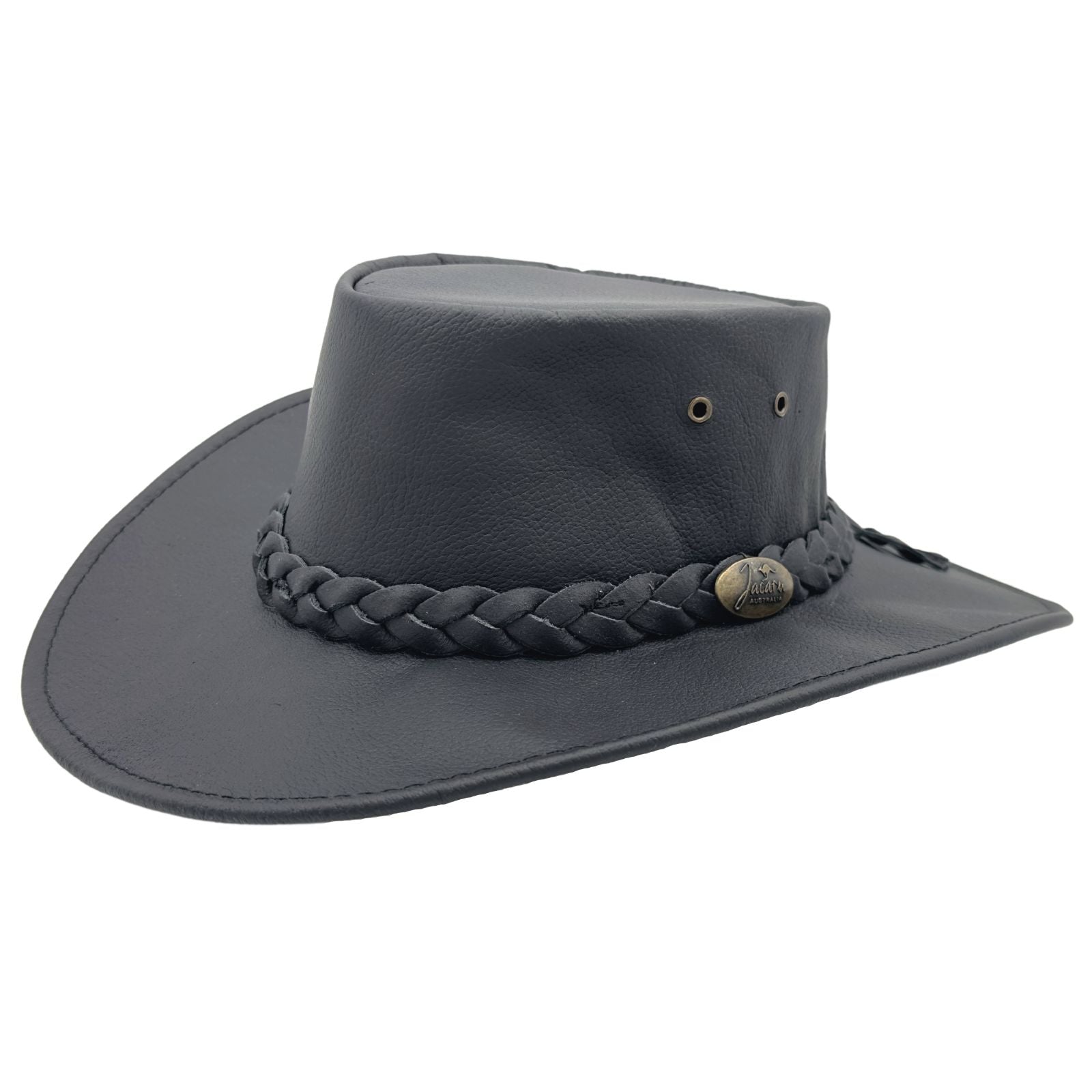


Panama Hat vs Australian Outback Hat: Which One Wins?
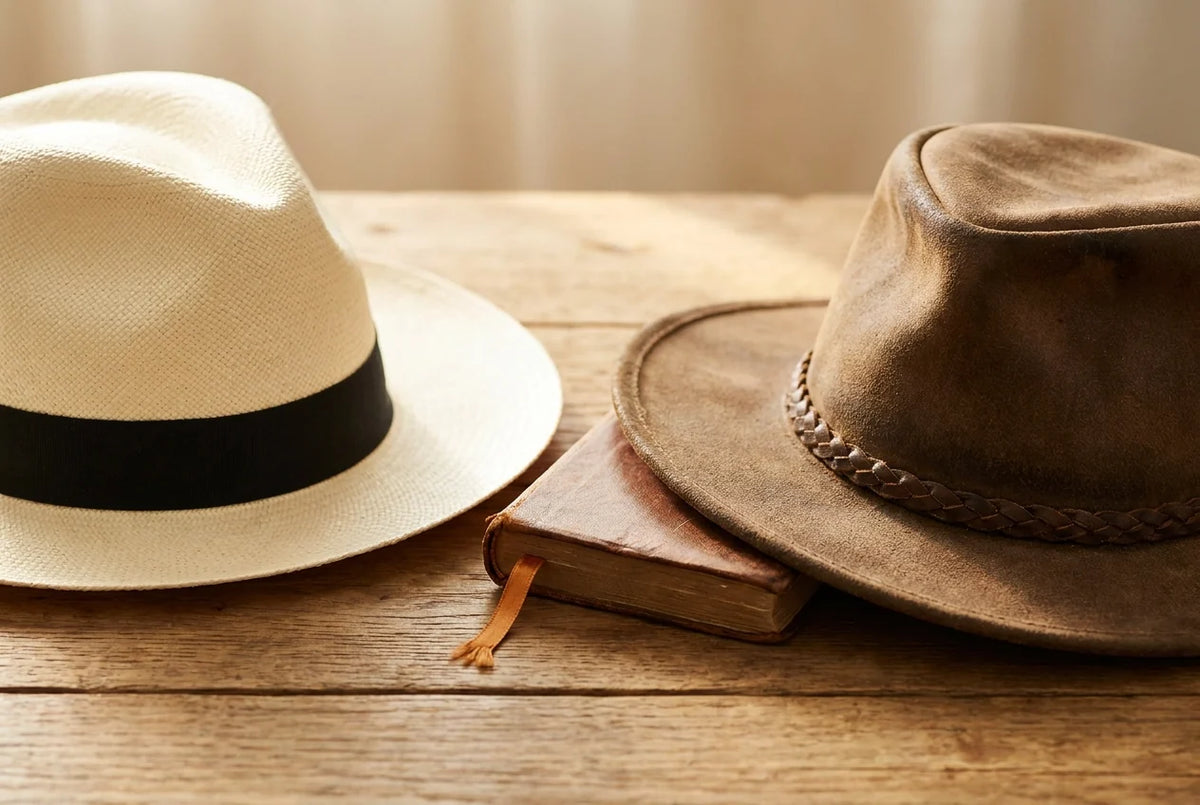
Picture this: you're standing in a hat shop, staring at two seriously stylish options, and you have absolutely no idea which one to pick. Sound familiar? Choosing the right hat can feel surprisingly overwhelming, especially when both options look incredible in their own way.
Today, we're breaking down two of the most iconic hats in the world: the panama hat and the Australian Outback hat. These two classics have very different personalities, histories, and purposes, and knowing the difference could save you from making a purchase you'll regret.
Whether you're shopping for a beach vacation, an outdoor adventure, or simply want to upgrade your everyday style, this guide is here to help. We'll walk you through the key differences between these two hats, covering everything from materials and style to sun protection and price. By the end, you'll know exactly which hat suits your lifestyle best. No confusing jargon, no complicated hat terminology, just simple and honest comparisons that any beginner can follow. Let's get started!
Panama Hats Are Not From Panama (Here's the Real Story)
Here's a fact that trips up almost every first-time buyer: the panama hat has absolutely nothing to do with Panama. These iconic woven hats are hand-crafted in Ecuador, primarily in the regions of Montecristi and Cuenca, from the fibres of the toquilla straw palm. Ecuadorians have been weaving this way for centuries, and they still call it by its proper name: el sombrero fino de paja toquilla. If you want to dig deeper into the craft behind authentic versions, The Ultimate Guide to Panama Hats in Ecuador is a great place to start.
So how did a thoroughly Ecuadorian hat end up named after a completely different country? Blame geography and trade routes. During the mid-1800s, hats were shipped through the Isthmus of Panama on their way to markets across the Americas and Europe. Buyers encountered them there first, the name stuck, and nobody corrected the record. The California Gold Rush of 1849 made things worse, sending thousands of prospectors through Panama wearing these hats back to North America. Then in 1906, U.S. President Theodore Roosevelt was photographed wearing one during his inspection of the Panama Canal construction site. Those images circulated worldwide, and the misnomer was basically cemented into history forever.
The good news is that Ecuador's contribution has since received proper recognition. In 2012, UNESCO added traditional Ecuadorian toquilla straw weaving to its List of Intangible Cultural Heritage, acknowledging the genuine artisan skill passed down through generations of Ecuadorian weavers.
Why does any of this matter when you're shopping? Because the name "panama hat" is now applied to everything from hand-woven masterpieces taking months to complete, to cheap machine-pressed imports knocked out in an afternoon. Knowing the origin story helps you spot a fake panama hat before your wallet takes the hit. An authentic hand-woven Ecuadorian panama and a mass-produced lookalike are vastly different in quality, durability, and price, so the backstory is genuinely useful knowledge.
What Actually Makes a Panama Hat a Panama Hat
So now that you know where panama hats actually come from, let's talk about what separates a genuine article from the knockoffs crowding every tourist market and bargain website.
The non-negotiable starting point is the material. A real panama hat is woven from toquilla straw, harvested from the Carludovica palmata plant native to Ecuador. The fibres are dried, split, and then woven by hand in a distinctive interlocking diagonal pattern. This isn't just a stylistic choice; the weave structure is what gives the hat its breathability, flexibility, and that signature lightweight feel. The finer and more tightly packed the weave, the higher the quality and the steeper the price tag.
Quality is graded on a numerical scale, with superfino Montecristi hats sitting at the very top. At that level, a single artisan can spend up to eight months weaving just one hat, working in cool early-morning conditions where humidity keeps the straw pliable. Top-grade pieces can fetch prices in the thousands. That's not a typo. The craftsmanship genuinely warrants it.
The classic silhouette you probably picture features a wide brim, a pinched or centre-dented crown, and a grosgrain hatband. It's light, airy, and built for travel. Serious travellers love that a quality panama can be rolled tightly and stored in a tube without losing its shape. Specialist retailers even sell roll-up panama hat styles as a dedicated product category, which tells you packability is a genuine feature, not just marketing fluff.
Here's the uncomfortable truth though: the vast majority of hats labelled "panama" in souvenir shops and on mass-market websites are machine-made from lower-grade straw or outright synthetic materials. They might look passable on a shelf, but they bear little resemblance to a handwoven Montecristi original in terms of feel, durability, or craftsmanship. If you're buying a panama hat, knowing these basics puts you miles ahead of the average shopper.
What Is an Australian Outback Hat and Why Does It Exist
While the Panama hat was built for looking good in the tropics, the Australian outback hat was built for surviving them. That distinction matters more than it might first seem.
Australia sits under one of the most brutal UV environments on the planet. The Cancer Council Australia consistently reports UV levels that reach "extreme" ratings for large parts of the country, and that's not just in summer. The outback hat evolved as a direct response to that reality, shaped by generations of drovers, stockmen, and outback travellers who needed full-day protection without compromise. This was never resort wear. It was working gear, and it looks exactly like it.
The structural signature of the outback hat is its wide, sturdy brim, typically running somewhere between 7 and 10 centimetres all the way around. That full-circle coverage is deliberate. It shades your face, yes, but also your neck, ears, and the back of your head, which are precisely the areas most vulnerable during long hours outdoors. Unlike a Panama hat's brim, which can be shaped and pinched for style, the outback brim is built to hold its form under wind, rain, and sweat.
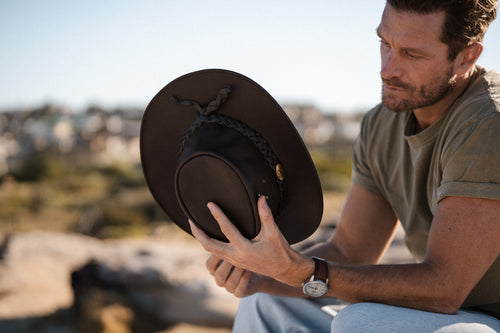
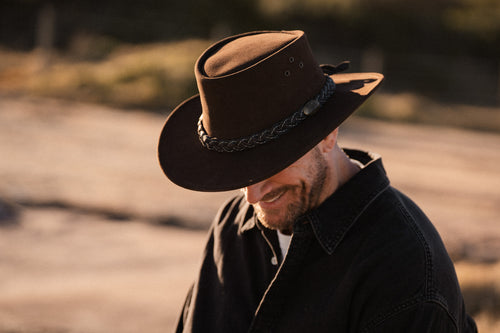
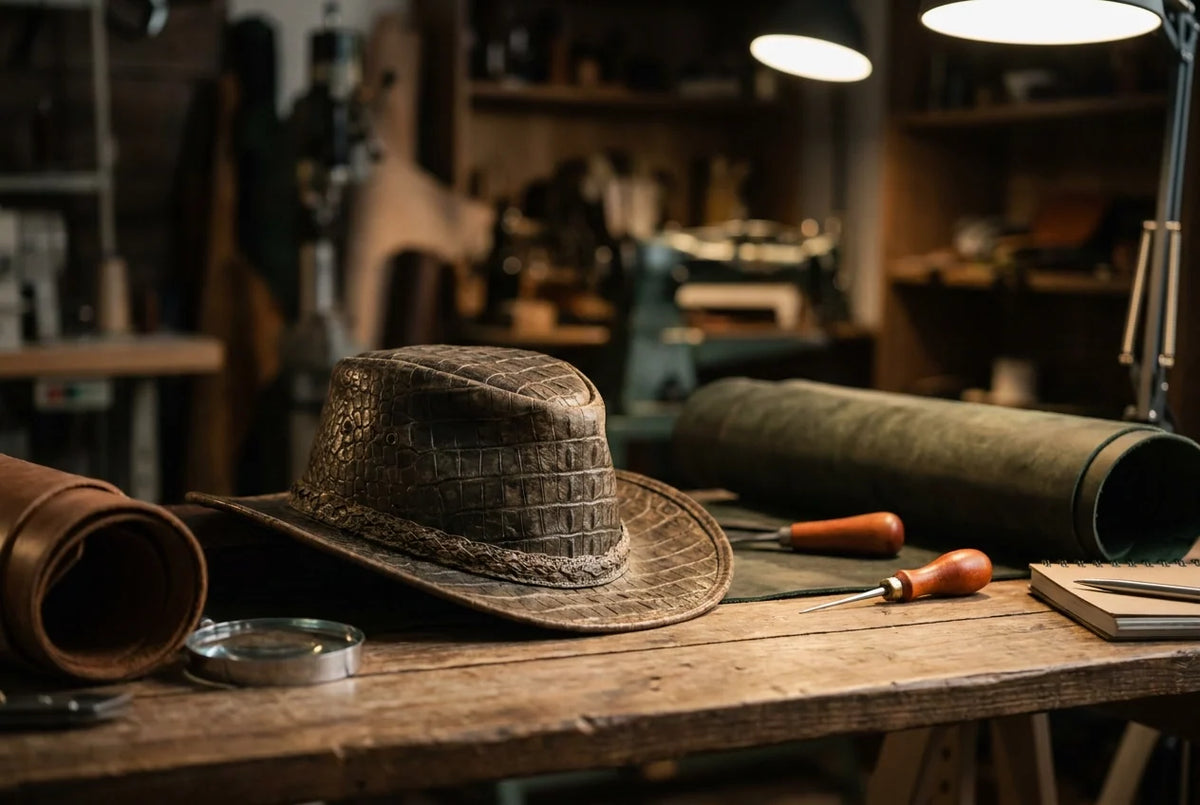
Materials vary depending on what you're doing and where. Woven straw and canvas versions handle heat and ventilation well. Step up to premium leather, including kangaroo hide, buffalo, or cowhide, and you get something that handles serious punishment while developing its own character over time.
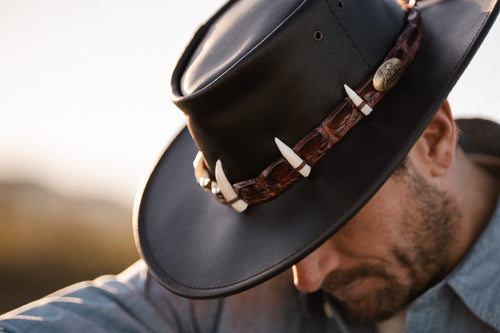
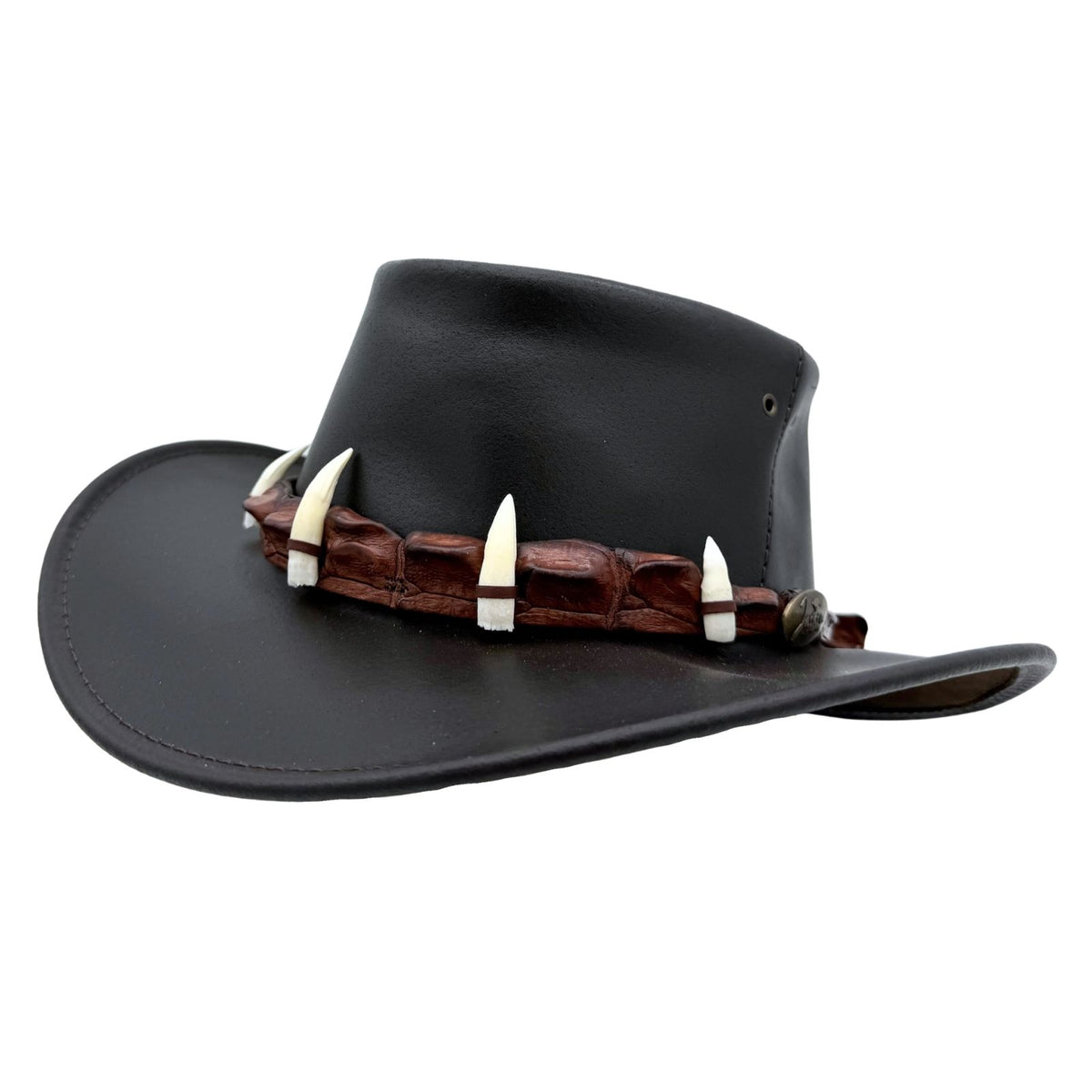
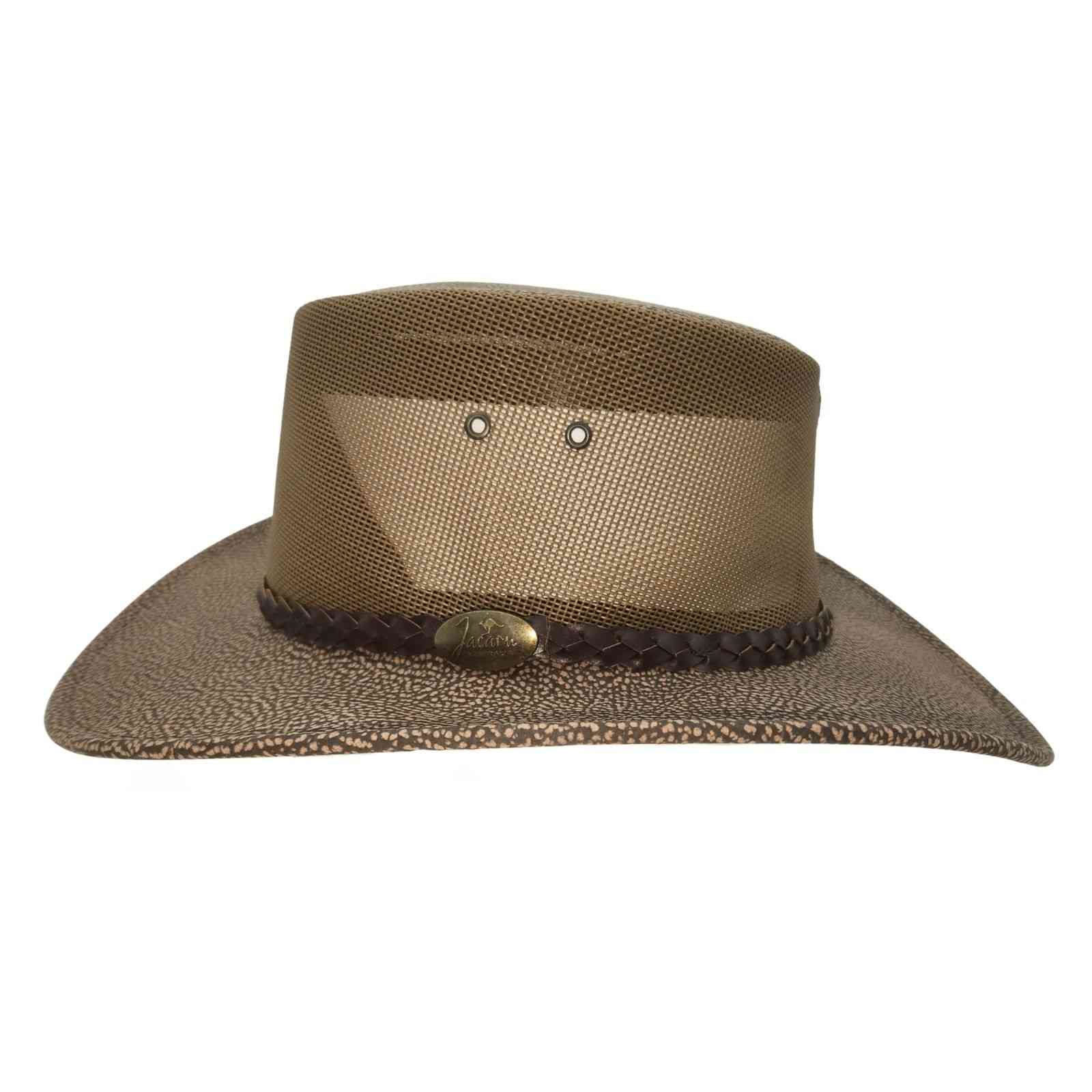
Jacaru's range of Australian hats for men is a good example of how wide that material spectrum can run, from breathable straw options through to full leather builds featuring genuine crocodile teeth hatbands. Those crocodile details are not just decorative; they're a statement of Australian identity, connecting the hat to the landscape it comes from. That cultural provenance is something no Ecuadorian weaving tradition, however skilled, can replicate.
Sun Protection: UPF Ratings and What They Mean for Australian Conditions
Let's be blunt: in Australia, choosing a hat isn't a fashion decision. It's a health decision. Australia records the highest skin cancer rates in the world, which means that UPF (Ultraviolet Protection Factor) ratings on hats aren't just a marketing number slapped on a tag. They're a genuinely useful measure of how much UV radiation a hat actually blocks before it reaches your skin.
Here's where it gets interesting for anyone comparing a panama hat to a purpose-built sun hat. UPF ratings across straw and woven hats vary enormously, and the single biggest factor is weave density. A loosely woven straw hat, including many packable panama-style hats, can offer as little as UPF 10, which blocks roughly 90% of UV radiation. That sounds reasonable until you realise a tightly woven straw hat can reach UPF 50+, blocking over 97.5%. Research into how hat construction affects UV performance confirms that style assumptions alone are a genuinely unreliable guide to protection. Just because a hat looks like it should protect you doesn't mean it actually does.
Brim width adds another layer to this comparison. Cancer Council Australia endorses wide-brim hats with brims of at least 7.5 cm for meaningful coverage of the face, ears, and neck, which are body sites that consistently appear in Australian skin cancer diagnoses. A classic outback-style hat with a full, stiff brim hits that threshold comfortably. Many panama hats, with their narrower, softer brims, fall short.
The trade-off built into a panama hat's greatest selling point is worth understanding here. That gorgeous packability and featherlight construction comes from an open, hand-woven weave. The same quality that lets you roll it into your carry-on is the quality that often means a lower weave density and a lower UPF rating compared to a hat specifically engineered for sun protection.
Six years of Australian sun protection behaviour data show that compliance with hat-wearing during peak UV hours remains inconsistent across the population. Part of that problem is education; many people simply assume any hat is protective enough. If you're buying a hat specifically for Australian outdoor use, the most practical step you can take is checking whether it carries a certified UPF rating rather than relying on what the hat looks like.
Durability and Weather Resistance: Resort Wear vs the Real Outdoors
A panama hat is genuinely beautiful resort wear. But beauty has its limits, and those limits become obvious the moment conditions turn serious.
Toquilla straw, the fine plant fibre woven into every genuine panama, performs well in warm, dry conditions. The problem is that "warm and dry" covers a pretty narrow slice of the real outdoors. Repeated exposure to heavy rain causes the fibres to swell unevenly, leading to warping and eventual cracking. Salt air from coastal environments degrades the weave over time, stripping natural oils from the straw and leaving it brittle. Rough handling in the bush, think snagging on branches or stuffing the hat into a pack, can collapse the brim on a fine weave that took an Ecuadorian artisan weeks to produce. For a weekend in a coastal town, a panama is perfect. For anything harder than that, you are asking too much of it.
Leather outback hats operate in an entirely different category. Kangaroo and buffalo leather are naturally dense and fibrous materials that absorb sweat, tolerate repeated soaking, and can be reshaped after getting wet without permanent damage. Where a panama might be ruined in a single afternoon of tropical downpour, a quality leather hat can handle season after season of hard outdoor use. According to hat materials guidance for real outdoor wear, the core criteria for outdoor headwear are breathability, weather behaviour, durability, and long-hour comfort. Leather scores consistently across all four in demanding conditions.
Straw outback hats sit neatly between the two. Denser and more structured than a fine panama weave, they tolerate moderate weather exposure and physical activity without the weight of a full leather hat. They are a practical pick for warm-weather outdoor activities where you want airflow but still need a hat that can handle a surprise shower without falling apart.
Jacaru's treated leather range takes outdoor durability further still. Their hats are built to handle the kind of full-day exposure common in Australia's Top End wet season, where humidity sits above 80 percent, afternoon storms are routine, and salt air is constant. That specific combination of heat, moisture, and salt would compromise a resort-grade panama within hours. As the guide to picking the right material for your hat confirms, leather and kangaroo hide sit at the top of the durability tier for genuine outdoor performance.
The practical takeaway for any traveller covering multiple environments is straightforward. Match the material to the primary use case. If most of your time is spent in cities and resort settings with occasional beach days, a panama or straw hat is a smart, lightweight companion. If your trip involves bush walks, coastal heat, or unpredictable weather, leather is the material that earns its place over time rather than giving up when conditions get interesting.
When to Wear Which Hat: Matching Style to Situation
Think of each hat as sending a message before you even open your mouth. The panama hat says "I have good taste, I've probably been to a wine festival, and I know what linen trousers are for." It is genuinely excellent for smart-casual events, coastal holidays, outdoor weddings, and travel through Mediterranean or temperate climates where the weather behaves itself and the most strenuous activity is finding a good table at a beachside restaurant.
The Australian outback hat operates in a different league entirely when it comes to versatility. It moves comfortably from a bush walk to a country race meet to an airport departure lounge without missing a beat. It doesn't need a specific occasion to justify its existence; it simply belongs wherever you take it. That kind of cross-occasion flexibility is genuinely rare in a hat.
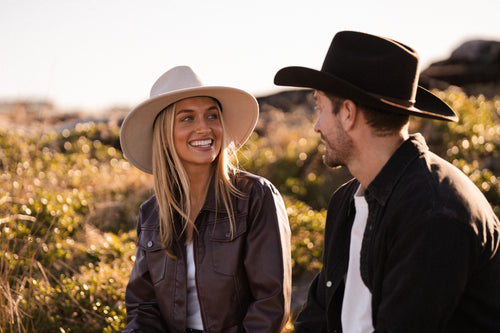
The cultural signal each sends is worth thinking about too. A panama hat reads as cosmopolitan and fashion-conscious, the kind of choice that signals deliberate style awareness. An outback hat reads as capable, adventurous, and unapologetically Australian, which is a considerably more interesting story to wear on your head.
For international travellers visiting Australia, a quality outback hat from a maker like Jacaru doubles as a functional sun hat and a genuine souvenir with real provenance. It won't unravel in a rainshower or lose its shape after one humid afternoon.
Styling note: both hats pair well with casual linen or cotton for warm-weather travel. The outback hat, however, transitions more naturally into rugged outdoor kit, practical workwear, and even semi-formal occasions when fitted with the right hat band.
Sustainability and Provenance: Knowing Where Your Hat Comes From
The genuine panama hat is actually a remarkable sustainability story. Toquilla palm fibre, the raw material behind every authentic Ecuadorian hat, is harvested by hand, prepared by hand, and woven by hand with zero synthetic inputs. The toquilla palm itself regenerates within 18 months of cutting and remains productive for 20 to 30 years, making it about as renewable as natural materials get. UNESCO recognised traditional panama hat weaving as Intangible Cultural Heritage in 2012, which tells you this is a craft tradition worth protecting.
Here is the uncomfortable truth though: most hats sold as "panama hats" have nothing to do with any of this. The market at accessible price points is flooded with cheap imports that borrow the name but not the craft, the fibre, or the provenance. Sustainability claims on these products are effectively unverifiable. Ecuador has established a Designation of Origin certification for authentic hats, but consumer awareness of it remains low, which means most buyers never think to ask.
This is where Australian-made hats offer a genuinely different proposition. Jacaru's hats use kangaroo leather, wool, and straw, all sourced with Australian provenance. The supply chain is shorter, the story is local, and the materials are traceable in a way that anonymous global imports simply cannot match. You are supporting domestic craft traditions rather than wondering which factory floor your hat came from.
Before buying any hat with sustainability claims attached, ask two questions: where was it made, and what is it made from? Then verify rather than assume. If the answer is vague, that is your answer.
Price and Value: What You Actually Get at Each Price Point
Let's talk money, because this is where a lot of buyers get caught out.
Under $50, you are almost certainly buying a machine-made hat pressed from paper straw, synthetic fibre, or low-grade plant material. It will look the part hanging on a rack, and it will do the job for a beach day or a garden party. What it will not do is age well, hold its shape through a summer of real use, or carry any connection to the artisan tradition behind genuine panama hats. Think of it as a costume accessory rather than a hat.
Authentic hand-woven Ecuadorian panamas tell a very different story. Current pricing puts genuine toquilla-straw hats in the $80 to $500 range for everyday to mid-tier grades, with master-woven Montecristi superfino hats reaching thousands of dollars. A single Montecristi can take six to eight months for one weaver to complete. That is genuine artisan value, and the price reflects it honestly.
Australian outback hats in quality leather or premium straw sit in the $80 to $250 range, depending on material and construction. This is where the value calculation gets interesting. A quality leather hat worn hard across a decade of outdoor use might cost you $15 to $25 per year. Budget through two or three $40 straw hats in that same period and you have spent more money, with less to show for it.
Jacaru's range sits squarely at the quality end of the accessible market. The pricing reflects real materials and genuine construction, not fashion-brand markup. For outdoor buyers who actually use their gear rather than photograph it, that difference shows up quickly.
So Which Hat Should You Actually Buy
Here is the honest summary after everything we've covered.
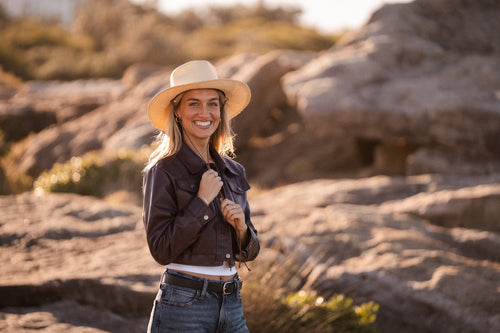
If your main use case is resort holidays, European city breaks, or smart-casual outdoor events in mild weather, a quality panama hat earns its place in your bag. It's lightweight, packable, and genuinely stylish in the right context. Just buy a real one, from a reputable source, and know what you're getting before you hand over your money.
If you spend serious time outdoors in Australia, or you want a hat that pulls double duty as both sun protection and a long-term companion, an Australian outback hat is the stronger investment. The wide structured brim, durable materials, and purpose-built construction are designed for conditions that would quietly destroy a fine toquilla weave. Australia's UV index doesn't negotiate, and neither should your hat choice.
For travellers coming to Australia specifically, the case is even cleaner. Jacaru's outback hat range is built for Australian conditions and made on Australian soil. It functions brilliantly as a working sun hat, and it carries genuine local provenance that no tourist-market knockoff can replicate. That combination of practicality and meaning is hard to beat as both a travel purchase and a souvenir worth keeping.
Before you buy anything, ask yourself four questions: where will you wear this hat most, what weather will it regularly face, how long do you want it to last, and what does it say about you when you put it on? Those four answers will point you to the right shelf every single time.
Both hats are legitimate. Both have a place. The only real mistake is context mismatch, buying a delicate straw hat for outback Australia, or hauling a heavy leather brim to a Monaco yacht party. Match the hat to the adventure, and you genuinely cannot go wrong.
The Bottom Line on Panama Hats and Outback Hats
Panama hats are genuinely great headwear with a fascinating origin story, but the name covers everything from a hand-woven Ecuadorian artisan piece taking months to complete, all the way down to a machine-pressed paper import that falls apart after a summer. That gap matters, and knowing which side of it you're on before you buy is half the battle.
For anyone spending real time outdoors in Australia, a wide-brim outback hat built from durable natural materials simply makes more practical sense. Australian UV levels are among the most intense on the planet, and a hat purpose-designed for that environment, with a genuine UPF rating, a full wide brim, and materials that hold up to heat, wind, and hard use, is not a luxury. It is the sensible baseline.
The practical takeaway from all of this is straightforward. Match the hat to where you are actually going. Check for a verified UPF rating if sun protection matters to you. Choose natural materials over synthetic alternatives wherever possible, because breathability and longevity are not features you want to compromise on.
Jacaru's Australian-made outback hat range is a solid starting point for anyone ready to move beyond the tourist-shop panama. Built from kangaroo leather, cowhide, wool, and straw, these hats are designed for the environment most Australians actually live and adventure in.
Whether you land on straw or leather, the best hat is always the one built for where you're actually headed.
Conclusion
Choosing between a Panama hat and an Australian Outback hat really comes down to knowing yourself and your lifestyle. The Panama hat delivers lightweight elegance and breathable comfort, making it perfect for warm-weather occasions and polished looks. The Outback hat brings rugged durability and serious sun protection, built for adventurers who need reliable performance in tough conditions. Both hats are timeless investments worth every penny, but only one is right for you.
Now that you know the key differences, the next step is simple: think about where you'll actually wear your hat most often and let that guide your decision. Browse your options, try a few styles on if possible, and trust your instincts. The perfect hat is out there waiting for you. Go find it, wear it proudly, and never underestimate the power of a great hat to complete your look.


Our friends at Bocchetta Plush Toys have a great range of lifelike plush animals that make great gifts for people of all ages.