








Why Kangaroo Leather Hats Are Worth the Investment
Most hats are forgotten after a season. A kangaroo leather hat is still being worn a generation later. That distinction matters more than ever in a market flooded with fast-fashion headwear that fades, cracks, and ends up in landfill within a year or two.
Kangaroo leather has a reputation among craftspeople and outdoor enthusiasts for a reason. It is lighter, stronger, and more flexible than most conventional leathers, and it comes from one of the most carefully managed wildlife harvests on the planet. For consumers who want transparency around what they are buying and why, that provenance carries real weight.
This post breaks down exactly what makes a kangaroo leather hat worth the investment. You will get a clear comparison of kangaroo leather against cow and buffalo hides, an honest look at the sustainability credentials behind the material, and practical guidance on sun protection, gifting, long-term care, and what to look for when you are ready to buy. Whether you are outfitting yourself for serious outdoor use or looking for a piece that moves easily between function and style, the case for this hat is stronger than you might expect.
A Hat With a Story: The Australian Provenance Advantage

Every kangaroo leather hat begins with a material found nowhere else on earth. Kangaroo hides are sourced exclusively from Australia, where commercial harvesting operates under the National Code of Practice for the Humane Shooting of Kangaroos and Wallabies, a framework enforced across state and federal jurisdictions. Licensed harvesters must complete marksmanship training, annual quotas are set against verified population estimates, and each state maintains a dedicated wildlife management agency overseeing compliance. Few materials in the premium leather market carry this level of documented government oversight.
The environmental calculus is also distinct. Kangaroo hides are a secondary product of an established wildlife management programme, not the output of intensive farming. No additional land is cleared, no feedlots are required, and no supplementary water systems are needed to produce the raw material. You can read more about Jacaru's approach to sustainable sourcing and how this shapes their product range.
In a premium hat market where most brands offer little more than a country of manufacture listed in fine print, Australian provenance is a genuine differentiator. Buyers researching a serious purchase increasingly want to know the full story behind what they're buying, and kangaroo leather is one of the few materials that can answer every question in that chain.
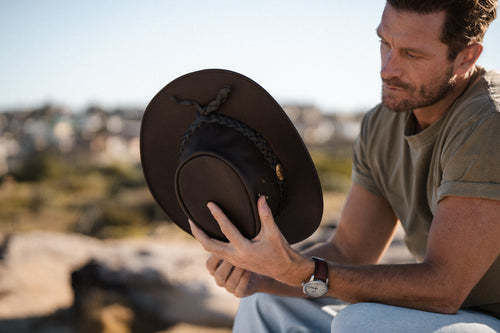
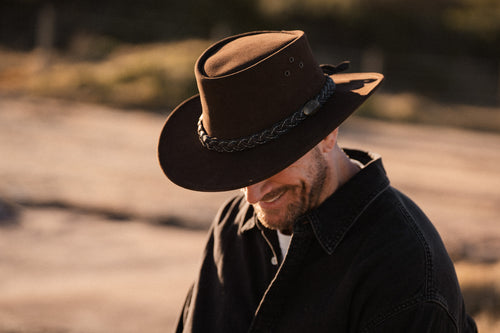
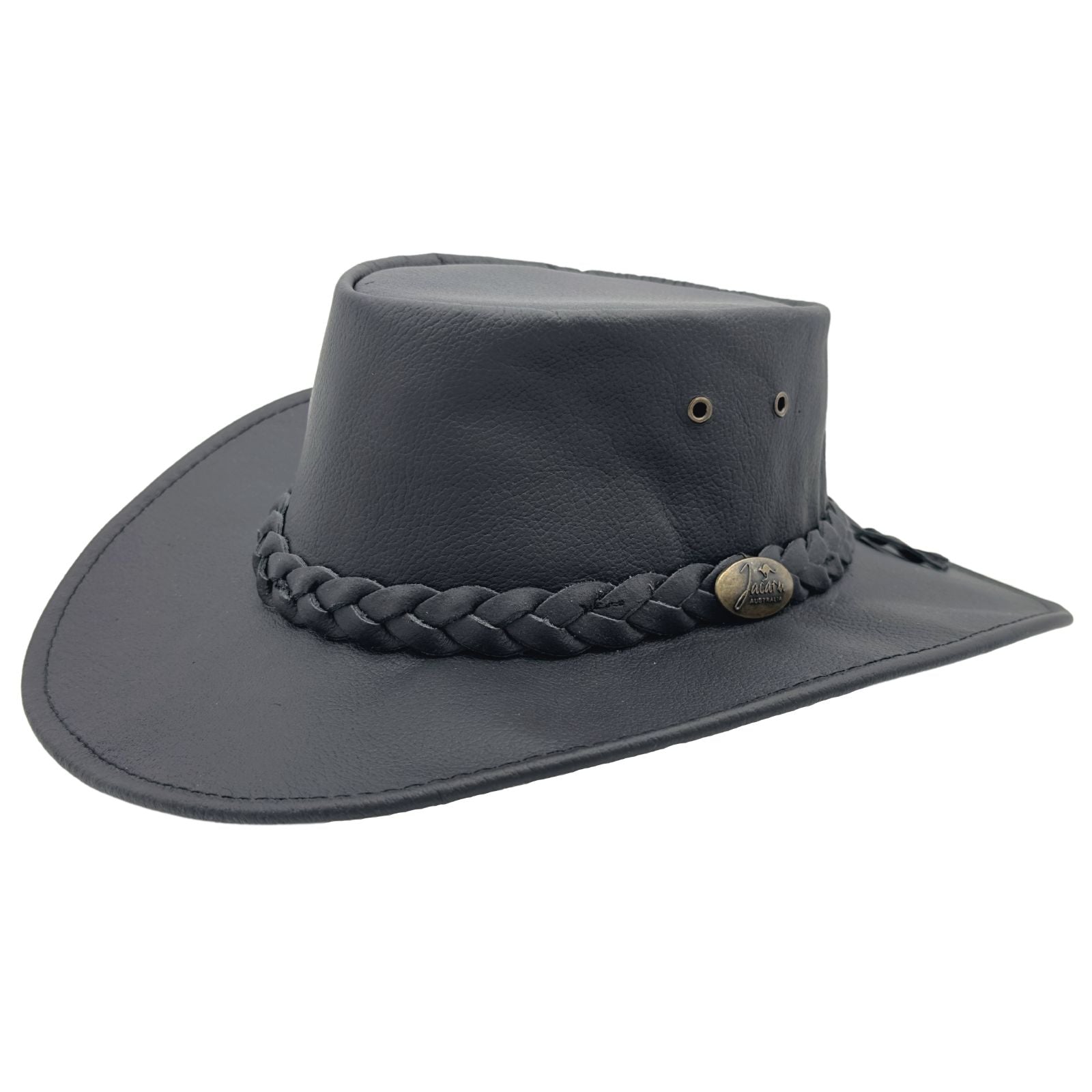
Jacaru's outback hats sit squarely within that story. The wide-brimmed silhouette is inseparable from Australian cultural identity, from working stockmen to the iconic Crocodile Dundee image recognised globally. When provenance, craftsmanship, and cultural weight align in a single product, a functional purchase becomes something worth keeping for life.
Kangaroo Leather vs. Cow and Buffalo Leather: What the Material Science Shows
Provenance tells you where a hide comes from. Material science tells you why it performs.
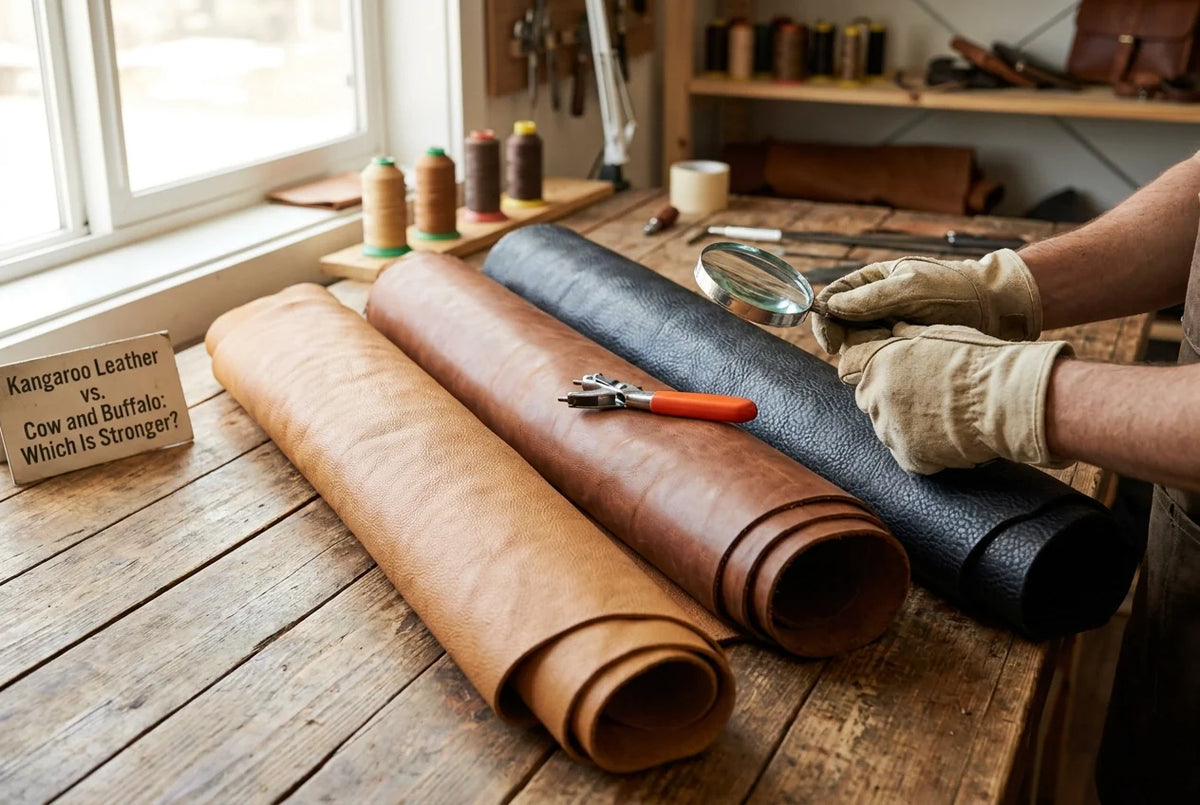
Kangaroo leather has long held a reputation among craftspeople for an exceptional strength-to-weight ratio, a property under active study by CSIRO-funded researchers. That means it resists stress and holds its structure without the bulk that cowhide or buffalo hide require to achieve comparable results. Kangaroo hide's fibre structure is the subject of ongoing materials research; craftspeople and leatherworkers consistently report superior resistance to cracking and moisture damage compared with standard cowhide, though published comparative data remain limited. Research supported by CSIRO Textile and Fibre Technology confirms that processing factors during tanning have a significant effect on kangaroo leather's strength properties, underlining that the material's performance is both inherent and refinable.
Cow leather is the most widely available option and typically the most affordable. As a category, cowhide is heavier than kangaroo leather, adding bulk to the finished product.
Buffalo leather is genuinely durable and well-suited to heavy workwear applications. Buffalo leather is noted for its weight, which can be a trade-off for all-day wear or across weeks of travel.
For hat construction, these differences are practical. The combination of lightness and structural integrity in kangaroo leather produces a hat that holds its shape through years of field use without becoming stiff or brittle with age. If you want a deeper look at how these materials compare across specific hat styles, the Outback Kangaroo Hat vs. Other Materials: What to Know Before You Buy guide covers the practical trade-offs in detail.
Tanning method also affects longevity. Properly tanned kangaroo leather is widely reported to develop character with age, which reinforces the long-term value of the investment.
Sustainability Credentials That Go Beyond the Label
Material quality makes the case for durability. But for a growing share of buyers, the sourcing story behind that material matters just as much. Sustainability is now a baseline expectation, not a selling point, and publications like The Good Trade reflect this shift, with over 350,000 readers actively researching eco-conscious alternatives to conventional goods.
Kangaroo leather clears this bar with specificity. Harvesting in Australia operates under the National Code of Practice for the Humane Shooting of Kangaroos and Wallabies for Commercial Purposes, a mandatory framework that sets quotas to ensure populations remain stable. This is wildlife stewardship with legislative teeth, not voluntary pledges.
Because kangaroo harvesting is population management rather than industrial agriculture, it avoids the need for dedicated farming infrastructure, though no published lifecycle comparison was available at time of writing.
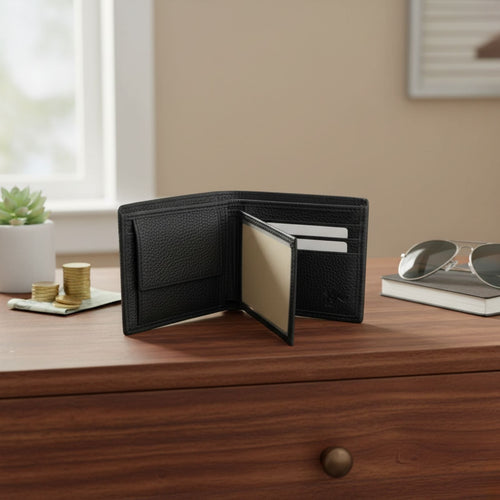
With proper care, a quality kangaroo leather hat is built to last for decades, eliminating the repeated replacement cycles typical of synthetic headwear or lower-grade leather. Fewer purchases over a lifetime means less manufacturing demand. This logic extends across the full range of kangaroo leather goods, from hats to kangaroo leather wallets and accessories.
When evaluating any brand's sustainability claims, demand specifics: the tanning process used, the Australian region of origin, and the name of the state management program authorising the harvest. "Sustainable" used without those details is decoration. Brands that can answer all three are the ones worth buying from.
Sun Protection in the Field: What Wide-Brim Leather Hats Actually Deliver
Longevity earns its sustainability credentials, but a kangaroo leather hat also earns its keep in direct sun protection, where material performance is measurable and the stakes are real in Australia's UV environment.
Wide-brim hats consistently rank as the top recommended category for sun protection, and for good reason. Sun-safety guidance commonly recommends a brim of 7.5 centimetres (3 inches) or more to cast meaningful shade over the face, ears, and back of the neck. Sun-safety guidance commonly highlights the ears and nape of the neck as areas frequently missed by sunscreen, and cumulative UV exposure in those areas contributes significantly to long-term skin damage.
Leather has a structural advantage over woven straw or synthetic fabric alternatives. Unlike open-weave straw, solid leather presents no gaps through which UV can pass, an intuitive structural advantage.
Rigidity matters just as much as material. In sustained heat and humidity, leather's rigidity is a known practical advantage over straw and fabric alternatives that lose shape. That structural reliability is not incidental; it is what makes a hat genuinely functional rather than decorative.
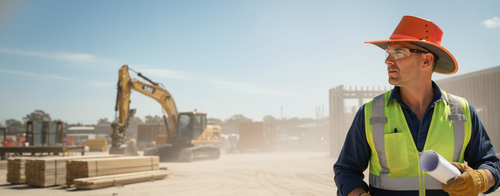
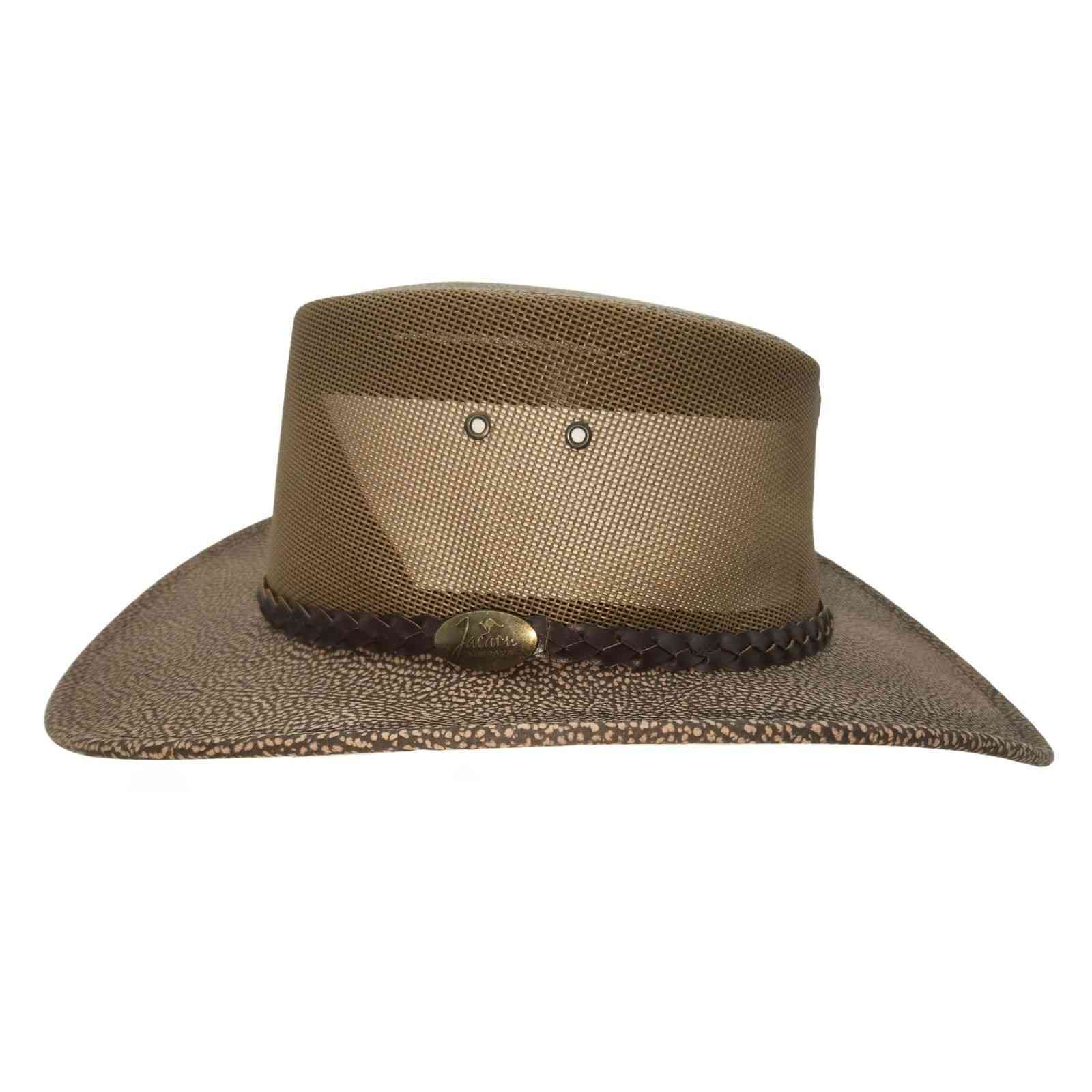
Jacaru's outback range is built with brim widths suited to serious outdoor use. Styles like the Soaker and Soaker Breeze hats, designed specifically for summer conditions, deliver that combination of coverage and wearability for hikers, travellers, and outdoor workers who need protection that holds its shape all day.
The Case for a Kangaroo Leather Hat as a Gift Worth Giving
A kangaroo leather hat earns its place as a gift precisely because it carries weight beyond its function. Where a mass-produced souvenir communicates convenience, a hat made from ethically sourced Australian kangaroo leather communicates intention: the story of where the hide came from, the management framework behind it, and the craft that shaped it into something built to last decades.
That narrative is what separates an experiential gift from a transactional one. For international recipients, particularly in corporate gifting contexts, Australian-made leather goods signal a level of cultural specificity that generic branded merchandise cannot replicate. The giver has chosen something rooted in a place, not just a price point.
For travel souvenir buyers, the argument is practical as well as sentimental. A quality hat is worn on the flight home, on the next hiking trail, and on every sunny afternoon that follows. Unlike a decorative keepsake relegated to a shelf, a functional hat keeps the memory of Australia active and visible for years.
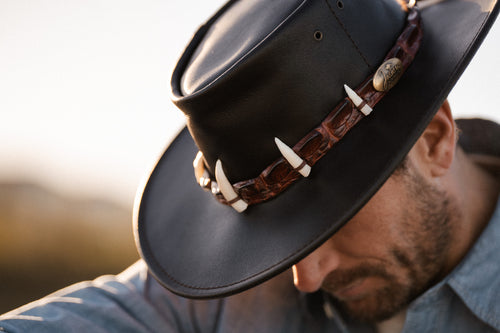
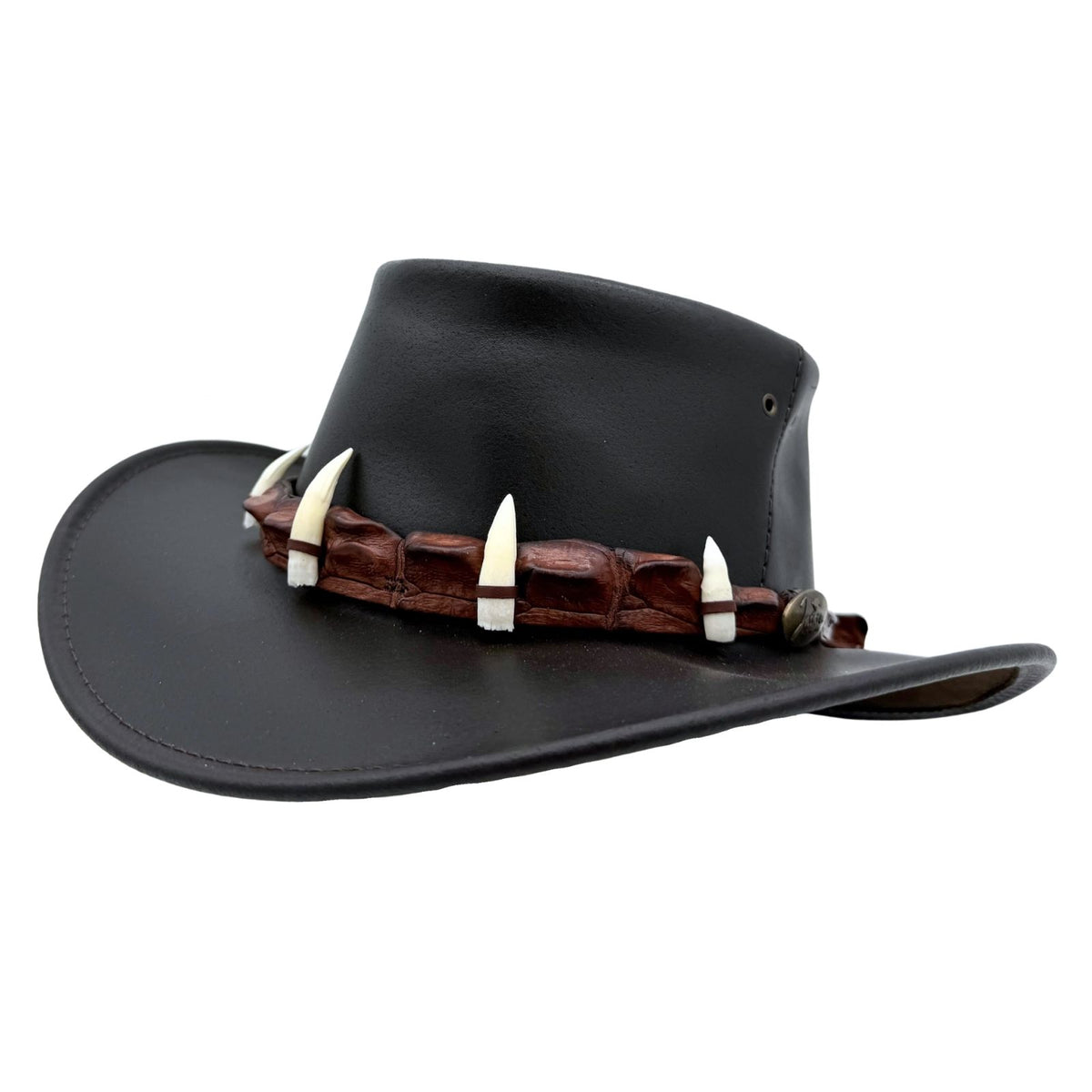
Jacaru supports this gifting logic across multiple price points. Buyers can explore the full kangaroo leather hat range and pair a hat with kangaroo keyrings or a Crocodile Dundee-style hat featuring genuine crocodile teeth, building a distinctly Australian gift set that scales to any budget. That flexibility matters for both individual travellers and corporate buyers sourcing gifts for multiple recipients.
The result is a gift category with genuine depth: durable, provenance-rich, and rooted in a material story that only Australia can tell.
How to Care for a Kangaroo Leather Hat So It Lasts Decades
A kangaroo leather hat is only as good as the care it receives. Follow these five practices and yours will outlast several generations of synthetic alternatives.
Condition regularly. Most leather care guides recommend conditioning every few months to prevent the fibre structure from drying out. Regular conditioning maintains both flexibility and water resistance, the two properties that make kangaroo leather perform in the field.
Store on a hat block or wide flat surface. Quality kangaroo leather is known for holding its shape well; store it on a hat block to preserve the form it develops. Never stack weight on top of it or compress it into a bag long-term.
Spot-clean only. Use a slightly damp cloth on soiled areas and allow the hat to dry naturally, away from direct heat sources such as radiators or direct sunlight. Soaking the hide risks uneven shrinkage and brim warping that cannot be reversed.
Buff out surface scratches with conditioner. Light surface marks can often be buffed out with conditioner and a soft cloth, a resilience leatherworkers attribute to the material's tight fibre structure. This is one of the clearest durability advantages kangaroo leather holds over synthetic or lower-grade materials.
Expect and welcome the patina. A well-maintained kangaroo leather hat deepens in colour and character over years of use. That patina signals a live material ageing well, not a product wearing out. It is central to the long-term value of the investment.
For a full breakdown of recommended products and cleaning methods, Jacaru's leather hat care instructions cover everything you need to protect your hat from the first wear onward.
What to Look for When Buying a Kangaroo Leather Hat
Knowing how to care for your hat matters only if you've bought the right hat to begin with. Here are five criteria worth checking before you commit.
Verify leather origin. Genuine kangaroo leather is traceable to Australia. If a listing describes the material only as "exotic leather" with no sourcing detail, treat that as a red flag.
Match brim width to your intended use. A 3-inch brim handles casual outdoor wear and travel comfortably. For prolonged sun exposure, a wider brim is generally advisable.
Inspect the hatband and hardware. A premium kangaroo leather hat should show the same level of finish on the inside as the outside. Check the internal sweatband stitching, the fit of any decorative hatband, and how hardware elements sit against the leather. Loose threads or uneven stitching on a supposedly premium hat signal corners cut elsewhere.
Consider sizing carefully. Kangaroo leather is known to mold gently to your head over time. A hat that fits too loosely at purchase may lose its structure with repeated outdoor use. Size for a snug but comfortable feel from the start.
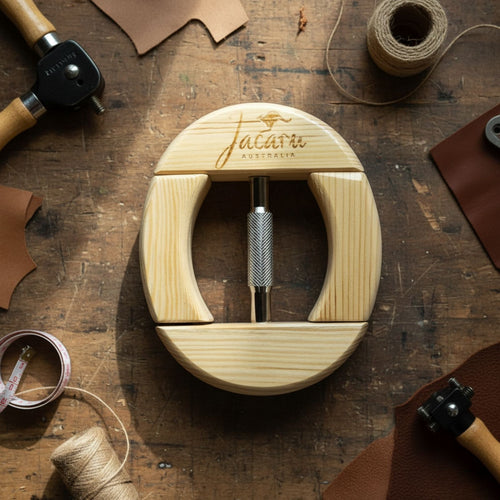
Look for a verifiable maker. Vague provenance claims are common in the premium hat category. Jacaru's kangaroo leather outback hats are handcrafted in Australia, with options including genuine crocodile teeth and backstrap hatbands, giving buyers a clear, traceable product rather than a generic leather hat with unverifiable origins.
The Bottom Line on Kangaroo Leather Hats
Once you've worked through the buying checklist, the decision framework becomes straightforward. A kangaroo leather hat earns its place as a premium purchase on five counts: uniquely Australian provenance backed by government-regulated harvesting, a well-regarded strength-to-weight ratio that outperforms cow and buffalo leather in practical use, verified sustainability credentials under the national management code, genuine UV protection from a structurally rigid wide brim, and long-term durability that improves with age rather than degrading.
This is not a trend-driven purchase. With proper care, a quality kangaroo leather hat is built to last for decades, which makes the upfront investment substantially different from replacing cheaper headwear on a seasonal cycle.
Three actions to take before you buy:
As covered above, confirm leather origin, if a listing says "exotic leather" without naming the source, walk away.
As covered above, match brim width to use, a wider brim is generally advisable for prolonged sun exposure.
As covered above, commit to basic care, regular conditioning and correct storage protect the investment for decades.
Jacaru's range of Australian-made kangaroo leather outback hats meets every criterion covered in this guide, from verified sourcing to handcrafted construction. If you want to understand the material and craft terms used across the range, the Jacaru leather and hat glossary is a useful starting point before you choose.

Conclusion
A kangaroo leather hat is not an impulse buy. It rewards research, and it rewards care. The provenance, care, and buying criteria covered above give you everything needed to choose with confidence.
Explore Jacaru's Australian-made kangaroo leather hat range today. Review the leather and hat glossary to shop with confidence, and choose a hat built to outlast every trend and every season.


Our friends at Bocchetta Plush Toys have a great range of lifelike plush animals that make great gifts for people of all ages.