








Australian Wool Hats: 7 Things to Know Before You Buy
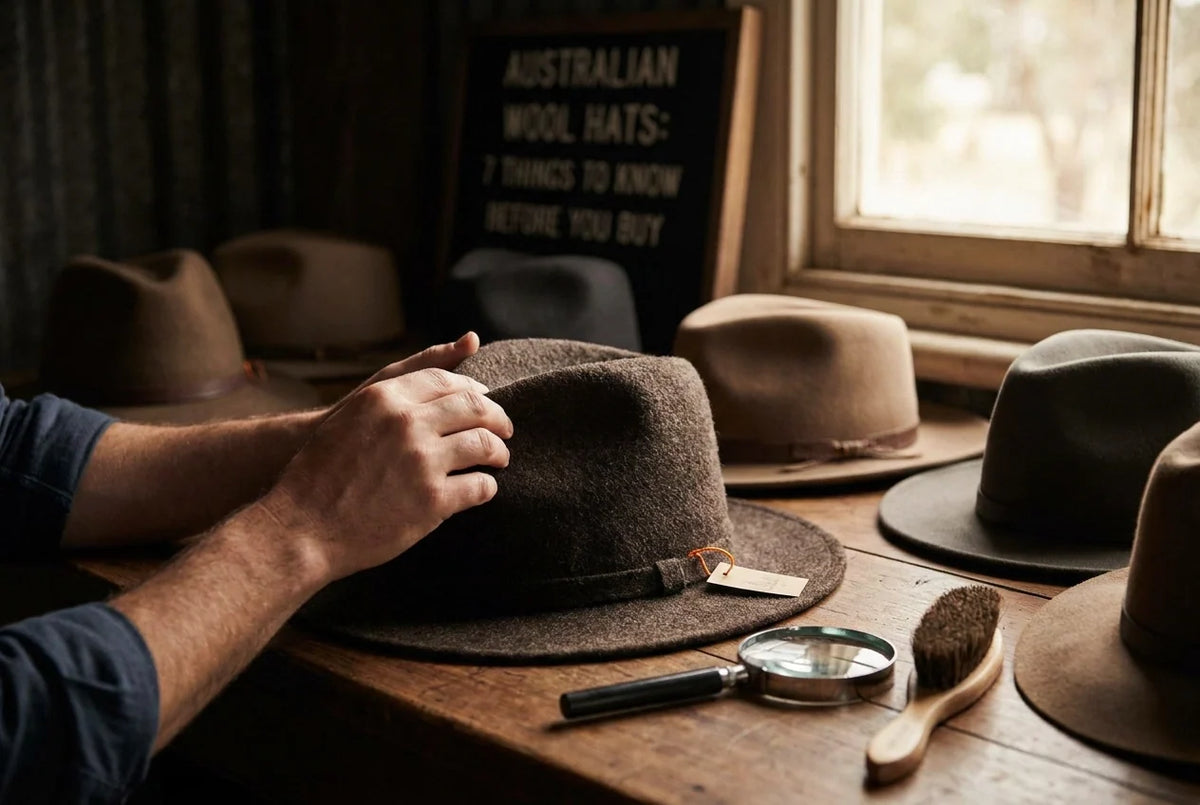
Not all hats are created equal, and if you have ever held a genuine Australian wool hat in your hands, you already know the difference. There is something immediately recognizable about the weight, the texture, and the quiet confidence a well-crafted wool hat carries. As 2026 headwear trends shift toward heritage, sustainability, and elevated craftsmanship, the Australian wool hat is having a well-deserved moment in the spotlight.
But buying one for the first time can feel overwhelming. What actually makes Australian wool special? How do you know if a hat is genuinely made with Australian wool or simply marketed that way? And once you own one, how do you keep it looking great?
This guide answers all of those questions. Whether you are shopping for your first quality hat or simply curious about what sets Australian wool apart from other materials, you will find clear, practical information across seven essential topics. From understanding the heritage behind the craft to spotting authentic products and caring for your purchase, consider this your complete beginner's guide to buying an Australian wool hat with confidence.

What Makes Australian Wool Different
Not all wool is created equal, and the difference matters the moment you put a hat on your head in real Australian conditions.
Australian Merino wool is finer than standard wool grades. That fineness translates directly to softness against the skin, lighter hat weight, and a denser felt surface when processed. Standard wool felt is coarser and heavier. Fur felt, made from animal fur, is exceptionally smooth but carries a higher environmental cost and lacks Australian provenance. For a hat worn across long days outdoors, Merino wool felt strikes the best balance of comfort, weight, and resilience.
Australian hat design did not emerge from a drawing board. Over more than a century of use across outback heat, alpine cold, and coastal humidity, the wide brim and structured crown became functional necessities, not stylistic choices. Those conditions demanded a material that could handle sweat, rain, and UV exposure without warping. Wool proved its worth through that testing.
The reason wool breathes so well comes down to fibre structure. Merino wool has a natural crimp, a microscopic wave along each fibre. That crimp creates small air pockets within the felt, allowing heat to escape and moisture to wick away from the head. Synthetic performance fabrics can repel water but cannot replicate this passive thermal regulation.
When buying, look for fibre grade labelling (micron count indicates quality), clear country-of-origin marking, and makers who are transparent about where their wool is sourced and processed. Our guide on Australian Made Hats: What to Look For and Why It Matters covers those authenticity markers in detail.
Finally, on longevity: a well-made wool felt hat holds its shape for decades with basic care. Synthetic alternatives are generally less resilient over time and lack wool's natural ability to hold its shape. Wool is simply a more durable investment.
The Heritage Behind the Hat
Material quality tells half the story. The other half is where that hat comes from and what it means.
The wide-brimmed outback hat began as pure function. Stockmen and drovers working Australia's interior needed protection from brutal sun, driving rain, and biting wind across shifts that lasted all day. The broad brim, the durable crown, the fitted band, every feature solved a real problem. Over generations, that working tool became something more: a shorthand for Australian resilience, self-reliance, and connection to the land.
Over decades, the wide-brimmed outback hat crossed from workwear into cultural symbol, carried by jackaroos, cattlemen, and adventurers whose images shaped how the world pictures the Australian bush. Buyers in 2026 arrive with that imagery in mind and are increasingly asking whether what they are holding is genuine.
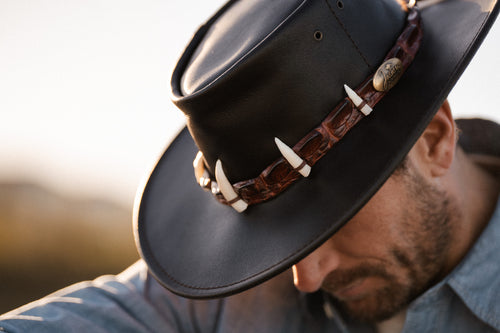
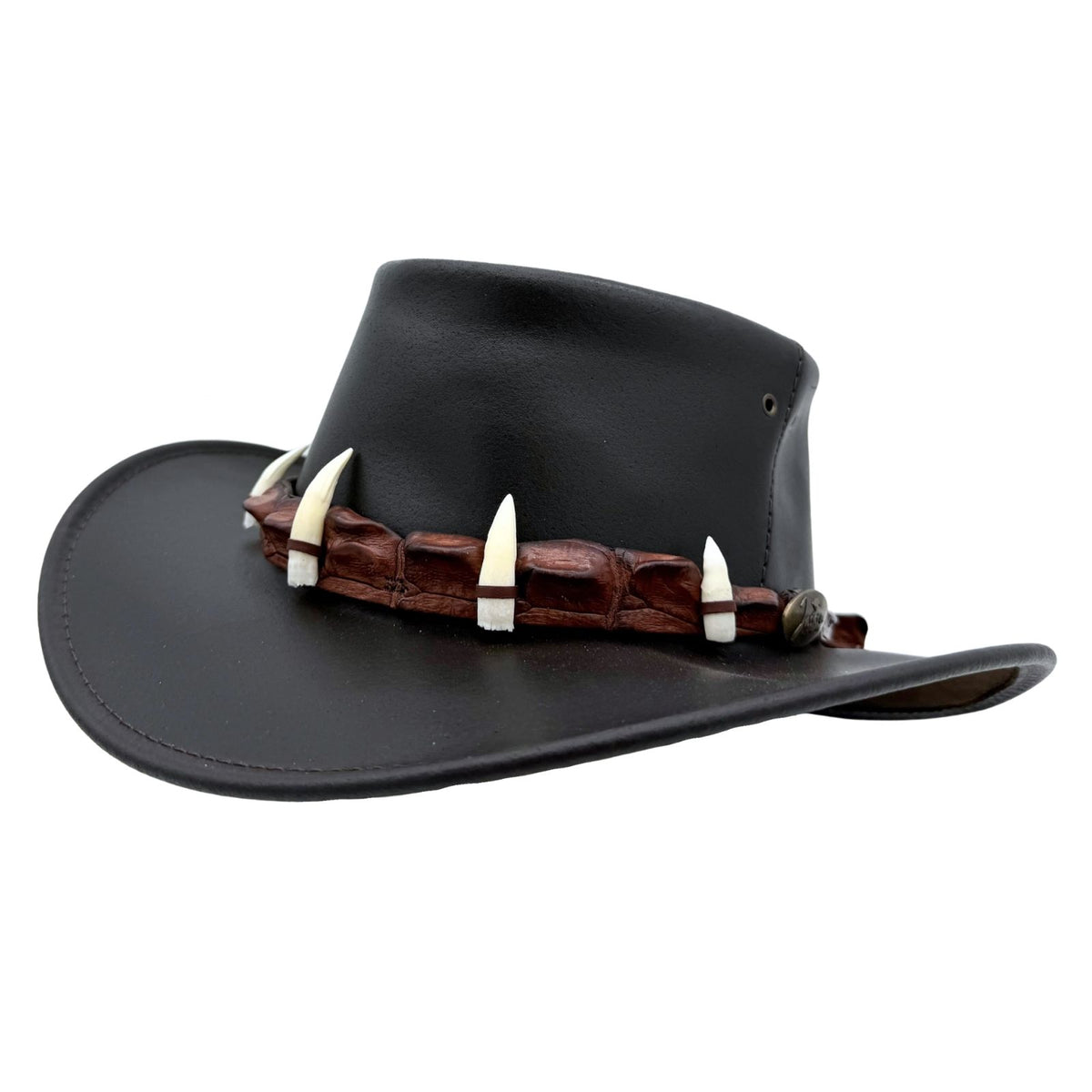
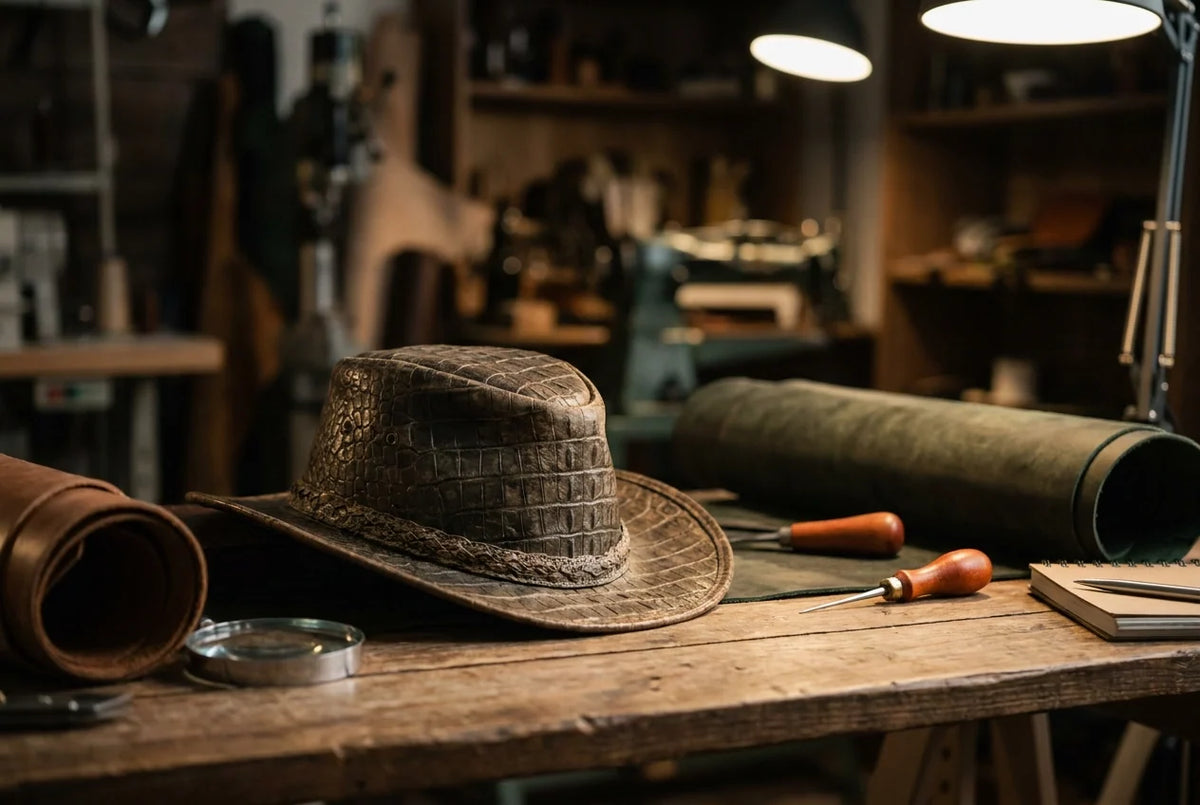
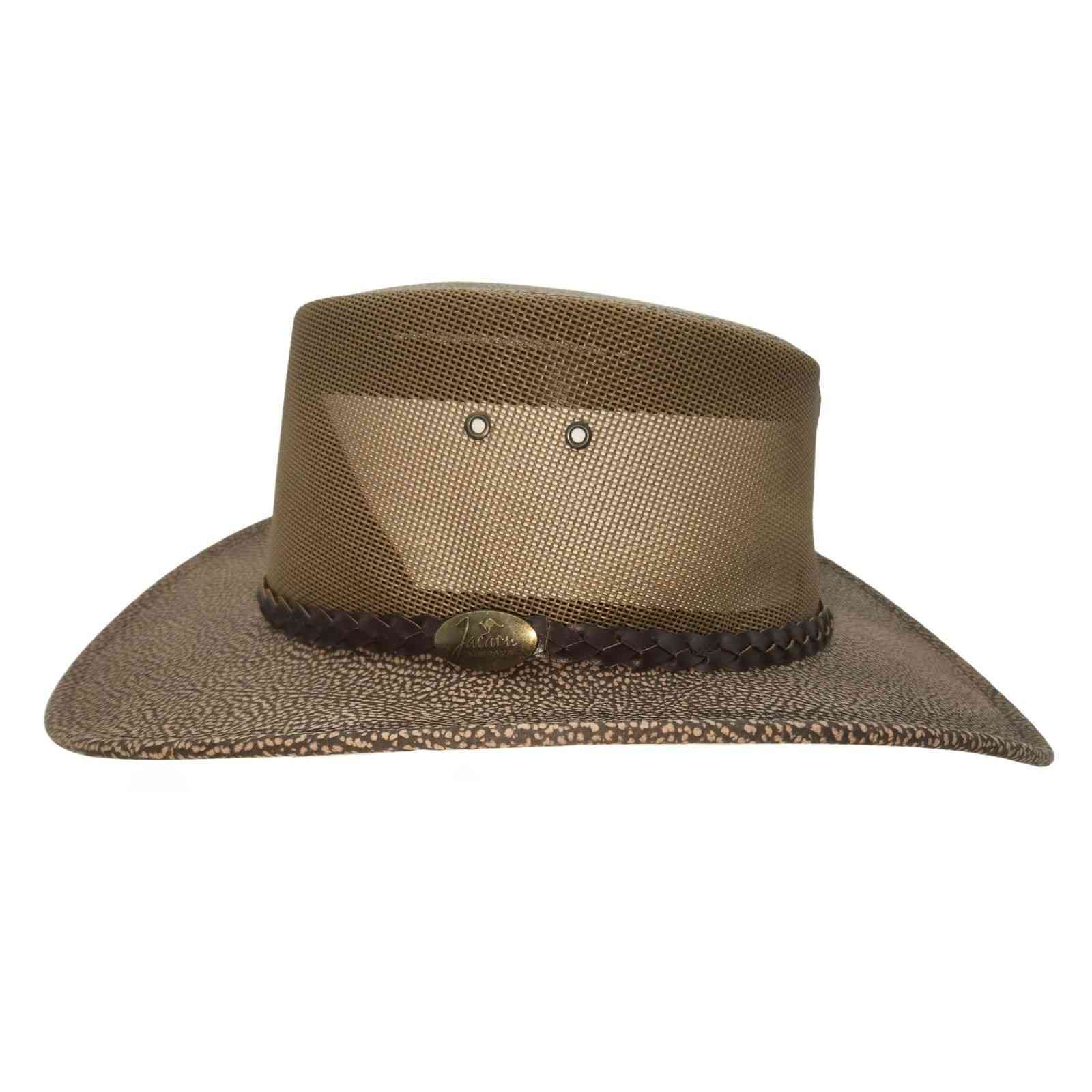
Jacaru answers that question with materials, not just marketing. The exotic hat range featuring genuine crocodile teeth hatbands and premium outback leathers uses real crocodile teeth and kangaroo leather, details that no themed souvenir can replicate. These are not decorative choices; they are continuation of a craft lineage rooted in Australian materials and Australian conditions. The full Australian wool hat collection reflects the same standard.
Heritage and authenticity are now among the strongest signals in 2026 headwear demand globally. Australian provenance is not a trend chasing exercise. It is a credible, verifiable answer to what buyers are actively seeking.
Wool vs. Other Hat Materials: A Practical Comparison
Material choice is where heritage meets practical performance. Here is how the four main options stack up.
Material |
Breathability |
Weather Resistance |
Packability |
Lifespan |
|---|---|---|---|---|
Australian wool felt |
High |
High |
Good |
Decades |
Fur felt |
Medium |
High |
Good |
Decades |
Leather |
Low–Medium |
Excellent |
Low |
Decades |
Synthetic fabrics |
Low |
Variable |
Excellent |
Variable |
Australian wool felt regulates temperature naturally, making it the most comfortable choice across the full range of Australian conditions, from outback heat to cooler alpine air. Fur felt matches wool on durability but is typically sourced from animal fur with no connection to Australian farming or manufacturing. It offers no provenance story and a less defensible sustainability profile.
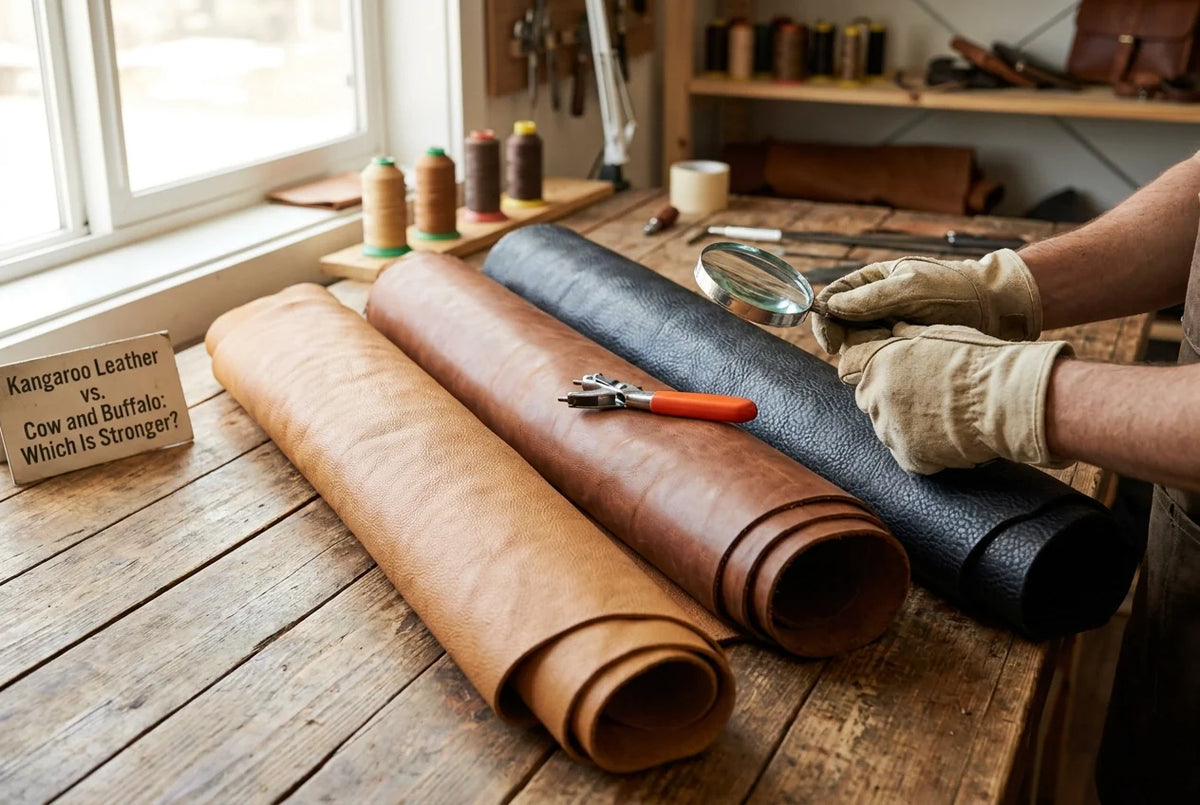
Leather (particularly kangaroo or buffalo) excels in durability and weather resistance, and when sourced and crafted in Australia it shares the same authentic origin story as wool. Leather does not breathe as freely as wool, however, making it better suited to cooler conditions or shorter outdoor wear.
Synthetic performance fabrics resist water effectively but shed microplastics through washing and lack the premium finish of natural materials, a trade-off covered in the sustainability section above.
Only wool and leather sourced and worked within Australia can genuinely carry the provenance that makes an Australian wool hat worth buying.
Practical match-up by use case:
Outdoor adventure: wool felt or leather, prioritise brim and band construction
Travel: wool felt, best balance of packability and performance
Gift purchase: wool felt, strongest combination of story, quality, and longevity
Everyday wear: wool felt for year-round versatility
Sustainability and Ethical Manufacturing
Material performance is only part of the story. Where a hat comes from, and how it was made, matters just as much to a growing number of buyers in 2026.
Why wool outperforms recycled synthetics on sustainability
Natural wool is biodegradable in both soil and aquatic environments, confirmed by peer-reviewed research published in Water, Air & Soil Pollution (2024). It is also a renewable fibre regrown each year without resource-intensive manufacturing. Critically, wool does not shed microplastics during washing, unlike polyester and recycled synthetic blends. For buyers choosing between a "recycled" synthetic hat and a natural wool one, the lifetime environmental case favours wool clearly.
What ethical Australian manufacturing actually means
In the Australian context, ethical manufacturing involves shorter supply chains, local employment at every production stage, and traceable material sourcing. The Australian Wool Sustainability Scheme certifies growers against measurable environmental and land stewardship standards, giving buyers a verifiable starting point rather than a marketing claim.
Why buying direct from an Australian maker reduces footprint
Purchasing directly from a domestic producer like Jacaru eliminates import logistics, supports local craft employment, and keeps provenance traceable. For outdoor lovers, global travellers and spirited adventurers, that transparency is part of the product's value.
Questions to ask any hat brand
Before buying, ask these directly:
Where was the wool fibre grown and processed?
Is the hat manufactured in Australia or only designed here?
Can the brand provide origin documentation, not just label language?
"Australian-branded" and "Australian-made" are not interchangeable. Knowing the difference protects your purchase.
Choosing the Right Australian Wool Hat for Your Lifestyle
Once you know what the hat is made of and where it comes from, the next question is straightforward: what do you actually need it to do?
The Adventurer and Outdoor Lover
Prioritise brim width first. Australian wool hats with a broad brim of at least 7.5 cm provide meaningful UV coverage when Australia's UV index climbs above 3. A secure chinstrap keeps the hat on in coastal or ridge-top wind. Look for a reinforced sweatband and sturdy crown construction; these details determine whether the hat holds up across a full day of variable conditions or loses its shape by afternoon.
The Traveller
Lightweight wool construction folds without permanent creasing, making it far more carry-on-friendly than rigid leather or stiff synthetic brims. A single hat that works equally well on a dusty outback track and in a city restaurant earns its place in a tightly packed bag. Check that the brim can be shaped back by hand after travel compression.
The Gift Buyer
A wool hat made in Australia is a gift with a verifiable origin story, not just a price tag.
Corporate and Bulk Gifting
For companies seeking authentic, sustainable Australian memorabilia, branded wool hats communicate far more than a printed stubby holder. They signal quality, provenance, and environmental consciousness in a single item.
Jacaru's range covers all four segments, from wide-brim outback adventure styles to ladies hat designs and souvenir-grade pieces, giving buyers one trusted source regardless of purpose.
How to Spot a Genuinely Australian Wool Hat
The provenance gap is easy to exploit online. Here is what to look for.
Red Flags to Watch For
"Inspired by" or "outback-style" wording in place of a direct origin statement
Manufacturing disclaimers buried deep in product descriptions, often after images and price
Stock photography used instead of real product shots; generic outback imagery says nothing about where the hat was made
No named wool source or fibre grade listed anywhere on the page
What Genuine Provenance Looks Like
A trustworthy Australian wool hat listing will name the country of origin directly, identify the material specifically (wool grade, leather type), and connect to a maker with a verifiable Australian operating history. Craft details matter too: stitching, band construction, and hardware are visible indicators of genuine workmanship versus mass production.
Buying direct from an Australian brand adds something beyond quality assurance. The hat has a place of origin, not merely a place of sale.
Jacaru is founded and operating in Australia, using premium wool, kangaroo leather, and genuine outback-grade materials. That heritage is verifiable, not manufactured for marketing purposes.
Caring for Your Australian Wool Hat
Once you have verified your hat is genuinely Australian-made, the next priority is protecting that investment through proper care.
Spot-cleaning is the safest approach for wool felt. Dampen a clean cloth with cold water, then blot the affected area gently. Never rub, as this distorts the felt fibres and can permanently alter the brim's shape. Avoid detergent, bleach, or any solvent-based cleaner; wool felt is sensitive to alkaline products and will shrink or stiffen with the wrong chemistry.

For storage, place the hat crown-down on a clean surface, or upright on a hat stand. Keep it in a breathable fabric bag rather than a sealed plastic container, which traps moisture. Add cedar blocks or lavender sachets to deter moths, as wool-eating moths pose a genuine risk in storage.
If the hat gets wet, reshape the brim and crown by hand while the felt is still pliable, then leave it to dry naturally at room temperature. Never use a hair dryer, place it near a heater, or leave it in direct sun. Heat is the single most common cause of irreversible shrinkage and brim warping.
Regular brushing maintains the surface and extends presentable life significantly. Use a soft-bristle hat brush and work in a gentle circular motion, following the natural nap of the felt. This lifts dust and prevents the surface from matting over time.
When damage exceeds home care, a professional hat restorer can re-block, re-shape, and refinish wool felt to near-original condition. Given the craftsmanship and materials in a quality Australian wool hat, restoration is almost always more cost-effective than replacement.
The Bottom Line on Australian Wool Hats
Seven sections in, the choices that matter most come down to four criteria: material quality, verified Australian origin, maker heritage, and long-term durability. A hat that passes all four is built to last. One that skips any of them is a compromise dressed up with clever marketing.
The best Australian wool hat is not the cheapest option, and it is not the one with the loudest branding. It is the one made from genuine wool by a maker with real, traceable Australian roots. That distinction matters because provenance is not decorative. It determines how the hat performs, how long it lasts, and what story it carries.
For adventurers heading into the outback, travellers wanting an authentic piece of Australia to take home, and gift buyers looking for something meaningful rather than disposable, Jacaru's Australian wool hat collection offers a single trusted source with heritage, materials, and craft that are verifiable.
The value case is straightforward. Lower-quality hats require frequent replacement. A wool hat bought right and cared for properly is built to last for many years. Across that lifespan, the cost per year of ownership becomes negligible, making it one of the most practical premium purchases available in an era of fast fashion and throwaway accessories.
Buy once. Buy Australian. Buy well.
Conclusion
Australian wool hats are not simply accessories; they are long-term investments in quality, heritage, and authenticity. After reading this guide, three things should be clear: genuine Australian wool outperforms synthetic alternatives in comfort, durability, and sustainability. Provenance matters, and knowing how to verify it protects your purchase.
The difference between a hat you replace every season and one you pass down comes down to the choices made at purchase. Prioritise verified Australian origin, proven maker heritage, and honest craftsmanship over price tags and branding noise.
If you are ready to invest in a hat built to last, explore Jacaru's Australian wool hat collection. Every piece carries traceable heritage and materials that stand behind the story.
Buy once. Buy with confidence. Buy Australian wool.


Our friends at Bocchetta Plush Toys have a great range of lifelike plush animals that make great gifts for people of all ages.