






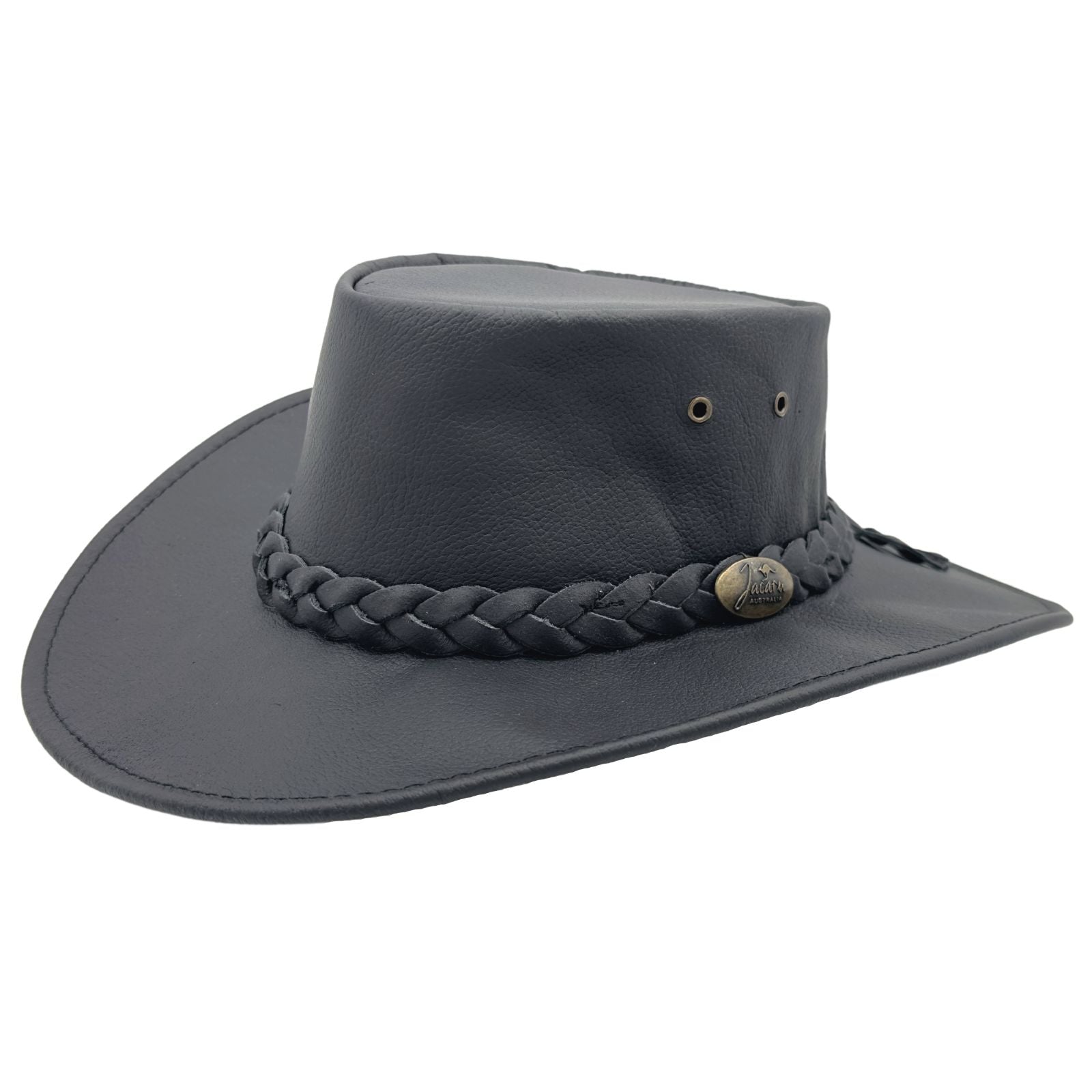


Australian Made Hats: What to Look For and Why It Matters

When it comes to sun protection and style, few things beat a quality hat. But not all hats are created equal, and knowing where and how your hat is made can make a significant difference in what you're actually getting for your money. If you've been searching for Australian made hats, you're already on the right track toward choosing something built to last, crafted with care, and designed for real Australian conditions.
Australia's climate is unforgiving. With some of the highest UV radiation levels in the world, the right hat isn't just a fashion choice; it's a practical necessity. That's why understanding what separates a locally made hat from a mass-produced import matters more than most people realise.
In this guide, we'll walk you through exactly what to look for when shopping for Australian made hats. From materials and construction to certifications and brand reputation, we've broken it all down into a simple, easy-to-follow list. Whether you're buying your first quality hat or upgrading from something that hasn't held up, this post will give you the confidence to make a smart, informed choice.
The Materials That Define a Genuine Australian Hat
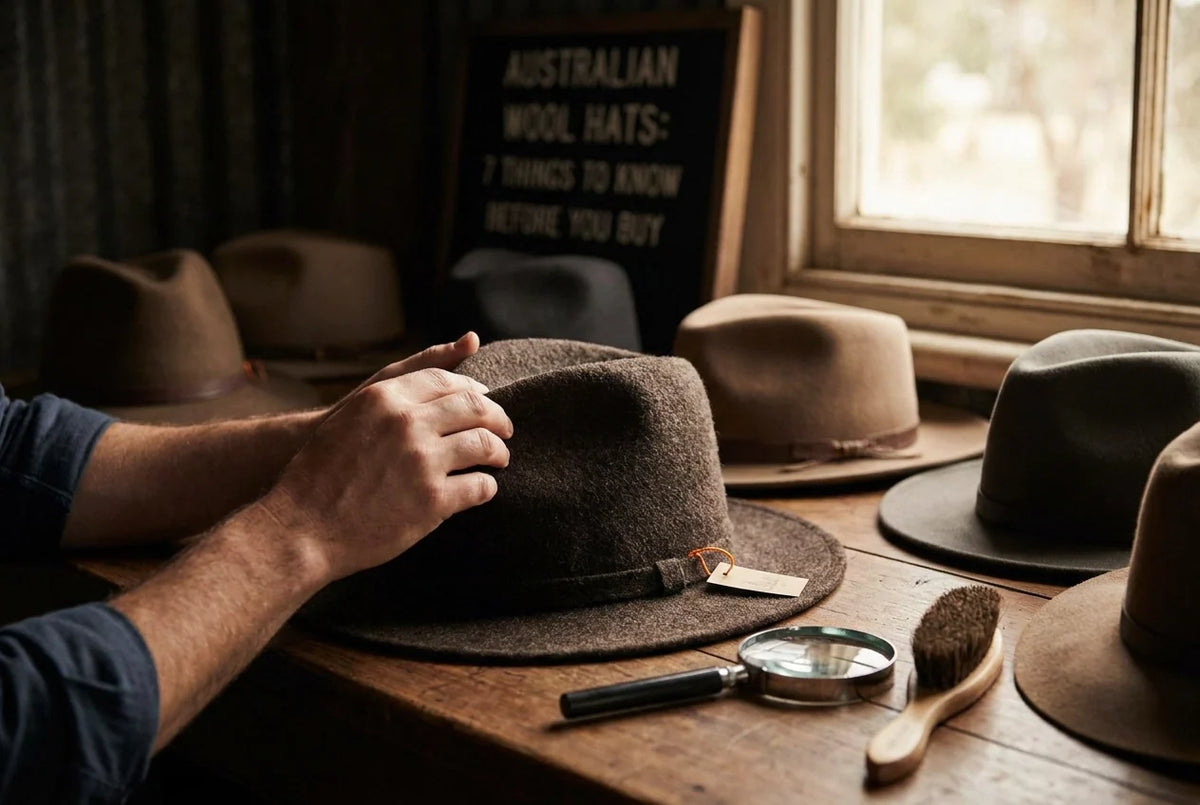
Not all hats are created equal, and when it comes to genuine australian made hats, the material tells the whole story. Understanding what goes into a quality Australian hat helps you make a smarter purchase decision, whether you are buying for function, fashion, or as a meaningful gift.
Kangaroo Leather: Australia's Most Distinctive Hat Material
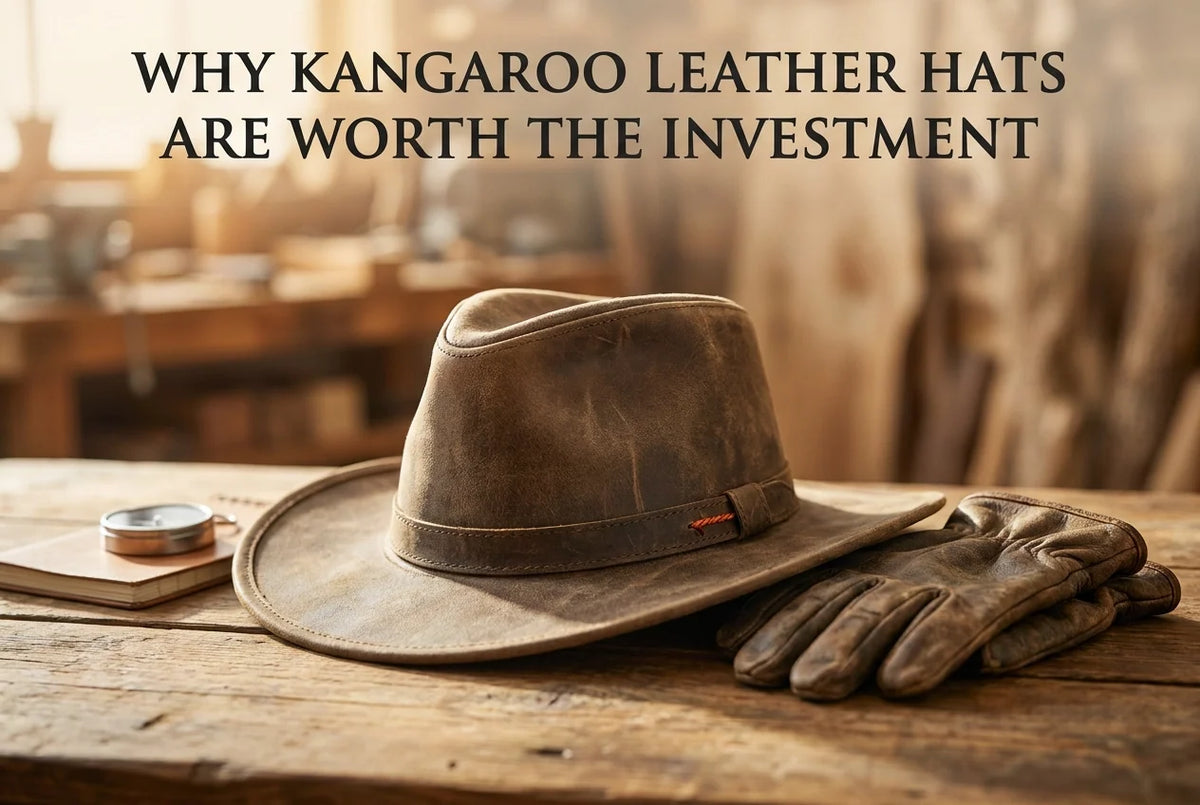
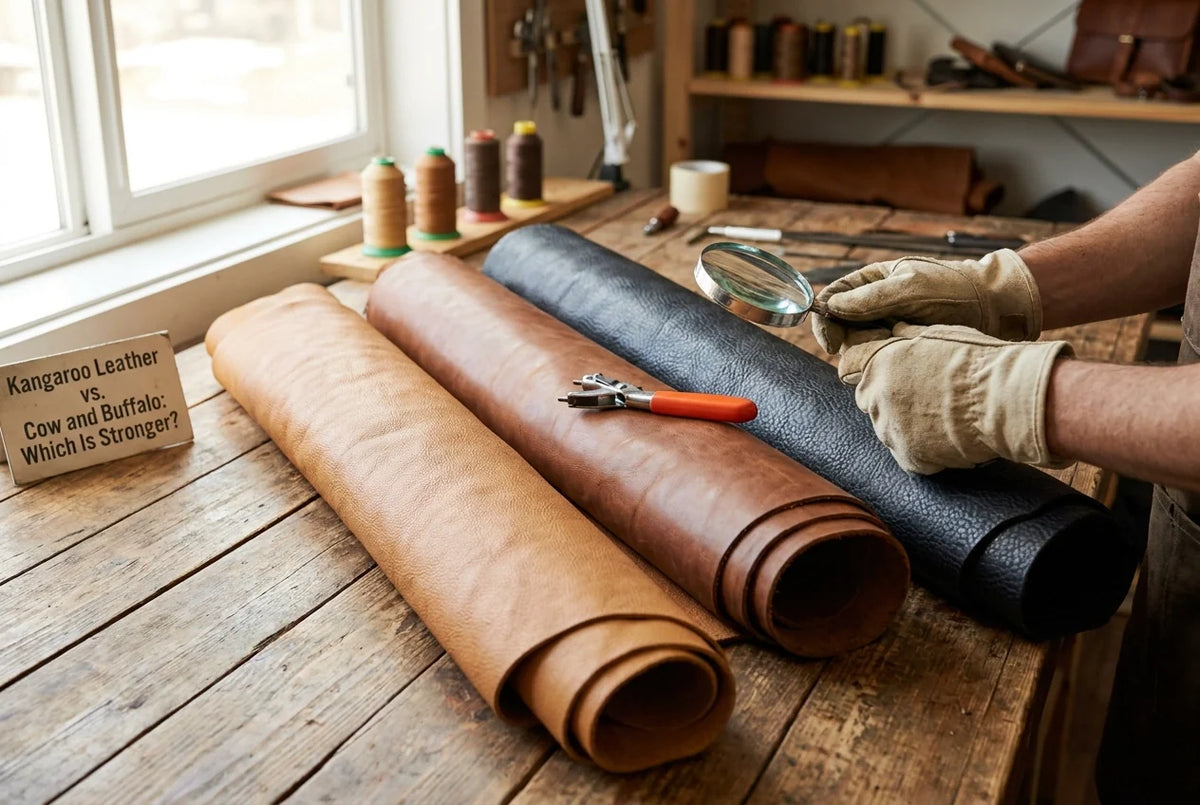
Kangaroo leather is widely regarded as one of the strongest natural leathers available relative to its weight. It delivers exceptional tensile strength while remaining notably supple and flexible, qualities that make it particularly well suited to wide-brim outback hat construction. A wide brim needs to hold its shape under wind, rain, and direct sun without becoming stiff or brittle over time. Kangaroo leather achieves this balance better than most alternatives. It is also a product of Australia's sustainably managed kangaroo harvesting program, giving it genuine environmental credentials alongside its performance advantages. For buyers seeking something authentically Australian, kangaroo leather carries a provenance that simply cannot be replicated offshore.
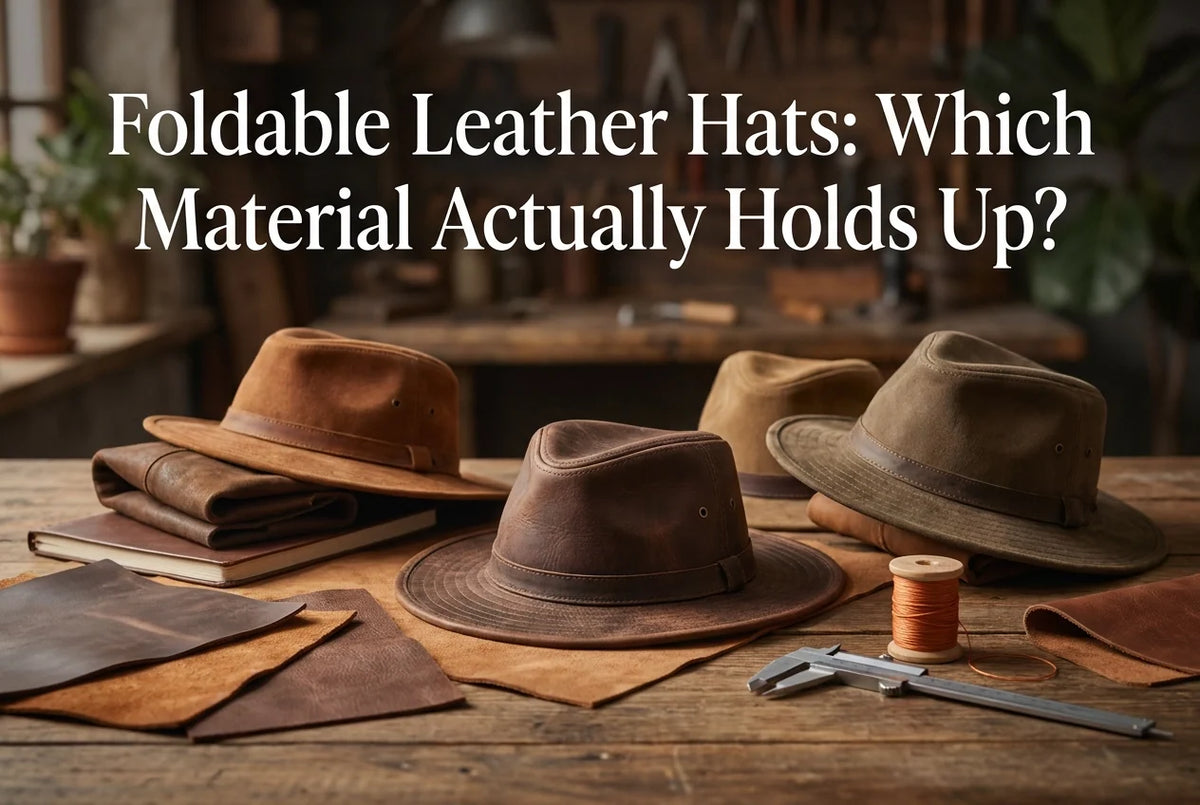
Cow, Buffalo Leather, and Wool Felt: Heritage and Warmth
Cow and buffalo leather offer a heavier, more substantial feel that suits the classic stockman silhouette and the iconic Crocodile Dundee-style hat. These hides are thicker and more rigid, lending a rugged, timeless aesthetic that resonates with outback heritage. Wool felt serves a different purpose altogether. It provides natural warmth, excellent moisture management, and strong shape retention, making it the preferred choice for cooler outback conditions and southern Australian winters. Both materials have deep roots in Australian hat-making tradition and remain highly practical choices today.
Natural Straw: Breathability for the Australian Summer
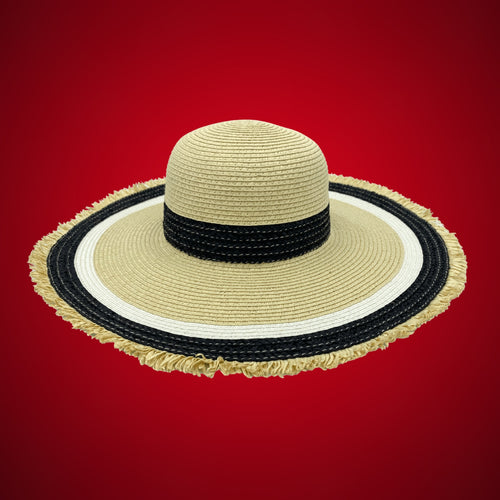
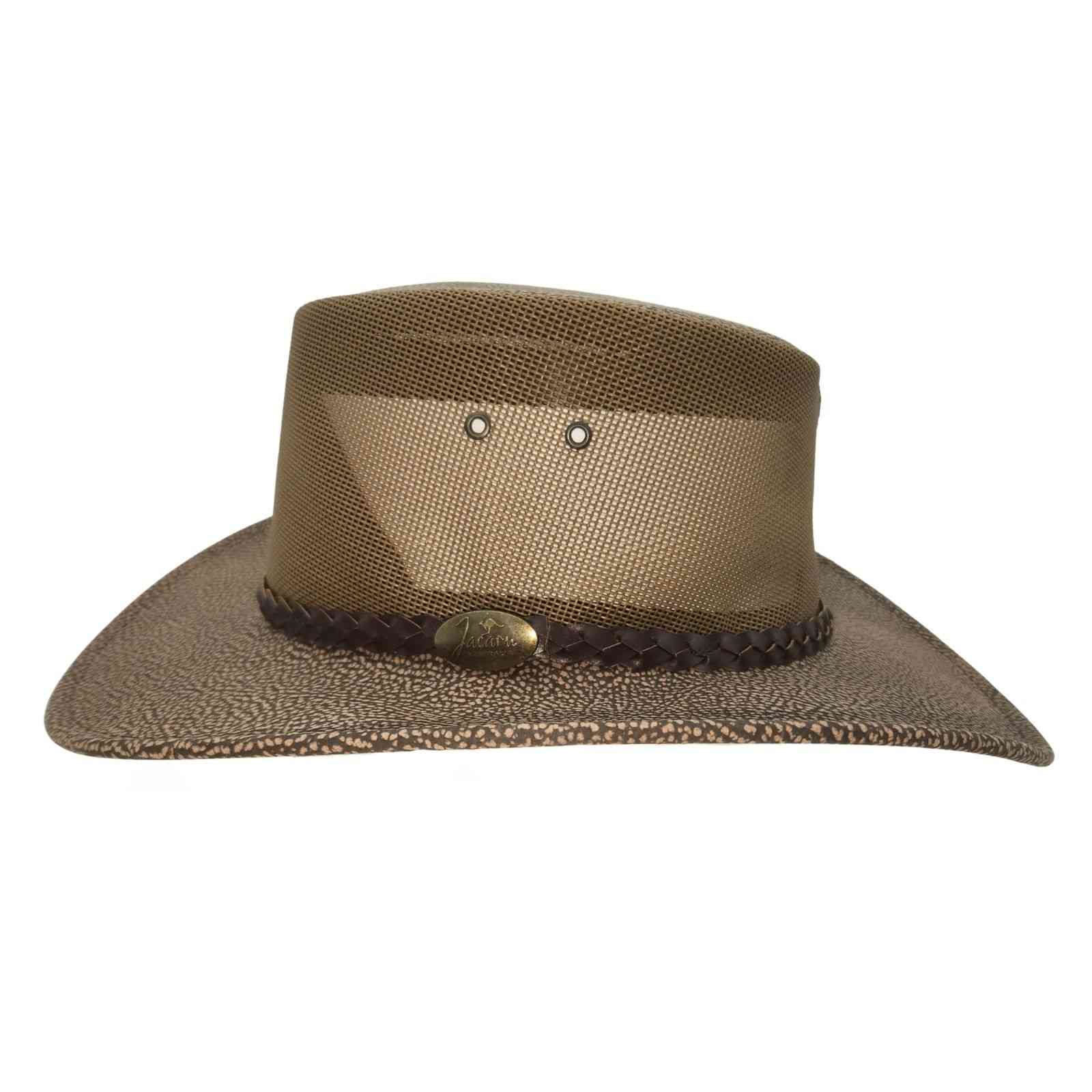
For warm-weather wear, natural straw is the logical choice. It is lightweight, allows airflow around the head, and tightly woven varieties provide meaningful sun protection by physically blocking UV rays rather than relying on chemical treatments. This is a genuine advantage in Australia's harsh UV environment, where sun safety is a serious concern year-round.
Why 'Australian Made' Is Not the Same as 'Australian Designed'
This distinction matters more than most buyers realise. Many hats sold in Australia carry labels reading "Australian designed" or "Australian inspired," when the actual manufacturing occurs overseas. Under Australian Consumer Law, a product must meet specific local production thresholds to carry a genuine "Made in Australia" claim. Choosing a verified Australian-made hat means supporting local craftsmanship, ensuring consistent quality standards, and receiving a product with traceable provenance. You can learn more about what to look for in hats made in Australia before making your next purchase.
Jacaru: One Brand, Every Australian Material
Jacaru's range spans kangaroo leather, cow hide, buffalo hide, wool, and natural straw, covering every climate, occasion, and style preference within a single Australian-made product family. Whether you need a rugged stockman hat for outdoor work, a breathable straw hat for summer, or a supple kangaroo leather piece as a premium gift, Jacaru's full guide to Australian hats for men demonstrates just how broad that material choice genuinely is.
UV Protection: Why Australian Hats Are Built for a Reason
Australia does not make wide-brim hats out of tradition alone. The country's solar environment makes serious sun protection a genuine necessity, and understanding why helps explain what separates a functional Australian-made hat from a decorative one.
Australia records some of the highest UV index levels on the planet, regularly reaching 11 or above during summer months. For context, the World Health Organisation classifies a UV index of 8 or above as "very high," while 11 and above is classified as "extreme." At these levels, unprotected skin can begin to burn in as little as ten minutes. Most countries rarely see these readings; in Australia, they are a seasonal norm across much of the continent.
The health consequences of this environment are well documented. Approximately two in three Australians will be diagnosed with skin cancer by the age of 70, giving Australia one of the highest skin cancer rates in the world. This makes sun protection far less of a lifestyle preference and far more of a public health priority. Wearing a properly constructed hat outdoors is not a fashion choice in this context; it is a practical defence.
Cancer Council Australia recommends wide-brim hats with a brim of at least 7.5 cm all around as the most effective hat style for sun protection, because this coverage shields the face, neck, and ears simultaneously. These are the areas most frequently exposed and most commonly affected by sun damage. You can explore sun protective hat recommendations and research to understand how hat design directly influences protection outcomes.
This awareness is also reshaping global markets. The sun hats segment is one of the fastest-growing categories in headwear, driven by consumers who want genuine UV defence combined with premium materials.
That is precisely where leather and densely woven straw distinguish themselves. Both materials provide a physical UV barrier without relying on synthetic chemical coatings. Chemically treated fabric hats can lose their rated UV protection after repeated washing as the coating breaks down. A well-constructed leather or straw hat maintains its blocking properties through years of use, making it a more reliable long-term investment in sun safety. Jacaru's outback hats, built from kangaroo, buffalo, and cow leather alongside quality straw, are designed with this durability in mind, offering protection that holds up across seasons rather than washing cycles.
Craft Heritage and What 'Australian Made' Really Means
When you see the green and gold "Australian Made" kangaroo logo on a hat, it carries genuine legal weight. The certification is governed by Australian Made Campaign Limited and requires that a product be substantially transformed in Australia. This means the critical manufacturing processes, the cutting, shaping, forming, and finishing, must occur on Australian soil. Simply sourcing a local material and sending it offshore for assembly does not qualify. For beginner buyers, this distinction is the single most important filter to apply when evaluating whether a hat genuinely earns its local credentials or merely borrows the aesthetic.
Australian hat-making traditions did not emerge from fashion studios. They evolved from the brutal practical demands of outback life, where wide brims blocked fierce sun, sturdy leather resisted dust and physical wear, and robust hatbands kept construction intact through long working days in extreme heat. This functional origin gives genuinely Australian-made styles a depth of purpose that imported, fashion-driven alternatives simply cannot claim. The design logic is baked into the heritage, not applied as decoration afterward.
That heritage increasingly matters on a global scale. The worldwide headwear market is actively moving toward provenance and storytelling as commercial differentiators, confirming that origin-of-manufacture is now a mainstream purchase motivator, not a niche concern. When you understand this shift, the value of a hat carrying a real Australian-Made certification becomes even clearer as a long-term investment rather than a novelty.
Genuine local manufacture also means quality accountability stays close to home. Australian craftspeople operate under Australian consumer law, workplace standards, and professional expectations. Every Newcastle Hat is handcrafted right here in Australia, where skilled hands and years of experience produce a result that, as one customer noted, is "a bit pricey, but worth every cent." Offshore supply chains distribute quality responsibility across multiple parties, which dilutes accountability at every step.
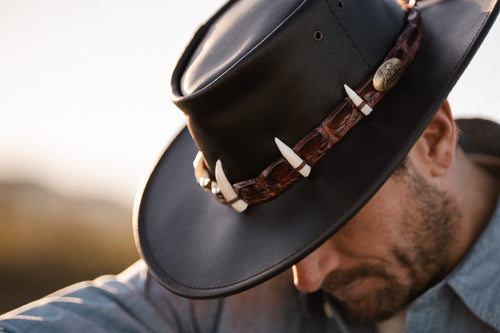
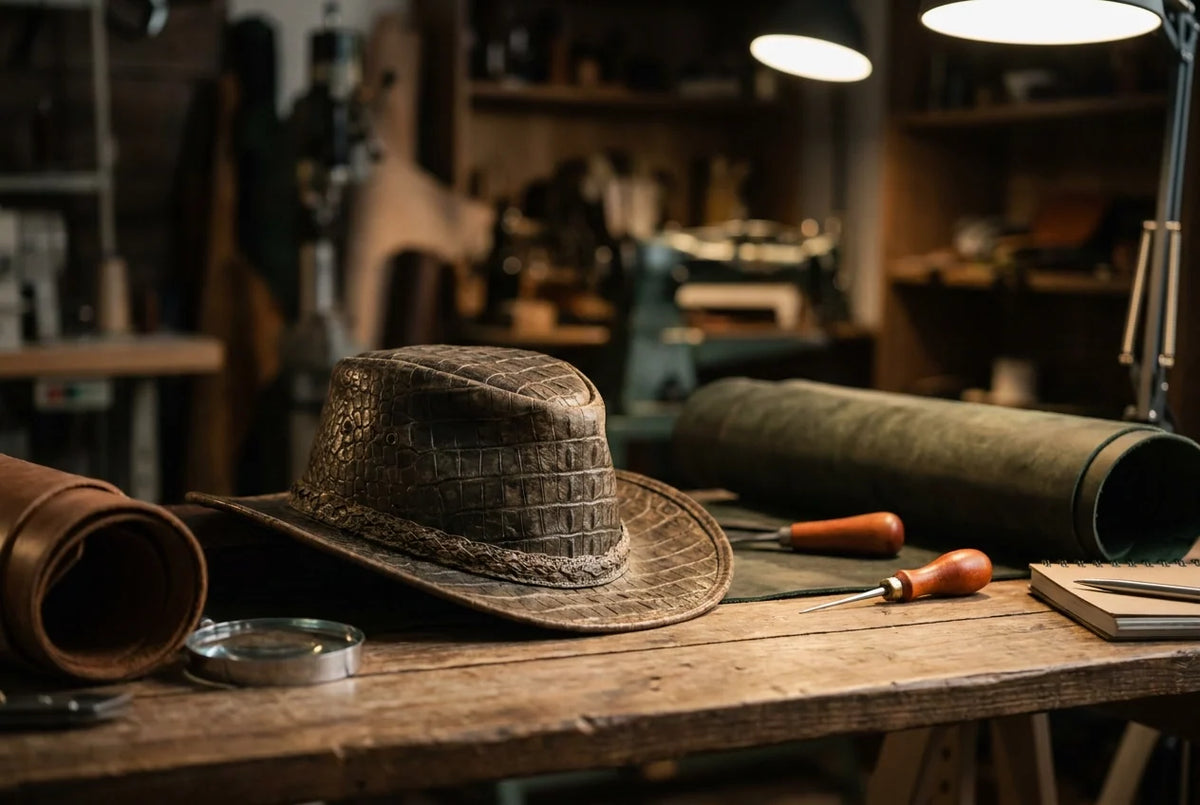
Finally, certain details are only achievable through embedded local craft knowledge. Features like genuine crocodile teeth hatbands, kangaroo leather construction, and hand-finished backstraps require familiarity with Australian materials, regional making traditions, and specific technical skills developed over decades. As Jacaru explains in their guide to hats made in Australia, these details represent a form of provenance storytelling that no imported alternative can replicate, regardless of price point. When you hold a hat with those features, you are holding accumulated Australian craft knowledge in physical form.

The Sustainability Credentials of Australian Hat Materials
Choosing an Australian-made hat is not just a style decision. It is increasingly a values-aligned purchasing choice, and the sustainability case for these materials is more specific and substantiated than most buyers realise.
Kangaroo leather stands in a category of its own among hat materials. Animals are sourced through Australia's nationally regulated kangaroo commercial use program, overseen by the federal government and operating under the National Code of Practice for the Humane Shooting of Kangaroos and Wallabies. Quotas are set annually based on population surveys, meaning the harvest is actively managed to maintain sustainable population levels. This is a fundamentally different proposition from factory-farmed cattle leather, where land clearing, feedlot water consumption, and methane output are embedded costs of every hide produced. Kangaroo leather arrives as a by-product of a regulated wild harvest, carrying none of those upstream environmental burdens. The result is a lower environmental footprint per hide than most mainstream leather alternatives on the market today.
Wool and straw bring their own end-of-life advantages that synthetic hat materials simply cannot match. Natural wool is renewable, biodegradable, and returns to the soil without leaving persistent waste. Straw behaves similarly. Synthetic hat materials, by contrast, persist in landfill for decades and shed microplastic particles during both wear and washing, contributing to a growing environmental contamination problem documented across textile science research. When you choose a wool or straw Australian made hat, you are avoiding that long-tail environmental cost entirely.
The broader market has taken notice of this shift. Sustainable materials are identified as a primary growth driver in the global headwear market through 2033, and buyers are becoming more discerning about vague sustainability claims versus documented material sourcing. Brands that can point to specific, verifiable credentials, such as government-regulated harvesting programs or certified natural fibres, are better positioned to earn the trust of values-driven consumers.
There is also a local economy dimension worth understanding. Purchasing an Australian-made hat supports domestic employment, reduces international shipping emissions compared to ordering from offshore manufacturers, and helps preserve craft skills that took decades to develop. You can explore Jacaru's perspective on what genuine Australian hat-making involves to see how these credentials translate into finished products. Every purchase keeps those skills, wages, and supply chain decisions within Australia, which matters more to conscious consumers with each passing year.
Styles and Occasions: A Guide to Australian Hat Types
With materials and craftsmanship covered, the next step is matching the right hat style to the right occasion. Australian-made hats span a broader range than most beginners expect, and each style has a distinct purpose.
The Outback and Stockman Hat
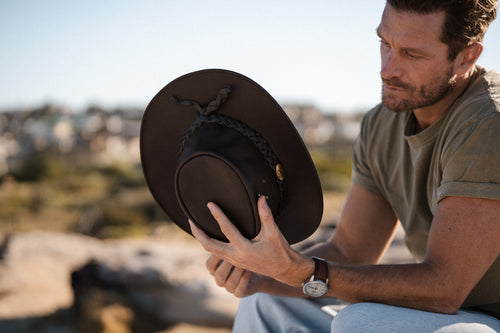
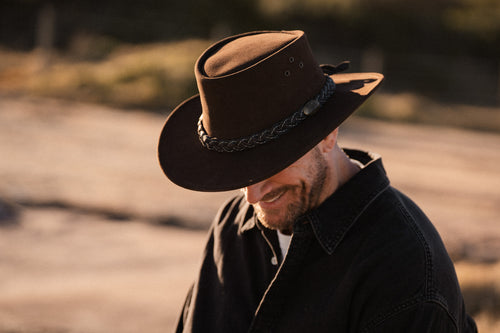
The outback hat is the most recognisable Australian style, defined by its wide all-around brim and structured domed crown. This shape is not purely aesthetic. The brim profile channels airflow and pushes the hat down onto the head during movement, making it stable during horse riding, farm work, and active hiking. It is the go-to choice for any sun-exposed, high-activity environment, and in premium Australian-made versions, it is constructed from kangaroo, cow, or buffalo leather for durability that outlasts cheaper alternatives by years.
The Crocodile Dundee Hat

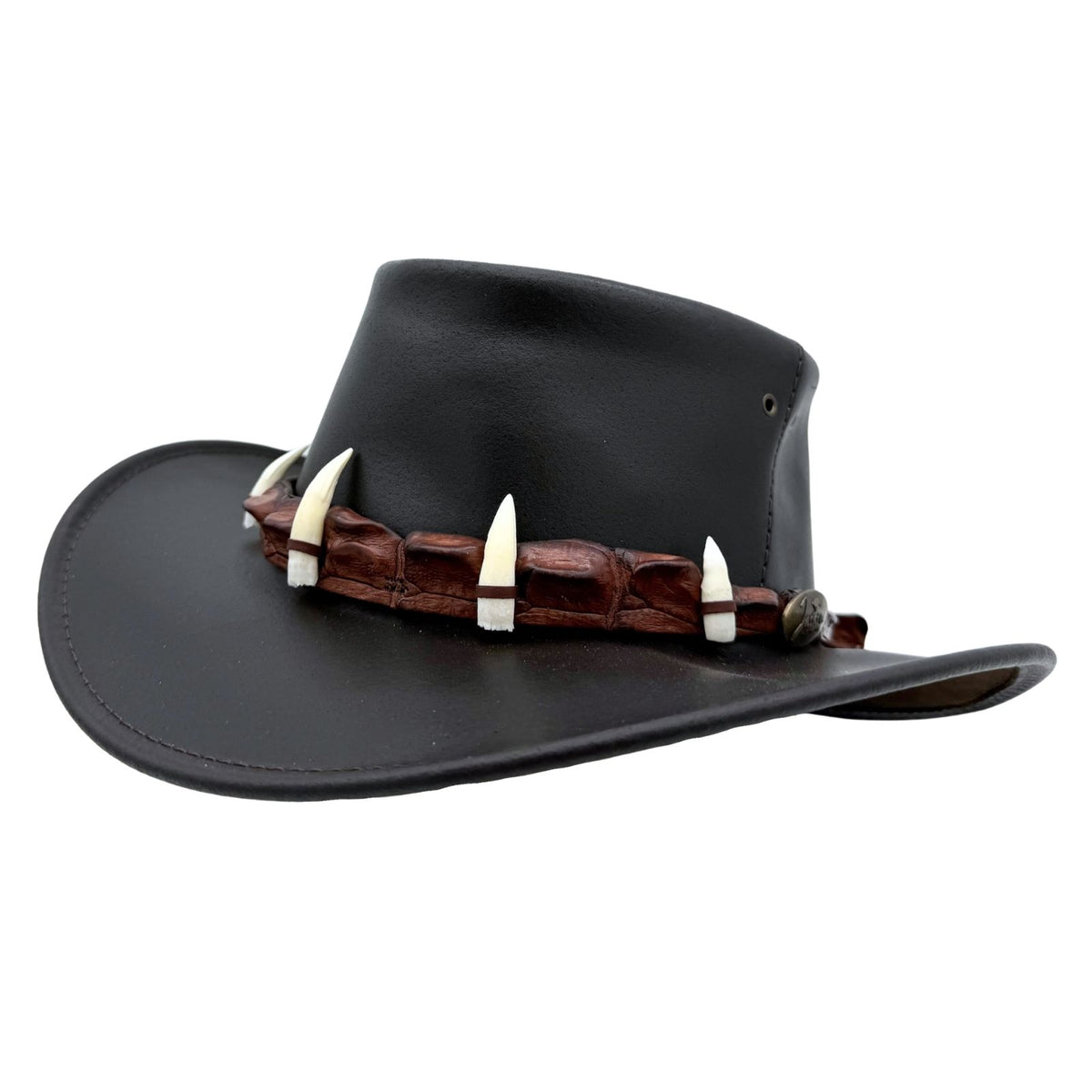
Few hat styles carry as much cultural weight as the Crocodile Dundee-style hat. Featuring genuine crocodile teeth and a distinctive decorative hatband, this piece sits at the intersection of functional headwear and wearable cultural artefact. Demand for this style has remained strong for decades, driven by its unmistakable connection to Australian identity. For international visitors and gift buyers, it is among the most sought-after Australian souvenirs available.
Ladies' Australian Hats
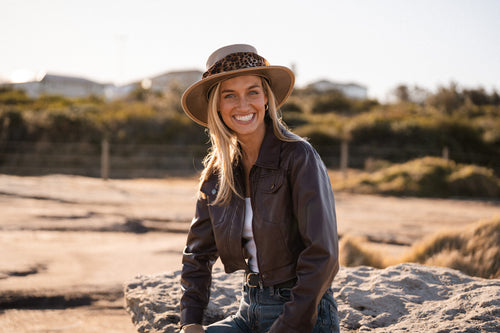
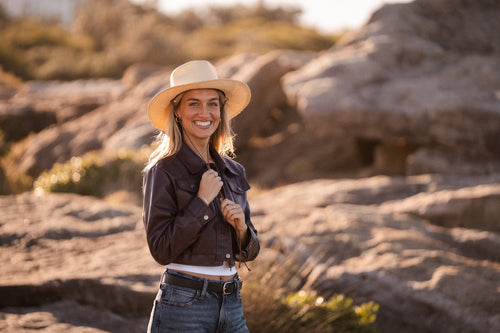
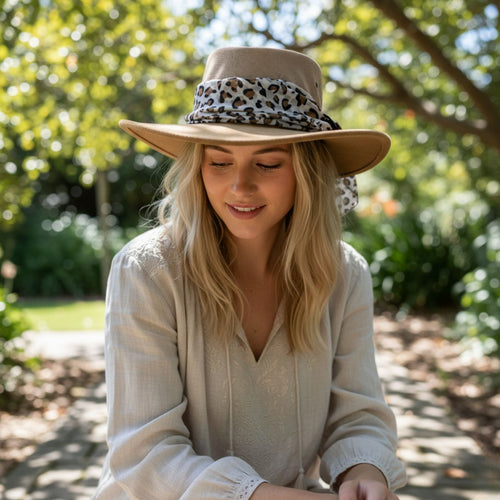
Women's Australian-made hats bring outback heritage into contemporary wear. Finer leather finishes, tailored crown shapes, and wool felt or straw constructions offer options that transition comfortably from outdoor travel to everyday urban settings.
Corporate Gifting
Australian-made leather hats with custom hatbands or embossed branding have become a premium corporate gift option, particularly valued by clients in resources, agriculture, and tourism. They offer lasting recall that standard merchandise cannot match.
Choosing by Occasion
As a practical guide: straw suits casual beach and outdoor settings; leather suits active travel and strong sun exposure; wool suits cooler climates or more formal occasions. Selecting by intended use first ensures both comfort and longevity.
Buying an Australian Hat as a Gift or Souvenir
An Australian-made hat stands apart from the typical souvenir purchase because it earns continued use long after the trip ends. A quality leather outback hat, a wool felt brimmer, or a well-constructed straw hat travels home in the luggage and then travels again, worn on weekends, at outdoor events, and on future adventures. That combination of cultural authenticity and everyday wearability makes it one of the most practical high-value souvenirs an international visitor can choose. Decorative items collect dust; a properly made Australian hat gets worn.
The first thing any gift buyer should verify is whether the hat they are considering was actually made in Australia. A significant proportion of hats sold in tourist precincts, airport retail, and souvenir shops are manufactured offshore and marketed under Australian-themed branding. The distinction matters both ethically and in terms of quality. Look for the green and gold Australian Made certification logo, or seek out direct, verifiable country-of-manufacture information from the brand. Jacaru provides clear guidance on what to look for in hats made in Australia, making it straightforward for buyers to understand what genuine provenance looks like.
Building a gift set around an Australian-made hat adds both value and cultural coherence. Kangaroo leather keyrings, hat bands, and companion accessories pair naturally with an outback hat, creating a package that tells a unified story about Australian materials and craftsmanship. Kangaroo leather is sourced from a wildlife management program unique to Australia, which reinforces the authenticity of the gift rather than diluting it.
The global hats and caps market is valued at $12,482.4 million in 2025 and is projected to reach $17,591.5 million by 2033. That trajectory confirms that premium headwear is a mainstream, growing category worldwide, positioning an Australian-made leather hat as a sophisticated and relevant gift rather than a niche curiosity.
Importantly, buyers do not need to be standing on Australian soil to make a genuine purchase. Online retail is now the fastest-growing distribution channel in the global headwear market, and Australian manufacturers ship internationally. Whether the buyer is a returning traveller, an overseas friend, or a corporate gift buyer sourcing from abroad, access to authentic Australian-made hats is no longer limited by geography.
How to Verify an Australian Made Claim Before You Buy
Knowing how to verify an Australian made claim is just as important as knowing what materials to look for. The market contains a wide range of labels, logos, and origin claims, and not all of them carry equal weight. These five steps will help you buy with confidence.
1. Look for the official Australian Made, Australian Grown logo. The green triangle featuring a golden kangaroo is a registered certification mark, not a decorative badge any brand can print at will. It is licensed by Australian Made Campaign Limited, and its use is legally protected against misuse. When you see it on a hat, you have independent confirmation that the product has passed through a formal assessment process, rather than relying solely on the seller's word. This single visual check is the fastest filter available to any buyer. You can learn more about what to look for at Jacaru's guide to hats made in Australia.
2. Understand the difference between label types. "Australian owned," "Australian designed," and "Australian brand" carry no manufacturing guarantee. Even "Made in Australia" without the certification mark operates under a relatively low legal threshold. "Product of Australia" is the most stringent claim, requiring that virtually all materials originate locally and all significant processing occurs domestically. If a product page uses "designed in Australia" language prominently while keeping manufacturing details vague, treat that as a flag worth investigating further.
3. Ask where the materials come from. A hat can be assembled on Australian soil from entirely imported leather, wool, or straw and still qualify for certain local claims. A brand committed to genuine local production should be able to state clearly whether its materials, not just its labour, are sourced within Australia. That specificity is a meaningful indicator of depth of commitment.
4. Expect transparency from reputable brands. Brands serious about their Australian made credentials will openly describe their manufacturing process, material sourcing, and any certifications. If a product page is vague or avoids specifics about production location, that absence is itself informative. Detailed, verifiable information about where and how a hat is made is the standard you should expect.
5. Cross-reference the official product directory. Visit australianmade.com.au and search by business name or product category. Licensed businesses and their products are listed and searchable, giving you independent verification that sits entirely outside the brand's own marketing. If a brand claims the logo but does not appear in the directory, contact the Australian Made Campaign directly before purchasing.
Choosing an Australian Made Hat That Will Last a Lifetime
Every decision covered in this guide points toward the same conclusion: a genuine Australian made hat is built to last when you buy it right. The four non-negotiable signals of quality are authentic materials such as kangaroo leather, wool, or natural straw; verified Australian Made certification; a UV-protective brim of meaningful width; and a maker with demonstrable craft heritage. Miss any one of these, and you are likely buying a fashion accessory rather than a functional, enduring piece.
This is a long-term investment in function, sustainability, and cultural provenance. A well-constructed leather outback hat worn and cared for properly will outlast many cheaper alternatives many times over, while carrying the environmental and ethical story of Australian manufacture with it.
Jacaru's range offers an ideal starting point. From kangaroo leather outback hats and iconic Crocodile Dundee styles complete with genuine crocodile teeth to ladies' hats, corporate gifting options, and uniquely Australian souvenirs, the breadth of their collection suits buyers at every stage. Explore Jacaru's range at their online store, look for the Australian Made certification mark, and choose with confidence whether you are buying for yourself, for someone you care about, or as a lasting piece of Australia to take home.


Our friends at Bocchetta Plush Toys have a great range of lifelike plush animals that make great gifts for people of all ages.