








Australian Hat Makers: A Guide to Authentic Outback Craftsmanship
There is something unmistakably honest about a hat built to handle the Australian sun. Not designed for a weekend photoshoot or a festival lineup, but crafted to last decades of real wear across dust, heat, and open country. Right now, structured Western-style hats are having a major cultural moment, showing up everywhere from fashion runways to outdoor adventure guides. But long before cowboy hats became a vacation wardrobe staple, Australian hat makers were perfecting the art of building headwear that genuinely earns its place.
This guide is your starting point for understanding that tradition. Whether you are drawn to the rugged appeal of outback leather, the warmth of wool felt, or the breathability of natural straw, knowing who makes your hat and how it is made will completely change how you shop. You will learn what separates a truly Australian-made hat from an imported imitation, discover the most respected names in the craft, and get practical advice on choosing the right style and material for your needs. By the end, you will know exactly where to start.
What Makes a Hat Truly Australian Made

Not all hats sold as "Australian" are actually made here. Many are manufactured overseas, branded with Australian imagery, and imported with minimal domestic involvement. A genuinely Australian-made hat uses local materials and local labour, and that distinction matters far beyond national pride.
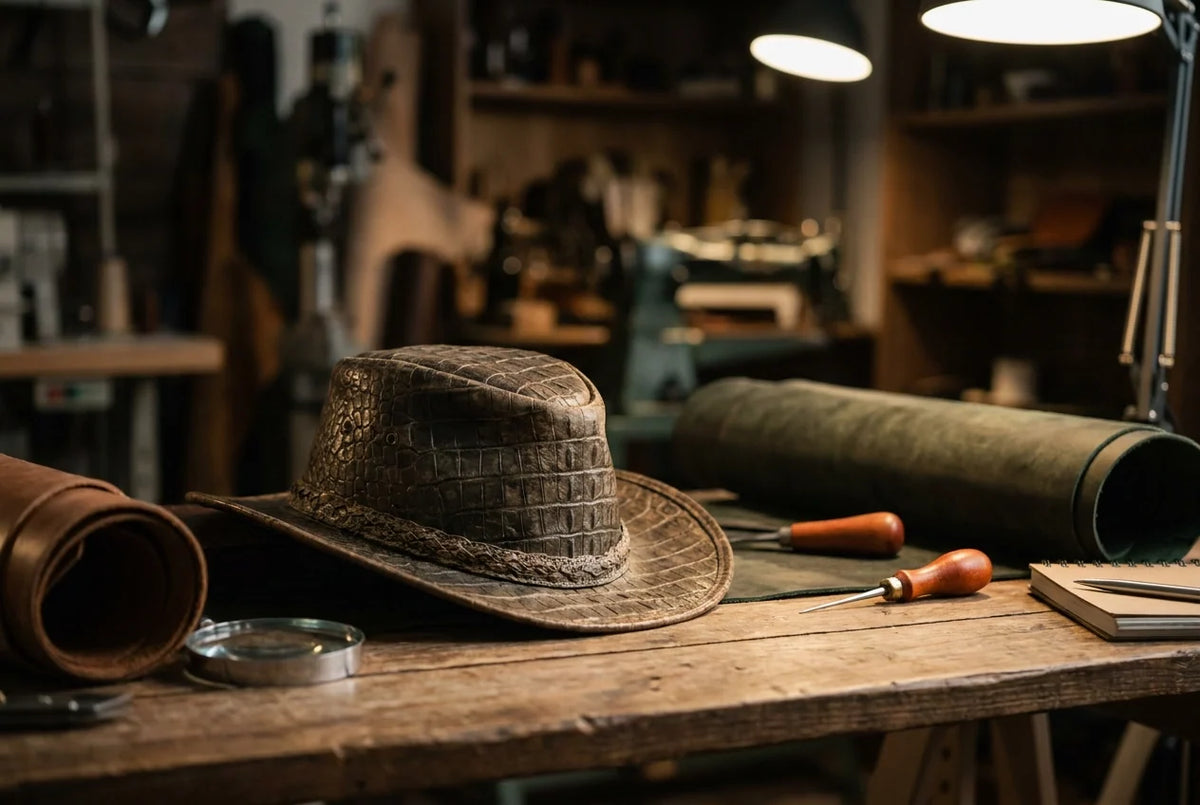
Australia's native materials are genuinely distinctive. Kangaroo leather is lighter and stronger than cowhide, making it exceptionally durable for outback conditions and long-haul travel. Buffalo hide offers structured weight that ages beautifully. Crocodile-tooth detailing and Australian wool felt are finishing touches no imported raffia or synthetic straw can replicate. The performance gap is real: leather and wool outperform synthetic straw on UV protection, weather resistance, and longevity across years of hard wear.
Elle declared Western-silhouette hats the summer trend to watch in 2026, confirming that the outback shapes Australian makers have produced for decades are now firmly in the fashion mainstream. Material origin and construction method are the clearest signals of that quality gap.
On authenticity: under Australia's consumer law, country-of-origin claims must be substantiated and imported goods must carry origin labelling. At point of purchase, check the tag for "Made in Australia," confirm where materials were sourced, and learn more in this guide to Australian made hats: what to look for and why it matters.
The makers below are grouped into three tiers: heritage and premium, outdoor and functional, and fashion-forward.
Jacaru Australia: Heritage Leather and Outback Iconic Design
Sitting at the top of the heritage-premium tier, Jacaru has long been crafting distinctively Australian hats, building a reputation on native materials and outback-ready construction.
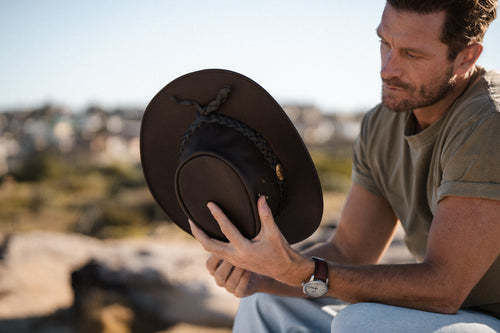
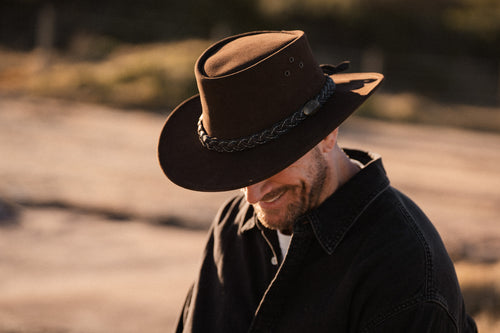
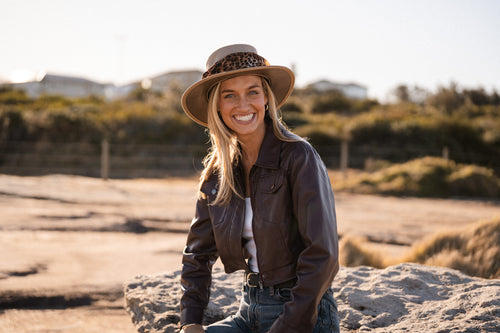
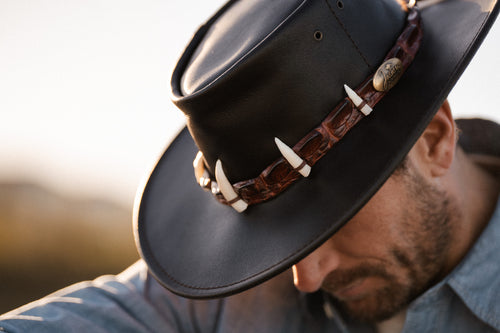
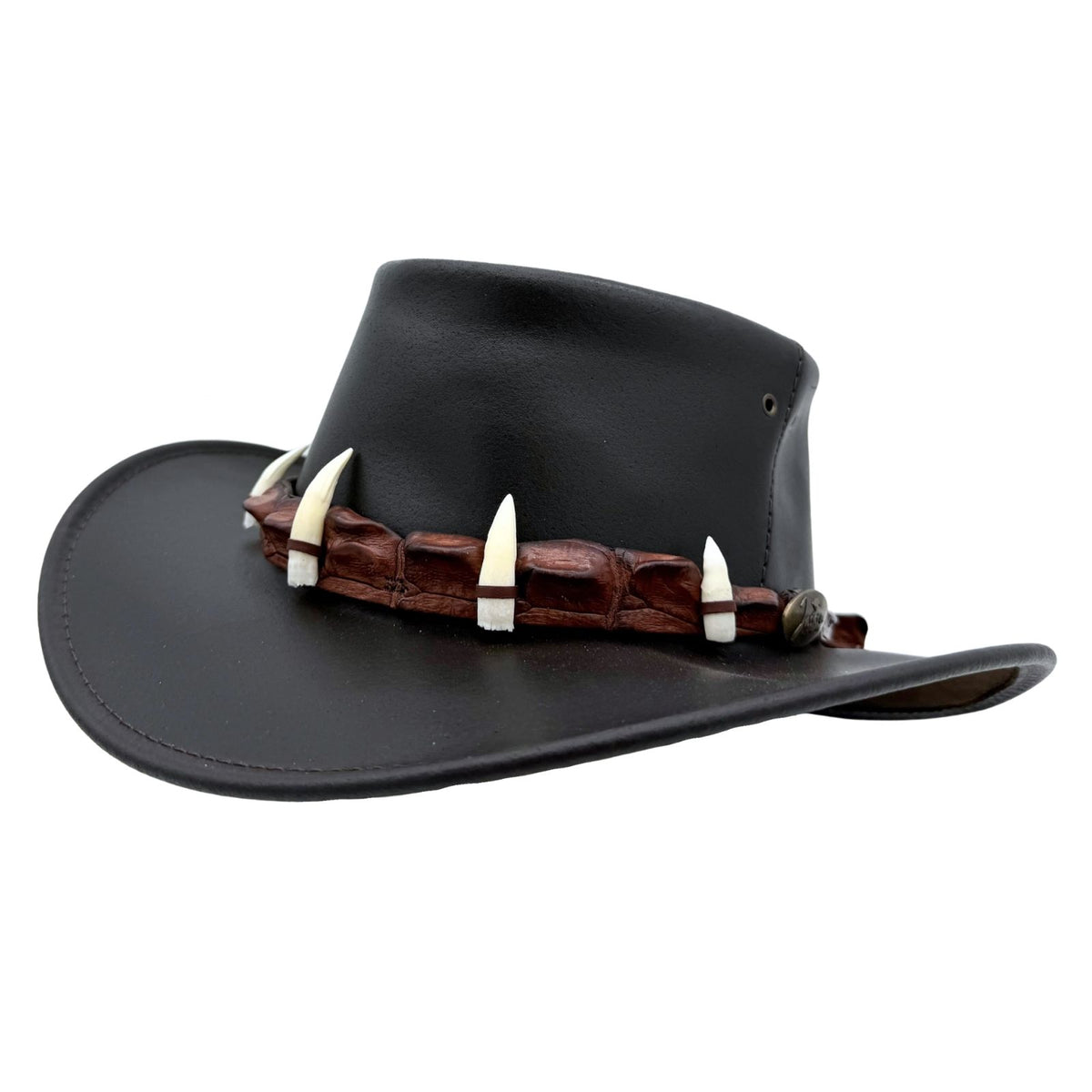
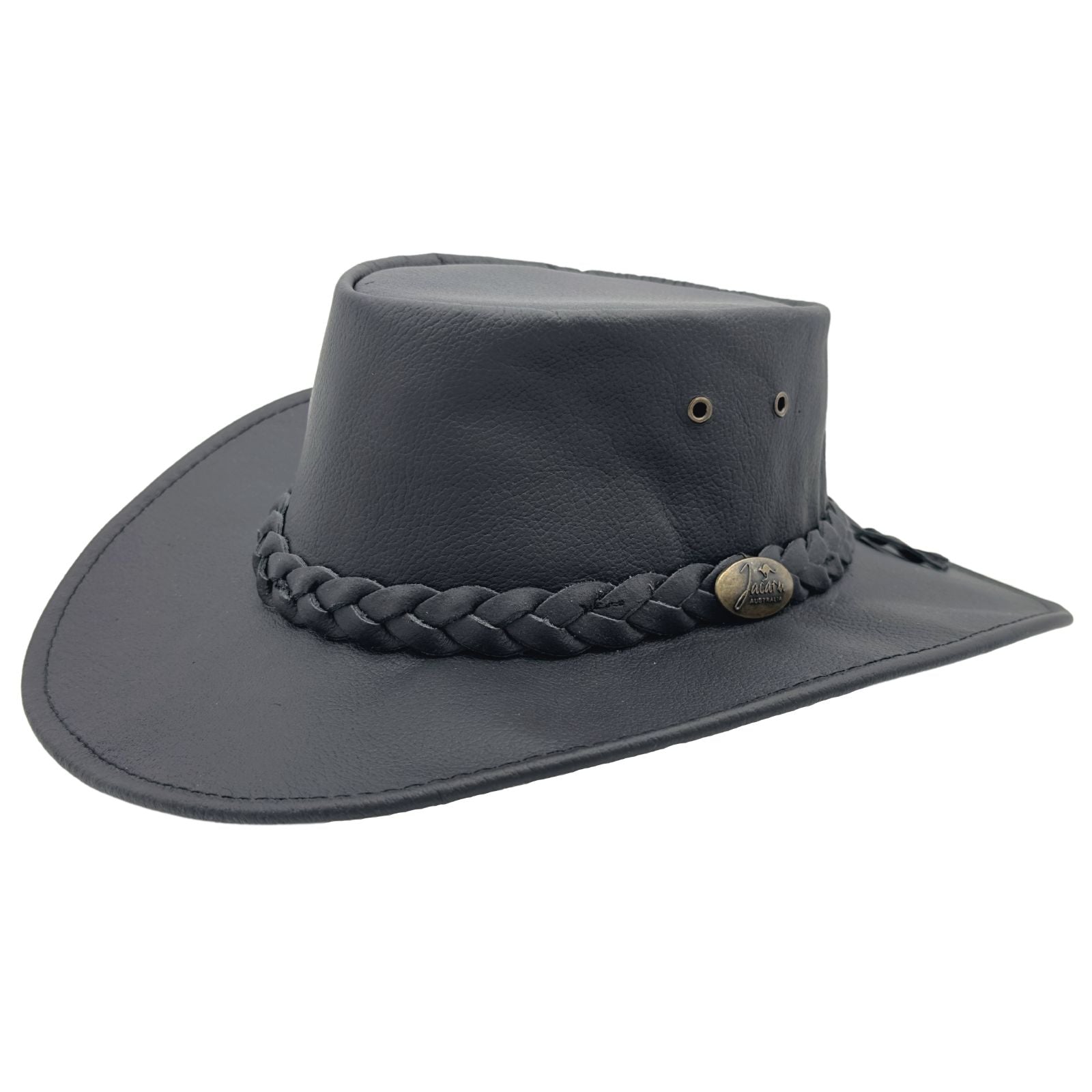
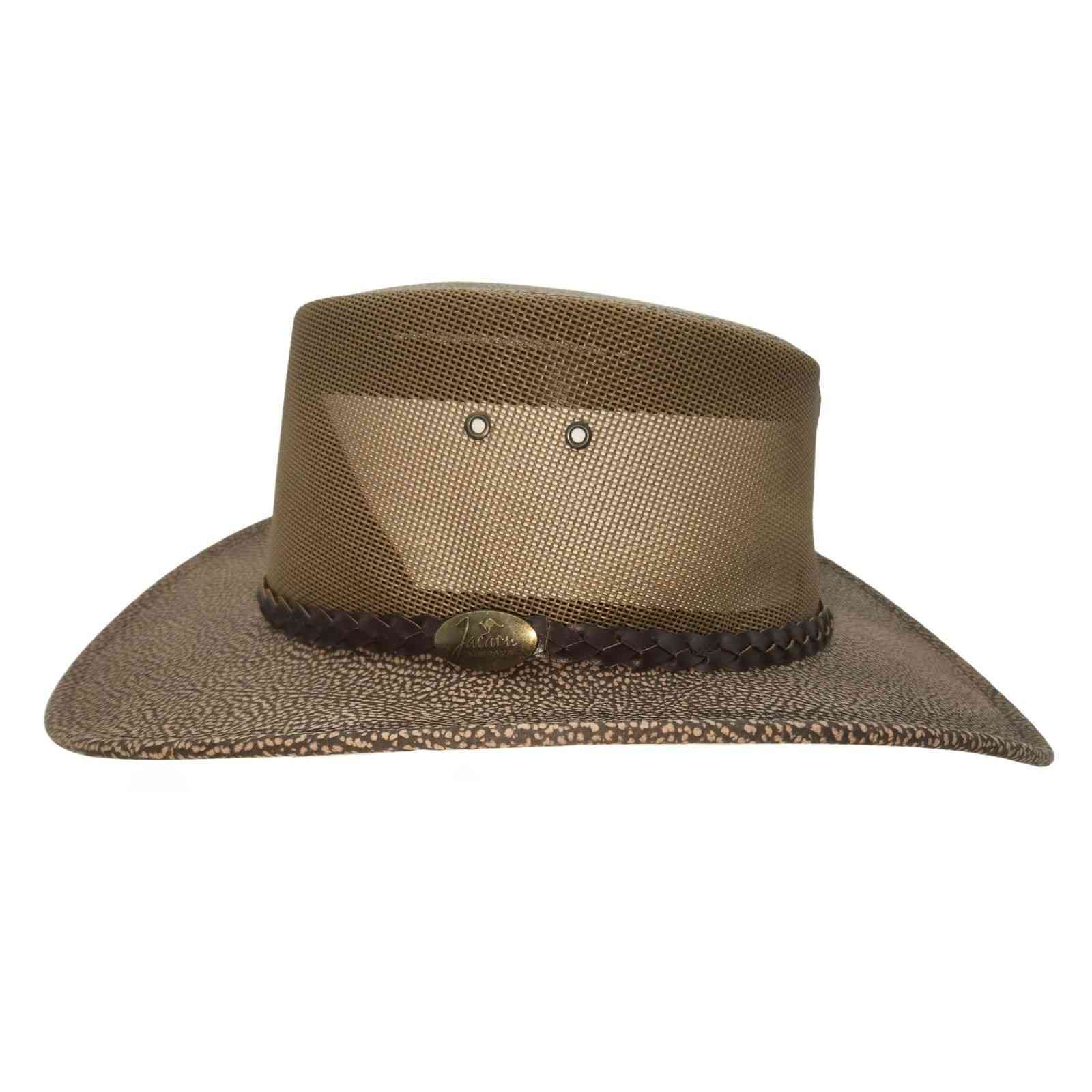
Signature product lines span the full range of Australian iconography. The kangaroo leather hat collection includes structured outback styles, ladies' hats, and straw options alongside the brand's most recognisable offering: Crocodile Dundee-style hats featuring genuine crocodile teeth and backstrap hatbands. Cow and buffalo leather round out the material choices for buyers wanting a heavier, more structured silhouette.
Why kangaroo leather matters is a practical question with a clear answer. Kangaroo hide is prized for combining low weight with high tensile strength, qualities that make it well-suited to outback conditions and long-haul travel. For travellers and outdoor enthusiasts, that combination is difficult to replicate with raffia or synthetic straw.
The fashion-outdoor crossover is where Jacaru holds a distinct advantage in 2026. The structured Western brim trending across international fashion media is exactly the silhouette Jacaru has produced for decades, but backed by genuine sun protection and material durability rather than seasonal trend appeal alone.
Beyond hats, Jacaru's corporate gifting and souvenir range includes kangaroo keyrings, fur items, and accessories, offering gift buyers a cohesive, authentically Australian-made ecosystem rather than a single standalone product.
Akubra: The Icon of Australian Felt Hat Making
Where Jacaru leads with leather, Akubra owns felt. Founded in 1874 and still manufacturing in Kempsey, NSW, Akubra is one of Australia's most enduring hat makers, run by the same family across five generations.
The core range covers distinct occasions. Styles typically include wider-brimmed working shapes suited to country Australia and rural heritage, trimmer heritage silhouettes for enthusiasts who want the iconic look without full stockman volume, and dressier formal options popular for cultural events and country occasions. All are made from Australian rabbit fur felt, a material category that behaves quite differently from leather or straw. Felt breathes well in cooler, drier conditions and holds its shape with proper storage, but it is sensitive to heavy rain and high humidity. It requires gentle brushing and dry storage rather than the conditioning routine a leather hat demands. If you want Australian wool hat alternatives with similar heritage character, that category is worth exploring alongside felt.
Akubra sits squarely at the heritage-fashion crossover. It is a natural choice for the Sydney Royal Easter Show, Tamworth Country Music Festival, or any occasion where Australian cultural identity is the point. It is less suited to extended high-UV outback use or international travel packing, where packability and weather resistance matter more. The brand has strong availability through rural retailers, department stores, and its own online shop.
Barmah Hats: Packable Leather Hats for Outdoor Use

Where Akubra excels in cultural heritage, Barmah takes a sharply different approach: engineering hats for people who need reliable performance in the field.
With over 30 years in outdoor headwear, Barmah specialises in crushable, packable leather and canvas hats built for travel and adventure. Their two core ranges are the Squashy Hat™ and Foldaway, both designed to compress into a bag without permanent creasing. Against the functional criteria outdoor gear testers prioritise, these ranges hold up well: packability is a genuine design feature rather than a marketing claim, full-grain leather construction resists daily wear, and extended-wear comfort benefits from the natural flexibility of leather as it moulds to the wearer's head.
On materials, Barmah offers meaningful choices. Full-grain leather models provide inherent UV protection and weather resistance, enhanced further by their Dri-Hide™ water-resistance treatment. Canvas options are noticeably lighter, making them better suited to hiking and warm-weather conditions where pack weight matters.
Barmah suits outdoor adventurers and travellers who want a hat that performs without fuss. The brand's focus is squarely utilitarian, and that clarity of purpose is a genuine strength for its audience.
However, buyers seeking richer aesthetics or premium native materials will find more variety elsewhere. Jacaru's range of traditional leather hats, crafted from kangaroo, buffalo, and cowhide leather with decorative crocodile-tooth detailing, offers considerably more character for those who want performance and provenance together.
Thomas Cook Clothing: Workwear Roots, Country Style
Where Barmah leans into outdoor utility, Thomas Cook Clothing takes a different path: country lifestyle and equestrian tradition.
Thomas Cook Boot & Clothing Co is an Australian brand rooted in workwear and rural heritage. Its hat range sits alongside broader country apparel, producing broad-brim styles that suit stockyards, show rings, and rural properties rather than hiking trails or souvenir shelves.
Key styles are broad-brim shapes suited to working and equestrian settings, reflecting the working traditions of rural Australia and making them a natural fit for agricultural settings and buyers who want country-lifestyle aesthetics over fashion-forward design.
Materials centre on wool felt and straw. Both provide practical sun protection, and wool felt in particular suits cooler southern climates. Premium leather is not a strong presence in the Thomas Cook hat range; for those seeking leather craftsmanship with greater material distinction, Jacaru's kangaroo, buffalo, and cowhide options offer a clear alternative.
Distribution is Thomas Cook's clearest strength. The brand is stocked by Australian retailers including rural and country lifestyle stores, making it one of the more accessible options for buyers in regional areas.
The trade-off is positioning. Thomas Cook suits buyers who prioritise familiar country-lifestyle styling and easy retail access. It is less suited to buyers seeking artisanal native materials, international gifting appeal, or a hat that carries a distinct Australian provenance story.
Fashion-Tier Hat Brands: Style Versus Substance
Beyond country-lifestyle and workwear brands sits a distinct category built almost entirely on aesthetics: fashion-tier hat labels.
Lack of Color, a fashion-forward hat brand with an Australian following, typifies this tier. The brand prioritises trend alignment and visual appeal over functional credentials or heritage materials. It is not alone. By May 2026, Elle magazine was declaring cowboy and Western-silhouette hats "the summer trend you're about to see everywhere," with prices spanning $68 to over $1,000. That wide range reflects brand prestige and retail positioning rather than material performance. A $68 raffia style and a $400 designer version may share almost identical construction; you are largely paying for the label.
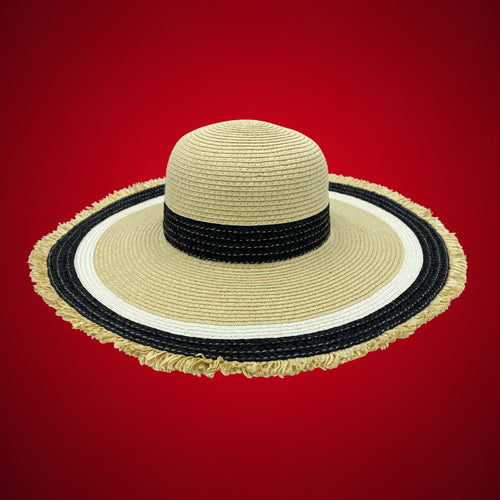
Material is where fashion-tier hats fall short for Australian conditions. Raffia, paper straw, and synthetic blends photograph beautifully and pack lightly, but they offer limited UV protection, absorb moisture, and rarely survive more than a season or two of regular wear. Leather and wool equivalents are worth considering for anyone who plans to wear their hat beyond a single season.
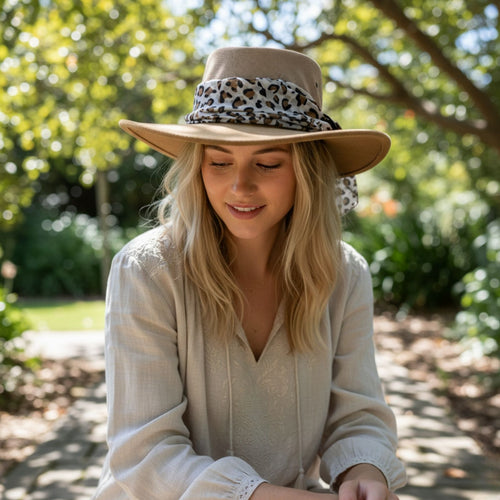
This tier makes genuine sense for a specific buyer: someone shopping for a wedding, a summer festival, or a short holiday where style is the priority and longevity is not. For those occasions, browsing Jacaru's summer hat collection shows how structured Western silhouettes can be achieved without sacrificing material quality.
The honest bottom line: a fashion hat is not built to survive years of Australian sun. Buyers who want style and long-term value are better served by premium leather.
Leather, Wool, and Straw: Choosing the Right Hat Material
Material choice separates a hat that performs from one that merely looks the part. Here is a plain-language breakdown of each option.
Kangaroo leather is prized for its combination of low weight and durability, making it a popular choice for outback styles and travel hats. It holds its shape through extended outback use and long-haul travel without adding weight to your pack. It is Jacaru's signature material and the benchmark against which other options are measured.
Buffalo and cowhide leather are heavier and more structured. They suit statement pieces and moderate outdoor wear rather than multi-week expeditions. Both materials reward regular conditioning, developing a deep patina over years of use.
Wool felt (the material behind Akubra-style hats) is warm and breathable in cool, dry conditions. It suits heritage occasions and cooler-climate wear well, but it is not designed for high humidity or sustained rain exposure.
Straw and raffia offer superior breathability and pack flat easily, making them popular for beach and resort holidays. Jacaru's straw hat collection reflects this casual appeal. Note that straw offers lower UV protection and less durability than leather; it is a warm-weather fashion choice, not a long-term outdoor tool.
Quick-reference buying guide:
Use case |
Best material |
|---|---|
Outback adventure |
Kangaroo leather |
International travel |
Kangaroo or cowhide leather |
Formal or heritage occasions |
Wool felt |
Beach and resort |
Straw or raffia |
Corporate gift |
Kangaroo or buffalo leather |
Match material to purpose first, then consider aesthetics.
How to Choose the Right Australian Hat for Your Needs
Once you have matched material to use case, apply that same logic to your buyer profile.
Outdoor adventurers and travellers should prioritise UV protection, packability, and weather resistance. Leather outback styles and crushable leather hats lead this category. Outdoor Gear Lab has actively tested sun hats for over 15 years, a useful benchmark for understanding what genuine functional performance looks like before you buy.
International visitors and souvenir buyers should focus on authenticity above all else. Look for genuine Australian-made labelling, native leather options such as kangaroo hide, and brands that explain their material sourcing clearly. If a brand cannot tell you where the leather came from, treat that as a red flag.
Corporate gift buyers should weigh presentation, durability, and brand story. A Jacaru kangaroo leather hat or accessory set communicates genuine Australian provenance in a way a mass-produced straw hat simply cannot replicate.
Fashion and vacation packers have good timing on their side. The 2026 Western silhouette trend has positioned structured outback-style hats as fashion-forward choices. Choosing a heritage maker means aligning with that trend while buying something built to last, not just to photograph.
On budget versus investment: a paper straw hat is typically a seasonal purchase, while a premium Australian leather hat represents a longer-term investment. The per-wear cost difference is significant.
Finding the Right Australian Hat Maker for You
Once you have matched your hat to its purpose, the final step is choosing the right maker. Each brand covered in this guide occupies a distinct position, and that authenticity gap matters: genuinely Australian-made hats carry material credentials, skilled craft, and sustainability provenance that imported or trend-driven products simply cannot replicate.
Whichever maker you choose, three practical steps will keep your purchase on solid ground.
Three actions before you buy:
Verify Australian-made status. Check country-of-origin labelling and confirm where materials are sourced and where the hat is made. Under Australian consumer law, misleading origin claims are prohibited, so legitimate makers will be transparent.
Match material to use case. Use the material guide in this article before committing to a price point. The right leather, felt, or straw choice depends on your activity, climate, and how long you need the hat to last.
Explore Jacaru's range. For leather outback hats, corporate gifts, or Australian souvenirs with a genuine story behind them, Jacaru's range offers craftsmanship and native materials that perform as well as they look.
Conclusion
Australian hat making is a craft built on material integrity, cultural heritage, and genuine skill.
The difference between a genuinely Australian-made hat and a trend-driven alternative is measurable in durability, provenance, and long-term value. Knowing what separates them puts you in a stronger position to buy with confidence.
Before you commit, verify origin claims, match your material to your intended use, and take time to explore the full range from a maker you trust. A well-chosen Australian hat is not just an accessory; it is a lasting piece of craftsmanship worth wearing for years to come.


Our friends at Bocchetta Plush Toys have a great range of lifelike plush animals that make great gifts for people of all ages.