






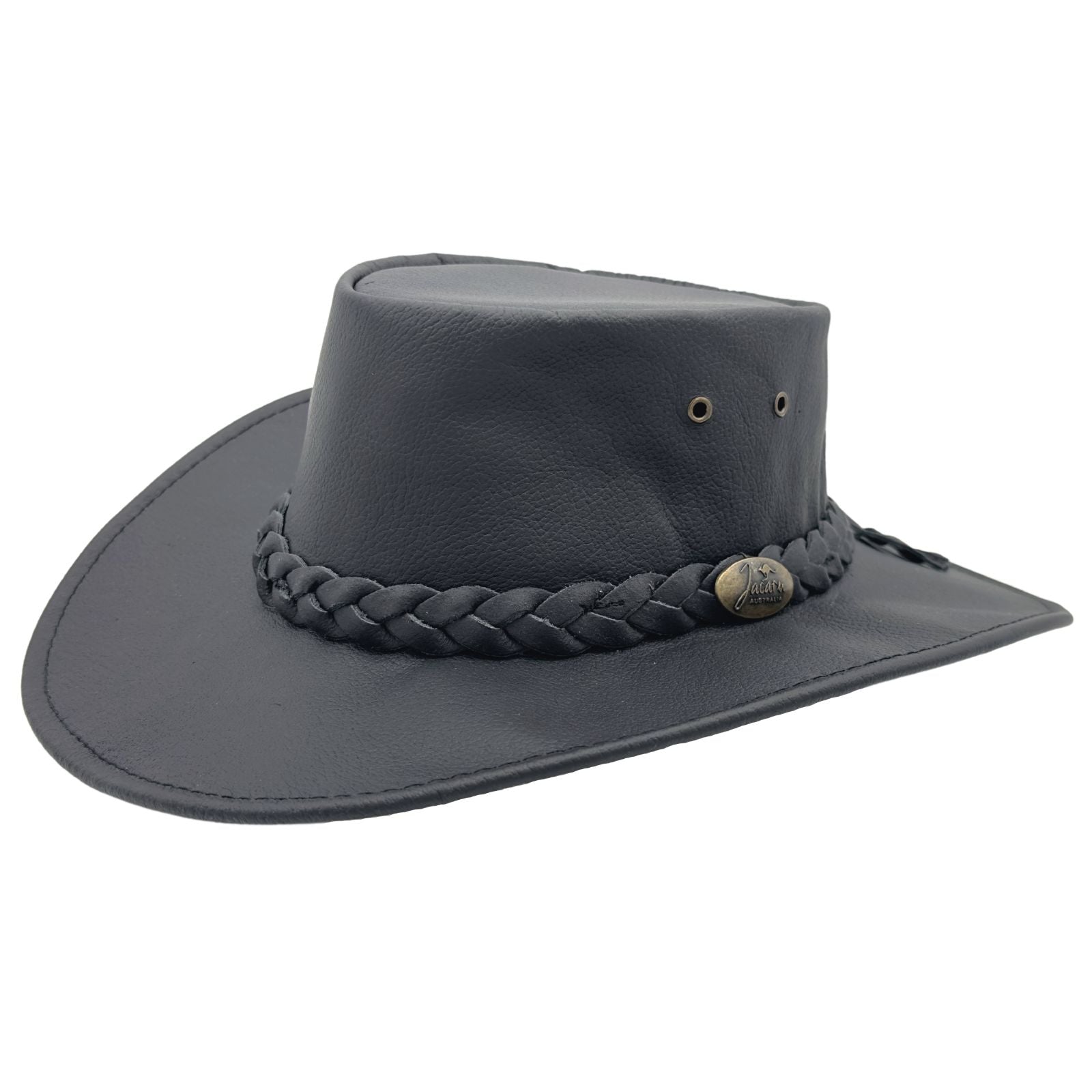


7 Reasons an Australian Straw Hat Outperforms the Rest

When it comes to protecting yourself from the sun in style, not all headwear is created equal. The straw hat has long been a trusted companion for outdoor adventures, beach days, and garden afternoons, but there is one variety that consistently rises above the competition: the Australian straw hat.
Born from a culture that takes sun protection seriously, Australian straw hats have been refined over generations to meet the demands of some of the harshest sunlight on the planet. They are not just a fashion statement. They are a carefully engineered piece of headwear designed to deliver superior performance where it matters most.
If you are new to the world of straw hats and wondering which style deserves a spot in your wardrobe, you are in the right place. In this post, we will walk you through seven compelling reasons why an Australian straw hat outperforms every other option on the market. By the end, you will have all the knowledge you need to make a confident, informed choice for your next sun-ready look.
Why Straw is the Gold Standard for Sun Protection

When it comes to shielding your skin from the sun, not all hat materials perform equally. Natural straw stands apart from synthetic alternatives in one fundamental way: its rigid, open-weave structure creates a physical canopy that deflects and scatters UV radiation rather than simply absorbing it. Polyester and cotton blends absorb solar energy and can trap heat against your scalp, making long days outdoors genuinely uncomfortable. Straw's structural integrity, by contrast, maintains consistent air gaps throughout the weave that allow heat to escape while still intercepting harmful rays. According to research on whether straw hats provide genuine sun protection, this protective performance depends directly on two measurable factors: weave density and brim width.
Quality straw hats with tightly constructed weaves can achieve UPF 50+ ratings, the highest classification available, meaning the material blocks at least 98% of UV radiation reaching the skin beneath. This places well-made straw hats firmly in the same performance category as purpose-built sun protection apparel. It is worth noting that not all straw hats are equal; looser, cheaper weaves offer significantly less coverage, so looking for certified UPF labelling rather than assuming all straw products perform identically is strongly advisable.
The market data reinforces just how seriously consumers are taking this. According to the global sun hats market report, the "With Sunscreen Rating" segment held 54.2% of total market share in 2025, confirming that the majority of hat buyers are now actively seeking verified UV protection credentials alongside style.
The structural advantages of straw also translate directly into superior coverage. Wide-brim straw hats shade the face, ears, and back of the neck simultaneously, covering the areas most commonly affected by cumulative sun damage. Unlike fabric brims that droop and shift, rigid straw maintains its protective angle throughout physical activity. Pair that coverage with straw's natural breathability, and you have a hat that keeps you cooler and better protected across hours of outdoor wear, making it the practical choice for hikers, beachgoers, and outdoor workers alike. For a full overview of how hat materials influence protection outcomes, Sun Protective Clothing guidance from the Skin Cancer Foundation provides an excellent reference point.
Australia's UV Reality: Why Your Hat Choice Matters More Here
No other country on Earth makes your hat choice a more urgent health decision than Australia. The continent sits uniquely close to the ozone hole over Antarctica, meaning UV radiation arrives with far less atmospheric filtration than in most Northern Hemisphere nations. During Australian summers, the UV Index regularly exceeds 11, which is classified as Extreme, across large portions of the country. Sun protection is medically recommended at any UV Index reading of 3 or above, so when the Index hits 11 or beyond, unprotected skin can begin to suffer damage in as little as minutes. This is not a minor environmental footnote; it is the defining factor behind why Australians have developed such a deeply embedded culture of sun-protective headwear.
Cancer Council Australia recommends hat use as one of five core sun protection strategies, the well-known "Slip, Slop, Slap, Seek, Slide" framework taught in schools and workplaces nationwide. Critically, not just any hat qualifies. Caps and visors are explicitly ruled out as adequate protection because they leave the ears, cheeks, and neck fully exposed. Broad-brimmed hats and bucket hats are specifically recommended, with adult broad-brim styles requiring a minimum 7.5 cm brim to shade the face, neck, and ears effectively. Only broad-brim, bucket, and legionnaire-style hats can carry a UPF rating under Australian Standard AS 4399:2020, making hat shape a technical sun-safety specification, not a personal style preference.
The urgency behind these recommendations becomes clear when you look at the health data. Australia has one of the highest rates of skin cancer in the world, with approximately two in three Australians diagnosed with some form of skin cancer before the age of 70. Sun-protective headwear is, by any measure, a genuine health tool rather than a fashion accessory.
Australian consumers have responded accordingly. The Asia Pacific region holds 38.4% of global sun hats market revenue in 2025, with Australia among the leading contributors alongside China and India. This places Australian buyers among the most active sun hat consumers on the planet, a market behaviour shaped directly by lived experience with extreme UV conditions.
The result is a hat tradition with genuine roots. The combination of agricultural work, beach culture, competitive sport, and backcountry adventure has made the wide-brim straw hat a practical staple across generations of Australians, and that heritage is exactly what brands like Jacaru have built upon with premium, Australian-made designs.
What Makes an Australian Straw Hat Different From the Rest
Not all straw hats are built the same, and the differences between an authentic Australian outback straw hat and its international counterparts go far deeper than aesthetics. Understanding these distinctions helps you make a smarter purchase, whether you are buying for practical sun protection or looking for a hat with genuine heritage behind it.
Built for Brutal Conditions: The Brim Advantage
The most immediately visible difference is the brim. Australian outback straw hats are traditionally constructed with wide, flat brims, typically spanning 3 to 4 inches or more around the full circumference of the hat. This flat brim geometry is a deliberate functional choice, maximising shade coverage across the face, neck, and shoulders during sustained outdoor work. By contrast, the American cowboy hat uses a rounded, curved brim that prioritises silhouette over shade. European sun hats tend toward softer, more pliable constructions suited to beach settings rather than working environments. The outback brim is engineered for Australia's specific conditions, where UV radiation arrives with exceptional intensity and sustained outdoor exposure is a reality for workers, farmers, and adventurers alike.
Construction Quality That Outlasts the Outback
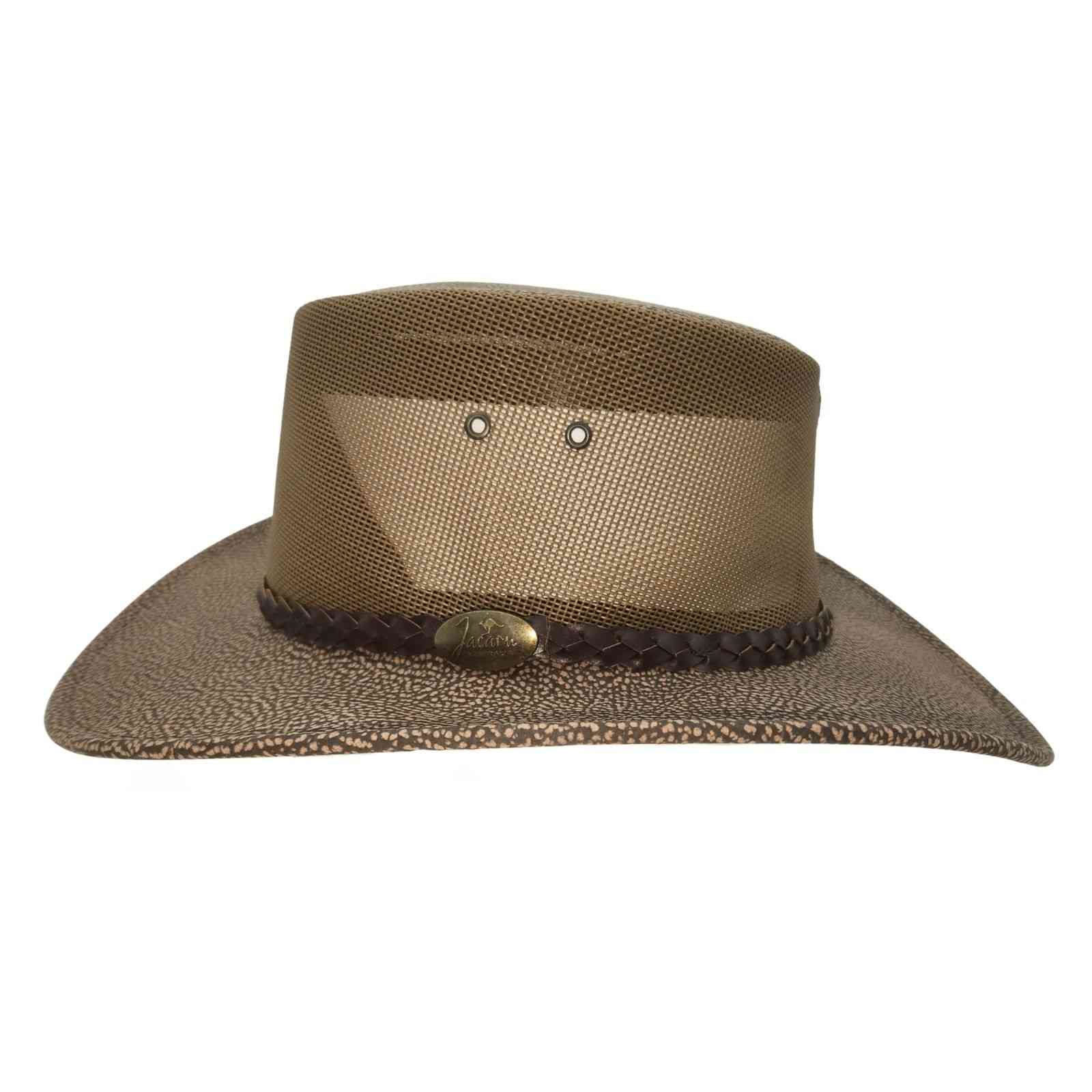
Authentic Australian straw hats are woven from tightly packed natural fibres that resist deformation under wind, sweat, and repeated handling. This structural rigidity is what separates a working hat from a decorative one. Heritage construction details reinforce this further. Look for reinforced crown seams, a durable leather sweatband that manages moisture without degrading the hat's shape, and a functional chin strap designed to keep the hat secure in open, windy terrain. These features are absent from the mass-produced versions you will find in airport souvenir shops, which prioritise appearance over longevity. Understanding the key differences between outback and cowboy hat construction makes it immediately clear why working-grade details matter.
Australian Heritage in Every Stitch
Jacaru's straw hats are designed and finished in Australia, drawing on decades of outback hat-making tradition. That tradition prioritises durability and function alongside a distinctively Australian visual identity. This heritage is not a marketing claim; it is reflected in every construction decision, from the crown profile to the choice of materials.
The broader straw hat market is dominated by US-centric brands that carry strong western aesthetics but no authentic Australian outback pedigree. This leaves a genuine and credible space for Australian-made brands to occupy, one built on real provenance rather than borrowed imagery.
Straw at the Crossroads of Function and Outback Identity
The straw hat occupies a uniquely powerful position in the global headwear market, sitting at the precise intersection of practical sun protection and deeply rooted western and outback cultural identity. Within the formal structure of the global cowboy and western hat market, industry analysts recognise three co-equal primary material categories: felt, leather, and straw. Straw is not a seasonal afterthought or a budget alternative; it is a structurally recognised pillar of the category, carrying equal standing alongside materials with centuries of craft heritage behind them. This positioning matters because it confirms that choosing a straw hat is not a compromise, it is a deliberate, informed decision backed by sustained global consumer demand.
The commercial evidence supports this emphatically. The global cowboy hats market was valued at USD 1.2 billion in 2026 and is forecast to reach USD 2.3 billion by 2033, growing at a CAGR of 5.6%. That trajectory represents a structural consumer shift toward western-style silhouettes, not a short-lived trend. Straw, as one of the three primary material segments driving that growth, benefits directly from this expanding appetite for hats that combine rugged functionality with enduring aesthetic appeal.
Where Australia's identity enters this picture, the straw hat gains an entirely different dimension. Outback hats carry documented national identity weight, shaped by one of the world's most demanding environments and recognised globally through cultural touchstones including Crocodile Dundee. Jacaru, founded in 1968, has built its craft heritage around precisely this iconography, offering outback-style hats that reflect antipodean character rather than Americanised cowboy aesthetics. When you wear a Jacaru straw hat, you are wearing a design philosophy rooted in Australian landscape and outdoor endurance.
For international travellers, this provenance transforms a practical purchase into something far more significant. A well-crafted Australian straw hat with genuine outback heritage functions simultaneously as reliable UV protection across Australia's famously intense sun and as a meaningful cultural artefact worth carrying home. Jacaru's leather and straw hat collections illustrate exactly how authentic Australian craftsmanship distinguishes itself from mass-market alternatives that can replicate the silhouette but cannot replicate the story behind it.

How to Style a Straw Hat Year-Round
The straw hat has completed a remarkable transformation. Once filed away with summer wardrobes, it now earns its place across every season, a shift confirmed by the global sun hats market growing from $2.8 billion in 2025 toward a projected $4.6 billion by 2034. That trajectory reflects a simple reality: buyers are treating straw hats as year-round lifestyle investments, not temporary warm-weather accessories.
Summer: Anchor the Outfit and the UV Protection
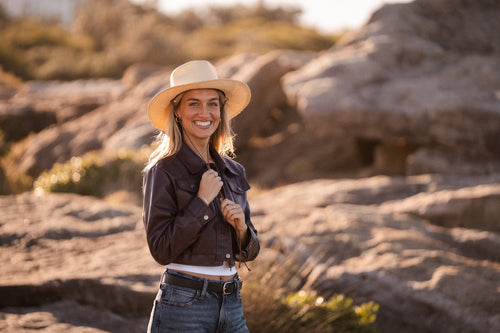
In summer, the formula is straightforward. Pair a wide-brim straw hat with a linen shirt, shorts, and sandals for beach or travel settings. The hat does two jobs simultaneously: it completes the outfit visually and delivers active sun protection throughout the day. Natural straw earns its place here through genuine ventilation, drawing heat away from the head rather than trapping it, making it a functional choice rather than a purely decorative one.
Cooler Months: Structure Over Sentiment
A structured straw hat transitions into cooler weather far more naturally than most beginners expect. Layer it over a lightweight jacket, roll-neck, or boot-cut denim combination and the hat holds its authority. This matters particularly in Australian conditions, where northern and coastal regions maintain significant UV levels well into winter months. Reaching for your straw hat in July is not a fashion eccentricity; it is a sensible health decision.
Events and Embellished Styling
For races, garden parties, or festivals, a straw hat fitted with a decorative hatband or feather trim moves the look from casual to considered. Styling straw hats for fall and events confirms that embellishment is a recognised way to elevate the same foundational shape into occasion wear without sacrificing comfort.
The Colour and Cultural Fit
Straw pairs instinctively with earthy, neutral tones, ochres, tans, olives, and naturals that sit at the heart of classic Australiana aesthetics. That colour compatibility makes straw one of the most genuinely versatile hat materials across gender, age group, and occasion. Whether worn by a traveller navigating Darwin in December or a race-goer in Melbourne in May, a well-chosen straw hat communicates both intention and heritage.
Caring for Your Straw Hat: Making It Last
A quality straw hat rewards the care you give it. Follow these five practical rules and your hat will perform season after season.
1. Store it upside down on its crown or on a hat stand
When you set your straw hat down, always rest it on its crown, not its brim. Placing it brim-side down creates a flat pressure point that gradually distorts the brim's natural curve. Sustained weight, even from a single item stacked on top, can permanently deform natural straw fibres because they lack the elastic memory to spring back once crushed. A dedicated hat stand is the ideal solution, holding the hat in its correct shape without applying stress to any single point. Avoid storing your straw hat in a hot car, where combined heat and pressure accelerate structural breakdown significantly.
2. Clean gently and always follow the weave
Surface dust and light dirt should be removed with a soft-bristle brush or a barely damp cloth, always working in the direction of the weave rather than against it. Brushing against the weave lifts and separates individual fibres, causing fraying and a roughened surface texture over time. Never soak or submerge a straw hat in water; prolonged moisture weakens the structural fibres, causes shrinkage, and can introduce mould if the hat does not dry evenly. For stubborn stains, dab lightly with minimal moisture rather than scrubbing.
3. Reshape with steam, not force
A misshapen brim or dented crown is not necessarily ruined. Hold the affected area briefly over gentle steam, such as from a household kettle at a safe distance, until the fibres become pliable. Carefully reform the shape with your hands while the straw is warm, then allow the hat to cool completely before wearing or storing it. Rushing this step by wearing the hat while still warm will simply reset the unwanted shape.
4. Protect it from prolonged heat and UV when stored
UV radiation and ambient heat affect straw even when it is not being worn. Storing a straw hat in direct sunlight bleaches natural fibres, dulls the colour, and accelerates brittleness over time. Choose a cool, dry storage location with reasonable airflow to prevent both UV damage and moisture build-up.
5. Invest in quality construction for lasting return
A well-made straw hat with reinforced seams, a durable sweatband, and a tightly consistent weave will outlast multiple cheaper alternatives. Hat community veterans report keeping quality hats in active use for decades with consistent basic care. A quality sweatband is especially important; it manages perspiration effectively, protecting the inner structure from salt damage. Cheaper, loosely woven hats lack this resilience and typically degrade within a single season of regular wear.
The Australian Straw Hat as a Gift or Souvenir
Few souvenirs genuinely earn their place in a recipient's life. Most end up in a drawer, forgotten within weeks of purchase. A quality Australian straw hat is a rare exception, combining authentic cultural identity, practical daily utility, and premium craftsmanship in a single wearable object. Research published in Heliyon confirms that place-based craft souvenirs create deeper personal connection between the recipient, the object, and its origin culture, a quality that mass-produced airport novelties simply cannot replicate. A straw hat tied to Australia's working rural heritage carries that place-based weight naturally, and it earns its keep every time the wearer steps outdoors.
For corporate gifting, the calculus is equally compelling. A branded or presentation-packaged Australian straw hat communicates a distinctly local identity and signals that the giver has thought beyond the generic. When sourced from a heritage brand with genuine Australian provenance, it tells a story that a box of chocolates or a branded pen never could. Corporate buyers increasingly prioritise gifts that reflect their organisation's values, and a hat made with natural materials, by an Australian company with a traceable product story, does exactly that.
Sustainability has moved from niche concern to mainstream purchasing criterion. Natural straw is biodegradable, renewable, and entirely non-synthetic, aligning directly with the consumer preference for ethically sourced products that continues to grow across every gifting category. This matters to individual buyers and procurement teams alike.
The market data reinforces why hat gifting is a category worth taking seriously. The global sun hats market is projected to grow from USD 2.8 billion in 2025 to USD 4.6 billion by 2034, reflecting a broader cultural shift toward lifestyle accessories that carry both function and meaning.
Jacaru's straw hats occupy a distinct and underserved position in this market. Where most straw hats available to tourists skew toward Americanised styling or generic mass production, Jacaru offers an authentically Australian alternative, crafted with the outback heritage and premium standards the brand has built its reputation on.
Choosing the Right Straw Hat Starts With Knowing What to Look For
Every dimension covered in this guide points toward the same conclusion: buying a straw hat well means buying it deliberately. UV performance, Australia's extreme UV context, local construction quality, outback cultural identity, styling versatility, care longevity, and gifting value are not separate considerations. They are interconnected criteria that together define whether a hat genuinely earns its place in your life or simply fills a gap until something better comes along.
Not all straw hats are created equal. A generic alternative may look the part on a shelf, but it rarely delivers on brim width, weave density, or the construction details that determine real-world performance. When you evaluate any straw hat purchase, start with those three criteria first: how wide is the brim, how tight is the weave, and how carefully has it been assembled? Those answers will tell you most of what you need to know.
For anyone seeking an authentically Australian option that meets every one of these standards, Jacaru's straw hat collection is the logical next step, combining heritage craftsmanship, genuine outback character, and sun protection credentials built specifically for Australian conditions.


Our friends at Bocchetta Plush Toys have a great range of lifelike plush animals that make great gifts for people of all ages.