














Vetting an Australian Corporate Gift Supplier in Bulk
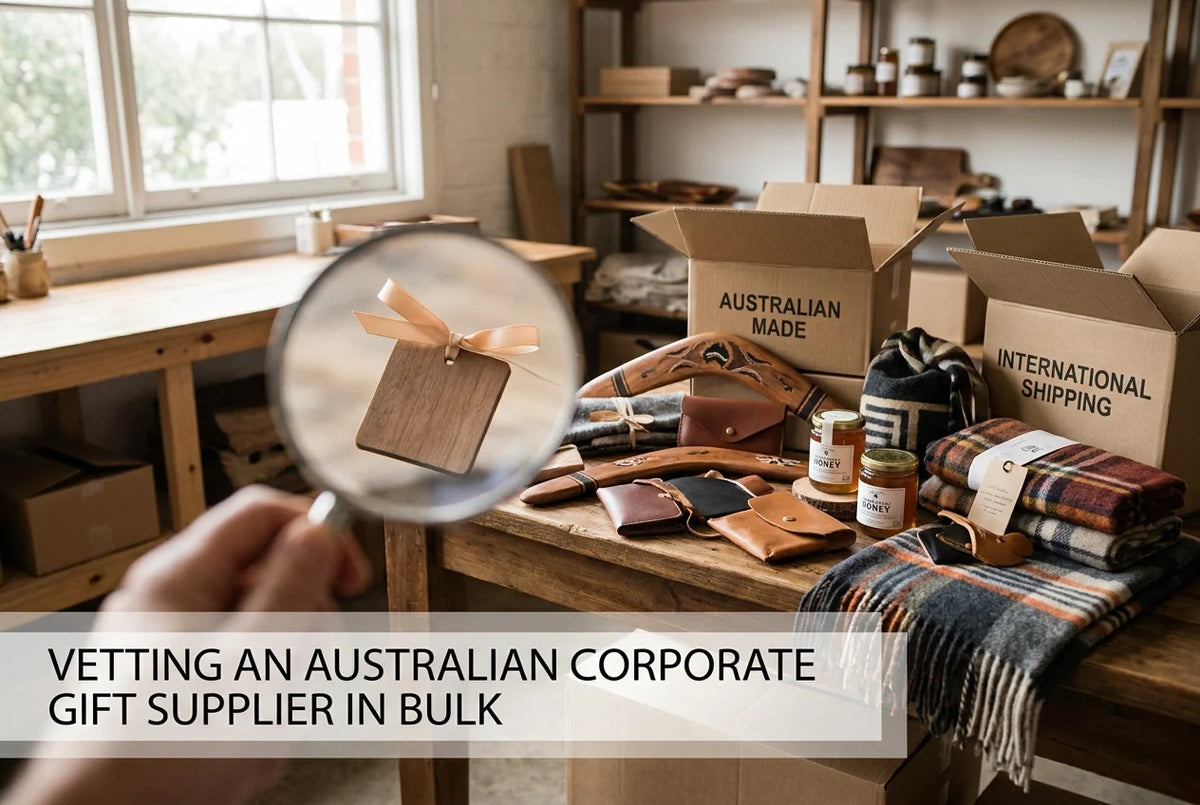
Bulk corporate gifts can look brilliant in a spreadsheet and still flop by the time they reach a desk in Toronto. Your gift order should, though. A mug, tote, or hamper only works if it is made where it claims, can take your logo without turning into a smear, and lands before the date you promised. If you are sourcing unique australian gifts for overseas, that bar gets higher, because country-of-origin claims are not decoration. Under the Australian Consumer Law, any origin representation must be clear, accurate and truthful. That includes packaging, swing tags, ads, and even what staff say. Imagery can imply origin too. The ACCC treats origin claims as premium claims, so demand proof rather than vibes.
This is not a gift list. It is a procurement-side how-to for vetting an Australian corporate gift supplier in bulk. We will cover why bulk orders fail before they ship, then four tests: proof of Australian production, a sample of the branding method, honest minimums and lead times through Q4, and a freight plan for overseas recipients. Finally, a go/no-go checklist and four questions before you release budget. Suppliers who pass those four tests earn the order.
Why Bulk Gift Orders Fail Before They Ever Ship
Bulk corporate gift orders rarely fail at the warehouse. They fail at the desk, weeks earlier, for one of three reasons: the item is not made where the supplier said it was, the branding wrecks it, or it lands after the date you needed it. This is a vetting checklist for those three risks, not a gift list.
Under the Australian Consumer Law, any country of origin representation must be clear, accurate and truthful. That covers packaging and swing tags, advertising and promotional material, and what a staff member says out loud on the phone.
Imagery counts too. A flag, a map, a kangaroo silhouette or a phrase like "australian made souvenirs" can each be read as an origin claim even where nobody writes "made in Australia" in a sentence. The ACCC treats origin claims as premium claims, which is precisely why businesses use them: they imply added quality or benefit. That is also why a buyer with a budget should ask for evidence rather than take the claim at face value.
Substantiation is the supplier's obligation, not yours. The ACCC's country of origin guide includes sections on substantiating a claim and on relying on assurances from a third party, which is your basis for demanding documentary proof instead of a verbal yes. Our own guide on how to verify an Australian made claim covers the same ground.
One caveat: that guide is dated March 2019, and its food labelling rules do not apply to hats and accessories. Check the ACCC site for later updates and keep the framework product-agnostic. Provenance is a question you ask about the specific item, and why Australian-made beats 'Australian style' matters more when your own brand travels on the tag.
Test 1: Demand Proof of Australian Production
Right, so you know origin claims are regulated and that imagery counts. Now make the supplier prove theirs, for the exact item on your purchase order.
Start with records. A supplier's story about being a proud Australian business is not substantiation for the hats or keyrings you are actually ordering. Ask what documentation sits behind the claim on that specific product.
The ACL sets out safe harbour situations where an origin claim can be made without raising concerns, but a business has to meet specific criteria to qualify. Ask which criteria the supplier is relying on and what evidence supports them (country of origin claims).
Then check the whole presentation, not just the label. A swing tag, a website banner, a distributor's marketplace listing and a salesperson's script can each count as a representation, and they all have to line up with each other. If the rep says "made here" while the tag stays silent, that gap is yours to inherit.
Where wording like "Australian made souvenirs" or "Australian souvenirs made in Australia" will sit beside your company name, get the source of that claim in writing before you confirm. Your brand travels with that tag. Three Things to Check Before You Buy Any Australian Souvenir covers how quickly that backfires.
Treat a manufacturer's assurance passed along by a third party as something to verify, not accept. The ACCC guide addresses relying on assurances from a third party because that chain is where claims go wrong.
If documentation cannot be produced, treat the claim as unsupported. Two options: drop the wording from your order, or drop the supplier from your shortlist. Australian-Made: Why Provenance Actually Matters makes the case for the second.
Next: the sample that tells you whether your logo survives the product.
Test 2: Sample the Branding Before You Commit
Proof of Australian production gets you a verified item. It doesn't tell you whether your logo will wreck it.
A product sample and a branding sample are two different tests. Ask for the second, decorated with your actual artwork, on the actual material, at the actual size you intend to order.
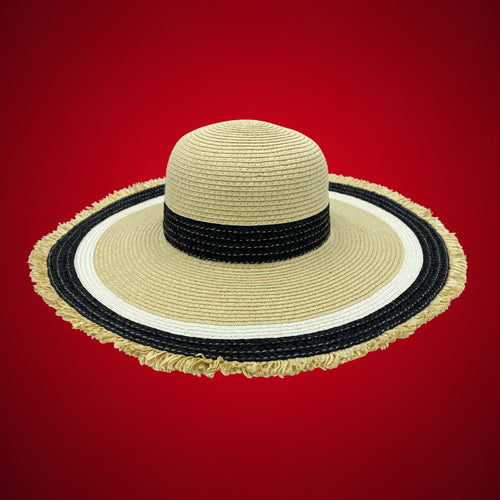
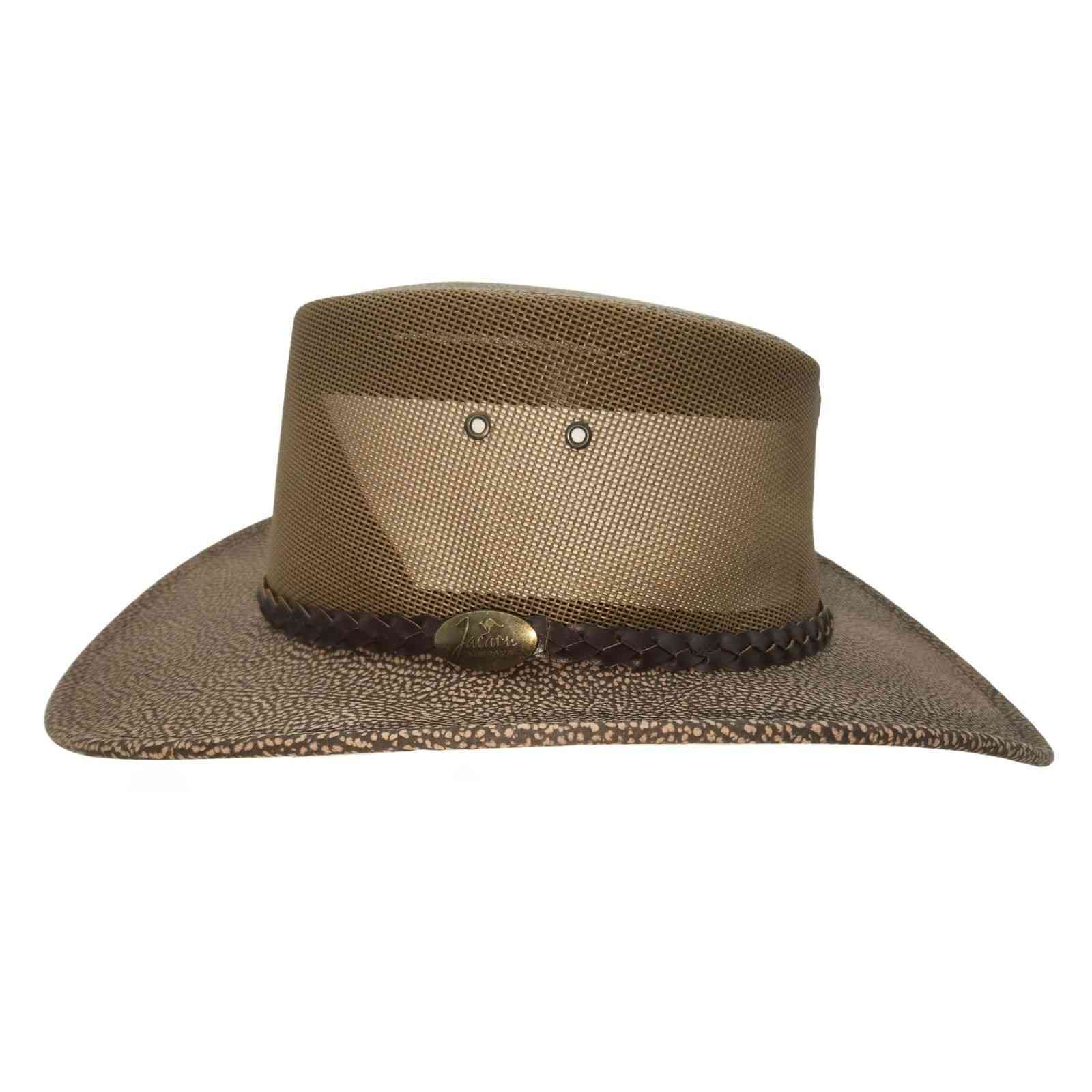
Material changes everything. Leather takes embossing and etching in ways wool and straw do not, so a run on the wrong material or method proves nothing. What to Look For When Buying an Aussie Made Hat is a decent primer on how finishes behave before decoration enters the picture.
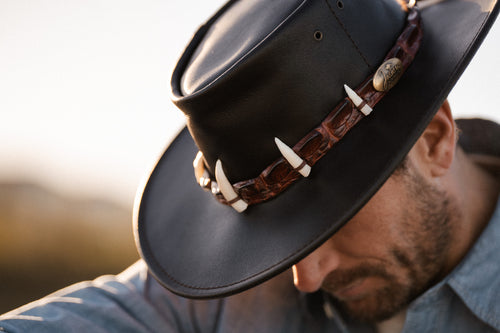
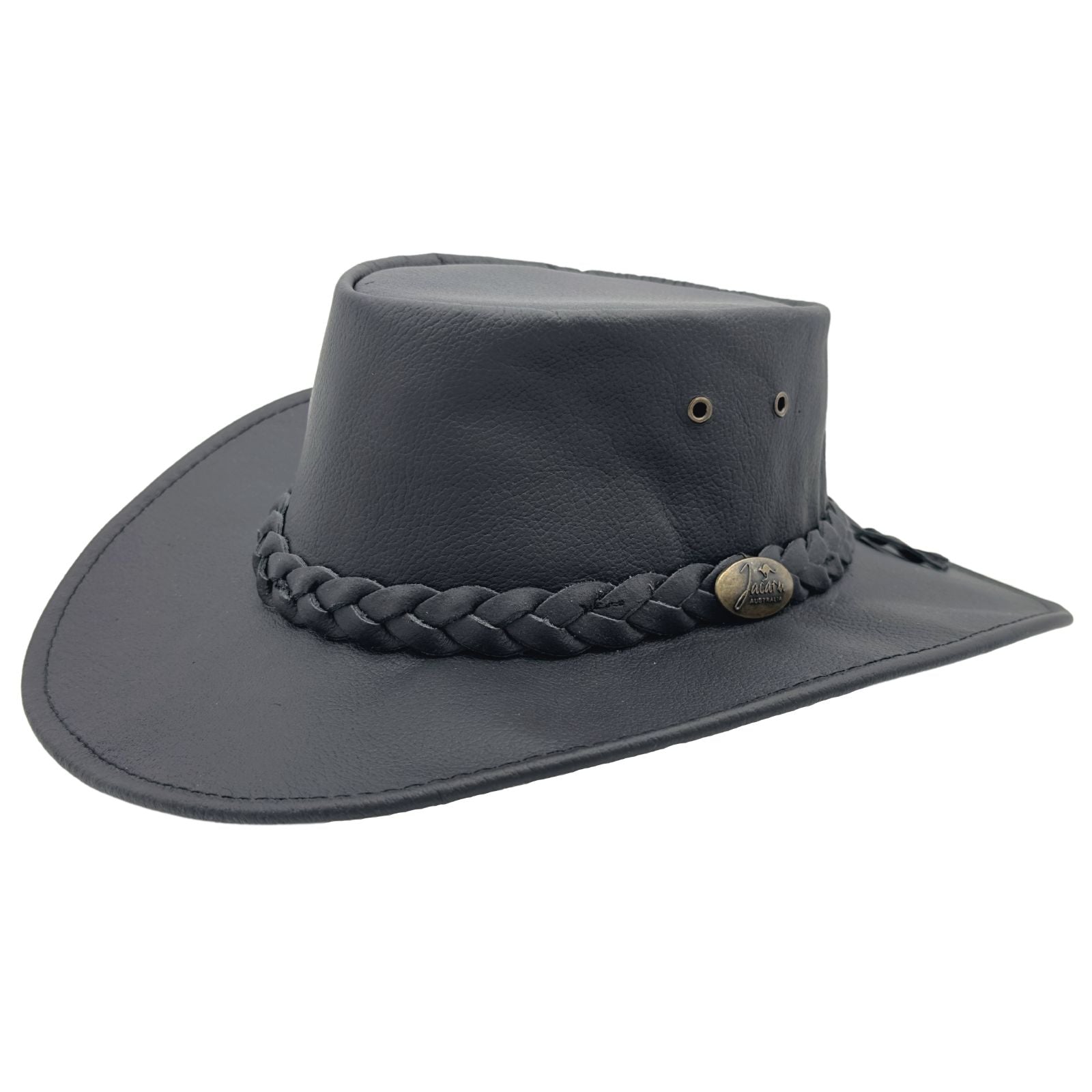
Decide where the mark lands. On a hat, a logo near the hatband, brim or a feature detail either looks deliberate or looks like a mistake, and only a sample shows you which. Hatbands and Personalisation makes the same point: the detail is the design.
Ask for photos at production-run quality, not a one-off craft sample, and get it in writing that the bulk run will match the approved sample. Goods must match the sample they were sold on, and those guarantees cover business purchases too. That sentence is what you lean on if the order arrives wrong.
Build the sample's lead time into your countdown and work backwards from the event date. For unique Australian gifts for overseas recipients, check how the branding reads from the back and inside, because recipients photograph what they're handed.
Finally, ask what happens to the finish after a few weeks in a bag. Embossing on leather ages well; some prints on straw and wool scuff. Why that matters on Aussie made hats is worth understanding before you sign off.
With branding approved, the next conversation is volume: minimums and lead times that hold through the final quarter.
Test 3: Pin Down Minimums and Honest Lead Times

Your branding sample is approved. Now come the numbers that decide whether the order is actually viable.
Ask for minimum order quantities per product line and per decoration method, not one headline figure. Suppliers often quote the lowest MOQ across their whole range, which may have nothing to do with the hat or accessory you want, branded the way you want it.
Get tiered pricing breakpoints in writing too. Seeing exactly where the unit cost steps down tells you whether to hold at 150 units or push to 200, and it stops you over-ordering stock you cannot give away or under-ordering at a premium.
Then ask whether the item is held in stock or made to order. Made-to-order changes your lead time, your flexibility to add units later, and your exposure if your recipient list grows after the order is placed.
Request a dated delivery window in writing. Ask specifically how that window changes through the final quarter, when every supplier's calendar compresses and freight networks tighten. "It should be fine" is not a window.
Ask what happens if stock runs short or a production run slips: substitution, part shipment, credit, or nothing at all. A supplier who cannot answer that has not thought about your date. The ACCC's guidance on not receiving products or services that are paid for is a sensible starting point for how a remedy conversation should sound.
Finally, find out whether production and decoration happen in-house or are subcontracted. Outsourcing inserts a handover your organisation cannot see, and it is often where a promised date quietly moves. Lock those dates down, then work out how the finished gifts actually reach your recipients overseas.
Test 4: Build a Freight Plan for Overseas Recipients
If the items are confirmed, the quantities locked and the dates in writing, there is one thing left that can undo all of it: actually getting the gifts to the people meant to receive them.
Settle the terms first. Who ships, who clears customs and who pays duty? Door-to-door terms and ex-works terms produce very different landed costs, and that difference surfaces after the order is placed, not before. Put the agreed terms on the purchase order rather than trusting a verbal quote, then release the budget.
Choose your route. For gifts going to individually addressed recipients overseas, you have two options: one consolidated shipment you redistribute yourself, or direct despatch from the supplier. Price both. The cheaper one depends on how many destinations you are covering.
Check the paperwork. Ask the supplier for the commercial invoice wording and the origin statement they will use, and check it matches what you verified in Test 1. Customs is one more place an origin claim has to be accurate.
Quote on volume, not just weight. Ask for carton dimensions and weights. Volumetric weight catches bulky gifts like hats, which take up space without weighing much, and a quote based on kilograms alone will not reflect what you pay.
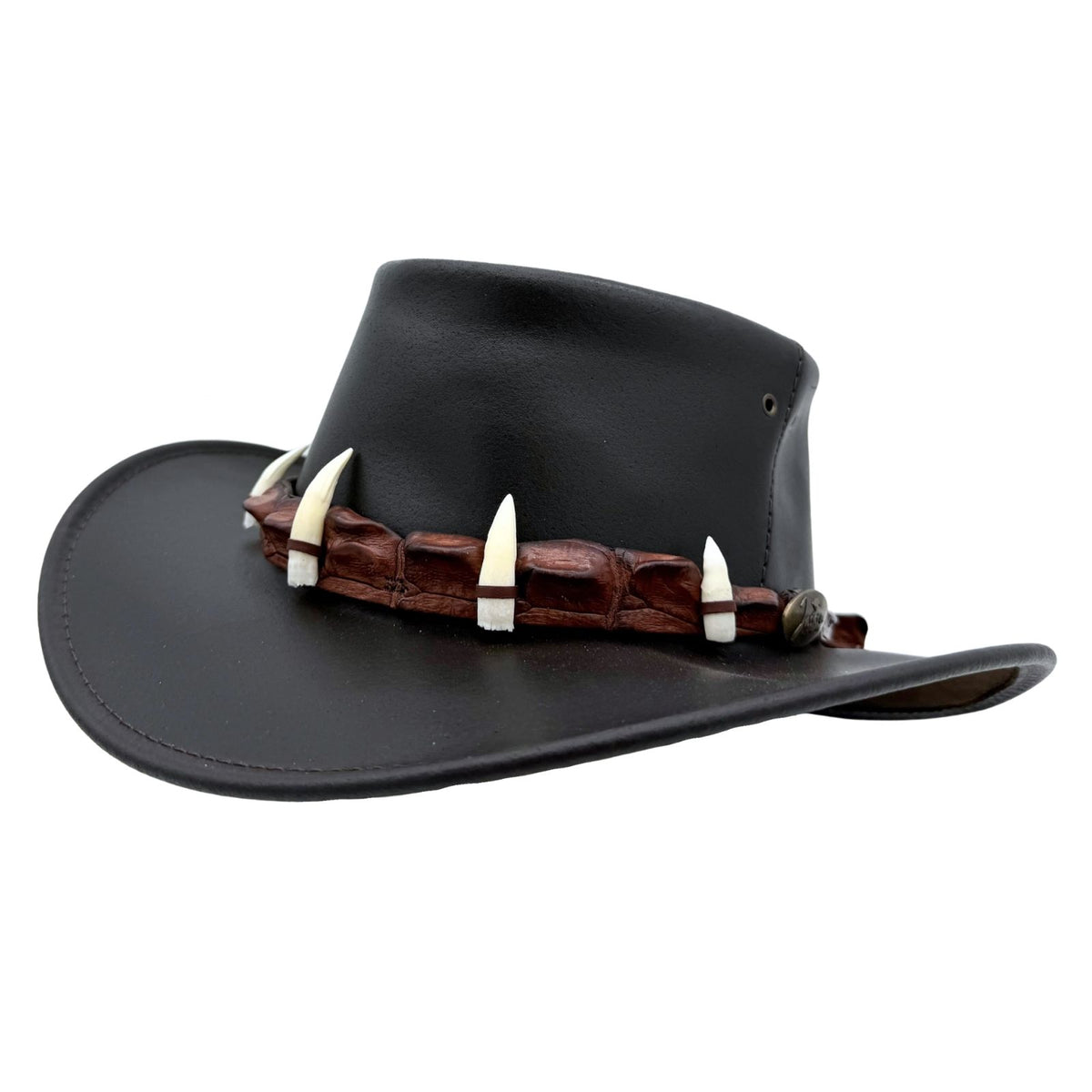
Screen the destination. Before you order leather, kangaroo or crocodile items, check restrictions on animal-derived goods. Confirm with the carrier or the destination customs authority rather than assuming, because rules vary by market and by product.
Build in a buffer. Leave a gap between the promised arrival and the date you need the gifts in hand. Last-quarter networks are the least forgiving, and a missed date costs far more than a slightly higher freight rate.
That is the fourth gate cleared. Now it is just a matter of scoring your shortlist against all four.
The Go/No-Go Checklist Before You Release the Budget
Four gates, one order. Line them up in a single checklist and don't release a cent until each one reads pass:
Documentary proof of Australian production, tied to the exact item on your purchase order.
An approved branding sample, signed off by you at production-run quality.
A dated lead time that survives the final quarter, in writing.
A freight plan that lands with your recipients, not just at a warehouse.
Put every answer in writing. A checklist you can point to later beats a phone call you remember as reassuring. If someone leaves the company or the story changes, the paper still says what was agreed.
Score suppliers on evidence, not enthusiasm. "We do this all the time" is neither substantiation nor a delivery window, and it won't help you explain a late order to your boss.
Keep two artifacts once you've decided: the approved branding sample and the written delivery window. Those are what you hold a supplier to if the order turns up late or the decoration is wrong.
Here's the part that matters most. If a supplier clears three gates and dodges one, treat the dodged gate as your answer. Evasion usually marks the gate that was going to cost you money.
Get all four in writing and you can release that budget with a straight face.
Four Questions Between You and a Safe Bulk Order
The checklist is only as good as the answers you get. Before you release a dollar, put four questions in writing.
Can you show me the substantiation behind the origin claim? Under the Australian Consumer Law, origin claims must be clear, accurate and truthful, and substantiation is the supplier's responsibility, not yours.
Can I approve a decorated sample using my artwork on the actual material?
What is the delivered date if I order today?
How does it reach recipients overseas?
A corporate gift only works if it is made where the supplier claims, survives its branding, and arrives before the date. Vet those three outcomes and the order largely looks after itself.
Hold onto the replies. A supplier who can document the claim, show you a sample and commit to a date in writing is a supplier you can trust with your brand. One who can't has already answered your question.
Conclusion
Bulk gifting should not feel like a bushwalk without a map. The four gates matter: prove Australian production, approve a branded sample, get minimums and honest lead times in writing, and plan freight for overseas recipients. If a supplier clears three and dodges one, that gap is your warning. Keep two artifacts close: the approved sample and the written delivery window. Then ask the four questions before releasing budget. Your next step is simple: send those questions in writing and hold the replies. A supplier who documents origin, shows a sample, and commits to a date is one you can trust with your brand. Do that, and you can release the budget with a straight face, then get back to the things that actually matter: open roads, wild places, and a gift that lands on time.


Our friends at Bocchetta Plush Toys have a great range of lifelike plush animals that make great gifts for people of all ages.