













How to Pack and Care for a Foldable Leather Hat for Travel
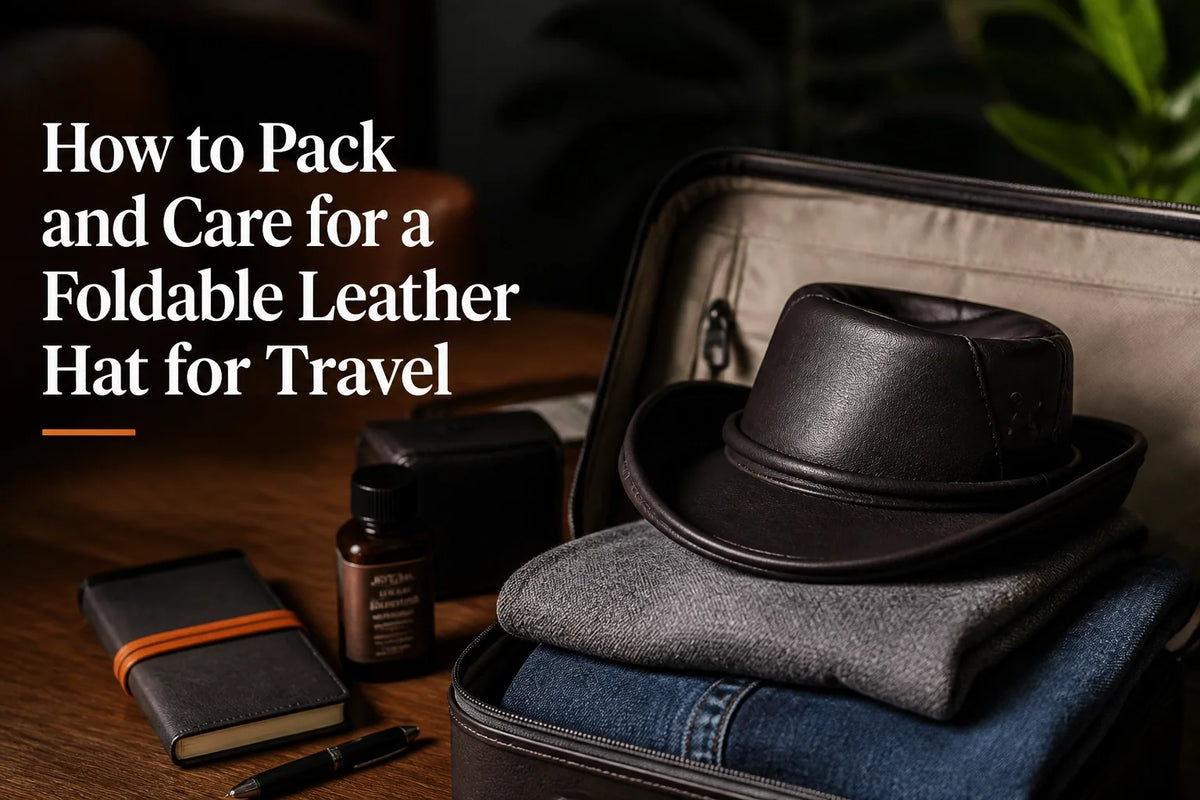
Can you really fold a leather hat without wrecking it? Some can, and the trick is knowing how. If you're new to leather travel gear, don't sweat it. We're going to keep this simple, practical, and maybe a little fun. Whether you're chasing mountain views, hopping between airports, or just trying to look decent after a long flight, a foldable leather hat can come along without turning into a crumpled mess. We're proud freedom-loving libertarians who like to travel and enjoy the outdoors, and we don't take ourselves too seriously. We do take hat care seriously enough to make it easy. In this post, you'll learn whether a leather hat can actually be folded, what to check before buying a leather travel hat, packing methods that work, step-by-step flight packing, how to reshape and care for your hat once you land, traveler tips and mistakes to avoid, FAQs about foldable leather hats, and how to pack smart and wear it often. Jacaru sells kangaroo leather products, so if that's your material of choice, keep care and sourcing in mind. Let's get packing.
Can a Leather Hat Actually Be Folded?
Short answer: it depends on the leather and the brim, not the label. Soft, thinner hides with floppy, unwired brims flex far better than thick, heavily stiffened ones, and only the maker can tell you which you have.
Travellers trip over the vocabulary. Crushable and packable usually mean a hat squashes and springs back. Rollable means it curves on itself without setting a line. Foldable flat, suitcase-crease style, is a much bigger ask that most leather hats can't answer.
Construction decides flexibility. A crown with no rigid stiffener or wire will give; a heavily stiffened crown forced to bend may not spring back kindly. A brim with hidden wire resists folding, while a raw or bound edge tends to move with you.
Some hides feel more pliable than others, but tanning and finishing can flip that, so feel beats the animal on the tag. Jacaru builds Australian outback hats in kangaroo, cow and buffalo leather; which leather holds up best digs deeper.
Before buying, ask the maker: can this hat be rolled or folded flat, will it return to shape, and would you recommend it or rather I never did? A straight answer beats any product description, and Australian hat making craft shows what goes into one.
One last thing: fold leather along the same line over and over and you train a crease into it. If you fold, move the line each time, and never crease across the crown band or a stitched seam.
What to Check Before You Buy a Leather Travel Hat
Since you now know the answer lives with the maker, inspect before you buy.
Pinch the brim between finger and thumb. Ask what animal the hide came from, whether it is full grain or split, and how it was tanned and finished. Those details decide whether the hat softens with age or stiffens.
Check brim width, edge finish and whether wire or a stiffener hides inside. A wide wire-edged brim photographs brilliantly and packs terribly. A moderate brim with a soft or bound edge travels with less drama.
Look at the sweatband and lining: leather or fabric, stitched or glued, breathable or not. A wipeable sweatband beats a fancy hatband on a long trip. If your skin reacts easily, chromium-tanned leather is worth a second thought.
Run your eyes along the crown-brim join for double stitching, reinforced eyelets and clean seam ends, then tug the hatband gently. Cheap hats quietly give up here.
Crown shape is a trade-off. Open crowns can be creased later, factory creases hold their line but resist reshaping, and stiff crowns dislike bags.
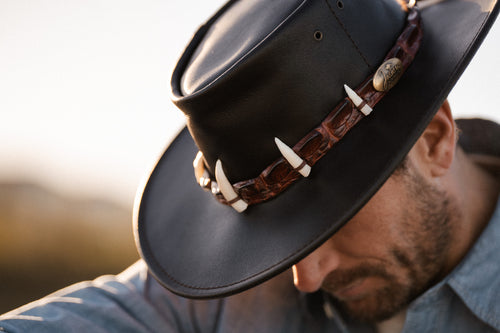
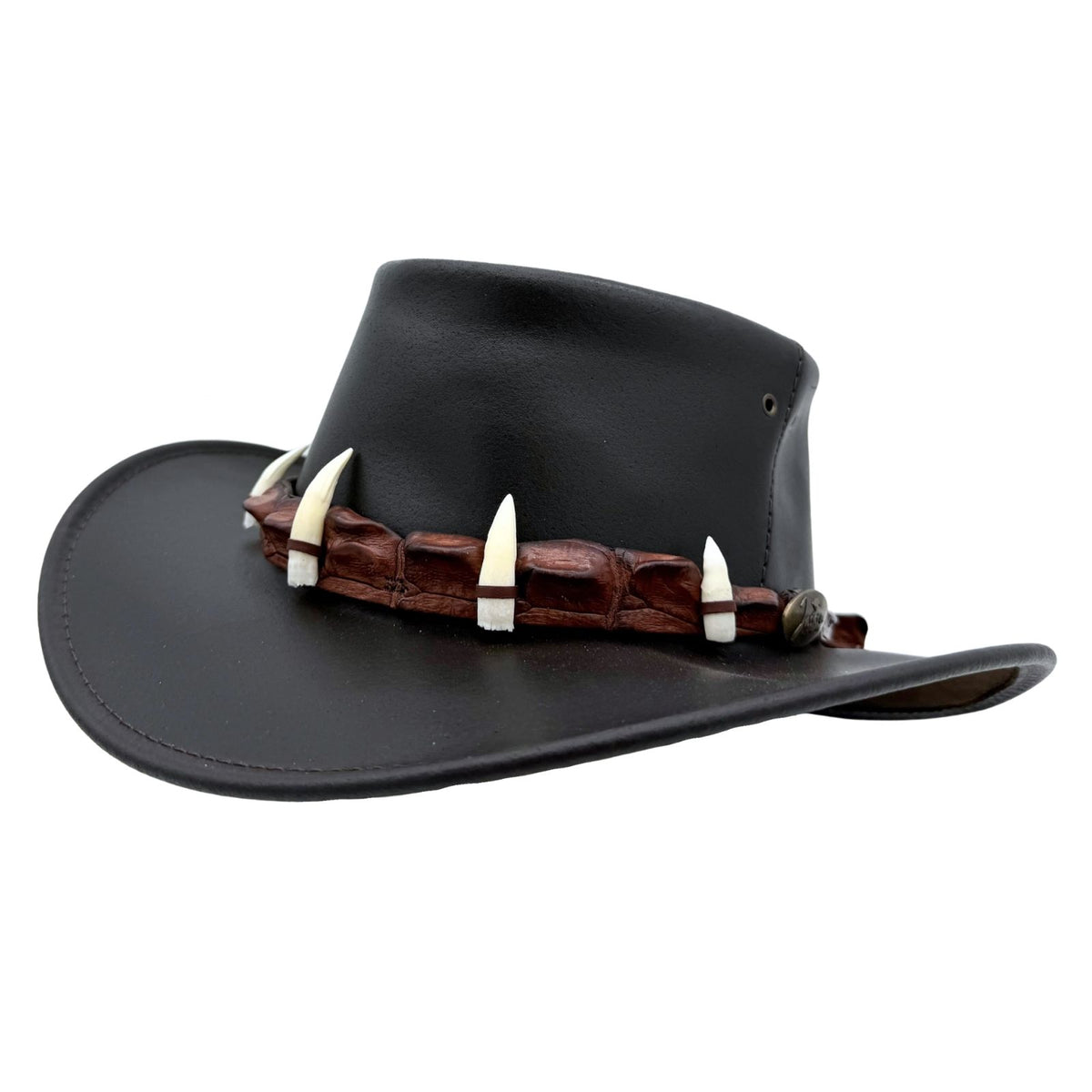
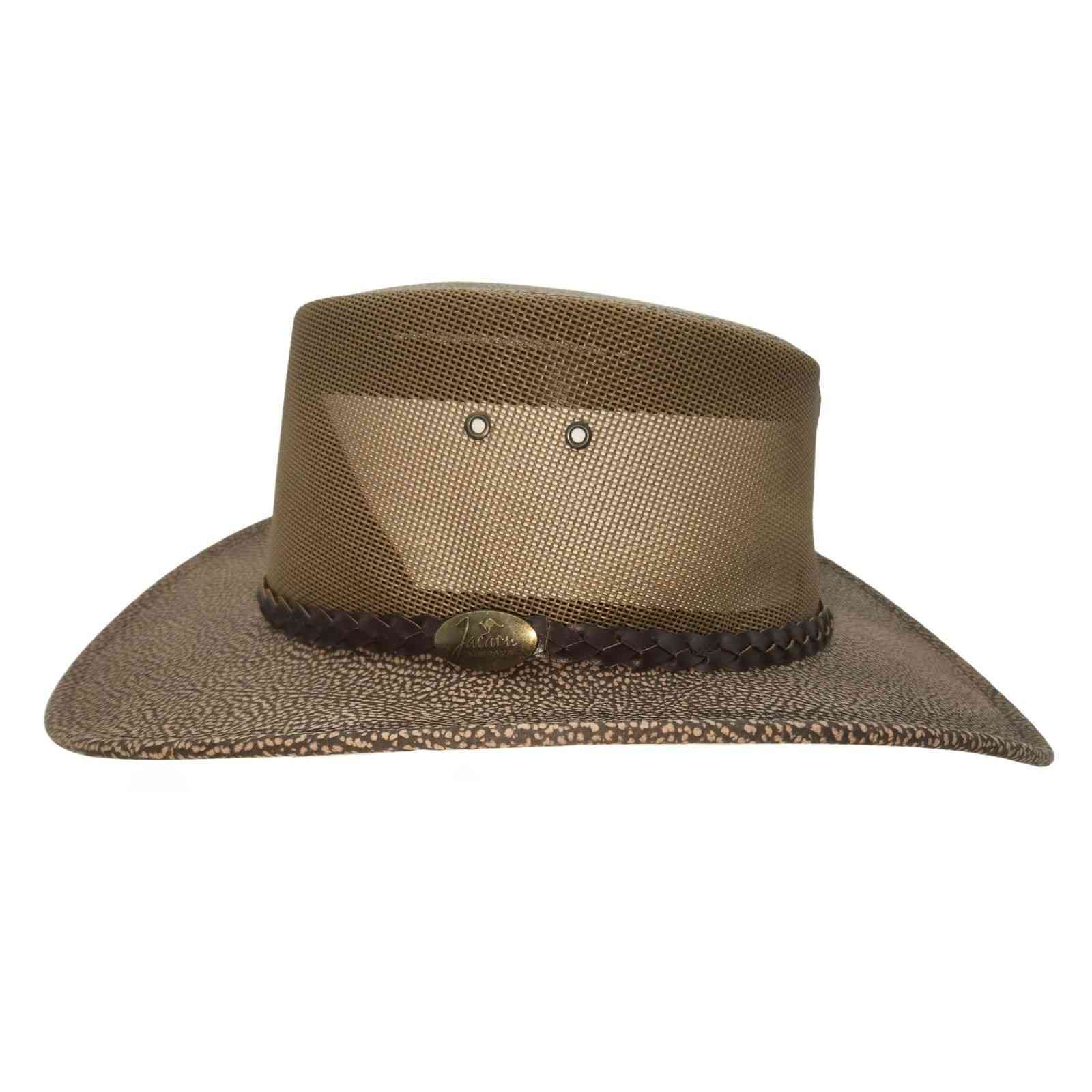
Ask what the maker expects after a trip. Jacaru, for one, is an Australian maker of leather outback hats, building in kangaroo, cow and buffalo leather, with Crocodile Dundee style hats that carry genuine crocodile teeth and backstrap hatbands. Details like that show how a hat was put together. Comparing hides? Kangaroo versus cowhide is worth a read.
Buy for the trip you are taking. Humid tropics, dry desert heat and a city crawl punish a hat differently. One that survives a wet-season carry-on may not handle a hot car and a dusty ute tray.
Next, how to pack it once you have chosen.

Packing Methods That Actually Work
Right, you've picked the hat. Now for the bit that decides whether it arrives wearable.
Stuff the crown. Always. Fill it with socks, a rolled t-shirt or soft odds and ends so it can't collapse inwards. Then you're packing a solid object, not an empty shell waiting to be crushed. Stuffing choices depend on the leather, and this guide to which leather holds up best is worth a read before you commit.
Pack it flat and high. Brim up, near the lid of a soft case or suitcase. Soft clothing below, nothing heavy above. Clothes are your shock absorber, so put them to work rather than stacking a camera and a pair of boots on the brim.
Use the crown as packing real estate. Small items inside a stuffed crown in a hard case, soft items around the outside of the brim. Treat the whole hat as a shaped compartment, not dead space.
Roll or curve it only if the maker says you can. Curl with the brim, never against it. Keep the curve gentle and even, support the rolled hat with a shirt or towel, and undo it as soon as you arrive instead of leaving it rolled for weeks.
Clip it outside your bag. A hat clip, a carabiner through the sweatband or a small strap across the crown turns your hat into clippable luggage and keeps it right out of the crush zone.
Or give it a hard hat can. It costs cabin space and a bit of dignity, but if the brim shape is the whole point, a lightweight box is the safest way to stop a stiff brim being flattened, especially if the bag ends up checked in.
Step by Step: Packing a Leather Hat for a Flight
Here's the order of operations.
Decide where the hat rides before you pack a thing. Check your airline's carry-on allowance, since cabin rules and how strictly they're applied vary. Then choose: on your head, clipped outside your bag, or in a hard case in the cabin.
Stuff the crown firmly, not tight. Soft fabric only, no hard objects, and stop before you stretch the leather or strain the sweatband stitching.
Go flat or rolled based on brim stiffness.
Protect the edge and the sweatband. Wrap a soft cloth or shirt around the brim edge, keep the sweatband clear of zips, buckles and Velcro, and place the hat where nothing abrasive can grind against the leather.
Layer soft clothing above and below. If the bag gets checked, use a hard case or a box inside it; soft luggage in a cargo hold is a gamble.
Unpack it first and let it relax. Take the hat out before anything else, remove the stuffing, set it flat out of direct sun, and give the leather a few hours at room temperature to settle before you judge the damage.
Same drill whichever style you fly with, and worth knowing if you're choosing a safari hat with a wide brim.
Re-shaping and Care Once You Land
Give it a few hours before you bend anything.
If it does not, steam is the tool. Hold the hat over steam from a kettle or hot shower for a short burst, work the crown and brim gently by hand, then let it cool in the shape you want.

Condition dry leather sparingly. A little conditioner or balm worked in with a cloth stops the hide drying and cracking. Test it on a hidden spot first, particularly on lighter or dyed leathers. Conservators still debate how much dressing leather needs, so spare beats generous.
Wet hat? Room temperature only. Blot it, reshape while damp, and let air finish the job over a day or two. Heat is rough on leather, so skip the hairdryer and the radiator.
Store with support: a stuffed crown, a hat stand, or a box that keeps the brim clear. That is the gap between a hat lasting a decade and one lasting a season.
If a hard crease will not steam out, or a stiff brim has cracked or delaminated, stop. Get the maker, a hatter or a saddler to look before you experiment. Bad DIY fixes on stiff leather are very hard to undo. Wondering what shape a crown should be? Our derby hat breakdown covers how styles hold their line.
Traveller Tips and Mistakes to Avoid
Once the hat is shaped and settled, the real test is how you treat it between trips. A few habits separate a hat that lasts from one that limps home.
Keep it out of hot cars. A parked car or rear parcel shelf dries and stiffens leather faster than any flight, and that is where the crease that never comes out gets set.
Buy the bits before you go. A hat clip, a soft cloth for the brim or a cheap hard case costs less than replacing the hat and takes up almost no pack space. If you're still deciding on materials, here's why wool hats earn their keep.
Let the weather happen. Rain is survivable if you dry it properly, dust brushes off, and patina is part of the deal. Pack for the conditions rather than babying it.
Ignore online folding hacks unless your maker backs them. Strapping a hat into a tight backpack might survive one trip and leave a permanent line in a stiff brim the second time.
Match the hat to the trip. Light, flexible leather suits carry-on travel and humid climates; a heavier, stiffer brim belongs on a dusty outback run, where it stays on your head and rarely sees the inside of a bag.
Frequently Asked Questions About Foldable Leather Hats
Do leather hats crease?
Yes, leather will take a crease, and deliberate crown creases are a normal part of hat design. Accidental fold lines from packing are a different problem. They often steam out, though a stubborn crease in stiff leather can hang around.
Can you roll up a leather hat?
Only if the maker tells you the leather and brim will take it. If they give you the green light, practise one gentle roll at home before you travel, roll with the brim rather than folding against it, and unroll the hat as soon as you arrive.
How do I pack a hat for a flight?
Wear it, or clip it to the outside of your carry-on. If it has to go inside, stuff the crown, sit it brim up near the lid with soft clothes around it, and keep heavy items well away from it.
How do I dry a wet leather hat?
Shake off the water, reshape the crown and brim while it is damp, then let it air dry at room temperature away from any heat source. Condition it once it is fully dry to stop the leather stiffening.
Should I buy a stiff brim or a soft one?
A softer brim packs and clips more easily, and it suits humid conditions. A stiffer brim holds its shape better on your head and in wind. So it comes down to whether your hat spends more time in a bag or on your head.
Pack Smart, Wear It Often
No point fighting a crease you could have avoided. Before you fold anything, get a straight answer from the maker: can this hat be rolled or packed flat? If nobody will commit, treat it as a wear-it-on-the-plane hat.
Pack it as a shaped object, not an empty shell. Stuff the crown so it cannot collapse, keep the brim unweighted, and reach for a hard case when the brim shape really matters.
Once you land, give it a few hours to settle, then a short burst of steam if it needs coaxing back. Condition it now and then, and your leather hat will still be travelling long after the bag it rode in has fallen apart.
Conclusion
A foldable leather hat works best when you respect the brim, the leather, and the maker’s guidance. First, confirm the hat can truly be rolled or folded; if nobody will commit, wear it on the plane. Second, pack it as a shaped object, not an empty shell. Stuff the crown, keep weight off the brim, and use a hard case when shape matters. Third, unroll it as soon as you land, let it settle, reshape with steam if needed, and condition it now and then.
Your next step? Test-roll your hat at home before the next trip. No committee needed, just you, the brim, and a little common sense. Then decide whether it rides in a bag or on your head, and get outside. That is low-maintenance outdoor freedom worth packing for.



Our friends at Bocchetta Plush Toys have a great range of lifelike plush animals that make great gifts for people of all ages.